
Equipment
Club Champion Master Club Builders discuss the craft

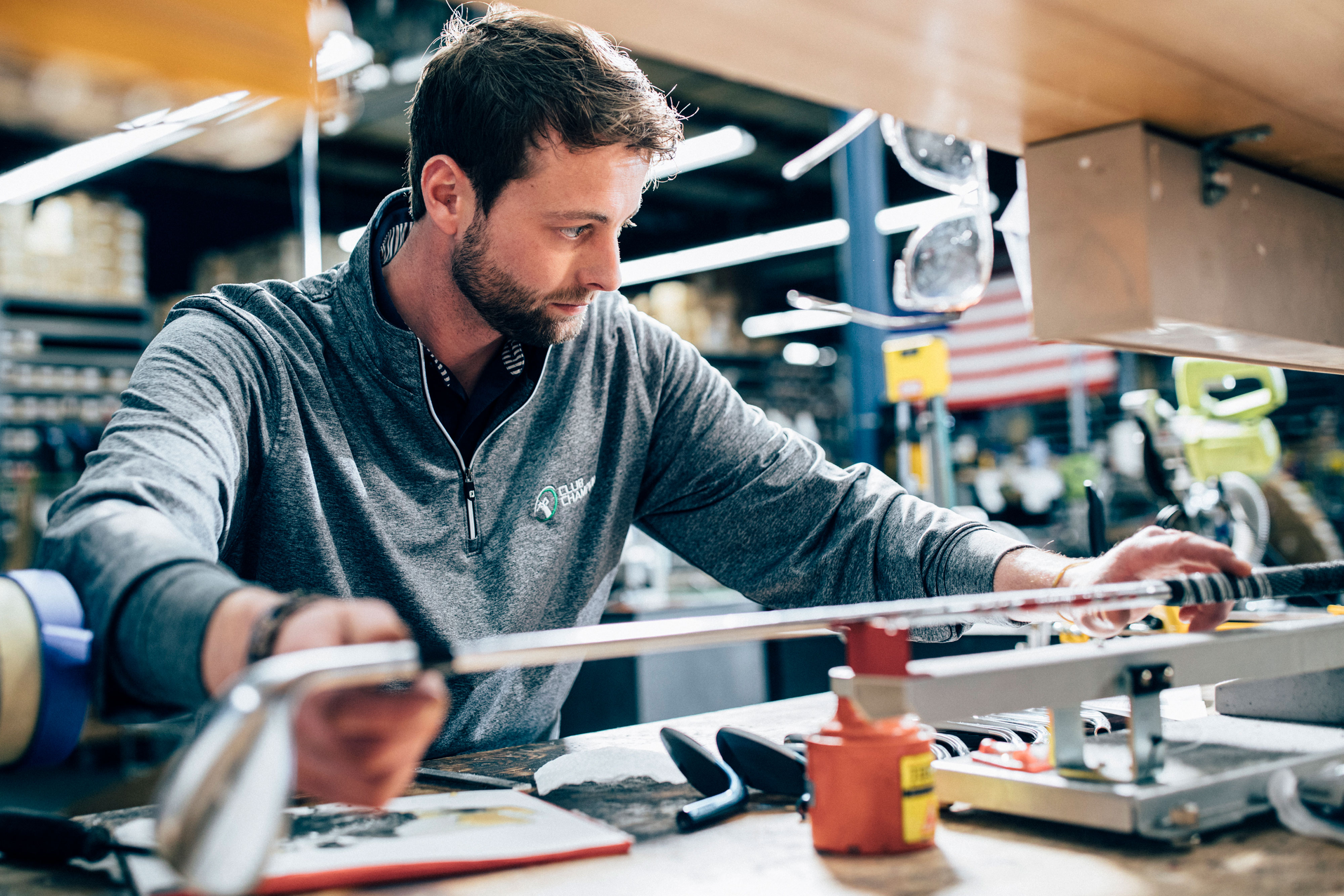
At Club Champion headquarters in Willowbrook, Illinois, club builders are often responsible for meticulously assembling more than 100 clubs per day.
And while this is an impressive number to the layman — as is the 50,000 possible club combinations Club Champion can craft — we wanted to know more about what the process actually entails — and further, learn more about the men epoxying shafts to heads, installing grips, bending, grinding, SST PUREing, and stamping.
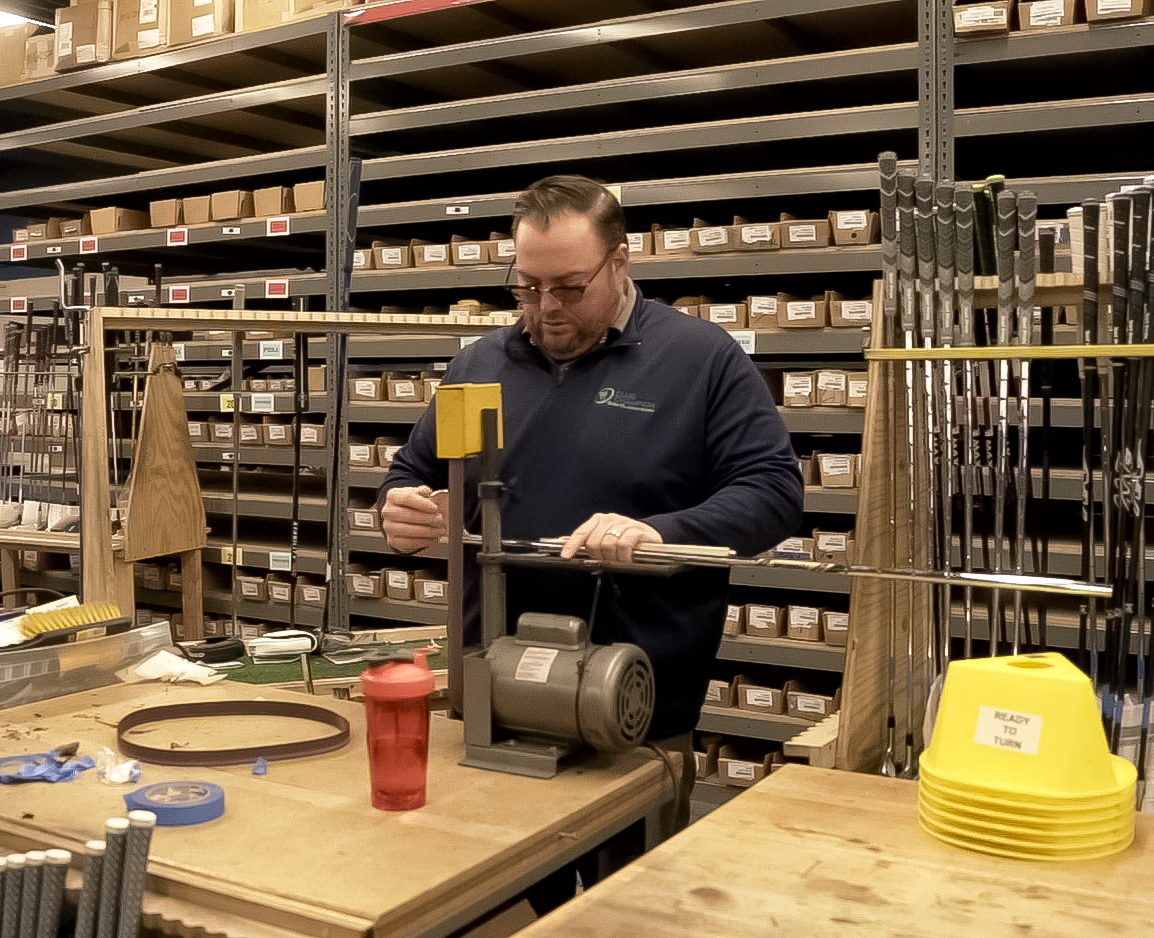
Many Paths
The master builders of Club Champion we spoke to took different paths to the Willowbrook headquarters and their expertise in the unique blend of art and science. Company founder and 25-year club building veteran Nick Sherburne had one of the most unique roads in of the builders we spoke with. “I’m a bigger guy who needed to alter my clubs but I didn’t have the money for the options that were available at the time.” Through an initial process of trial and error, Sherburne honed his skills, eventually linking up with Everett Lokenvitz and securing a PCS (Professional Clubmakers Society) Class A certification.”
Master Club Fitter & Builder Ryan Bulkema of Oak Lawn, Illinois, has been building golf clubs for 16 years. He began his journey in big box world. “Very early on, I found myself gravitating to the club tech area and on frequent occasions,” he said, learning the intricacies of “cutting off grips, regripping, pulling shafts, bending loft and lie, and even basic club assembly.”
Alex Buckridge, who has been a master builder at Club Champion for four-and-a-half years, specializes in club stamping and paint fills. He got his start in the industry the same way many golf business lifers do: working at a golf club as a caddie and bag room attendant.
The Fitting Process
In addition to being curious about their paths to the profession, we wanted to know what the club building process at Club Champion looks like. Alex told us “I could tell you…but then I’d have to kill you.” But fortunately, others were willing to give us a peek behind the curtain, demystifying a process few outside the industry — and the GolfWRX forums — understand.
The builders we spoke to broke down the Club Champion builders process
- Builders being by hand-picking weight-sorted products to make sure they’re using consistent, quality parts to start
- After initial item inspection, builders dive into the build sheet
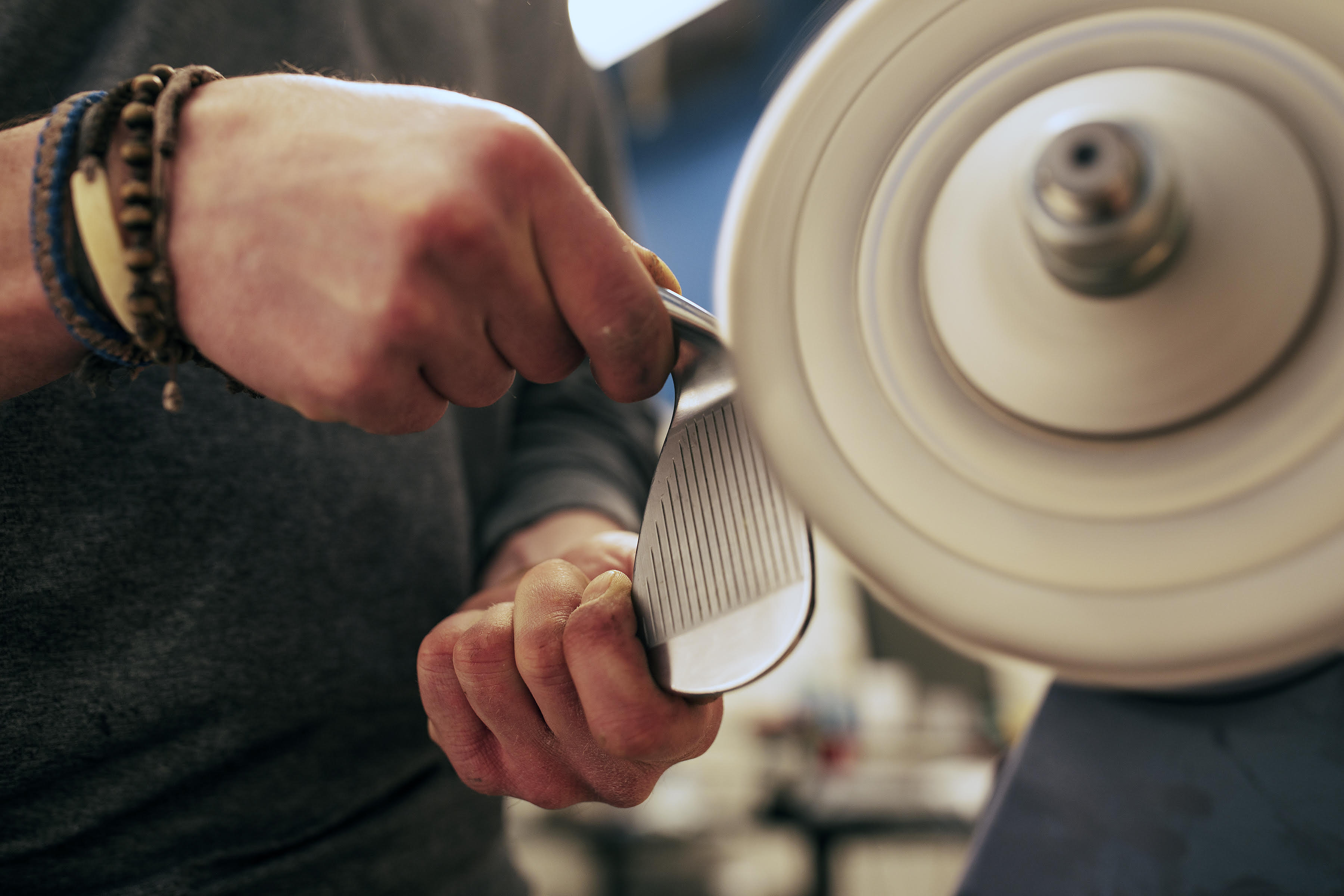
- SST PUREing shafts to make sure they can be installed in the optimal position is next
- Shaft tipping (if needed) and preparation is next
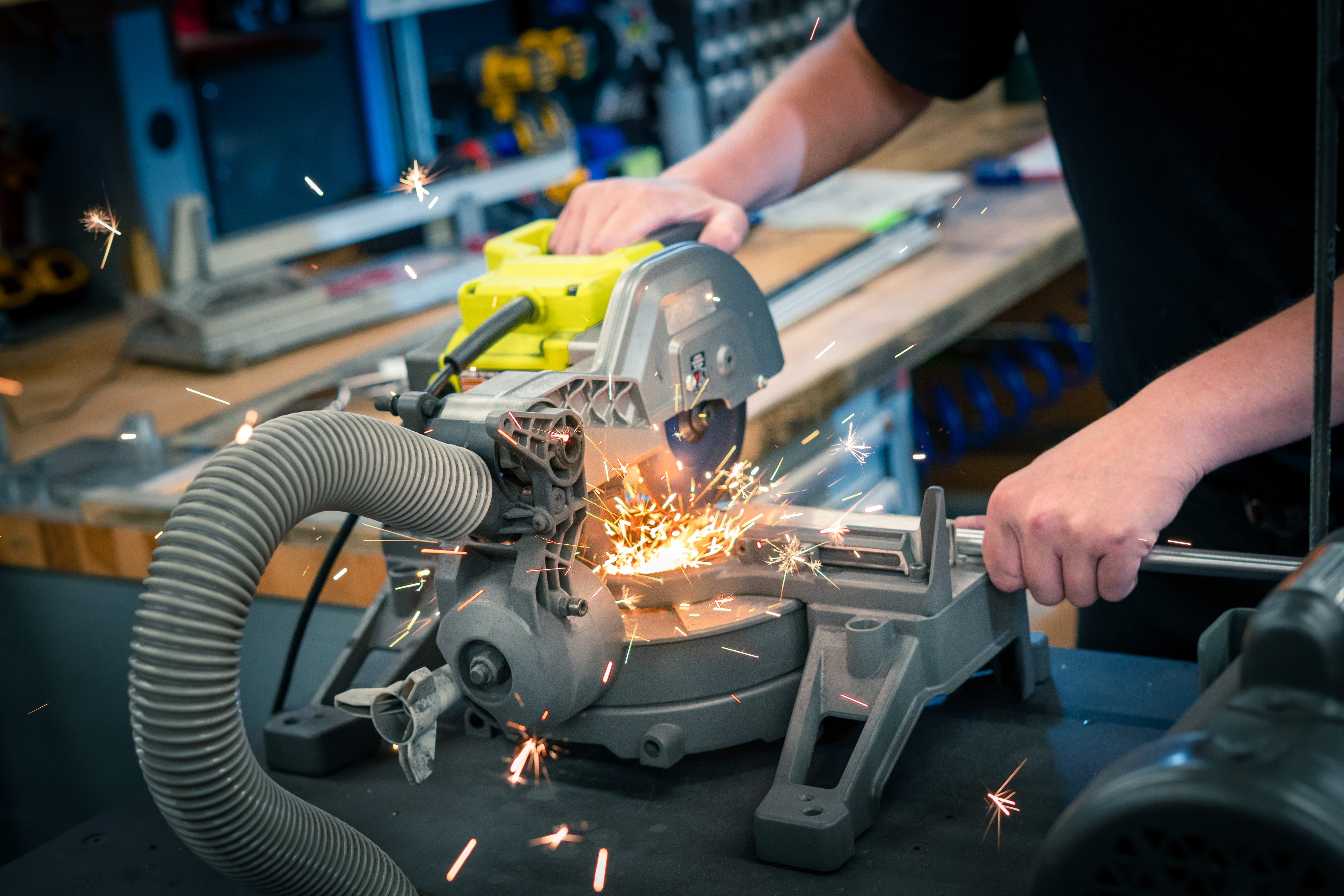
- Club builders fit the shafts into heads, measure on the club ruler to the intended length, and cut the shafts if needed
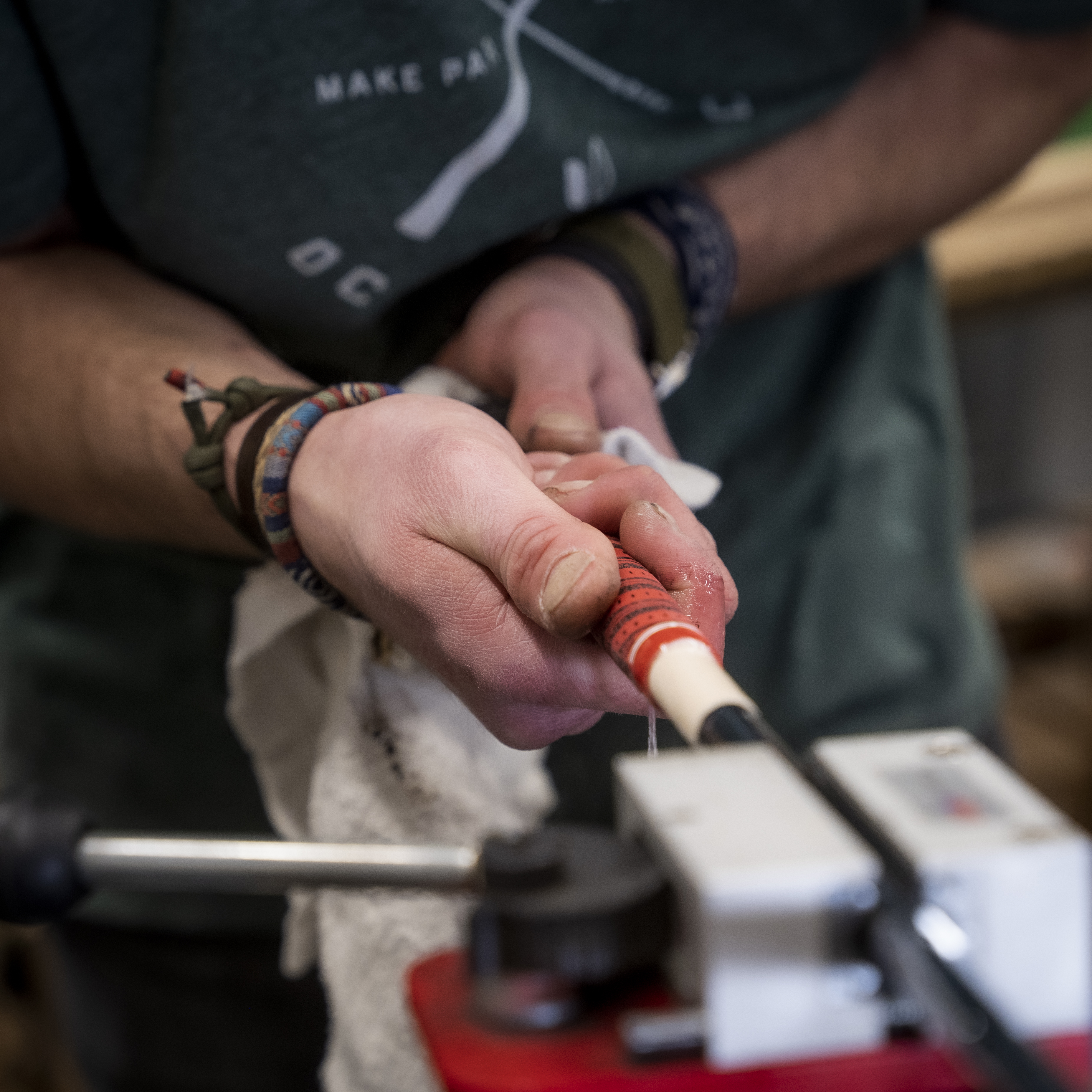
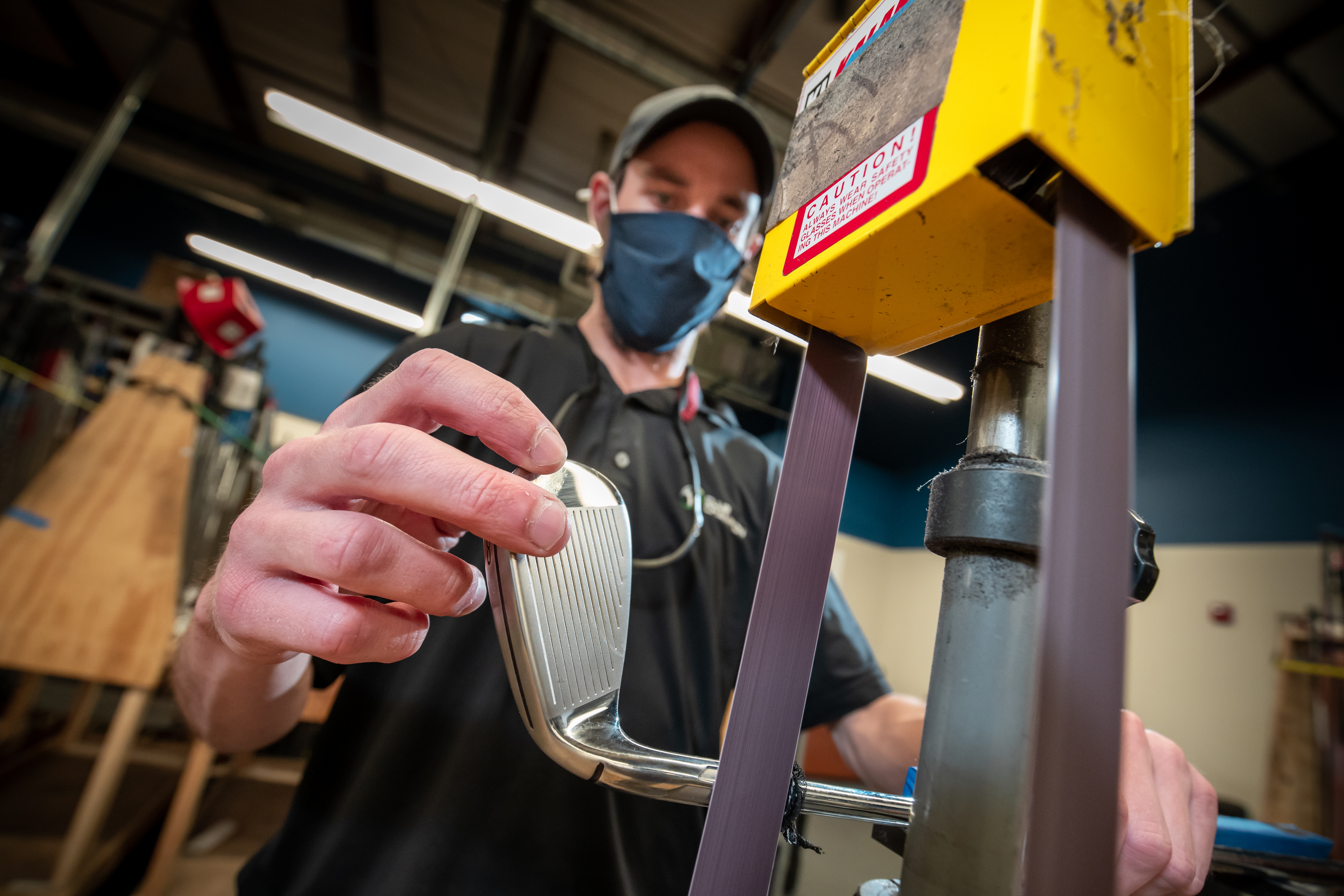
- Club builders debur the edge and put the grip on the shaft with the appropriate tape for the build. “Grip before glue” to ensure a perfect swingweight
- Once grips are installed, a builder puts the head on to dry weight the swingweight
- This allows a club builder to map out the set or individual club and determine if any weight needs to be added. if not, s/he adjusts accordingly to the fitted specs using lead, tungsten, rat glue, weights that come with some heads, etc
- Once swingweight is good to go, the proper ferrule is added and the club is glued using a 24 hour epoxy
- When the club is dry, the ferrule is turned to ensure a clean look
- Any bending of the club is done on a Mitchell digital loft and lie machine
- Shining up, stickers
- A final full QC process
Common Misconceptions
Digging deeper, Club Champion builders said there are no shortage of misconceptions about their craft.
Chief among these, according to Sherburne is the idea that off-the-rack clubs are consistently build and match the specs shown online.
And in terms of specs, Sherbune cautions, “not all loft and lie machines measure the same, which is why having properly calibrated machinery is important to performance. At CC, we make sure all machines are calibrated to match, from stores to build facilities, so there are no discrepancies.”
Additionally, Sherburne emphasized how every piece of a club build affects other elements. He offered this example: “Swingweight changes flex: A heavier shaft plays looser, and if the swingweight is light, the shaft will play stiffer.”
Tolerances are also important to keep in mind when thinking about the build your golf clubs. Club Champion builders work within one inch of loft and lie, 1/8 inch length, and one swing weight point. Other builders aim for 2-3 degrees loft and lie, 1/2 inch length, and minimal swing weight tolerances.
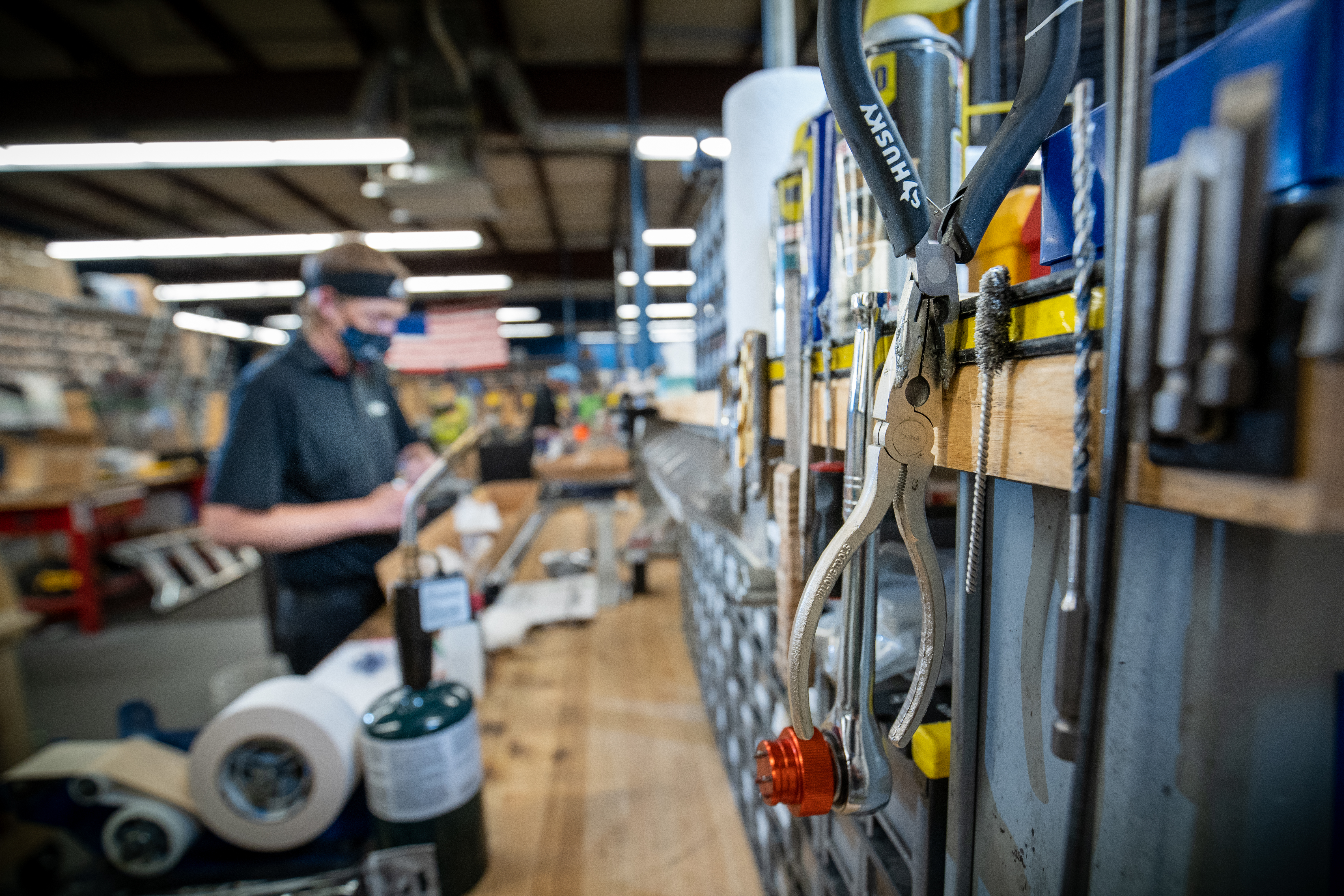
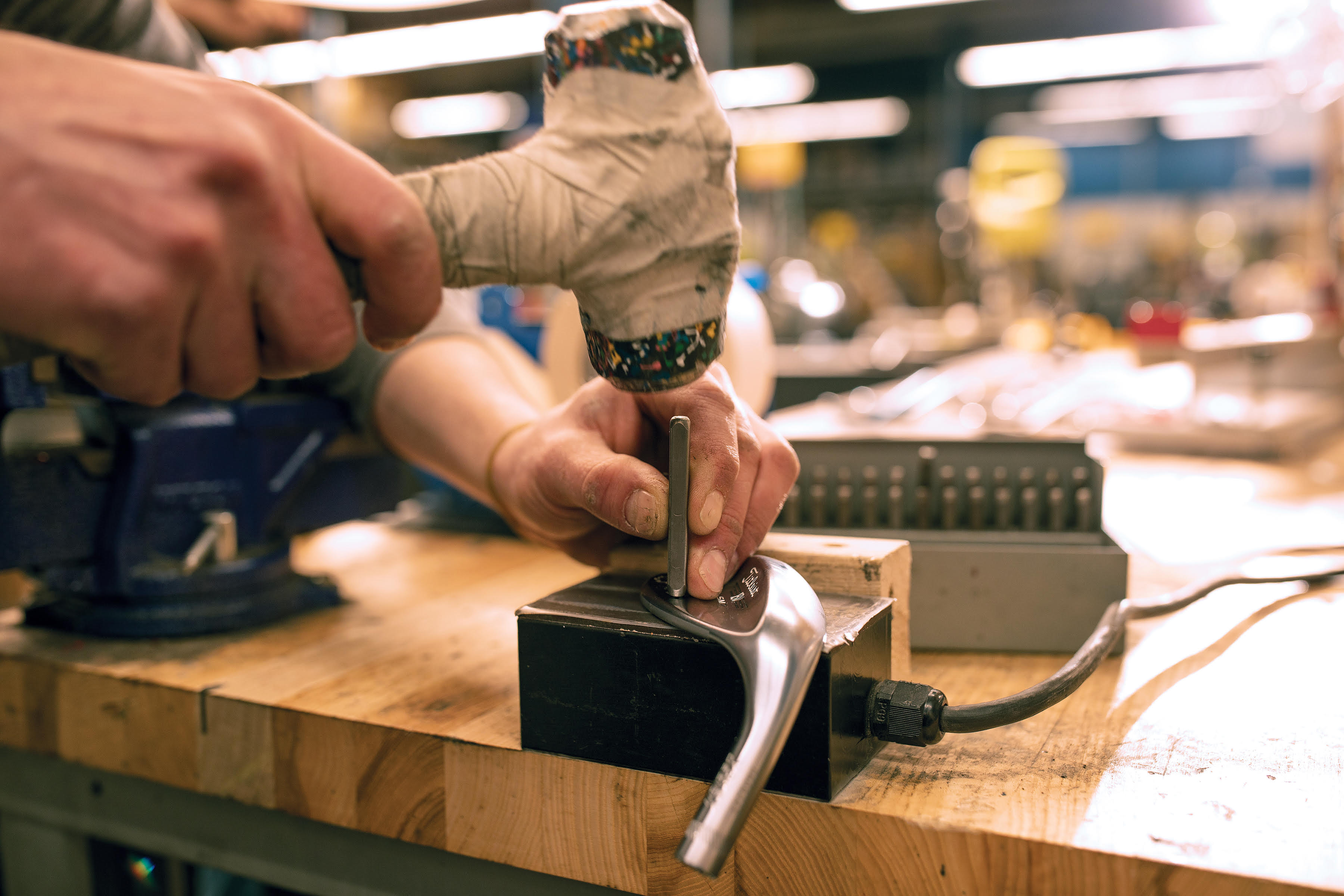
Alex Buckridge spelled out another major difference between off-the-rack manufacturing and how Club Champion operates. “Most off-the-rack clubs are built in an assembly line style, with much looser tolerances. In this scenario, maybe one person cuts, one grips, one glues, and so on. For some manufacturers, machines complete portions of the process. With a professionally built club like those we create, one person is doing the build from start to finish. We’re following much tighter tolerances and can offer a much wider range of custom options.” Sherburne added, “The tolerances for mass-produced clubs are all over the place, which is why a professionally hand-built club is key.”
No Comparison
In terms of the abundance of custom offerings, Club Champion is the summit of the mountain.
Regarding the aforementioned, Sherburne said, “If you’re comparing us to the few other brand-agnostic fitters out there, it comes down to our desire to go above and beyond. More brands, more model options, more training, tighter tolerances, tougher QC processes, the Perfect Fit Guarantee, more attention to detail. The list goes on and on. The moral of the story is we can create essentially anything and that’s key to finding the ideal performance for so many different types of golfers.”
And certainly, there’s no comparison to OEM fittings and what’s available at big box retail, in terms of availability, customization, and the ability to dial in specs.
And while everyone we spoke with at Club Champion agreed home club building is a great hobby, Ryan summed up the need for professional club building best, “I see club building as an art form, with an almost infinite number of possible options. I have the ability to achieve a much higher degree of change, within a much tighter tolerance, with a high attention to detail. If you expect the best performance out of something, you don’t tend to DIY it unless you’re an expert in that field. Golf clubs are no different.”
For More
You can read more about Club Champion in our other features below and check out ClubChampionGolf.com.
- What really happens during a putter fitting?
- What to expect during a club fitting
- Addressing club fitting’s biggest myth: It’s only for good players
- Club fitting 101: How to prepare for a fitting




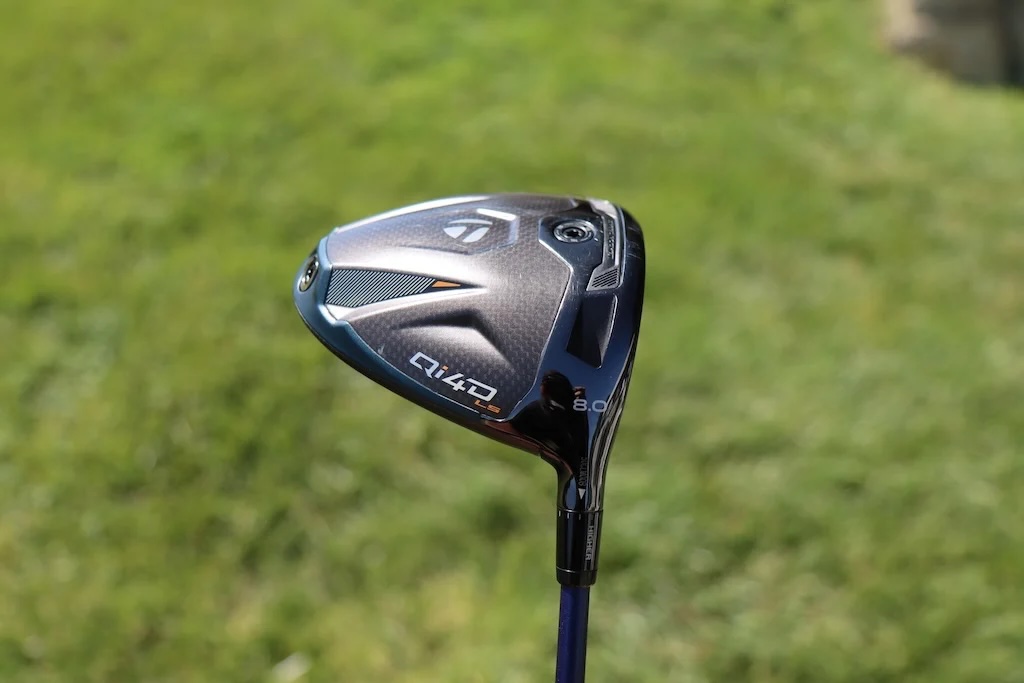
Driver: TaylorMade Qi4D LS (8 degrees)
Shaft: Fujikura Ventus TR Blue 6 X
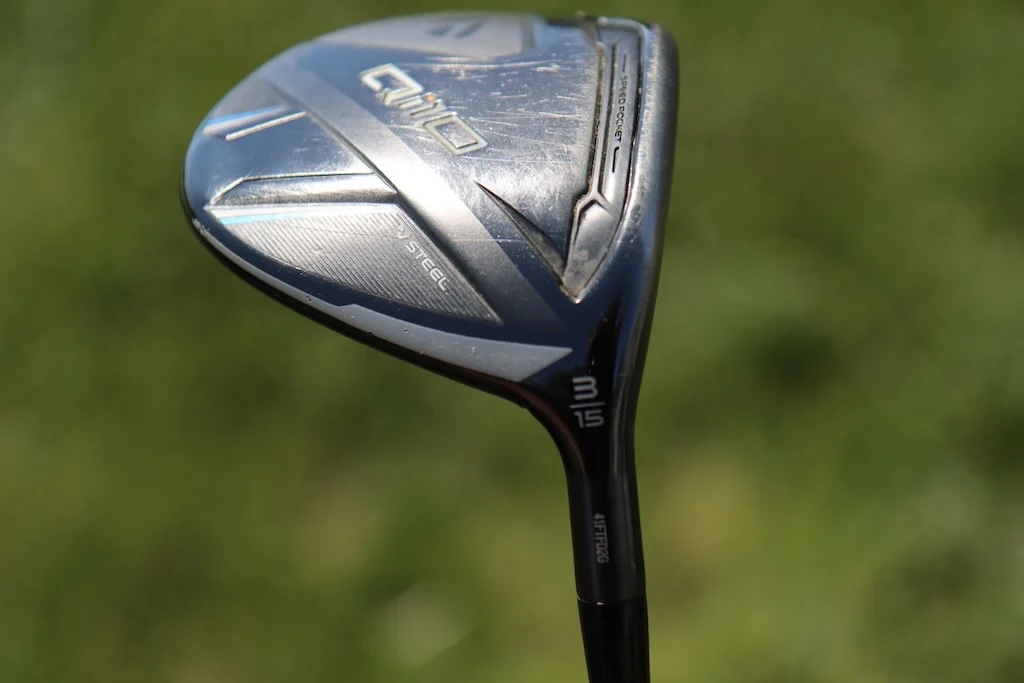
3-wood: TaylorMade Qi10 (15 degrees)
Shaft: Fujikura Ventus Black 9 TX
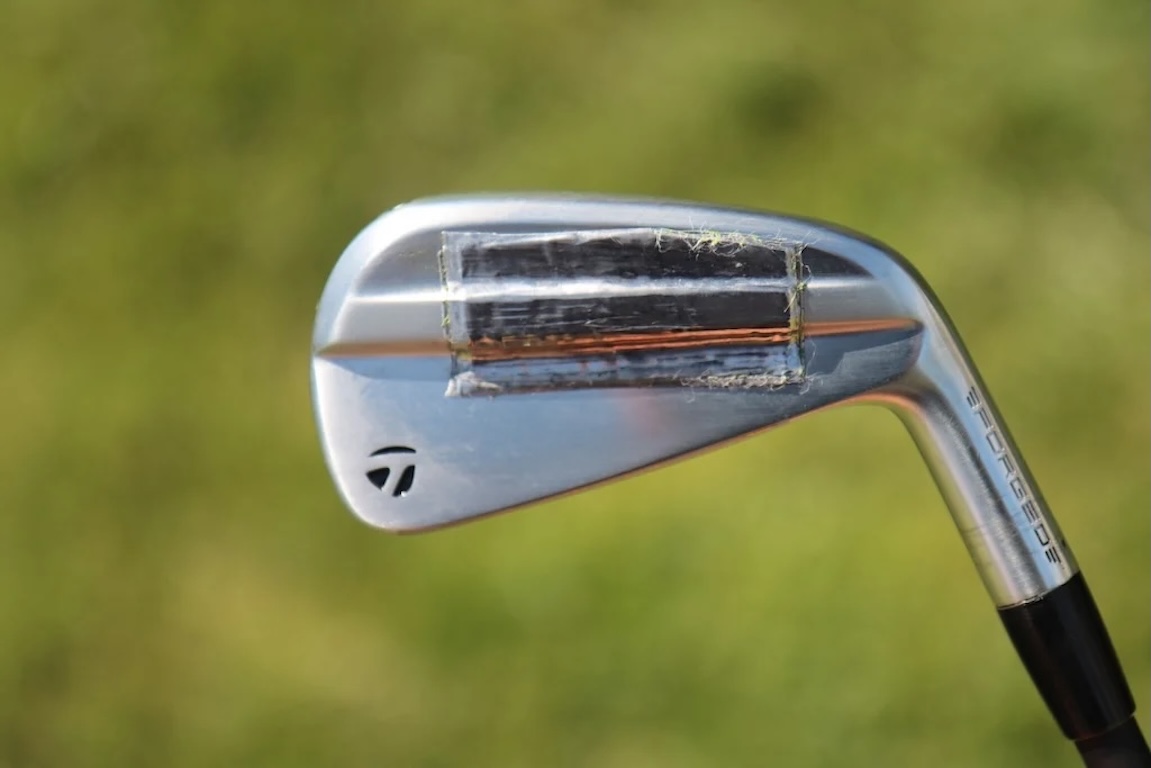
Irons: TaylorMade P770 (3), TaylorMade P7CB (4), TaylorMade P7TW (5-PW)
Shafts: Fujikura Ventus Black HB 10 X, True Temper Dynamic Gold X100
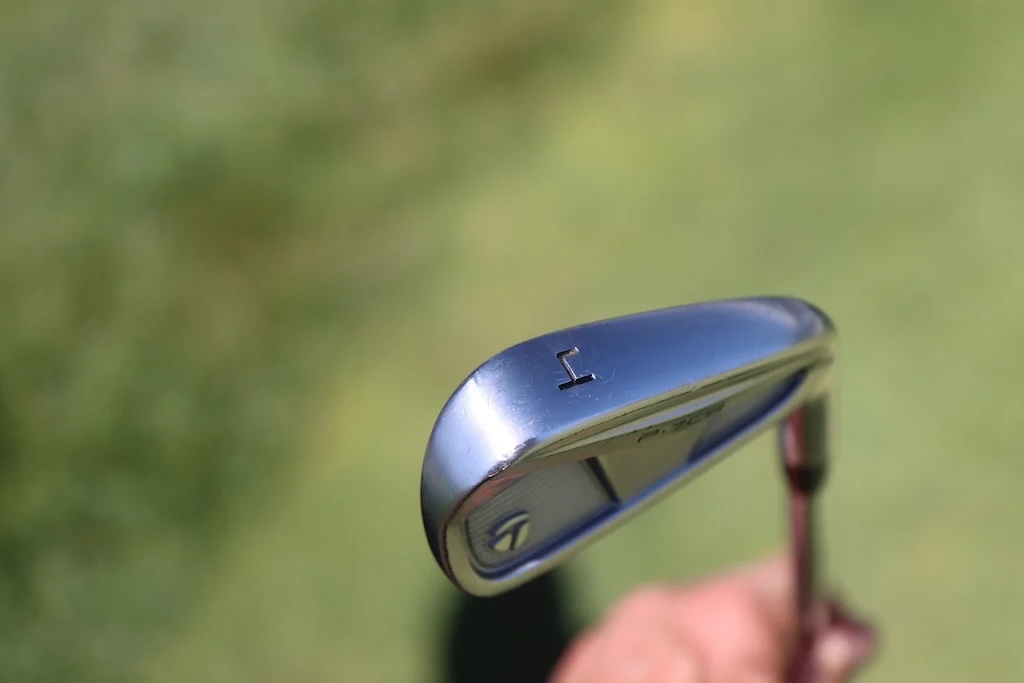
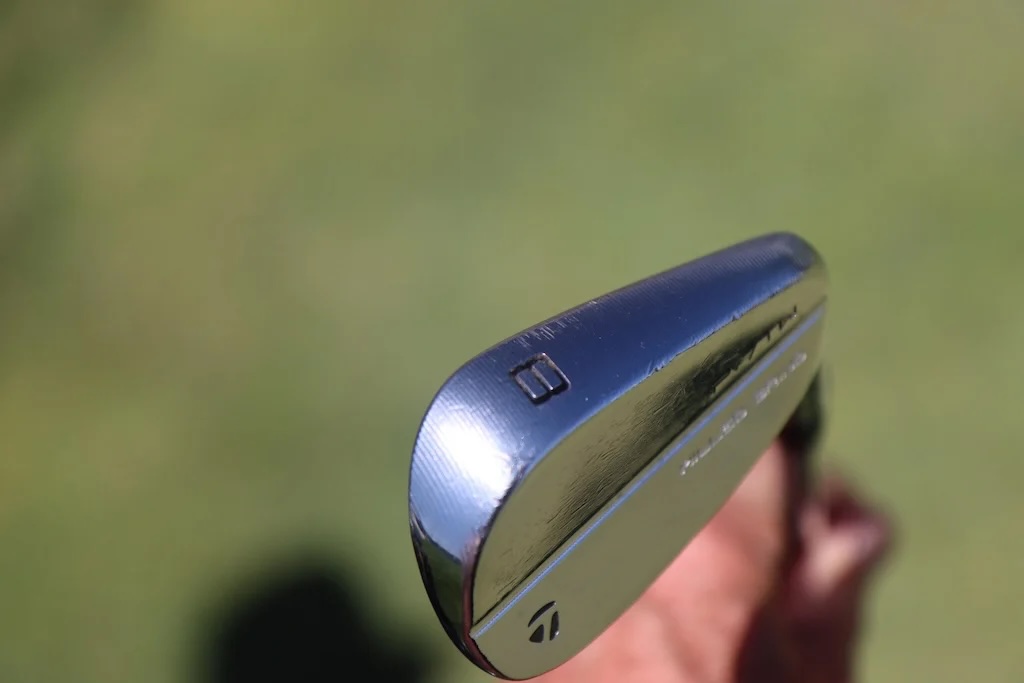
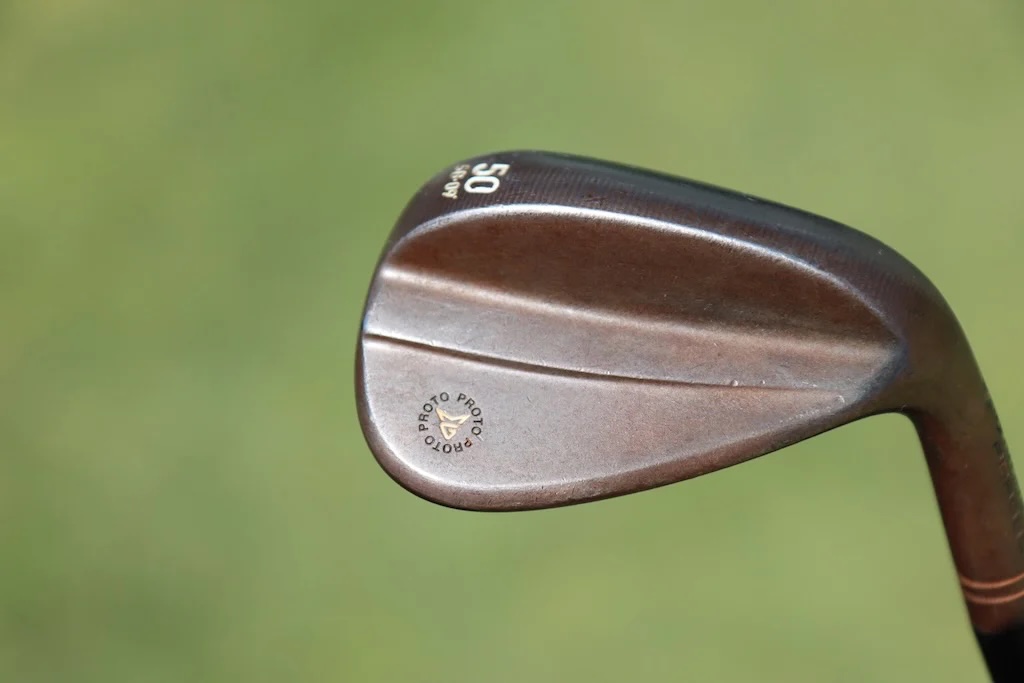
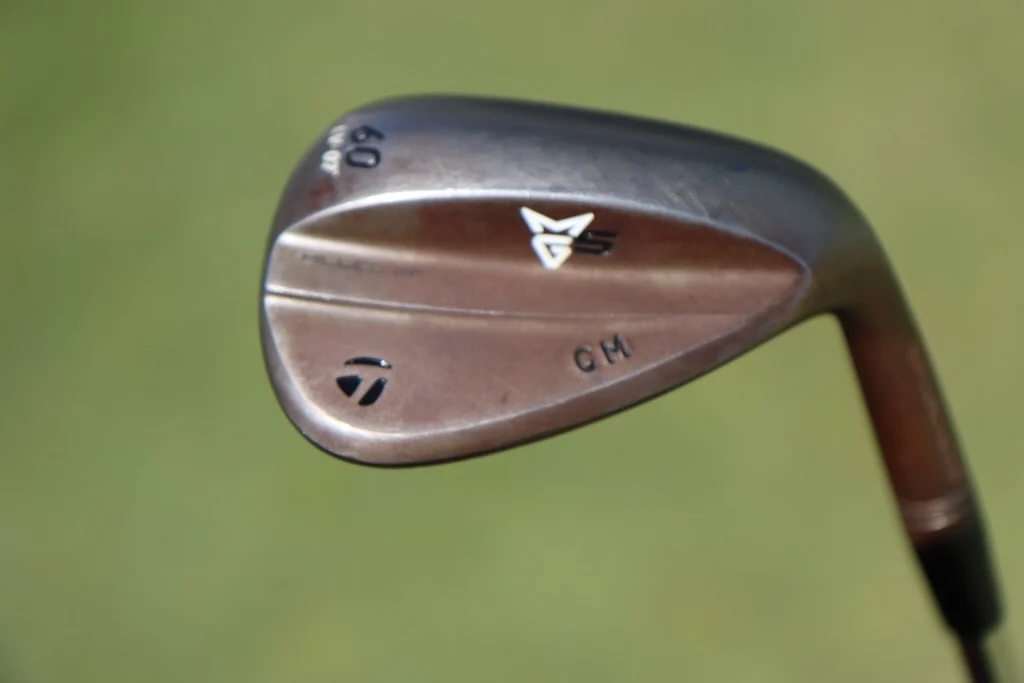
Wedges: TaylorMade Prototype (50-SB09), TaylorMade MG5 (56-HB12, 60-LV07)
Shafts: True Temper Dynamic Gold S400
Putter: TaylorMade TP Juno
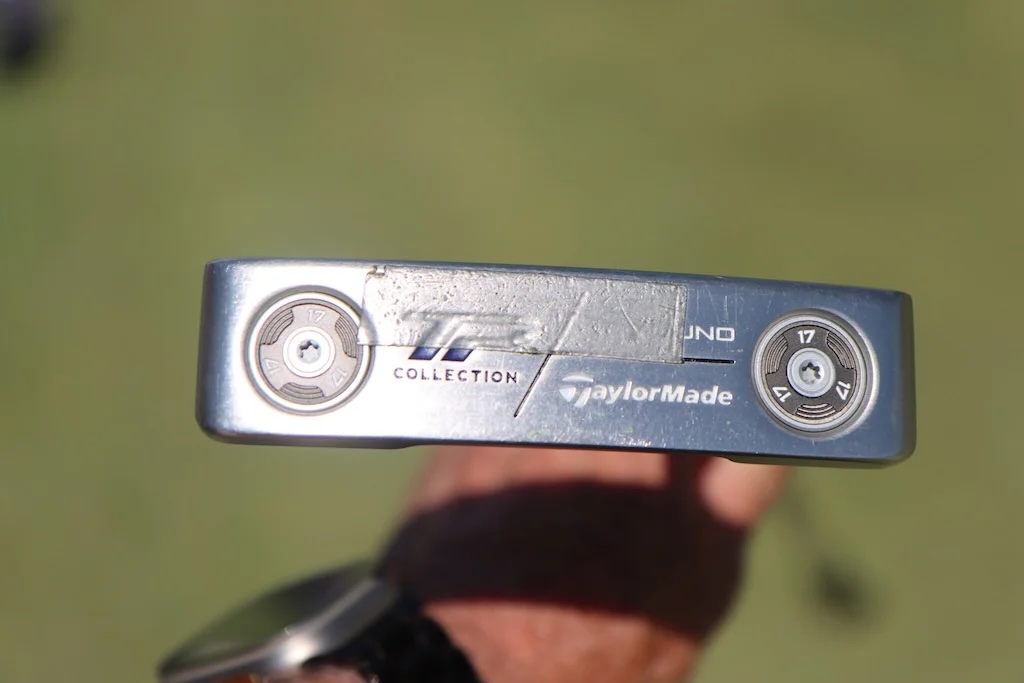
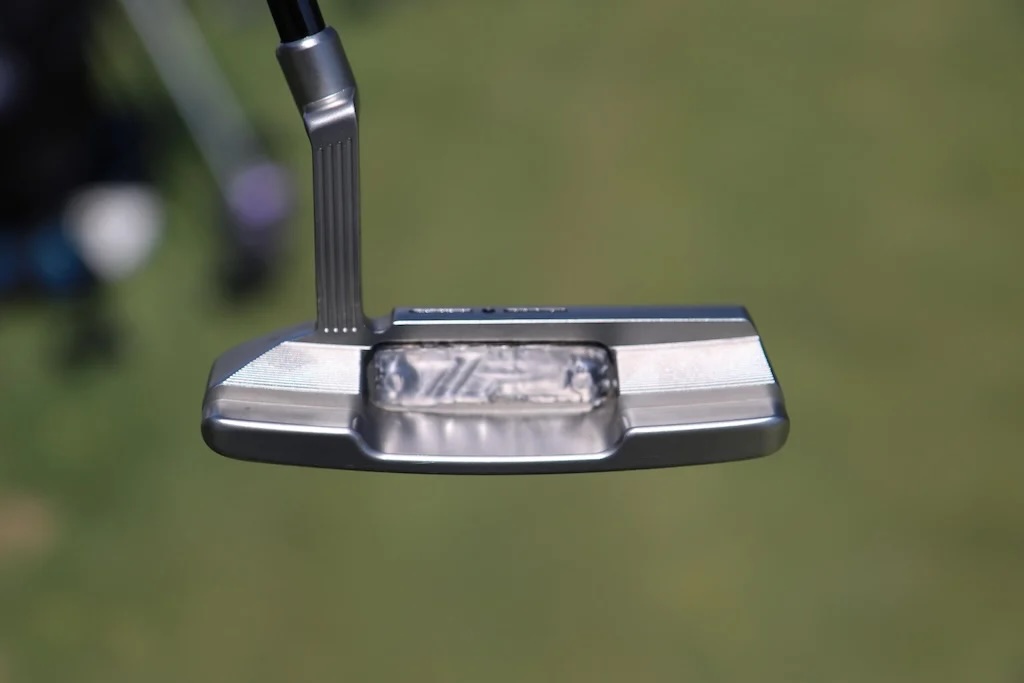
Ball: Titleist Pro V1x
Grips: Golf Pride Tour Velvet Cord
Check out more in-hand photos of Christiaan Maas’ clubs here.
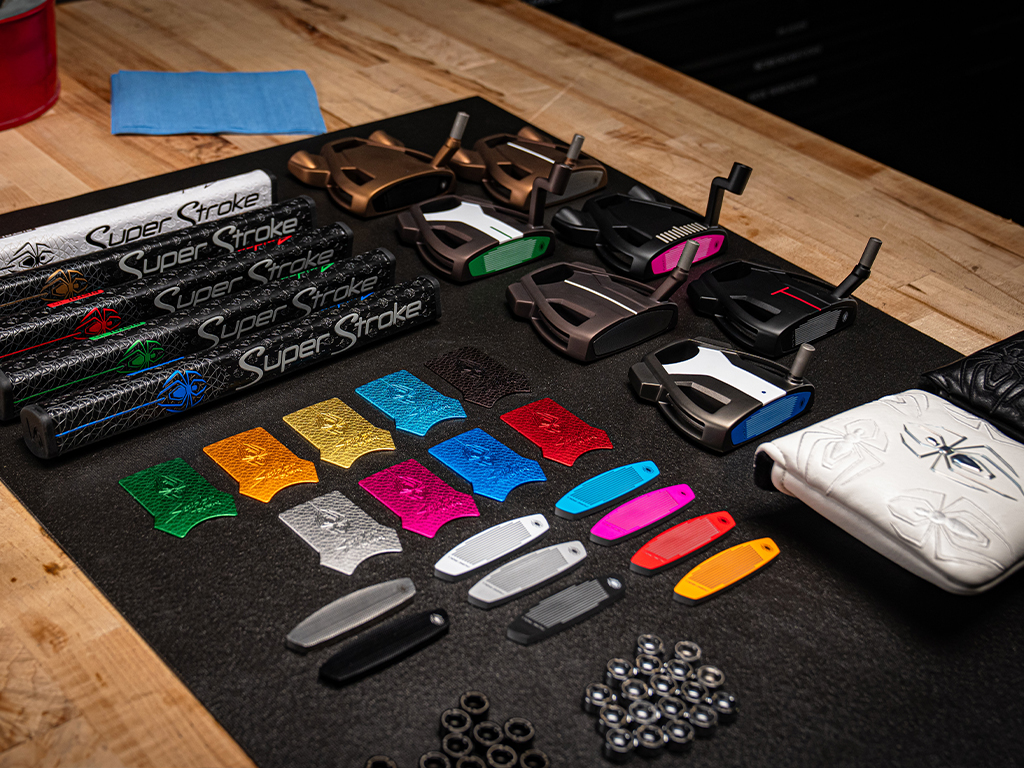
TaylorMade Golf’s MySpider program underwent a substantial overhaul over the last month. Firstly, the company launched the option to customize the Spider ZT model, and now the program has returned with the MySpider Tour and MySpider Tour X.
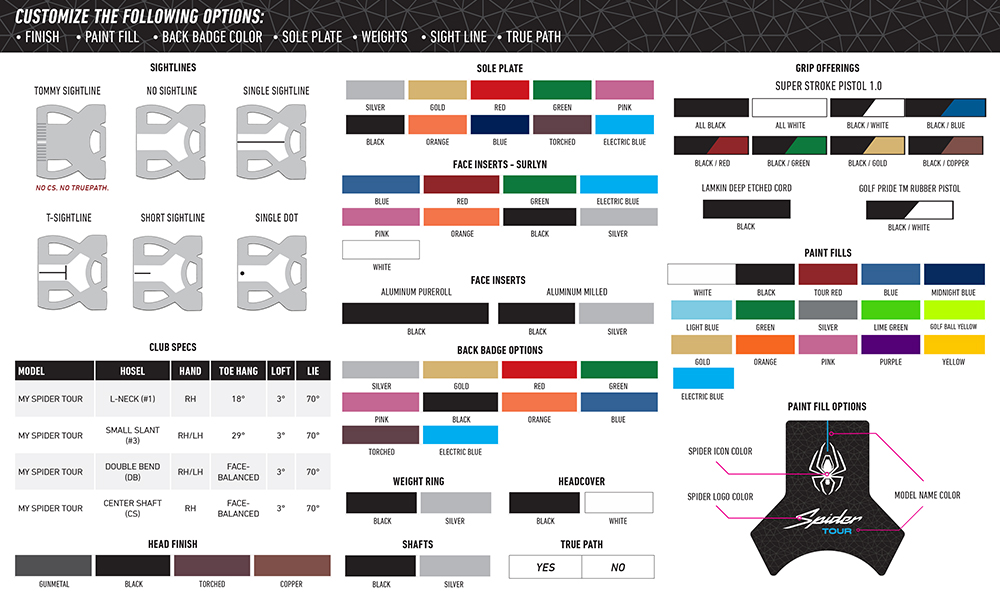
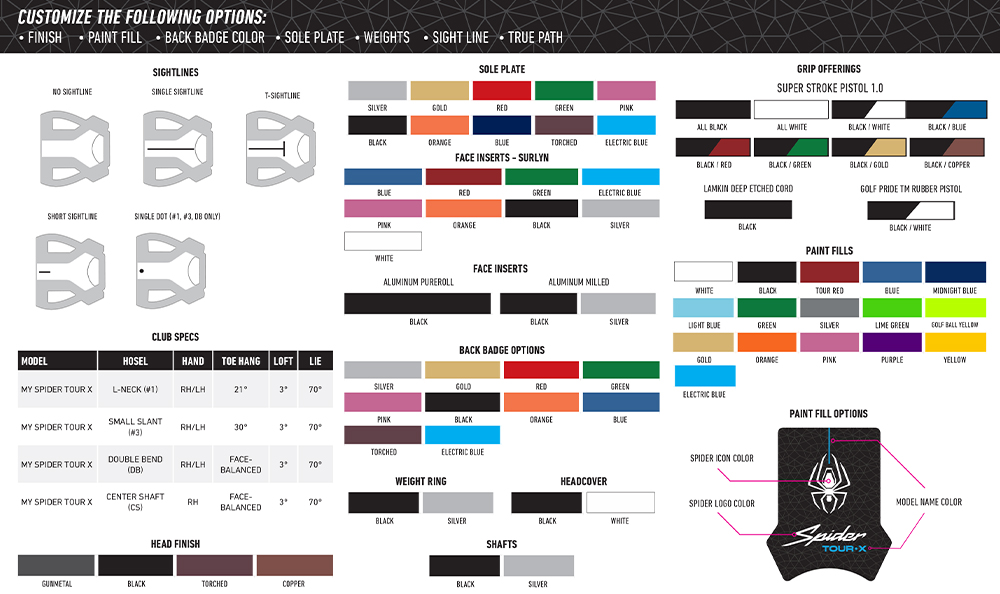
The revamped page now gives golfers complete control over every visual and functional detail of their putter on the popular Tour and Tour X head, with every cosmetic idea thought of. In MySpider Tour, golfers can choose from four head finishes, 16 paint fill colors, nine Surlyn face insert colors, three aluminum insert options, six sightline configurations, and four hosel options — L-neck, small slant, double bend, center shaft. Six sightline options are available in MySpider Tour, including the optically engineered True Path alignment system. MySpider Tour X gives builders the option of four head finishes, four hosel configurations, and five sightline options, also including True Path alignment.
One of the more interesting features of the new MySpider program is the availability of three distinct face insert options. Along with the usual Surlyn Pure Roll insert trusted by Scottie Scheffler and Rory McIlroy, which can be customized from nine colors, golfers can now also select firmer options. Two are offered with the black aluminum Pure Roll insert, slightly firmer than the traditional insert, or for the firmest feel, golfers can choose from two colors of milled aluminum inserts.
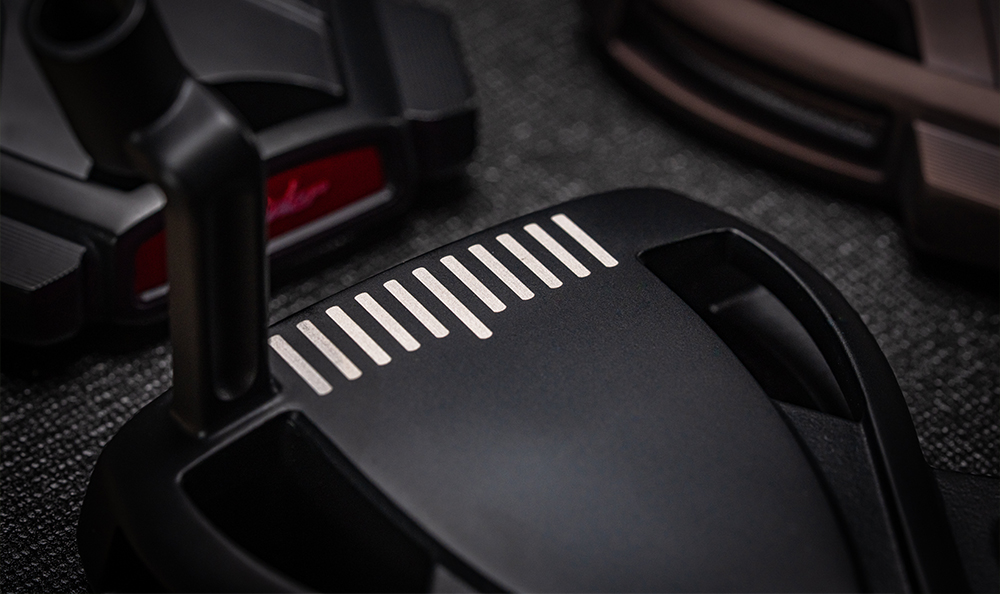
Another fun addition to the MySpider Tour is the ability to use the “Tommy Sightline.” The custom alignment aid design, which was first drawn onto Tommy Fleetwood’s putter by PGA Tour Rep James Holley, is based on the milled sightline on his Spider ZT head. There are five shorter lines on the left and right of a longer central line serving as the traditional short line alignment aid.
See below for the full specifications sheet for MySpider Tour and Tour X:
MySpider Tour
MySpider Tour X
Equipment
Then and now: Comparing Rory McIlroy’s current setup to his record-breaking 2019 Canadian Open victory

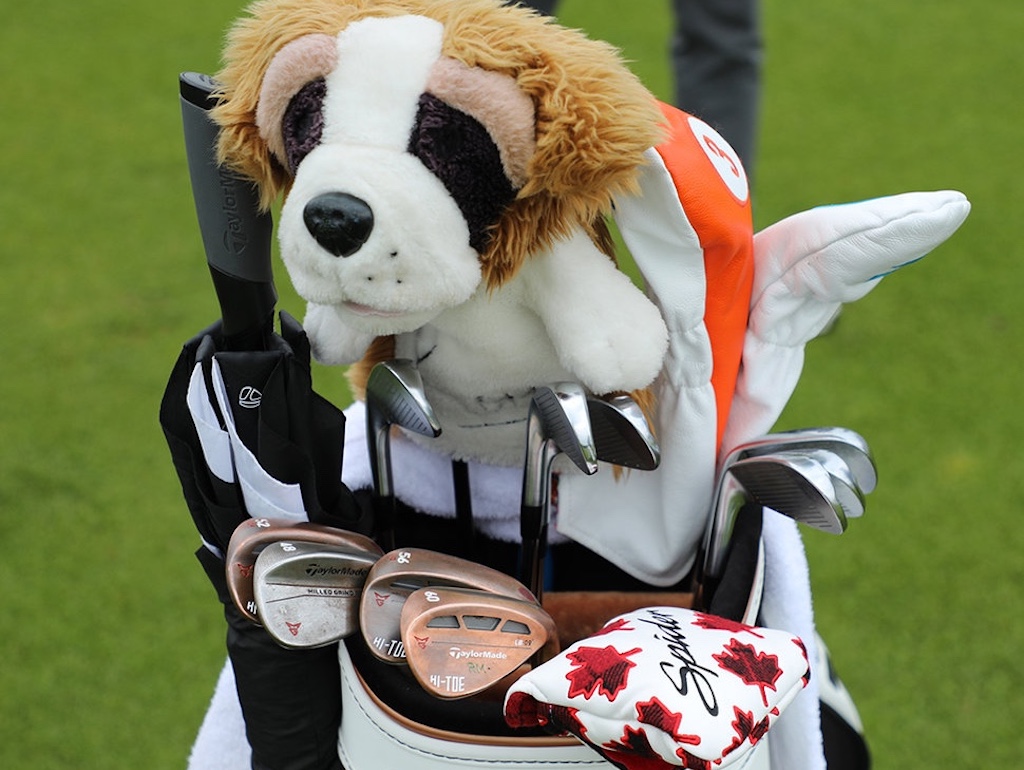
In Rory McIlroy’s first appearance at the 2019 RBC Canadian Open, he crushed the record books to earn his 16th PGA Tour title in dominating fashion, winning by seven shots over Shane Lowry and Webb Simpson.
McIlroy’s score of 22-under-par 258 is the lowest 72-hole score to date at the Canadian Open, and his closing 61 is also the best final-round score in the history of one of golf’s oldest tournaments. Finally, with his win in 2019, McIlroy became only the sixth player to win the career Triple Crown, adding to his victories at the U.S. Open in 2011 and The Open Championship in 2014, joining Tommy Armour, Walter Hagen, Arnold Palmer, Lee Trevino and Tiger Woods in a coveted list.
So, with that, why not compare his current setup to the clubs he used to break all the records?
Driver
2019: TaylorMade M5 (9 degrees), Shaft: Mitsubishi Tensei CK Pro White 70 TX
2026: TaylorMade Qi4D (9 degrees @8), Shaft: Fujikura Ventus Black 7X (45 5/8 inches)
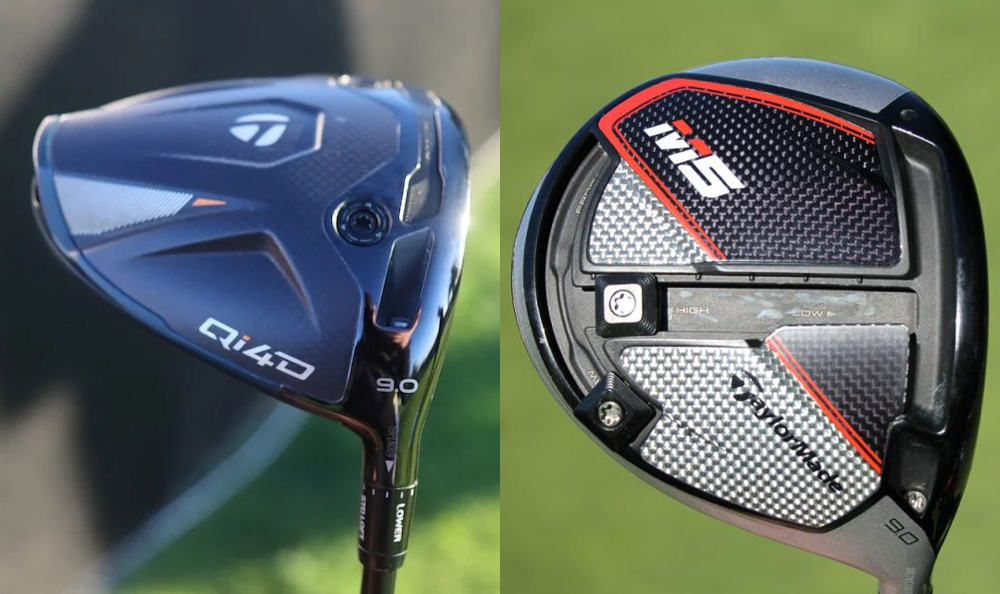
McIroy led the Tour in Strokes Gained: Off-the-Tee in 2019; he’s doing the same in 2026. Between now and then, McIlroy has switched from the Mitsubishi Tensei CK Pro White 70 TX (a shaft with slightly more feeling in the tip) to the original Fujikura Ventus Black 7X, having just made the change to the heavier version from playing the 60X.
What’s interesting about McIlroy’s 2019 setup is that the weighting on his driver is actually set in the high-draw setting, using the T-Track weighting system, whereas in the Qi4D, he’s currently using a heavily rear-weighted setup. (Two 13-gram weights in the rear and only two 4-gram front weights.)
The TaylorMade M5 driver he played in during his Canadian Open win was the company’s first head that they claimed to design to initially exceed the USGA’s COR limit, and then injected with tuning resin to bring it back in bounds.
Fairway woods
2019: TaylorMade M6 3-wood (15 degrees), Shaft: Mitsubishi Tensei CK Pro White 80 TX; TaylorMade M5 5-wood (19 degrees), Shaft: Mitsubishi Tensei CK Pro White 90 TX
2026: TaylorMade Qi4D 3-wood (15 degrees), Shaft: Fujikura Ventus Black 8X; TaylorMade Qi4D 5-wood (18 degrees), Shaft: Fujikura Ventus Black 9X

The TaylorMade M6 fairway wood that McIlroy was using during the 2019 season is still in the bag of some of the best golfers on Tour in 2026. Just check out Justin Rose’s winning setup from the Farmers Insurance Open earlier this year. This year, though, McIlroy has still been searching for his top-end-of-the-bag setup, having played both the new Qi4D and the Qi10, which he won the Masters with.

The same shaft swap can be seen in the fairway woods as the driver, along with slightly less loft on the 5-wood.
Irons
2019: TaylorMade P750 (4) Buy here, TaylorMade P730 (5-9), Shafts: Project X 7.0
2026: TaylorMade P760 (4), TaylorMade Rors Proto (5-9), Shafts: Project X 7.0

The biggest difference between McIlroy’s custom set and the stock P730s is the groove design. While the P730s were constructed with 14 MX-9 grooves on their milled faces, McIlroy’s proto heads instead use the higher-spinning, 16-groove layout of the TW2 grooves. Other big differences between the sets are that McIlroy’s 7- and 8-irons have thinner toplines, are 1 degree stronger in loft, and are 1/4 inch longer than the original P730 builds.
With McIlroy’s 4-iron, the switch from P750 to P760 sees a transition to a two-piece construction with Speed Foam in it, which allows McIlroy to launch the ball slightly higher, with more workability.
Wedges
2019: TaylorMade Milled Grind (48-09SB), TaylorMade MG Hi-Toe (52-09SB, 56-09SB, 60-LB09), Shafts: Project X Rifle 6.5
2026: TaylorMade MG5 (46-09SB, 50-09SB, 54-11SB, 60-08LB @61), Shafts: Project X 6.5 (46-54), Project X 6.5 Wedge (60)

Between 2019 and 2026, McIlroy’s focus on his short game has been much more apparent. It was the reason why he switched back to the TP5 golf ball, to help with launch, spin and control with his wedges leading up to his career Grand Slam victory in 2025. The most apparent changes to McIlroy’s wedge setup are his lofts and bounce. He’s slowly delofted his pitching to a sand wedge, but has increased the loft on the lob wedge, bending his current 60-degree to 61. With that, adding more loft to his lob wedge also slightly increases the bounce and leading-edge sit point, so, as a result, he plays a lower-bounce lob wedge compared to 2019. The MG5 wedges are also softer than the first Milled Grind option from 2019. McIlroy also no longer plays the full-face grooves found on the Hi-Toe.
Putter
2019: TaylorMade Spider X
2026: TaylorMade Spider Tour X
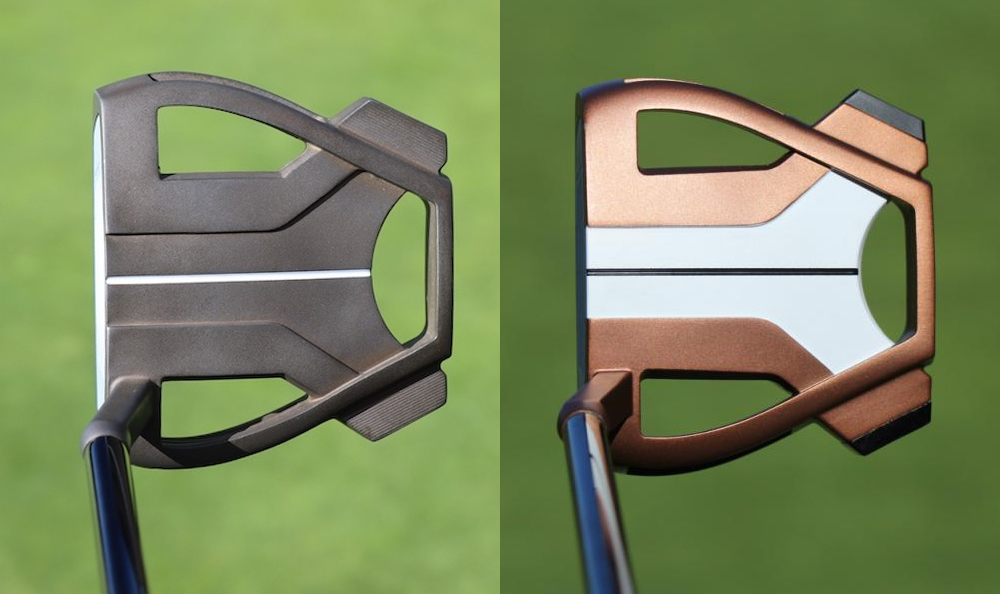
Notice anything similar. Yes, the copper finish on Rory McIlroy’s Spider X putter in 2019 is a slightly more reflective finish than the recently released torched PVD finish. McIlroy was using the True Path alignment system, but now uses only a single white sightline.
Ball
2019: 2019 TaylorMade TP5 (#22)
2026: 2025 TaylorMade TP5 (RORS)
As mentioned above, McIlroy had transitioned from the TP5 to TP5x golf ball since his victory in Canada in 2019, but now is black with the same style of golf ball as his victory at Hamilton Golf & Country Club.
Grips
2019: Golf Pride Tour Velvet Cord
2026: Golf Pride MCC
Interesting, McIlroy actually used Golf Pride’s Tour Velvet Cord grips during his victory in 2019 (it was during a 2+ year switch to the corded TV) as opposed to his usual MCC grips, which he has played for most of his career.

What’s the story behind Webb Simpson’s custom-stamped irons?

Memorial Tournament Tour Report: Rory McIlroy, Cameron Young switch up drivers, and more

Cadillac Championship Tour Report: Spieth’s sizable changes, McLaren Golf launches, and more

Russell Henley’s winning WITB: 2026 Charles Schwab Challenge

Kristoffer Reitan’s winning WITB: 2026 Truist Championship

Best irons 2026: Best irons overall, most forgiving irons, and more

J.T. Poston’s winning WITB: 2026 Memorial Tournament

Aaron Rai’s winning WITB: 2026 PGA Championship

Cameron Young’s winning WITB: 2026 Cadillac Championship

Details on Jason Day’s latest prototype Avoda iron setup


Christiaan Maas WITB 2026 (June)
Driver: TaylorMade Qi4D LS (8 degrees) Shaft: Fujikura Ventus TR Blue 6 X 3-wood: TaylorMade Qi10 (15 degrees) Shaft: Fujikura Ventus Black...


Ryan Palmer WITB 2026 (June)
Driver: Callaway Quantum Triple Diamond (9 degrees) Shaft: Project X HZRDUS Smoke Blue RDX 60 TX 3-wood: TaylorMade Qi10 (15 degrees) Shaft:...


Bud Cauley WITB 2026 (June)
Bud Cauley had >14 clubs in his bag when photographed prior to the Memorial Tournament. Driver: Titleist GTS2 (8 degrees) Shaft: Fujikura...


Hannah Green WITB 2026 (June)
Driver: Titleist GTS3 (10 degrees, D4 SureFit setting) Shaft: Mitsubishi Chemical Diamana RB 53 S 3-wood: Titleist GT3 (15 degrees,...
-
 Equipment7 days ago
Memorial Tournament Tour Report: Rory McIlroy, Cameron Young switch up drivers, and more
-
 News2 weeks ago
Russell Henley’s winning WITB: 2026 Charles Schwab Challenge
-
 Equipment4 days ago
Best irons 2026: Best irons overall, most forgiving irons, and more
-
 Whats in the Bag5 days ago
J.T. Poston’s winning WITB: 2026 Memorial Tournament
-
 Equipment1 week ago
Details on Jason Day’s latest prototype Avoda iron setup
-
 Equipment3 weeks ago
CJ Cup Byron Nelson Tour Report: Koepka and Kim’s newest putters finally get hot
-

 News2 weeks ago
Charles Schwab Challenge Tour Report: MacIntyre, Åberg and Spaun all switch putters, TaylorMade launches new Spider
-
 Equipment2 weeks ago
Details on J.J. Spaun’s surprise putter switch


Mike yass
Jun 8, 2022 at 1:19 pm
Nothing in here about the employees building the cubs in a 90 degree building with no air conditioning. Weird
Connor Stremke
Jan 1, 2022 at 1:47 pm
Club Champion approves of this message*
Also, fuck club champion
Pm
Dec 31, 2021 at 2:28 am
Reading all these comments and all the other bad ones in the Forums, sounds like CC is struggling and is on a campaign to try to do more sales through this type of hype advertising, but obviously it’s not going to work. Not that any of the other fitting places like TrueSpec or CoolClubs are any better, they all try to upsell you and that’s that. Clowns. Make sure people aren’t paying for SST Pure, that is a sure waste of money
TP
Dec 30, 2021 at 11:20 pm
Club Champion is the biggest rip off. “Grip before glue”?? WTH. Anyone who has a clue what they’re doing wou never do this. A- use a swingweight scale that allows for a grip to be placed under the shaft for a dry fit. B- having a grip on shaft before gluing gives the air in the shaft nowhere tango after you glue it up and increases the possibility of the shaft creeping up. Also for what they charge 1/8″ and 1° loft and kie variance is atrocious. I have all my personal clubs within 0.2 swingweight and 1/32″ and 0.25° loft and lie and I’m doing it from my house. Ridiculous. Do yourself a favor and get a set blueprinted out or spec’d out by someone who takes their time and has tighter tolerances
Internet Police
Dec 30, 2021 at 7:30 pm
Not concerned much with safety. No gloves with solvent, no gloves with the grinding / buffing wheel. Sparks flying all over bare skin while cutting shafts. It’s laughable. But hey, they’ll spine your shafts for you…. What a joke, Club Chumpion”.
Jim Thomson
Dec 30, 2021 at 10:20 am
What a waste of digital space. Club building is not rocket science. I’ve been a hobbyist club builder for over 40 years and I’ll put my ability up against any CC “specialist” as would many experienced DIYers. BTW, does anyone proofread this stuff? Interesting that CC works to one inch of loft and lie. No wonder you found their “process” so amazing.
Kevin S
Dec 30, 2021 at 4:51 pm
I thought the same thing, Jim Thompson. I read, “Club Champion builders work within one inch of loft and lie, 1/8 inch length, and one swing weight point. Other builders aim for 2-3 degrees loft and lie, 1/2 inch length, and minimal swing weight tolerances.” Whaaa?? I’m a simple hobbyist, too, but if I was simply “aiming for 2-3 degrees on loft and lie,” as Sherburne tries to disparage me and everyone else, I wouldn’t even be attempting it.
Tom
Dec 30, 2021 at 6:41 am
Did a CC fitting…. Ordered the irons to the exact specs they fit me for, on my own, not through them as their prices are ridiculous. I have never hit an iron worse in my life and I am a plus handicap.
leezer99
Dec 30, 2021 at 6:12 am
Had a fitting at CC just a couple of weeks ago. I could have gotten better results going to my local shop and hitting random clubs on their LM. Sent in a complaint and they offered to redo the fitting at another location but I really don’t see the point.
geohogan
Dec 30, 2021 at 6:02 am
So much made of loft /lie machines, when key to fitting
IMO, is height of hands from the ground the same for all clubs.
ie butt end of clubs, height from ground is the suited to golfer and the same for all clubs. Exact degrees of lie angle is irrelevant.
Ts
Dec 30, 2021 at 2:55 am
What no Frequency, or MOI match options? What about checking for CG strike locations dependent on which shaft will be installed, other than the completely useless and pointless SST pure? What happens when the CG locations are changes in the heads? They measure for that?
leezer99
Dec 30, 2021 at 6:05 am
If having your shafts pured was necessary they’d offer it on the PGA Tour trucks. Guess what… they don’t.
andrew
Dec 29, 2021 at 4:41 pm
How much did they pay for this ad?
Golf Nobel
Dec 29, 2021 at 8:25 am
Influence on CG is pretty null as you can easily find here on the forum tech pages.
Adding tip weights even up to 8-10 grams is required when you replace shafts as every model has a different weight distribution and is required if you want to match a specific SW.
Even Ping or other factories do that, you should know it if you have ever pulled a shaft.
Also, majority of the golfers (everyone is not a Tour level player) cannot spot any differences in 2-3 SW points range or minor changes in flexes like few cpm…
Eric Spaulding
Dec 29, 2021 at 11:07 am
“Influence on CG is null”?? Really? Tell that to the manufacturers who spend millions of marketing dollars boasting about their “movable weight systems” on driver heads. I guess Ping is wasting their time caring so much about this exact issue with irons.
Golf Nobel
Dec 31, 2021 at 5:58 am
I’m talking about irons where there’s no horizontal gear effect, drivers are another story.
Go study mate.
Eric Spaulding
Jan 2, 2022 at 1:33 am
“Mate”,
Your original comment said nothing about gear effect; you said “influence on CG is null”.
Sorry, but adding weight to one end of an object changes CG whether it’s on a driver, iron, feather, or army tank.
And regardless, I’ll go with option (b): Ping engineers know more than you and I both
Jack H.
Dec 28, 2021 at 4:32 pm
When I had my fitting there the guy who was helping me bragged that the same people who were going to build my clubs also build all the fitting shafts. I had 4 separate adapters break free and even had one head fly off because they used such little glue. Mind you I swing a driver 98-100 mph max so we are not talking long drive or even PGA Tour speed here. After that disaster of a fitting I politely declined ever buying anything from their “master” club fitters.
Eric Spaulding
Dec 28, 2021 at 12:20 pm
Hilarious. All that talk about tolerances, weight-sorting components, etc, and then they slap an 8 gram slug of lead in the hosel to get the swing weights in a set to match up. At least Ping (an engineering company to begin with) cares enough to use toe weights to keep the CG of an iron where it should be