
Equipment
Equipment rewind: A deep dive into the Cleveland HiBore driver legacy

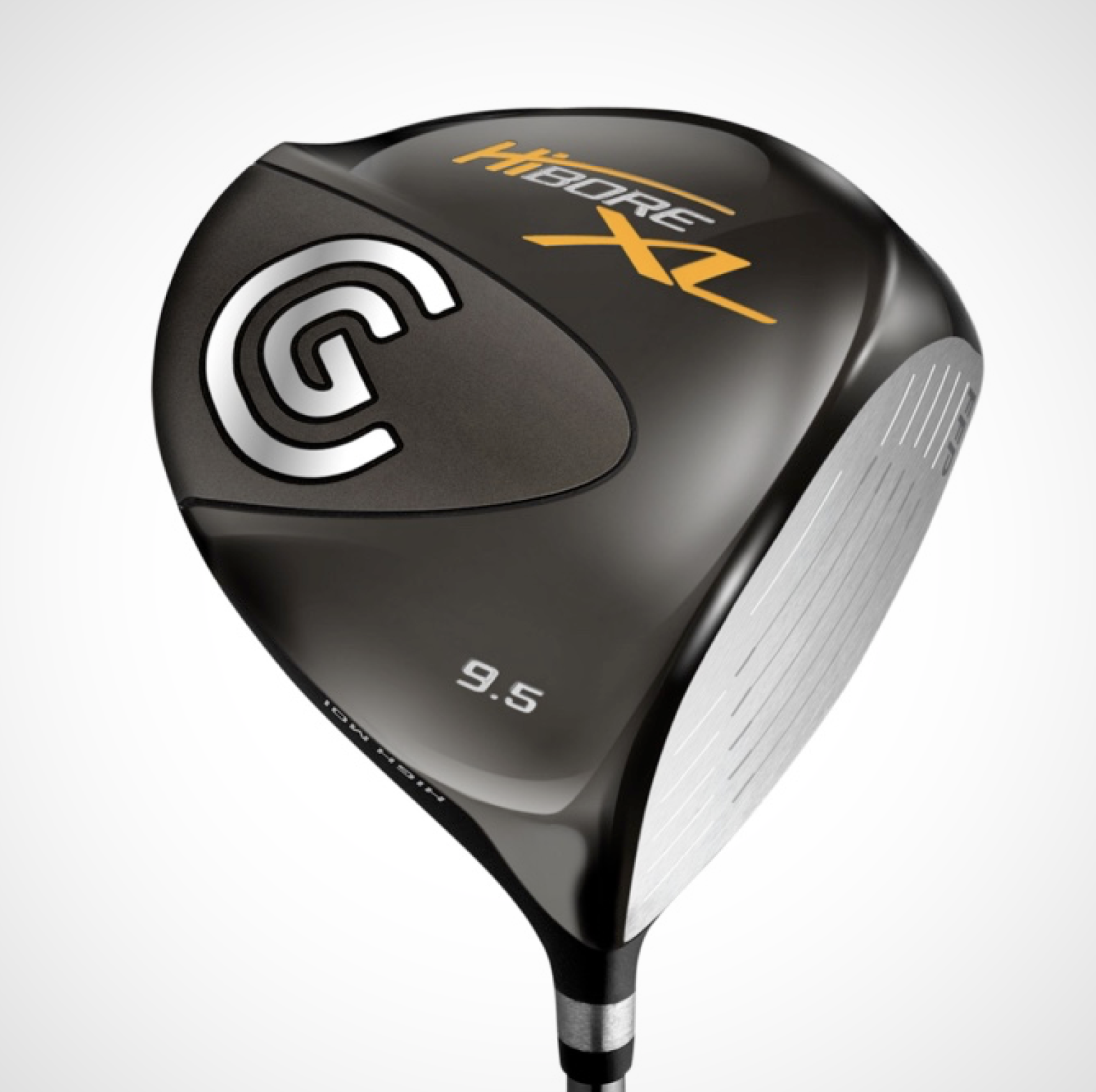
I have always been fascinated by product development, specifically the development of unconventional products. Now in the world of golf clubs, one of the most unconventional designs ever introduced was the Cleveland HiBore driver, which during its lifespan, experienced tremendous success through a number of generations, including the HiBore XL, XLS, and finally, the Monster XLS, which, as you may remember, hid the acronym “MOI” on the sole, alluding to its massive level of forgiveness.

As a golfer, I played the original HiBore, along with the XL Tour for a period of time and was always curious about the story behind the “scooped out crown.” In a search for answers, I reached out to Cleveland-Srixon to get the lowdown on the HiBore and discuss where it sits in the pantheon of drivers.

Ryan Barath: Considering how engineers are continuing to do everything they can to increase MOI and push the center of gravity low and deep in driver heads, it feels like the original HiBore and the subsequent models were well ahead of their time from a design perspective.
It makes logical sense the best way to save weight from the crown is to make the crown “disappear” compared to traditionally shaped drivers, am I correct in assuming that?
Cleveland design team: You nailed it.
At the time of the HiBore, there were really only two solutions to create a low and deep center of gravity:
-
- Make the crown lighter – by either replacing the crown with a lighter-weight material such as a graphite composite or magnesium or by thinning out the material on the crown. Thinner crowns were possible thanks to advances in casting technology and using etching techniques to remove material.
- Make the driver shallower – this change in geometry created a very forgiving low profile design, but the downside to this was that you ended up with a very small face that looked intimidating compared to the larger-faced drivers on the market.
The HiBore took a new approach and inverted the crown geometry so that all the crown weight was moved lower. By inverting the crown the HiBore design allowed for a very long and flat sole, therefore there was space in the head that was really low and deep to put the weight.
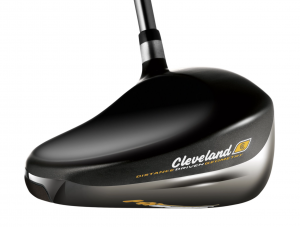
The HiBore was really the first driver to eliminate, or nearly eliminate the tapered skirt. Almost every modern driver in the market is inspired by the HiBore in that respect. It was a two-part solution where we lowered the weight of the crown and simultaneously created a low/deep location to put any extra mass.
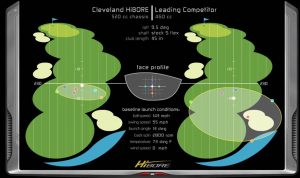
The lower and deeper CG of the HiBore improved launch conditions significantly, but also made the driver much more consistent across the entire face. The deep CG increased MOI resulting in tighter dispersion since the sweet spot was in the center of the face. Misses both low and high performed exceptionally as opposed to having a small hot spot high on the face.
RB: In every conversation I have ever had with engineers, there is always this give-and-take mentality from a design perspective to get to the final iteration. Was there anything that was given up or sacrificed for overall performance with this design?
Cleveland design team: The hardest part about the HiBore design was the sound. Prior to the HiBore, internal ribbing in a hollow golf club head was nearly unheard of. To make the HiBore sound acceptable, we had to design a ribbing structure to control the sound and design an entirely new manufacturing process to produce those internal ribs. To this day, most drivers include some form of internal ribbing to control sound or improve ball speed and that ribbing technology can be traced back to the HiBore.
In terms of tradeoffs, the major one was the low spin nature of the driver made it more difficult for low spin players to use. If a golfer is already low spin, this club would be too low and drives would just fall out of the air. Low spin golfers tend to be low spin because they hit the ball high on the face. Since we lowered the sweet spot, a high face impact was further from the sweet spot so ball speed fell as compared to a higher CG driver. Fortunately for us, in that era most golfers were fighting too much spin or way too much spin, this wasn’t a real issue.
RB: Do you have any final words on the HiBore drivers and the legacy they have left behind?
Cleveland design team: We are very proud of the HiBore driver family and the success it had at the time, but we are also proud of its legacy.
In the same way that you can trace nearly every modern band back to the Beatles or Led Zeppelin, you can trace nearly every modern driver back to HiBore either through the internal structure that is prolific across modern drivers, or the long, flat sole that is a must-have in a high-performance driver.




At GolfWRX, we are a community of like-minded individuals who all experience and express our enjoyment of the game in many ways.
It’s that sense of community that drives day-to-day interactions in the forums on topics that range from best driver to what marker you use to mark your ball. It even allows us to share another thing we all love – buying and selling equipment.
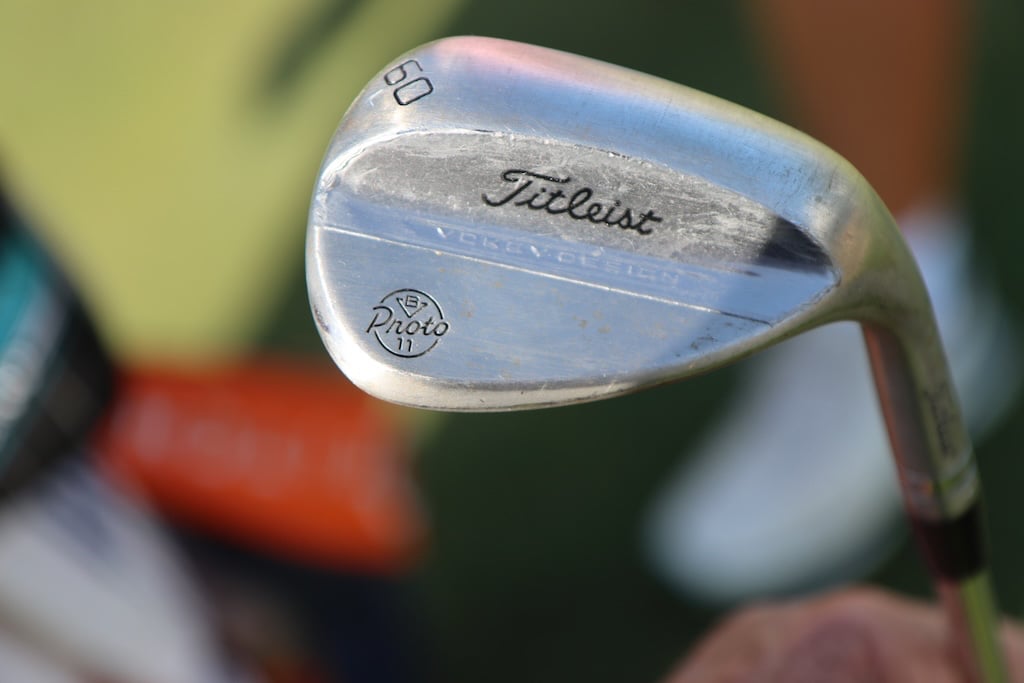
Currently, in our GolfWRX buy/sell/trade (BST) forum, @Putt4Dough is selling some prototype wedges from Vokey Wedgeworks. These include a 54 degree wedge with the M grind and a 60 degree wedge with a T grind.
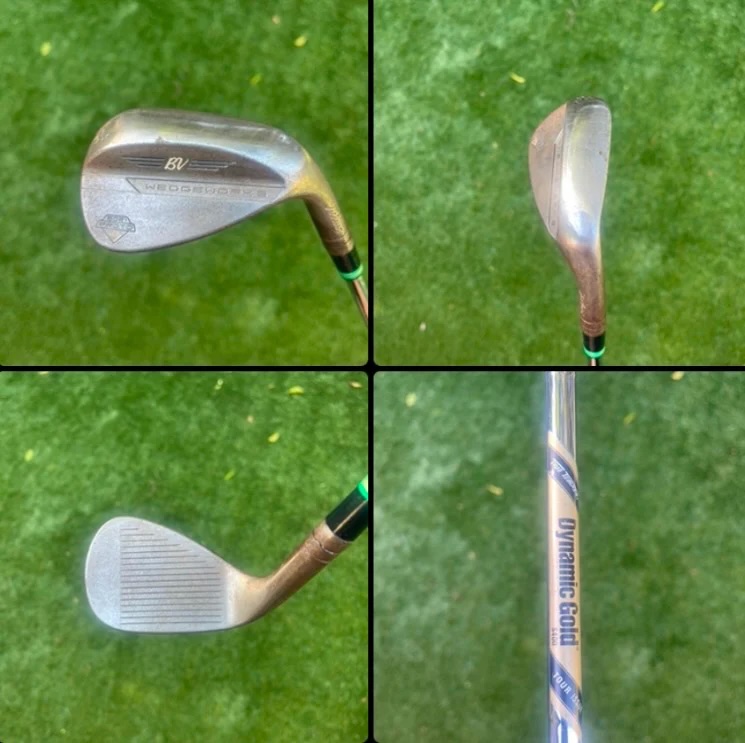
From the listing:
(1) Titleist Vokey Proto Wedge 54M with a Tour Issue DGS400 shaft and Golf Pride Tour Velvet (logo down). Standard length, lie, and loft. BB&F ferrule. Raw wedge in good condition. No initials. Price is $200 shipped. Buy both wedges for $380 shipped.
(2) Titleist Vokey Proto Wedge 60T with a KBS Tour 130X shaft and Golf Pride Tour Velvet. Standard length, lie, and loft. Raw wedge in good condition. No initials. Price is $200 shipped. Buy both wedges for $380 shipped.
To check out the full listing in our BST forum, head through the link. If you are curious about the rules to participate in the BST Forum, you can learn more here: GolfWRX BST Rules.
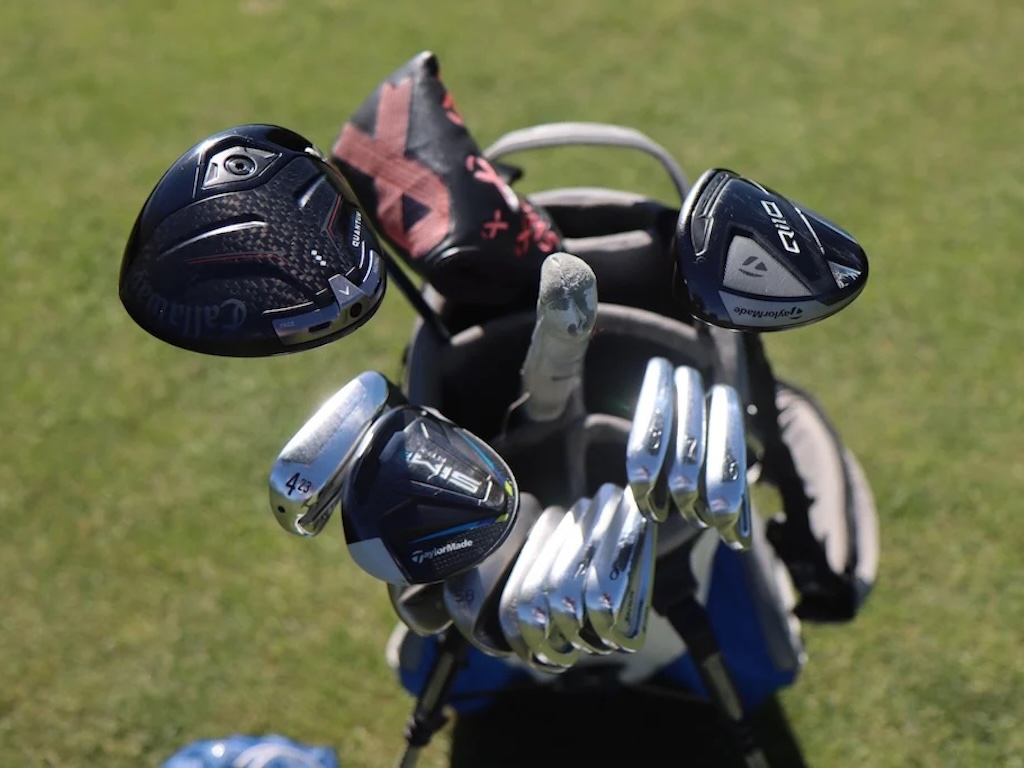
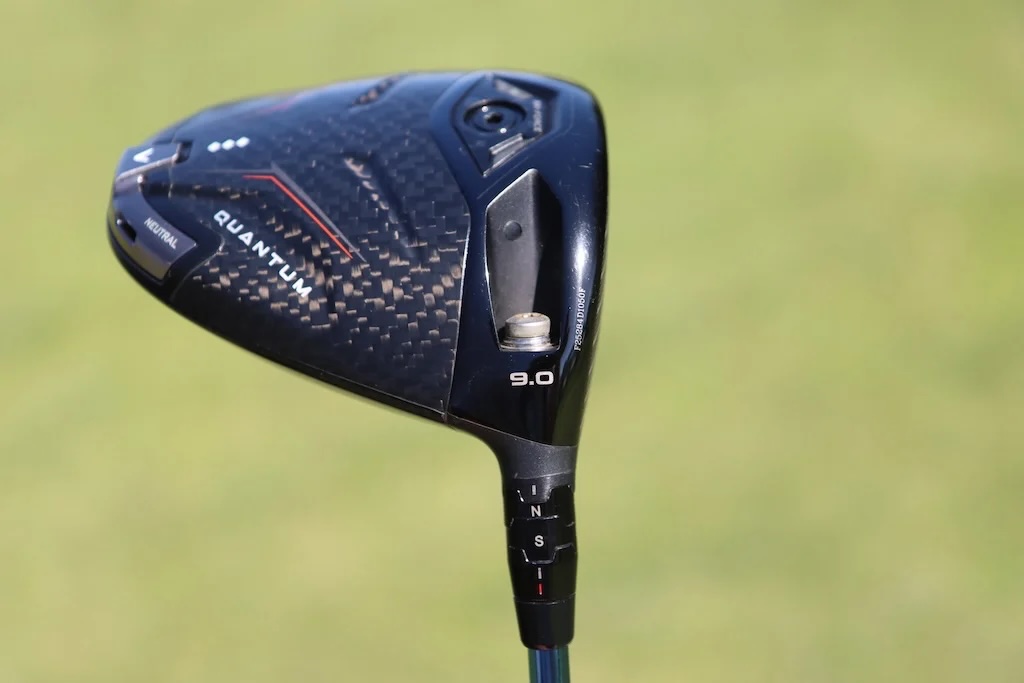
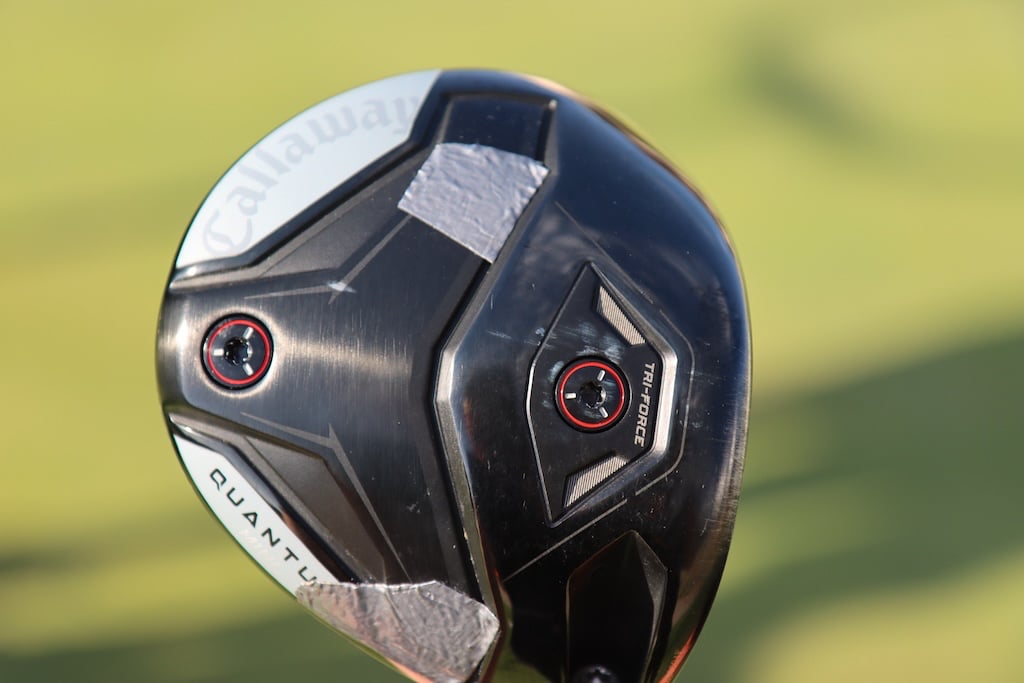
Driver: Callaway Quantum Triple Diamond (9 degrees)
Shaft: Project X HZRDUS Smoke Blue RDX 60 TX
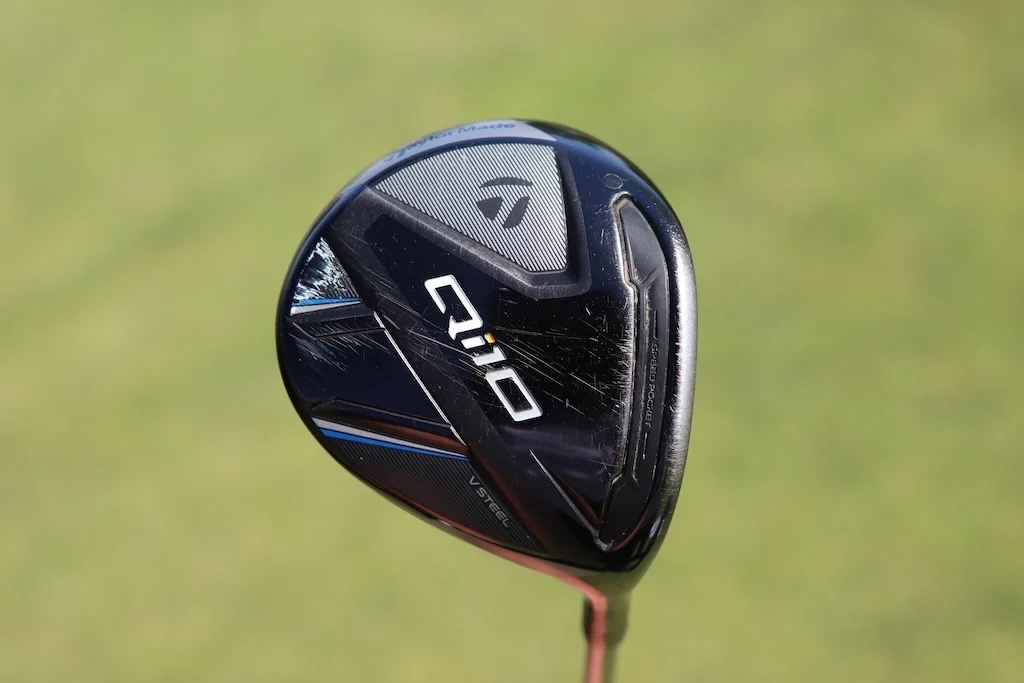
3-wood: TaylorMade Qi10 (15 degrees)
Shaft: Project X HZRDUS T1100 70 6.5
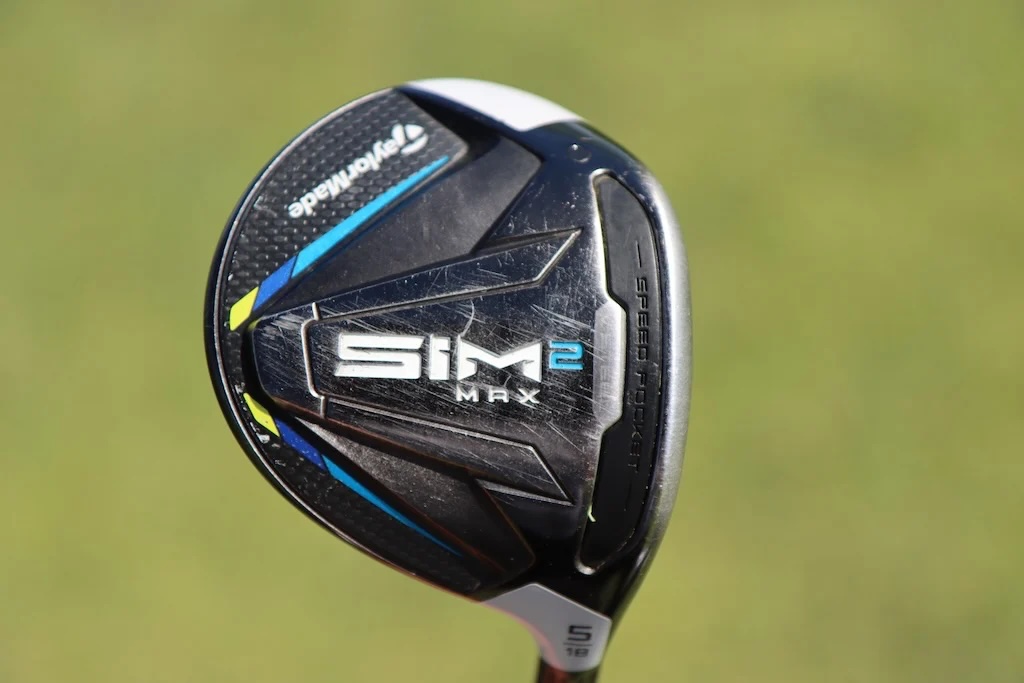
5-wood: TaylorMade SIM2 Max (18 degrees)
Shaft: Project X HZRDUS Smoke Black RDX 80 TX
Irons: Srixon ZXiU (23 degrees), Srixon Z785 MB (5-PW)
Shafts: Project X HZRDUS Smoke Black RDX 100 6.5 (4), KBS Tour 130 X
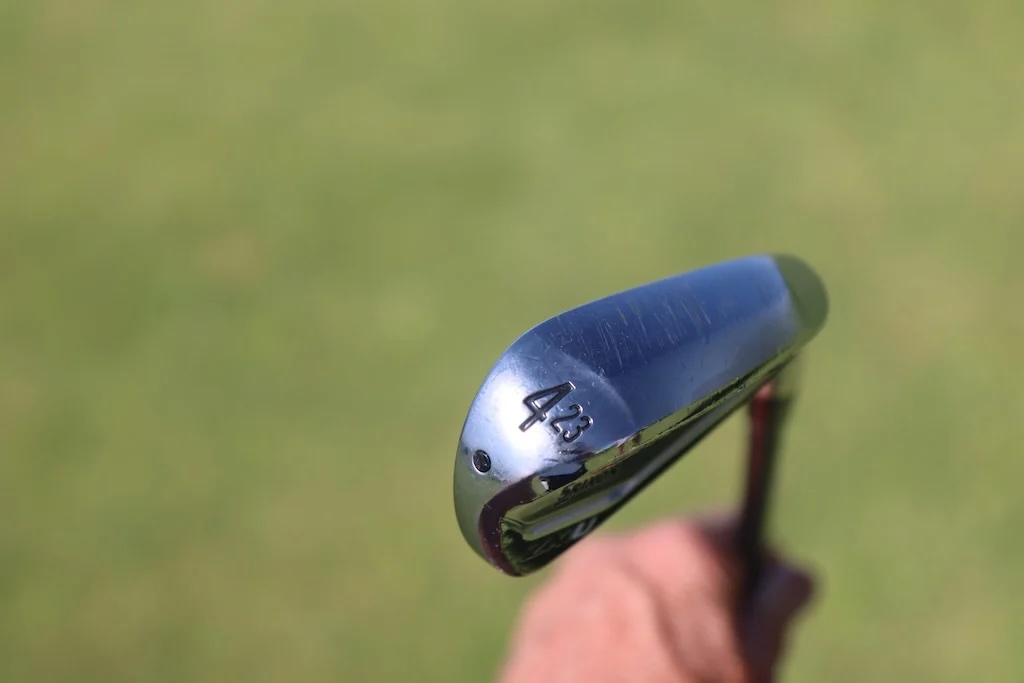
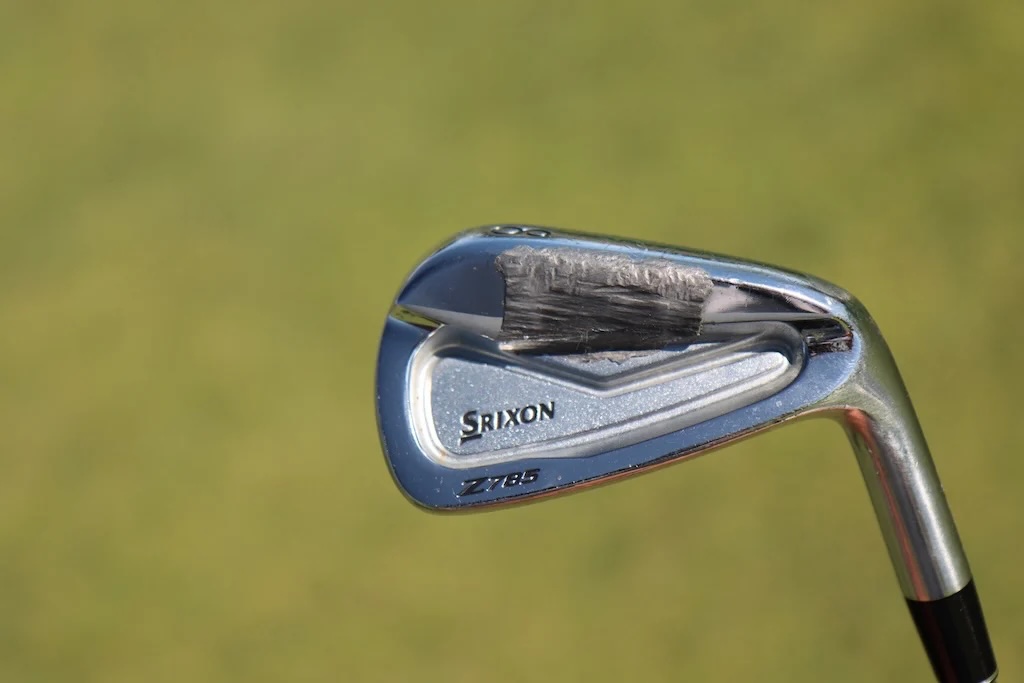
Wedges: Titleist Vokey Design SM11 (50-08F, 54-10S, 58-04T @59)
Shafts: KBS Tour 130 X
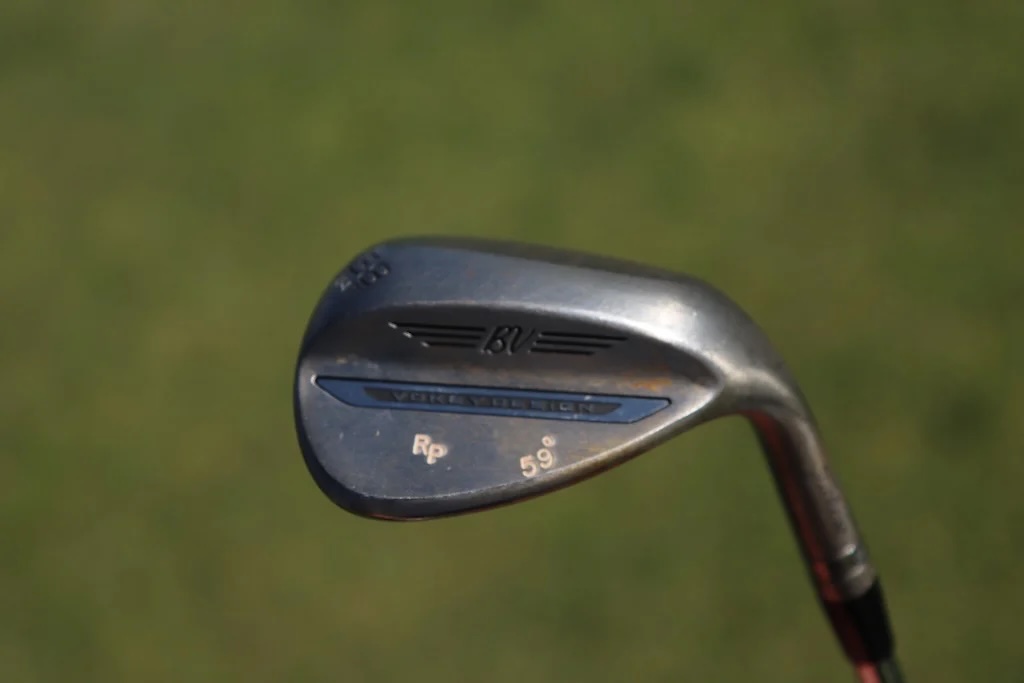
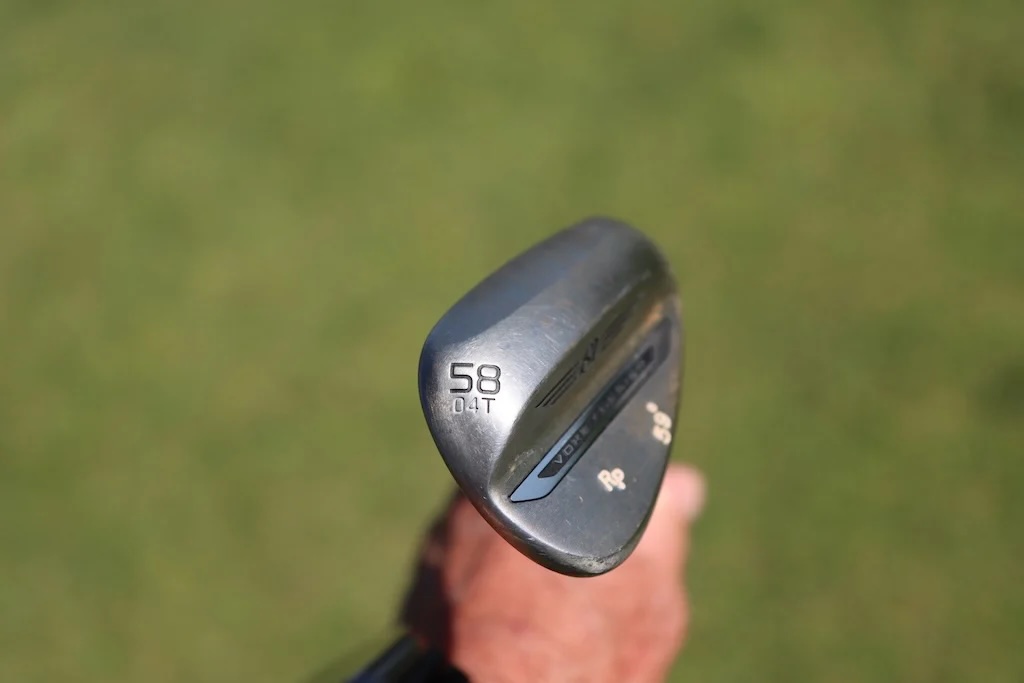
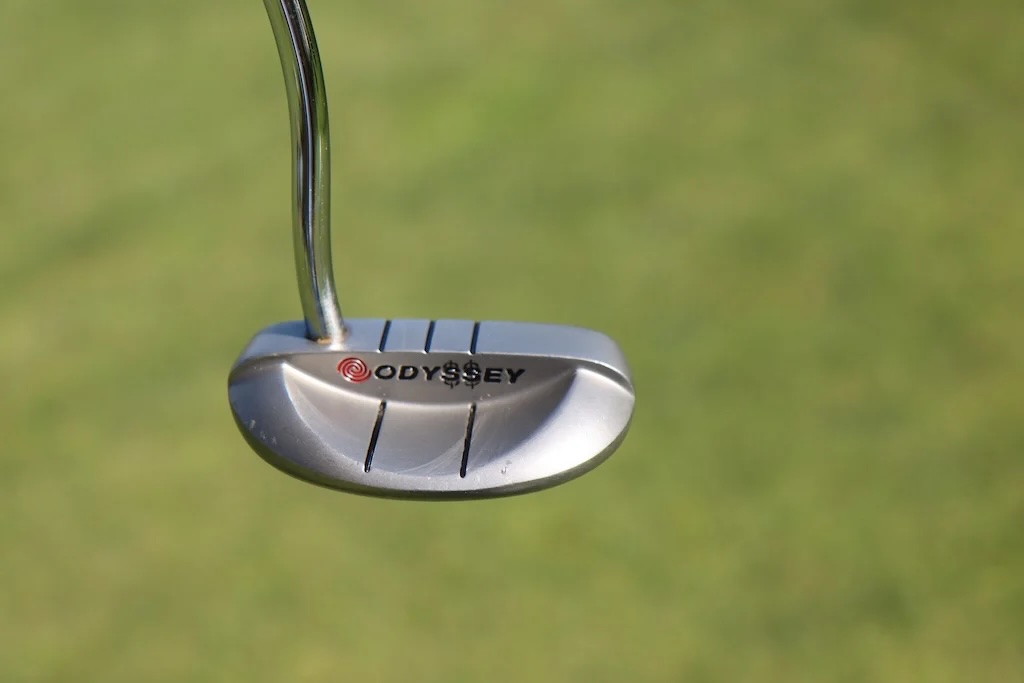
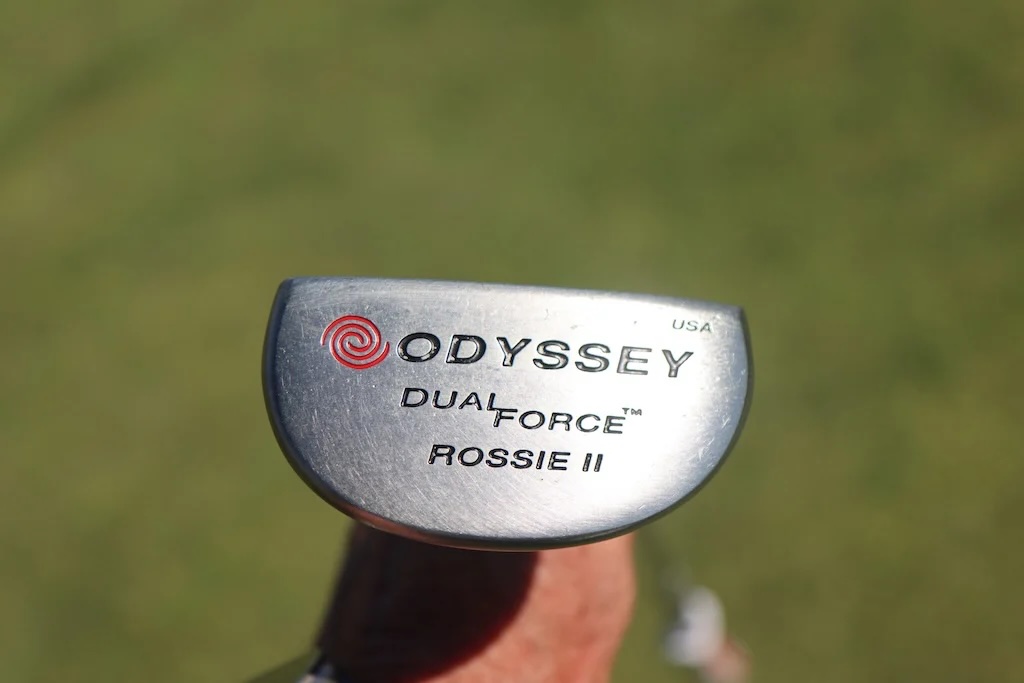
Putter: Odyssey Dual Force Rossie II
Ball: Titleist Pro V1x
Grips: Golf Pride Tour Velvet


This week, we have our Tour Photographer, Greg Moore, on the ground at the OccuNet Classic at Tascosa Golf Club in Amarillo, Texas, for the 14th event of the 2026 Korn Ferry Tour season. With that, we see some great things in the Lead Tape Report as we roll into Amarillo.
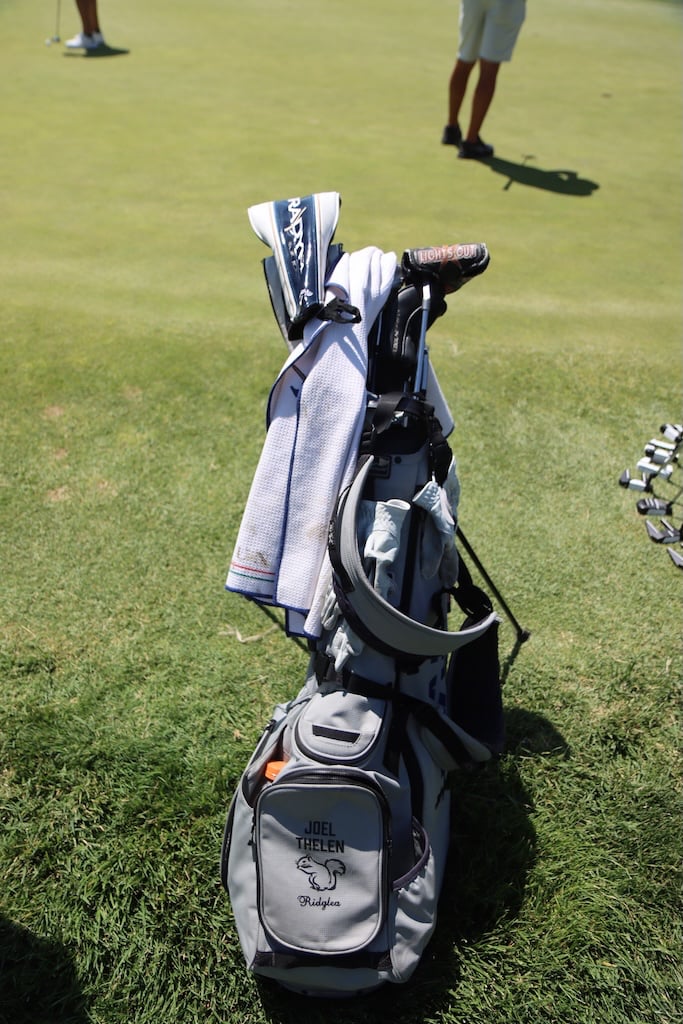
Joel Thelen
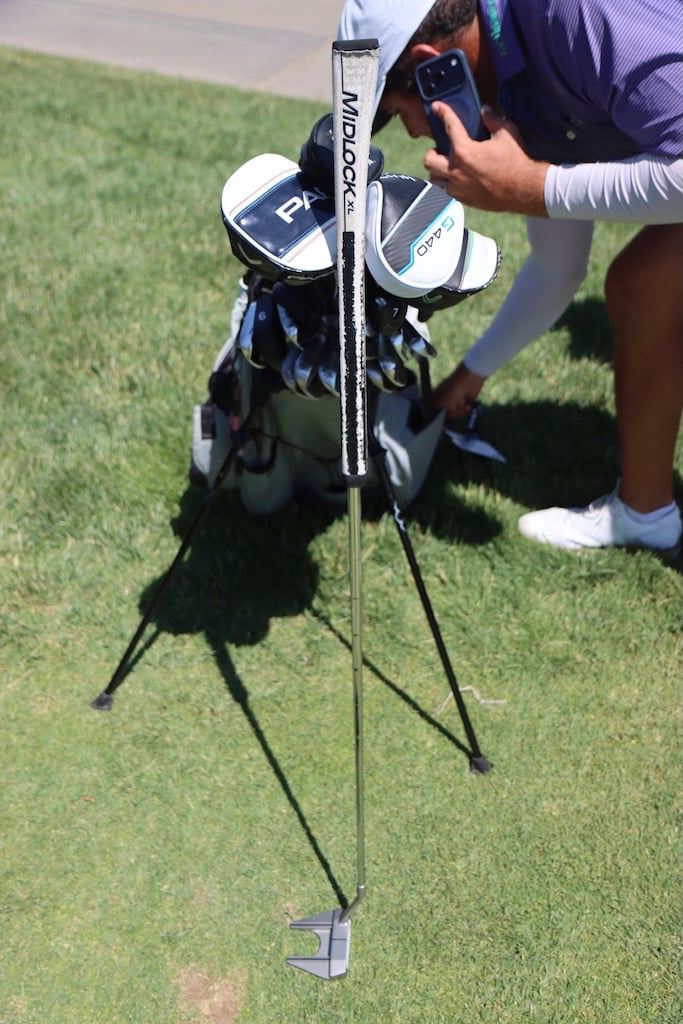
Monday Qualifier, Joel Thelen is in the field this week. He has played on the Korn Ferry Tour for a full season in 2023, and he is back in action this week. A couple of clubs caught my eye this week in his bag.
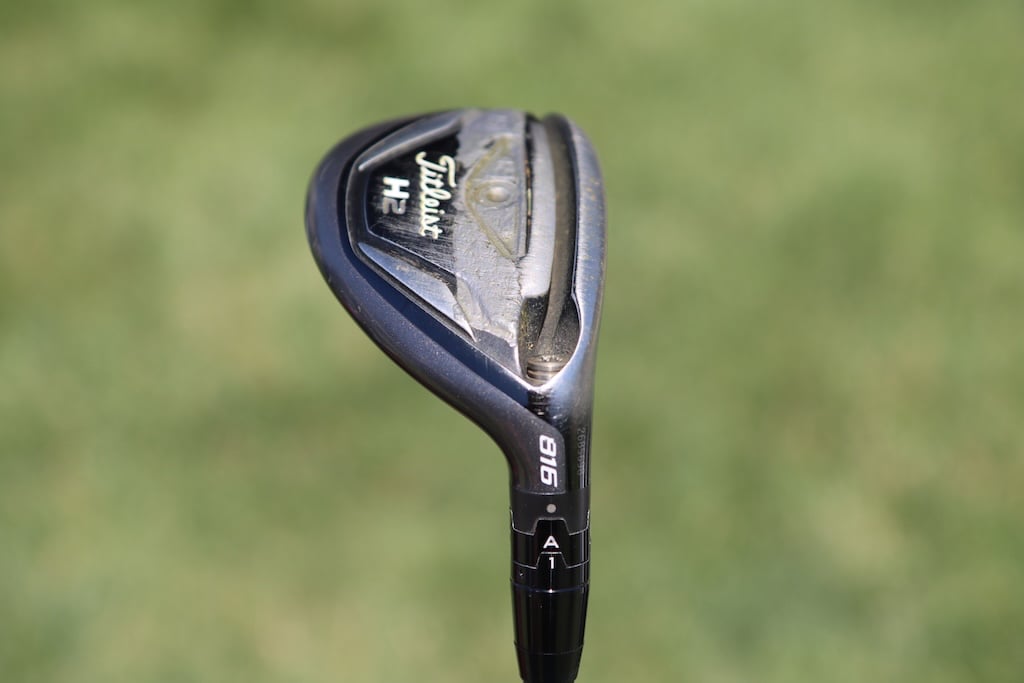
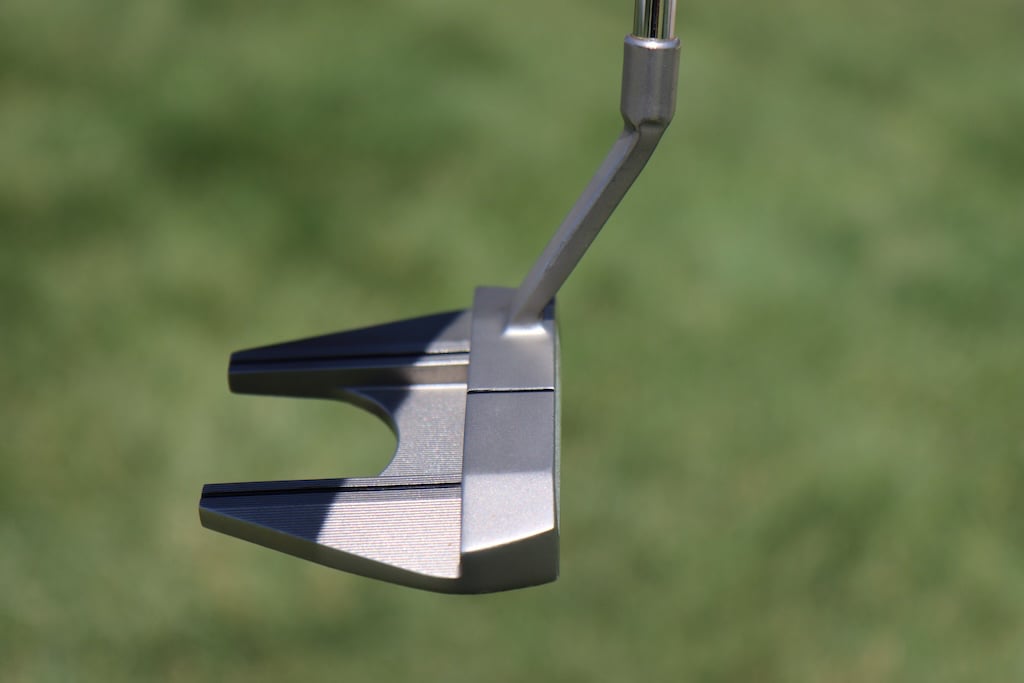
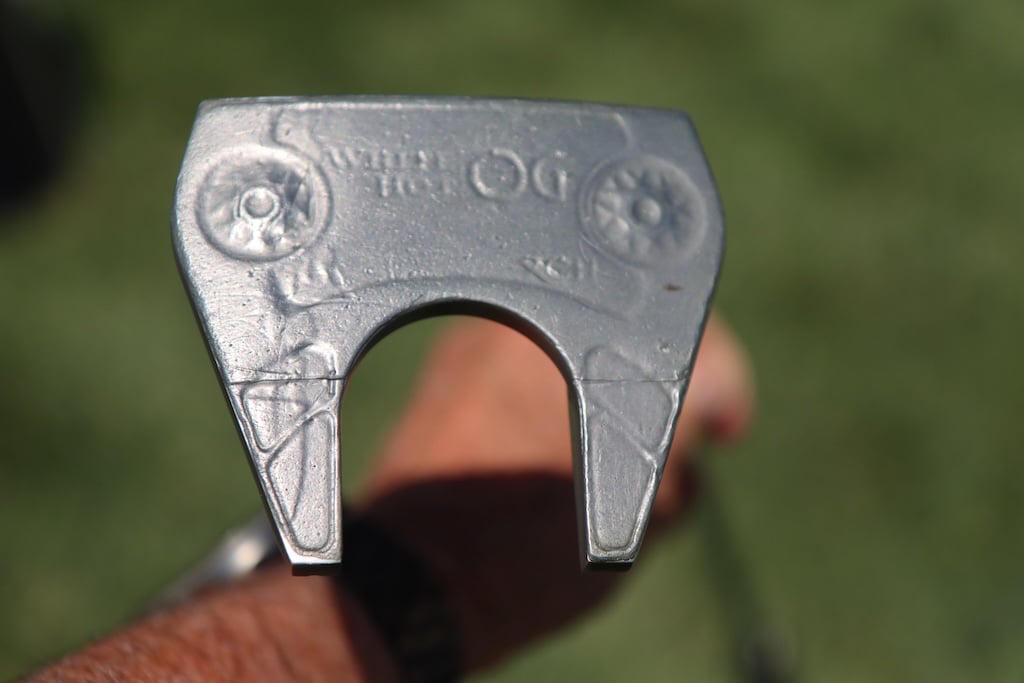
First off: His trusted Titleist 816 H2 hybrid. This club came out in October of 2015, and it still remains strong in the bag. Also, take a look at this Odyssey White Hot OG 7, putting a capital S in the 7S model. This custom neck has some impressive lean for an arm-lock-style putter. The bottom of the putter is covered in tape for optimal weighting.
Mitchell Meissner
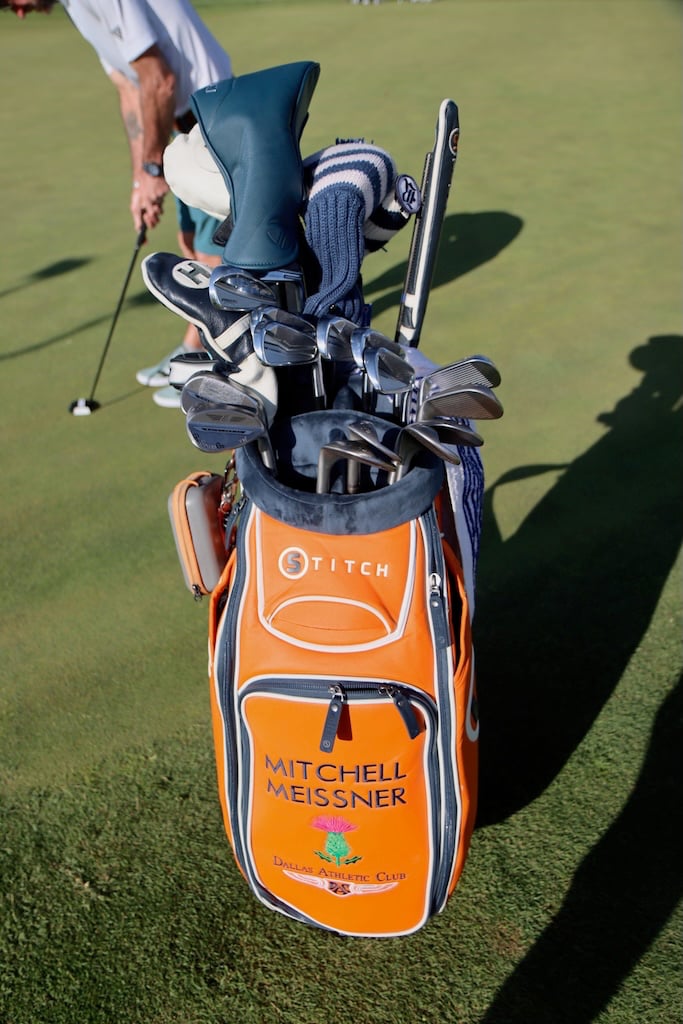
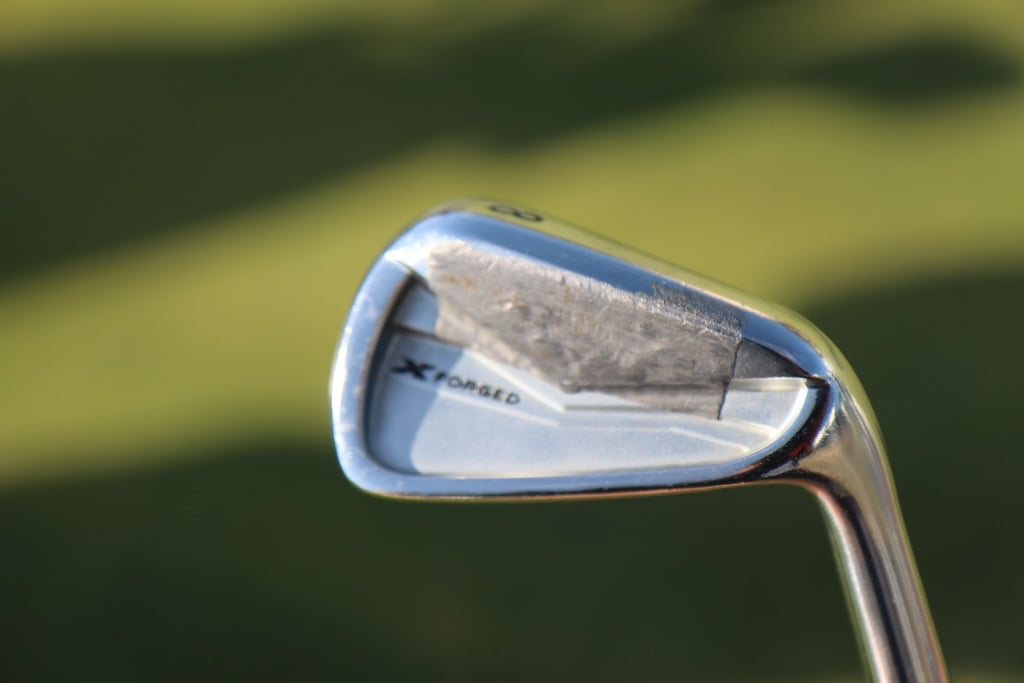
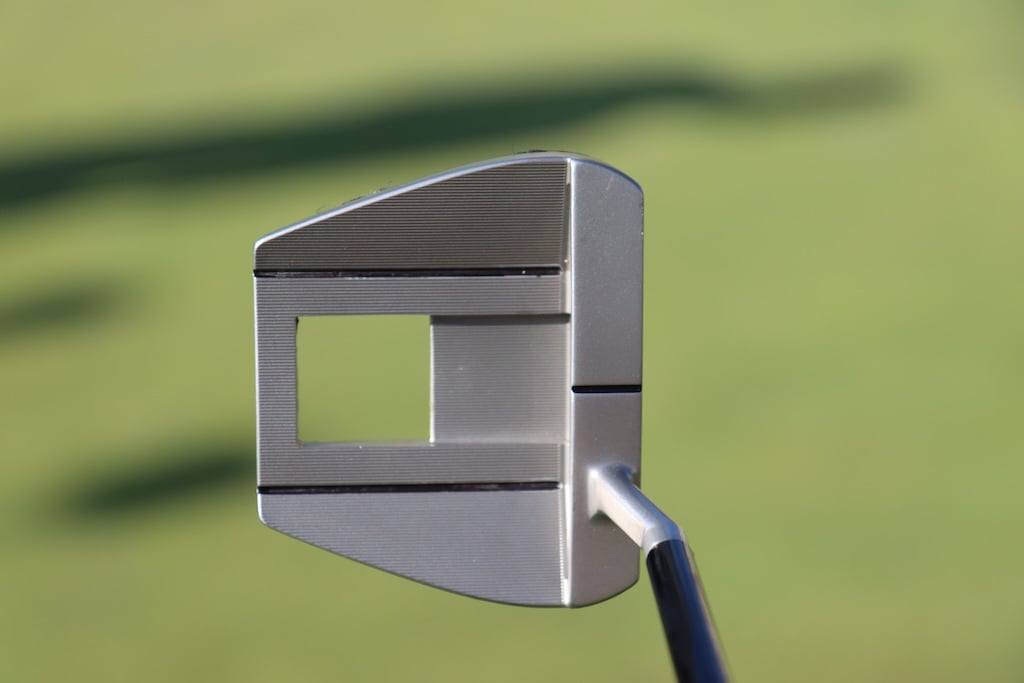
Taking a look at Mitchell Meissner’s bag this week, we have some great lead tape coverage. Top to bottom working from fairway metals, irons, and wedges. We can see on the short irons and wedges that there is tape at the base of the grip, adding a little counterbalance. Along with that, some tape on the short irons and wedges as well. Moving to his putter, he rolls the Odyssey 7 Bird putter. Meissner putts left-handed and strikes the ball right-handed.



Justin Rose WITB 2026 (April): Full WITB breakdown with new McLaren irons

What’s the story behind Webb Simpson’s custom-stamped irons?

Memorial Tournament Tour Report: Rory McIlroy, Cameron Young switch up drivers, and more

Cadillac Championship Tour Report: Spieth’s sizable changes, McLaren Golf launches, and more

Russell Henley’s winning WITB: 2026 Charles Schwab Challenge

Kristoffer Reitan’s winning WITB: 2026 Truist Championship

Best irons 2026: Best irons overall, most forgiving irons, and more

J.T. Poston’s winning WITB: 2026 Memorial Tournament

Aaron Rai’s winning WITB: 2026 PGA Championship

Cameron Young’s winning WITB: 2026 Cadillac Championship


Ryan Palmer WITB 2026 (June)
Driver: Callaway Quantum Triple Diamond (9 degrees) Shaft: Project X HZRDUS Smoke Blue RDX 60 TX 3-wood: TaylorMade Qi10 (15 degrees) Shaft:...


Bud Cauley WITB 2026 (June)
Bud Cauley had >14 clubs in his bag when photographed prior to the Memorial Tournament. Driver: Titleist GTS2 (8 degrees) Shaft: Fujikura...


Hannah Green WITB 2026 (June)
Driver: Titleist GTS3 (10 degrees, D4 SureFit setting) Shaft: Mitsubishi Chemical Diamana RB 53 S 3-wood: Titleist GT3 (15 degrees,...


Asterisk Talley WITB 2026 (June)
Driver: TaylorMade Qi4D (9 degrees) Shaft: Fujikura Ventus Blue 6 S 3-wood: TaylorMade Qi4D (16.5 degrees) Shaft: Fujikura Ventus Blue...
-
 Equipment6 days ago
Memorial Tournament Tour Report: Rory McIlroy, Cameron Young switch up drivers, and more
-
 News2 weeks ago
Russell Henley’s winning WITB: 2026 Charles Schwab Challenge
-
 Equipment3 days ago
Best irons 2026: Best irons overall, most forgiving irons, and more
-
 Whats in the Bag4 days ago
J.T. Poston’s winning WITB: 2026 Memorial Tournament
-
 Equipment1 week ago
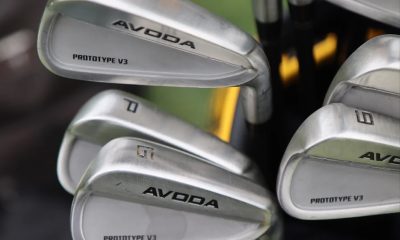
Details on Jason Day’s latest prototype Avoda iron setup
-
 Equipment3 weeks ago
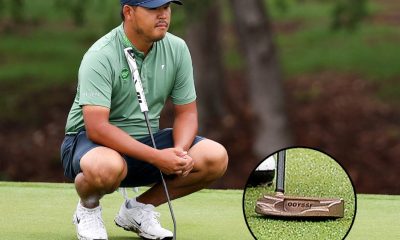
CJ Cup Byron Nelson Tour Report: Koepka and Kim’s newest putters finally get hot
-

 News2 weeks ago
Charles Schwab Challenge Tour Report: MacIntyre, Åberg and Spaun all switch putters, TaylorMade launches new Spider
-
 Equipment2 weeks ago
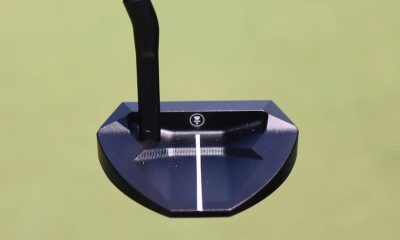
Details on J.J. Spaun’s surprise putter switch


ChipNRun
Apr 5, 2021 at 12:04 am
I went for my first true driver fitting in 2008. My driver at time was an Air Zevo 9.5* with a stiff shaft. I was starting to lose distance.
I hit about eight drivers that day (before adjustable shafts came on strong). The finalists ended up being the Cleveland HiBore XL (the picture at top of article) and the Callaway HyperX Tour, both in 10.5* loft.
The launch numbers were the same, but the Callaway won out for ease of set-up (face 1* open). But, the HiBore was a tight second place.
Marc
Apr 4, 2021 at 8:11 am
Loudest driver ever.
I have hearing loss from hitting it under a canopy.
Brandon
Apr 4, 2021 at 11:36 am
I can attest to that. Got some really funny looks hitting the XLS in a enclosed range.
Cleveland's Biggest Fan
Apr 4, 2021 at 3:42 am
Several of my Kids played and won events with the Hi Bore. It is still one of my all time favorite drivers. Although I do have an original and a couple of the XL and XL Tours, I stashed about 5 of the XLS in different lofts. Cleveland – PLEASE COME OUT WITH AN UPDATED ADJUSTABLE VERSION.
Greg V
Apr 3, 2021 at 1:06 pm
HiBore 2-wood was a real winner. My daughter still plays hers.