
Equipment
The story of Nickent Golf: From breakthroughs to bust

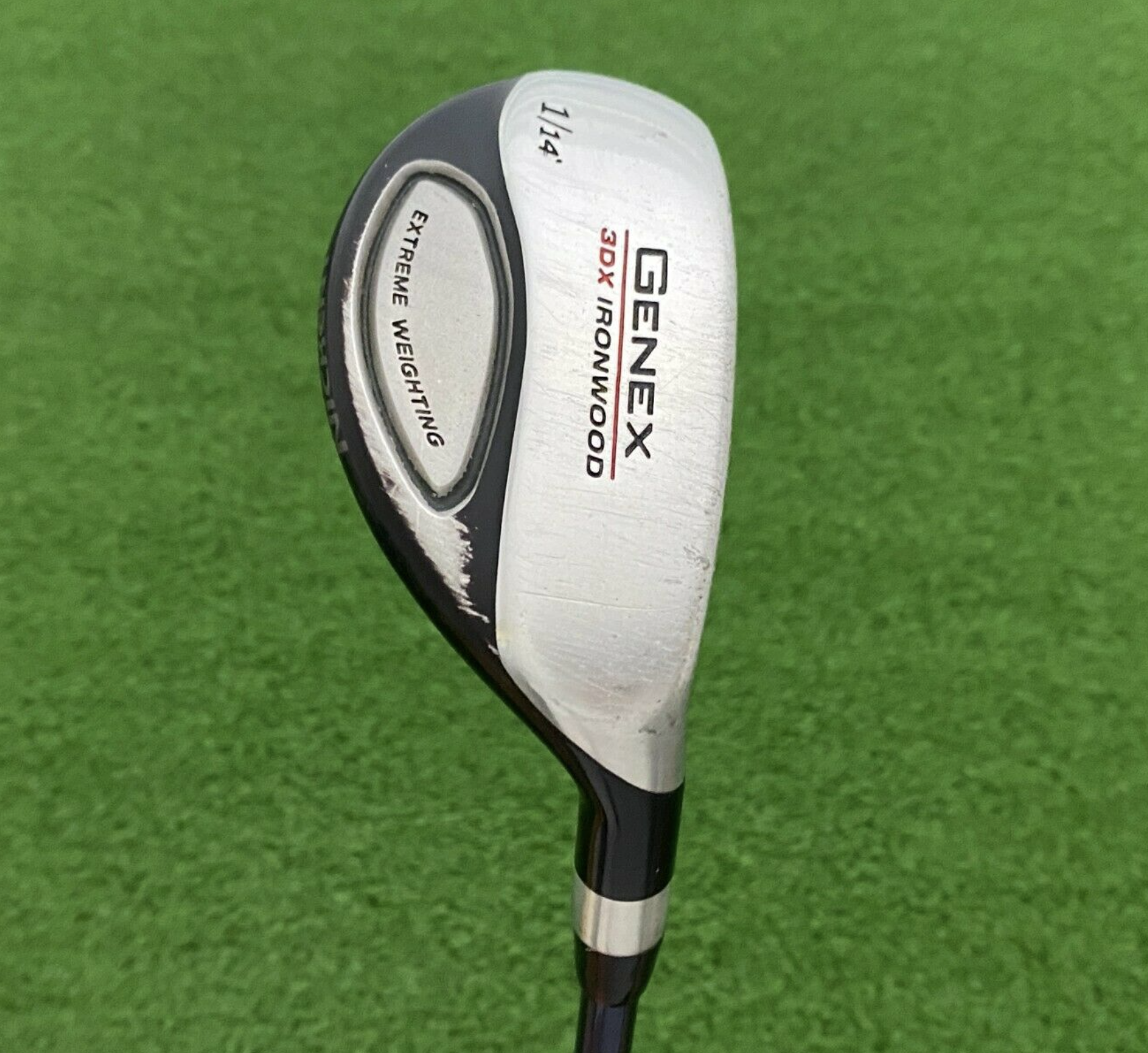
The golf equipment business is full of companies that have come and gone.
For some, it was quick—“Mac Burrows,” anyone?—and for others, it was a slow decline with some of the best examples being Ram and Founders Club (Remembering golf’s forgotten big brands).
But when it comes to “what could have been” in the golf industry, to me there is one company that stands out above the rest in the modern equipment business: Nickent.
From the very beginning
Our story begins with Nickent playing the part of an entry-level custom “clone” brand—but this era didn’t last long.
Although it’s difficult to put an exact date to it, Nickent quickly changed its tune and started creating its own original designs. That’s when things really started to take off for the company. The first line was under the Genex Cross name, and then soon after the 3DX was launched, which included the famous Genex Ironwood—one of the finest hybrids of all time.
As much as Adams gets well-earned credit for pioneering the modern hybrid to the mainstream market, Nickent was right there around the same time—and its designs appealed to both better players and higher handicaps alike.
Overall, the clubs weren’t flashy, but they worked, and beyond the designs, they also found a sweet spot in retail at a price point just below where the big OEMs played, while still offering great performance. I can distinctly remember working golf retails when Nickent was at its peak and for those players who wanted new clubs, Nickent was a go-to brand that offered hundreds of dollars in savings compared to the major players.
So how did they do it at a lower price point?
Behind the Nickent design curtain
The keys to any club’s performance starts with a great design ( shocking right?), and Nickent had a little secret weapon up its sleeve—John Hoeflich. I realize this name is unknown to many people, but John is an industry veteran and was the person behind the second most famous iron of all time: the Tommy Armour 845 (with number one being the Ping Eye2). John was also the designer behind another extremely popular iron, the TaylorMade RAC LT.

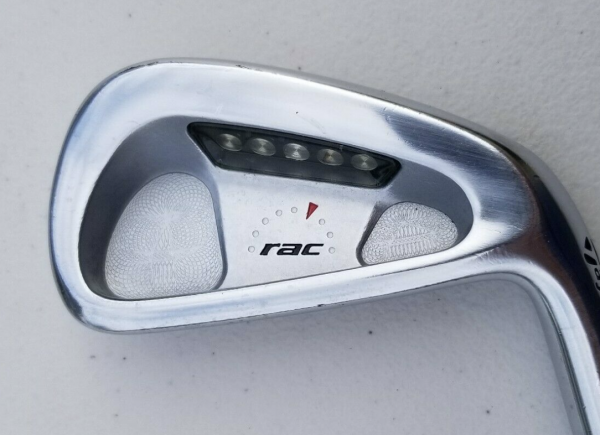
John was brought aboard by Michael Lee, the founder, and owner of Nickent. The smaller team allowed them to be nimble in the market and also kept the cost low, which was passed down to the consumer. They had a small tour presence which helped to create buzz; Jim Furyk was among the early adopters, but beyond that, it was print media and word of mouth through retail channels that helped Nickent quickly grow.

The most noted irons produced by Nickent were the forged 3DX Pros, and what set them apart on the retail level, beyond their looks and price, was the stock shaft offering—the Nippon NS Pro 1180. Most “players irons” at the time still came stock with heavier shafts designed to lower ball flight but the lightweight Nippon offered a stable yet easier to hit option players loved—and that lead to sales!
Nickent innovations
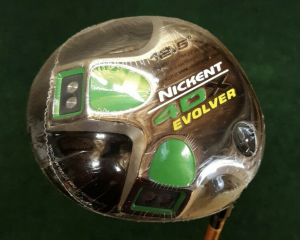
Nickent wasn’t afraid to innovate the industry and try new things—it’s one of the benefits the smaller company had.
“The exciting thing about Nickent is that we dont have to be afraid to try anything and the chain of command is very short! Our creativity isn’t stifled by big corporate business blockades, we are not risk aversive, we dont have to protect 30% market share, so we can do whatever the heck we want as long it is a quality product and people like it.”
– John Hoeflich (2005 Golf Channel interview)
They had hybrids that utilized multi-material construction along with forged irons with vibration dampening cavity inserts (3DX and 4DX pro irons), but the two biggest innovations they brought to the mainstream market before their demise still have design relevance today—the ARC blades and the 4DX Evolver driver

ARC Blades
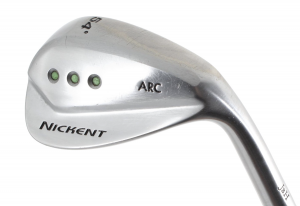
ARC stood for “Active Rebound Core,” and the ARC blades could be credited as one of the first modern true hollow “players” irons. There was even a point when Bubba Watson played an ARC lob wedge.
4DX Evolver driver
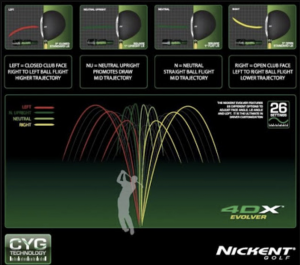
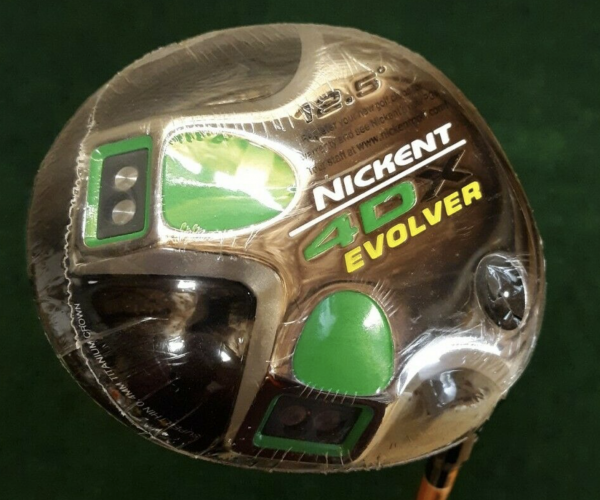
The 4DX Evolver was the first 460cc adjustable hosel driver and came with two interchangeable shafts when you bought it.
The driver even led to a small lawsuit with TaylorMade when Nickent ran an aggressive print ad claiming the 4DX was the “Number 1 driver on tour.” The ad featured an asterisk noting it was the Number 1 driver model at a Nationwide Tour event but it created enough heat at the time TaylorMade decided to step in—from memory the lawsuit never really went anywhere.
*for some reason, this is the kind of stuff is seared into my memory
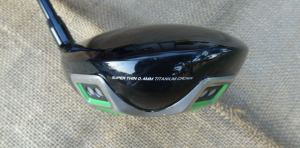
The 4DX’s construction was impressive beyond just the adjustability and touted 0.4mm thick crown—a number that is still impressive by today’s standards.
But even with all the technological breakthroughs and growing tour staff, it wasn’t long before Nickent’s eventual demise.
So what really ended it?
As a smaller company, Nickent’s death was attributed to a number of culminating events, with the biggest being something it had no control over—the 2008 financial crash. That market decline was the final nail in the coffin.
Leading up to 2008, Nickent was growing fast, and ownership was ready to take the company to the next level and make it “one of the big guys.” It made a substantial investment on the PGA Tour into staff players—including former U.S. Am Champ Jeff Quinney along with Tim Petrovic—as well as investing in a state-of-the-art tour trailer.
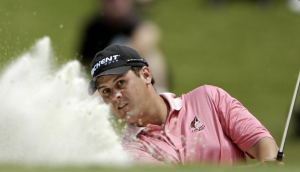
To accomplish all of this Nickent took on debt, both for marketing and inventory to cover the expected sales growth numbers. Unfortunately, the rising costs were too much of a burden for the smaller company and its single financial backer, and when club sales dried up in 2008 and the industry slowed down over the next few years, it was too much all at once. In May of 2009, Nickent went into receivership, and that was that—the beginning of a steep decline for Nickent.
The brand was eventually bought and turned into a house brand for Golf Galaxy, but it only lasted a few more years before being shelved entirely.




Equipment
Then and now: Comparing Rory McIlroy’s current setup to his record-breaking 2019 Canadian Open victory

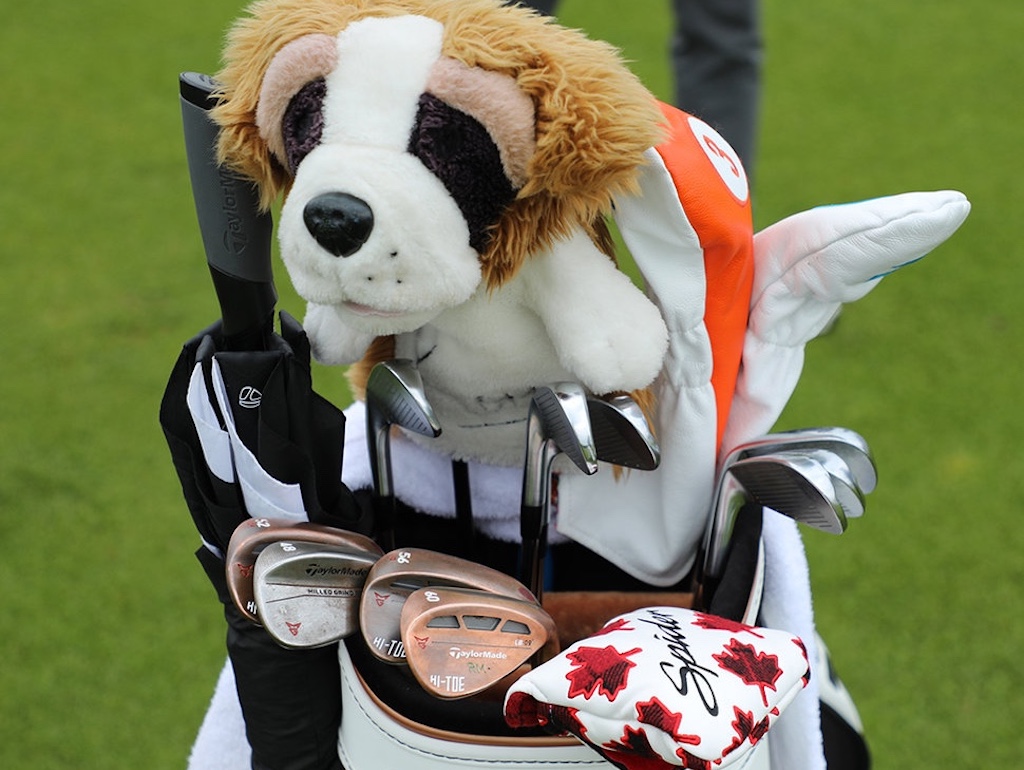
In Rory McIlroy’s first appearance at the 2019 RBC Canadian Open, he crushed the record books to earn his 16th PGA Tour title in dominating fashion, winning by seven shots over Shane Lowry and Webb Simpson.
McIlroy’s score of 22-under-par 258 is the lowest 72-hole score to date at the Canadian Open, and his closing 61 is also the best final-round score in the history of one of golf’s oldest tournaments. Finally, with his win in 2019, McIlroy became only the sixth player to win the career Triple Crown, adding to his victories at the U.S. Open in 2011 and The Open Championship in 2014, joining Tommy Armour, Walter Hagen, Arnold Palmer, Lee Trevino and Tiger Woods in a coveted list.
So, with that, why not compare his current setup to the clubs he used to break all the records?
Driver
2019: TaylorMade M5 (9 degrees), Shaft: Mitsubishi Tensei CK Pro White 70 TX
2026: TaylorMade Qi4D (9 degrees @8), Shaft: Fujikura Ventus Black 7X (45 5/8 inches)
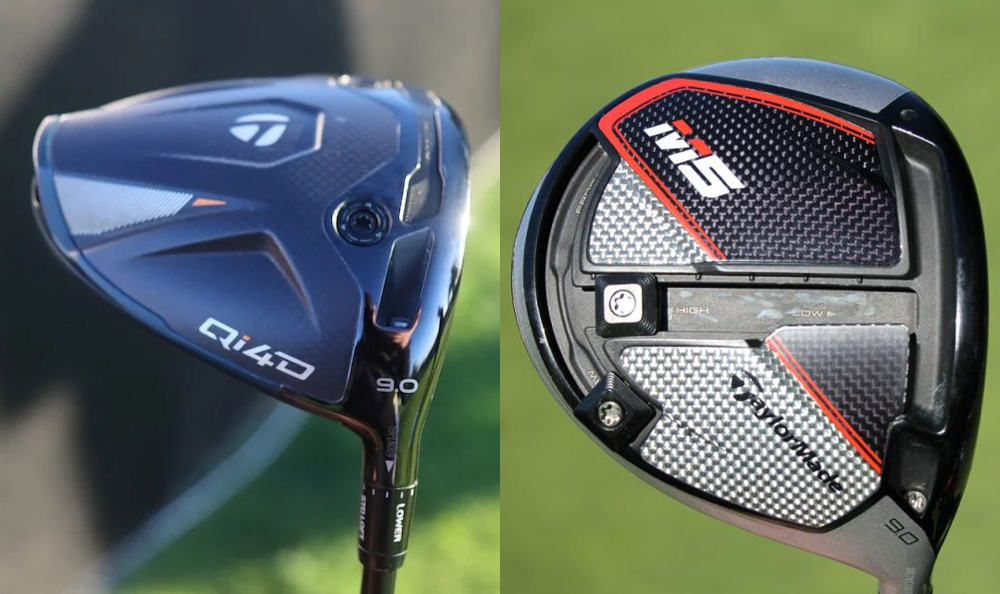
McIroy led the Tour in Strokes Gained: Off-the-Tee in 2019; he’s doing the same in 2026. Between now and then, McIlroy has switched from the Mitsubishi Tensei CK Pro White 70 TX (a shaft with slightly more feeling in the tip) to the original Fujikura Ventus Black 7X, having just made the change to the heavier version from playing the 60X.
What’s interesting about McIlroy’s 2019 setup is that the weighting on his driver is actually set in the high-draw setting, using the T-Track weighting system, whereas in the Qi4D, he’s currently using a heavily rear-weighted setup. (Two 13-gram weights in the rear and only two 4-gram front weights.)
The TaylorMade M5 driver he played in during his Canadian Open win was the company’s first head that they claimed to design to initially exceed the USGA’s COR limit, and then injected with tuning resin to bring it back in bounds.
Fairway woods
2019: TaylorMade M6 3-wood (15 degrees), Shaft: Mitsubishi Tensei CK Pro White 80 TX; TaylorMade M5 5-wood (19 degrees), Shaft: Mitsubishi Tensei CK Pro White 90 TX
2026: TaylorMade Qi4D 3-wood (15 degrees), Shaft: Fujikura Ventus Black 8X; TaylorMade Qi4D 5-wood (18 degrees), Shaft: Fujikura Ventus Black 9X

The TaylorMade M6 fairway wood that McIlroy was using during the 2019 season is still in the bag of some of the best golfers on Tour in 2026. Just check out Justin Rose’s winning setup from the Farmers Insurance Open earlier this year. This year, though, McIlroy has still been searching for his top-end-of-the-bag setup, having played both the new Qi4D and the Qi10, which he won the Masters with.

The same shaft swap can be seen in the fairway woods as the driver, along with slightly less loft on the 5-wood.
Irons
2019: TaylorMade P750 (4) Buy here, TaylorMade P730 (5-9), Shafts: Project X 7.0
2026: TaylorMade P760 (4), TaylorMade Rors Proto (5-9), Shafts: Project X 7.0

The biggest difference between McIlroy’s custom set and the stock P730s is the groove design. While the P730s were constructed with 14 MX-9 grooves on their milled faces, McIlroy’s proto heads instead use the higher-spinning, 16-groove layout of the TW2 grooves. Other big differences between the sets are that McIlroy’s 7- and 8-irons have thinner toplines, are 1 degree stronger in loft, and are 1/4 inch longer than the original P730 builds.
With McIlroy’s 4-iron, the switch from P750 to P760 sees a transition to a two-piece construction with Speed Foam in it, which allows McIlroy to launch the ball slightly higher, with more workability.
Wedges
2019: TaylorMade Milled Grind (48-09SB), TaylorMade MG Hi-Toe (52-09SB, 56-09SB, 60-LB09), Shafts: Project X Rifle 6.5
2026: TaylorMade MG5 (46-09SB, 50-09SB, 54-11SB, 60-08LB @61), Shafts: Project X 6.5 (46-54), Project X 6.5 Wedge (60)

Between 2019 and 2026, McIlroy’s focus on his short game has been much more apparent. It was the reason why he switched back to the TP5 golf ball, to help with launch, spin and control with his wedges leading up to his career Grand Slam victory in 2025. The most apparent changes to McIlroy’s wedge setup are his lofts and bounce. He’s slowly delofted his pitching to a sand wedge, but has increased the loft on the lob wedge, bending his current 60-degree to 61. With that, adding more loft to his lob wedge also slightly increases the bounce and leading-edge sit point, so, as a result, he plays a lower-bounce lob wedge compared to 2019. The MG5 wedges are also softer than the first Milled Grind option from 2019. McIlroy also no longer plays the full-face grooves found on the Hi-Toe.
Putter
2019: TaylorMade Spider X
2026: TaylorMade Spider Tour X
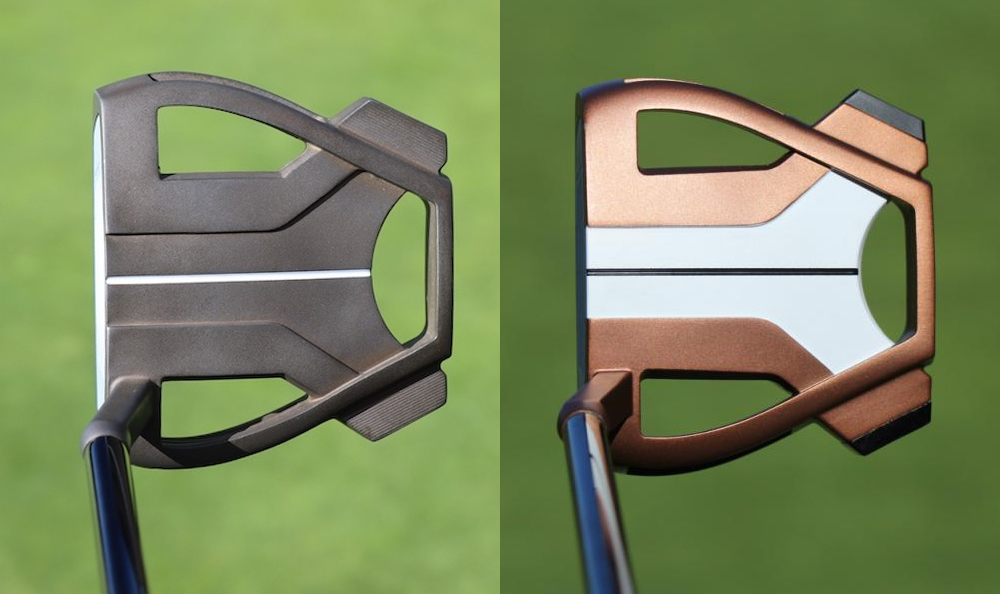
Notice anything similar. Yes, the copper finish on Rory McIlroy’s Spider X putter in 2019 is a slightly more reflective finish than the recently released torched PVD finish. McIlroy was using the True Path alignment system, but now uses only a single white sightline.
Ball
2019: 2019 TaylorMade TP5 (#22)
2026: 2025 TaylorMade TP5 (RORS)
As mentioned above, McIlroy had transitioned from the TP5 to TP5x golf ball since his victory in Canada in 2019, but now is black with the same style of golf ball as his victory at Hamilton Golf & Country Club.
Grips
2019: Golf Pride Tour Velvet Cord
2026: Golf Pride MCC
Interesting, McIlroy actually used Golf Pride’s Tour Velvet Cord grips during his victory in 2019 (it was during a 2+ year switch to the corded TV) as opposed to his usual MCC grips, which he has played for most of his career.


At GolfWRX, we are a community of like-minded individuals who all experience and express our enjoyment of the game in many ways.
It’s that sense of community that drives day-to-day interactions in the forums on topics that range from best driver to what marker you use to mark your ball. It even allows us to share another thing we all love – buying and selling equipment.
Currently, in our GolfWRX buy/sell/trade (BST) forum, @Putt4Dough is selling some prototype wedges from Vokey Wedgeworks. These include a 54 degree wedge with the M grind and a 60 degree wedge with a T grind.
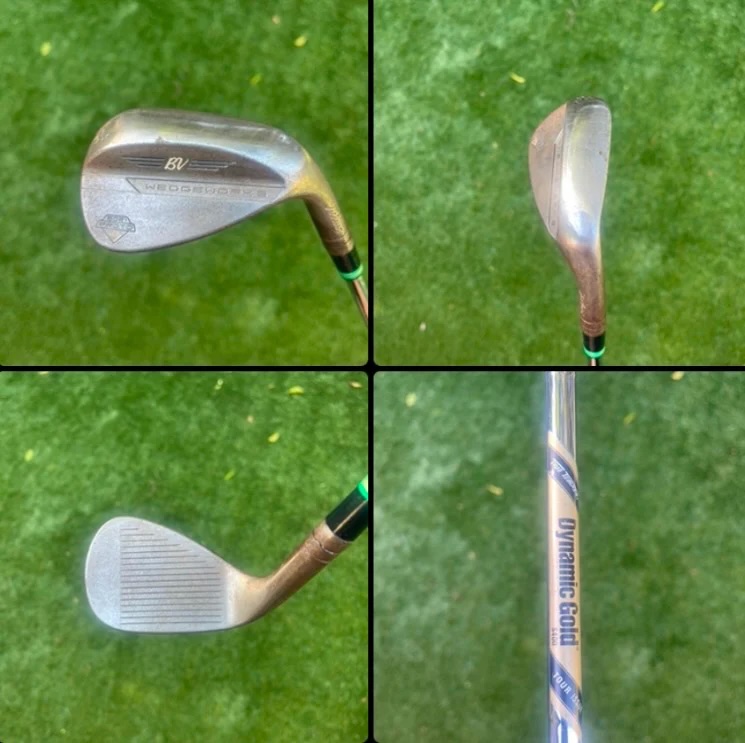
From the listing:
(1) Titleist Vokey Proto Wedge 54M with a Tour Issue DGS400 shaft and Golf Pride Tour Velvet (logo down). Standard length, lie, and loft. BB&F ferrule. Raw wedge in good condition. No initials. Price is $200 shipped. Buy both wedges for $380 shipped.
(2) Titleist Vokey Proto Wedge 60T with a KBS Tour 130X shaft and Golf Pride Tour Velvet. Standard length, lie, and loft. Raw wedge in good condition. No initials. Price is $200 shipped. Buy both wedges for $380 shipped.
To check out the full listing in our BST forum, head through the link. If you are curious about the rules to participate in the BST Forum, you can learn more here: GolfWRX BST Rules.
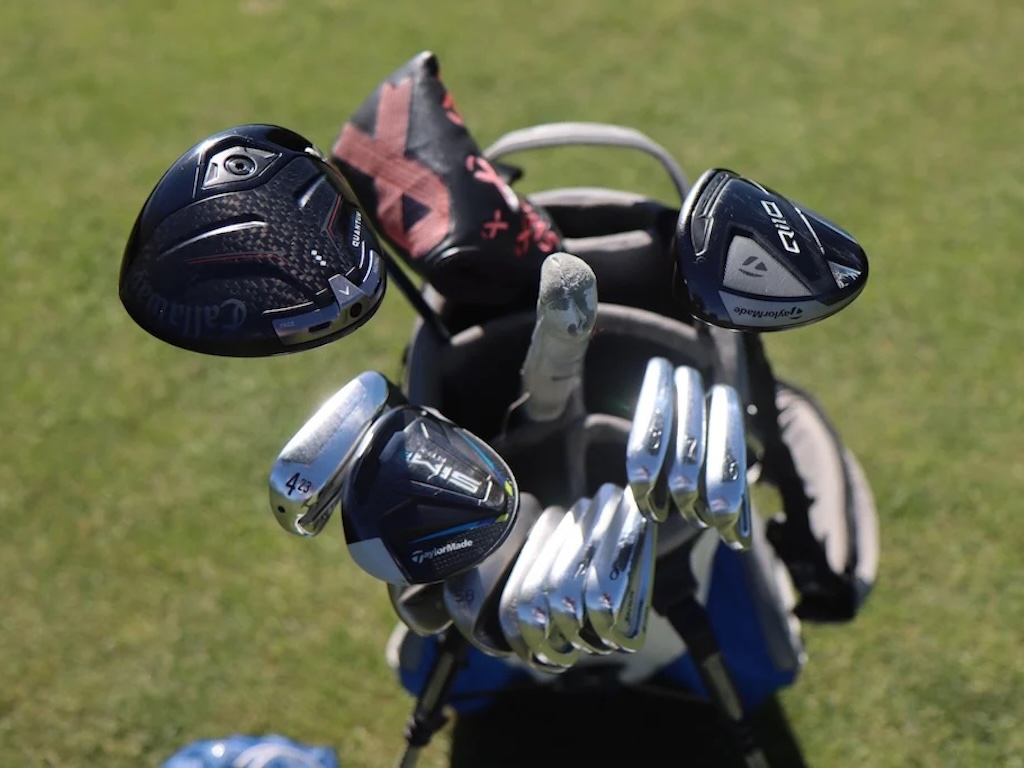
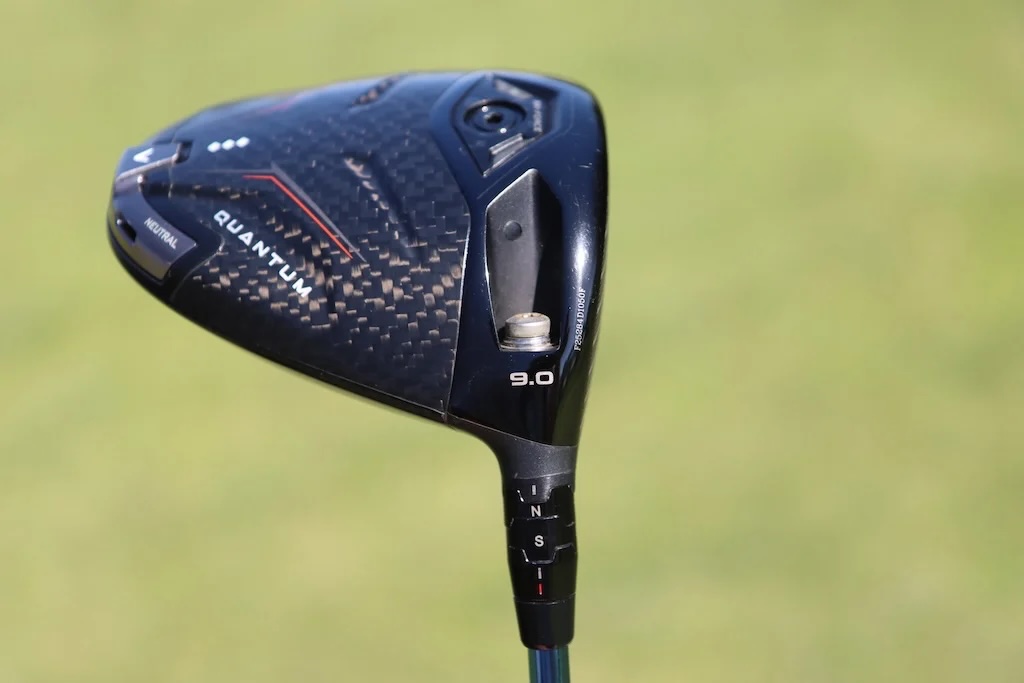
Driver: Callaway Quantum Triple Diamond (9 degrees)
Shaft: Project X HZRDUS Smoke Blue RDX 60 TX
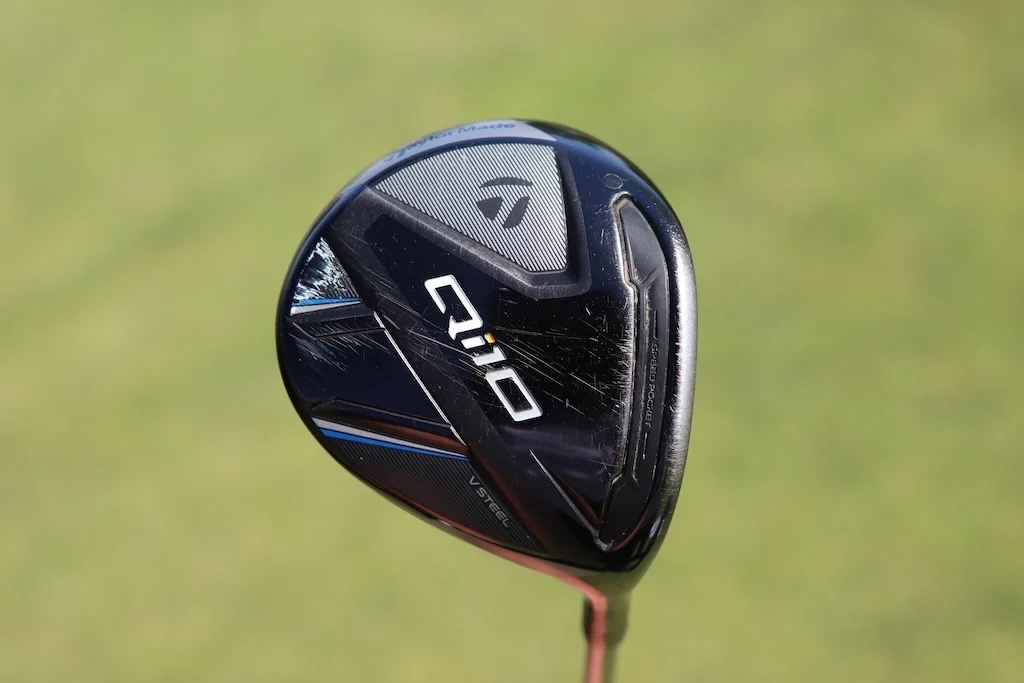
3-wood: TaylorMade Qi10 (15 degrees)
Shaft: Project X HZRDUS T1100 70 6.5
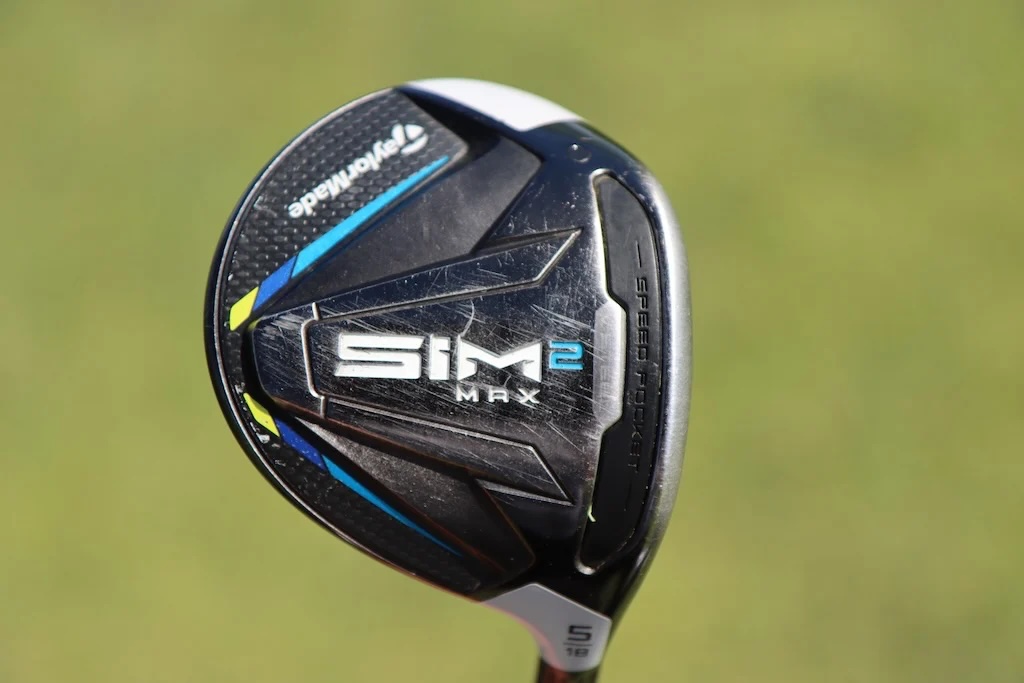
5-wood: TaylorMade SIM2 Max (18 degrees)
Shaft: Project X HZRDUS Smoke Black RDX 80 TX
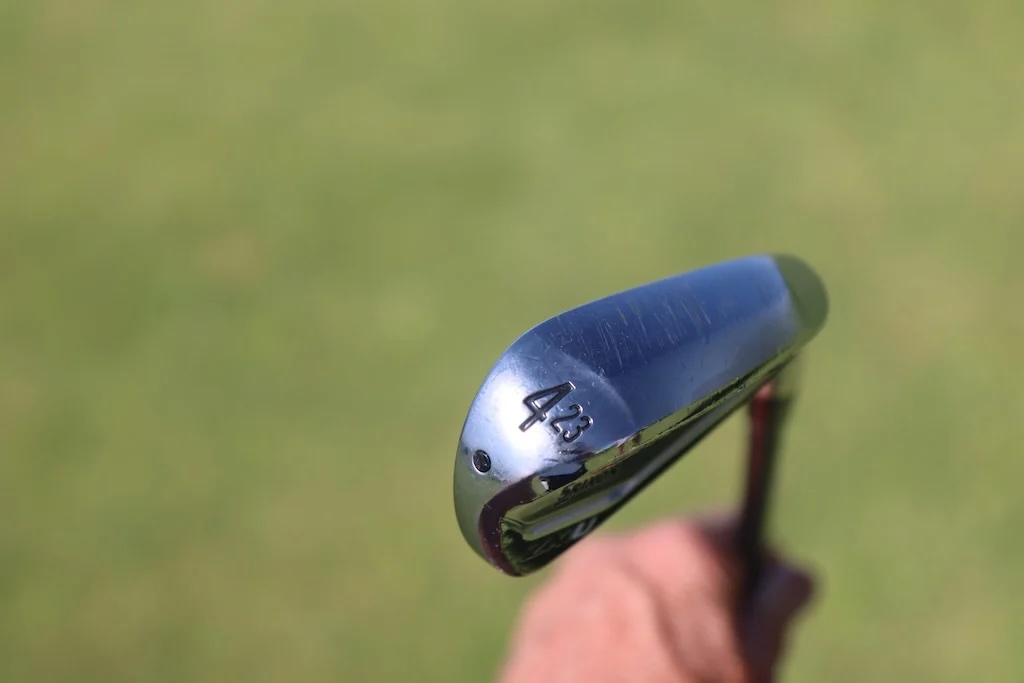
Irons: Srixon ZXiU (23 degrees), Srixon Z785 MB (5-PW)
Shafts: Project X HZRDUS Smoke Black RDX 100 6.5 (4), KBS Tour 130 X
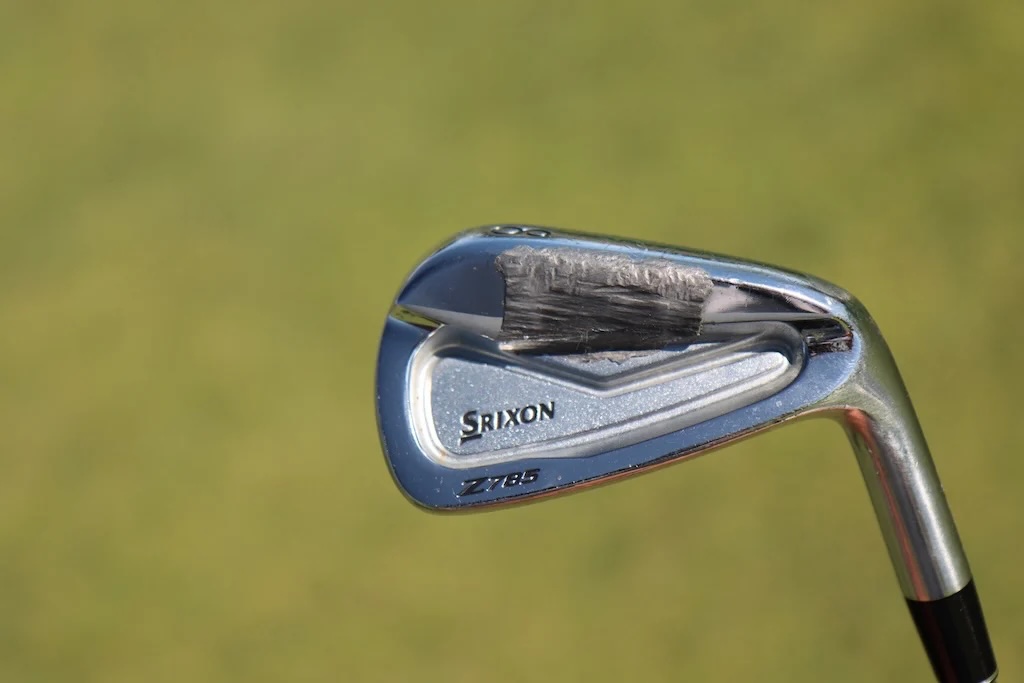
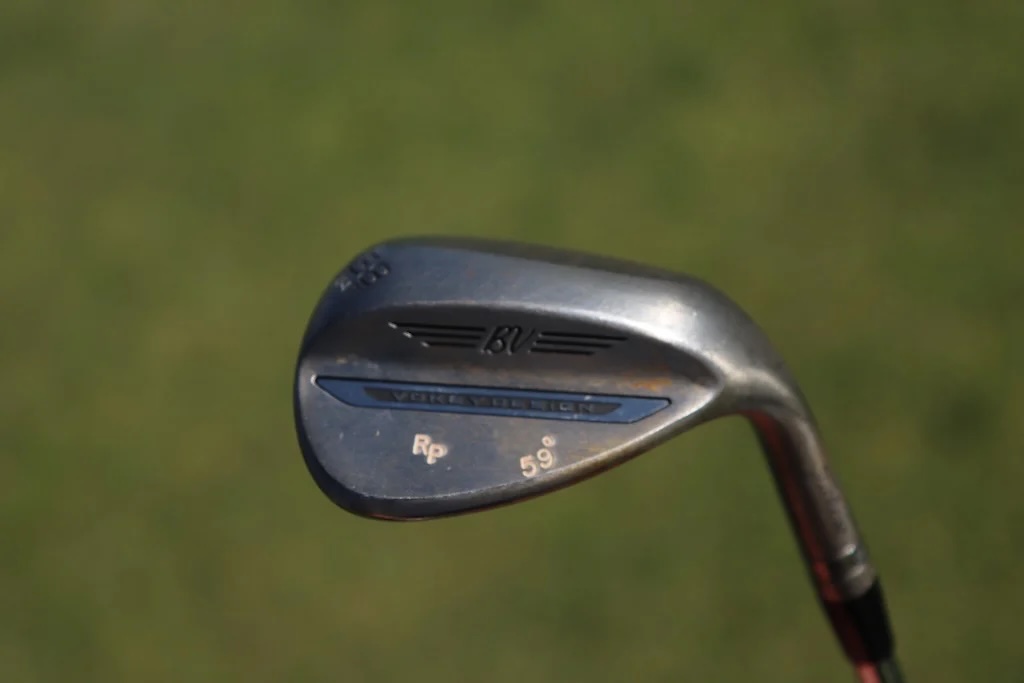
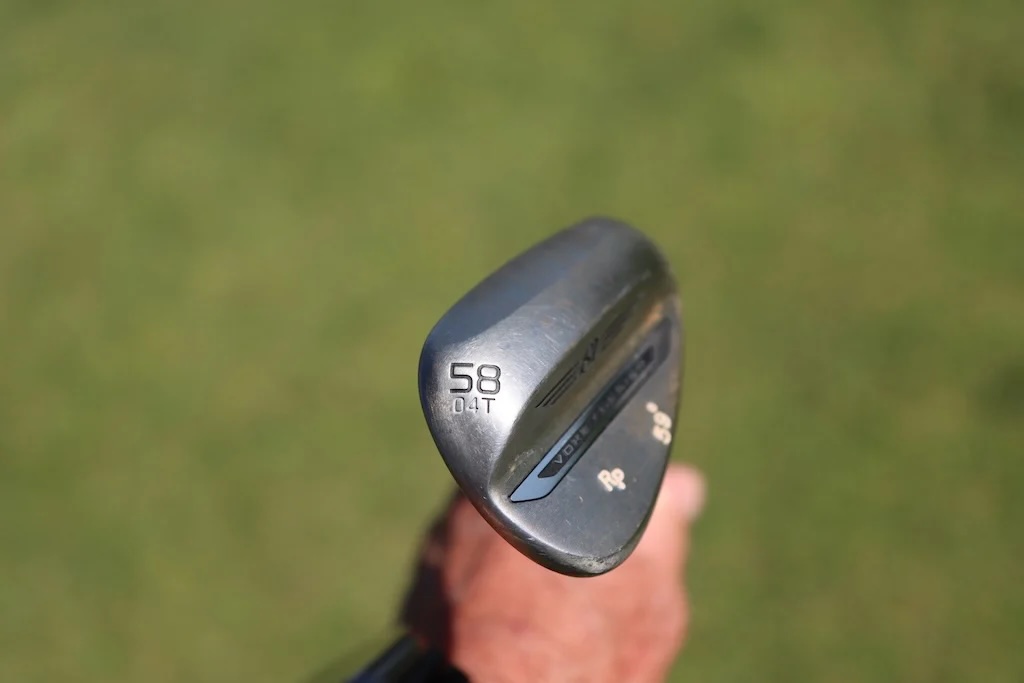
Wedges: Titleist Vokey Design SM11 (50-08F, 54-10S, 58-04T @59)
Shafts: KBS Tour 130 X
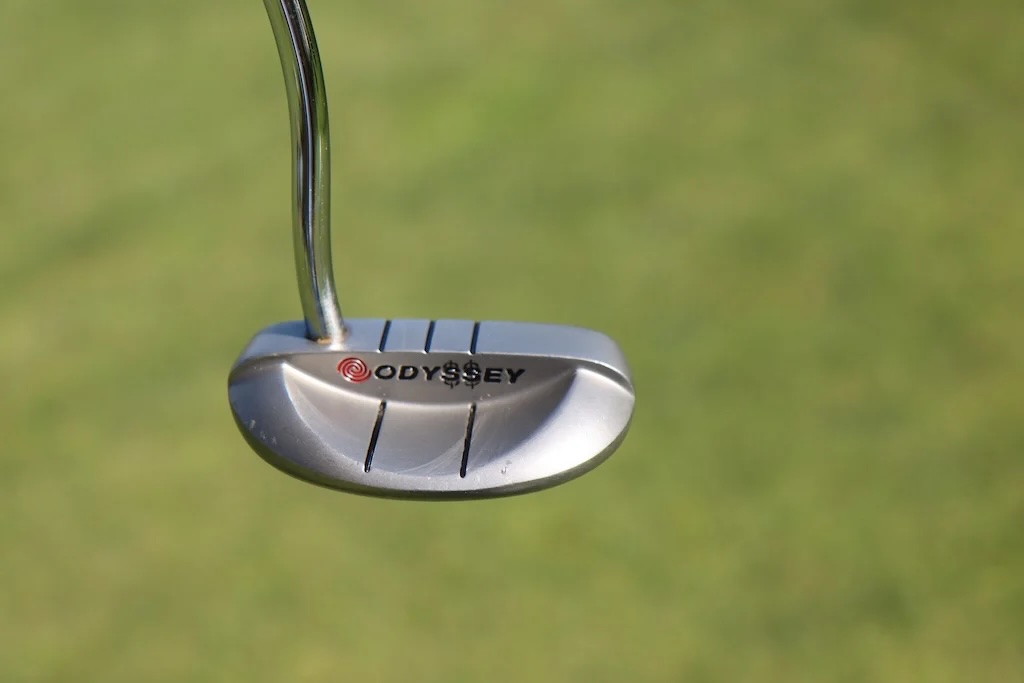
Putter: Odyssey Dual Force Rossie II
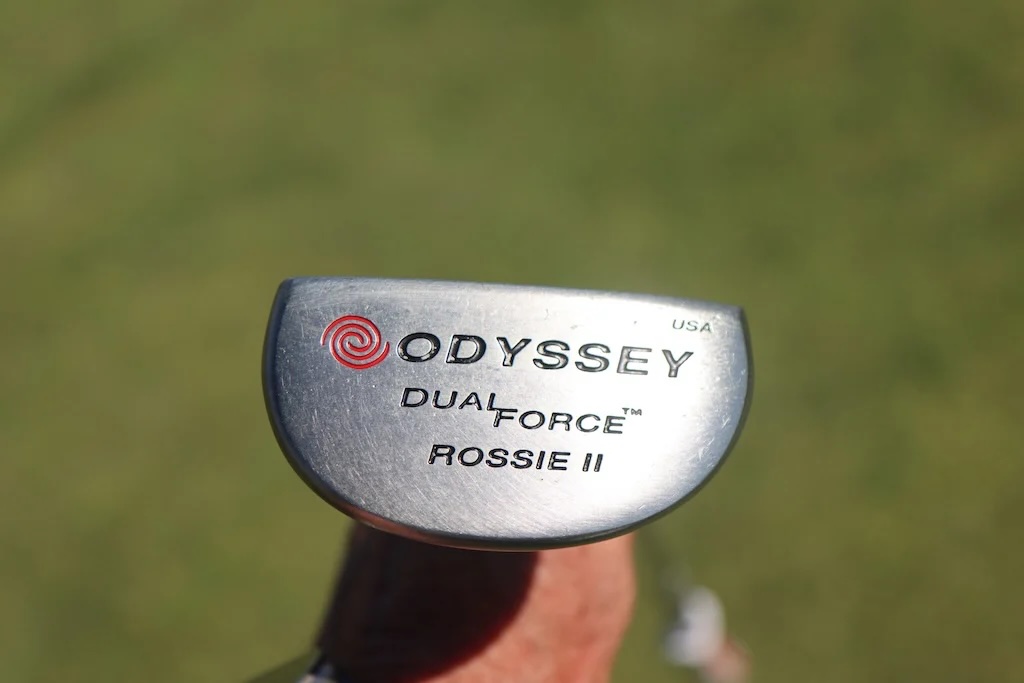
Ball: Titleist Pro V1x
Grips: Golf Pride Tour Velvet

Justin Rose WITB 2026 (April): Full WITB breakdown with new McLaren irons

What’s the story behind Webb Simpson’s custom-stamped irons?

Memorial Tournament Tour Report: Rory McIlroy, Cameron Young switch up drivers, and more

Cadillac Championship Tour Report: Spieth’s sizable changes, McLaren Golf launches, and more

Russell Henley’s winning WITB: 2026 Charles Schwab Challenge

Kristoffer Reitan’s winning WITB: 2026 Truist Championship

Best irons 2026: Best irons overall, most forgiving irons, and more

J.T. Poston’s winning WITB: 2026 Memorial Tournament

Aaron Rai’s winning WITB: 2026 PGA Championship

Cameron Young’s winning WITB: 2026 Cadillac Championship


Ryan Palmer WITB 2026 (June)
Driver: Callaway Quantum Triple Diamond (9 degrees) Shaft: Project X HZRDUS Smoke Blue RDX 60 TX 3-wood: TaylorMade Qi10 (15 degrees) Shaft:...


Bud Cauley WITB 2026 (June)
Bud Cauley had >14 clubs in his bag when photographed prior to the Memorial Tournament. Driver: Titleist GTS2 (8 degrees) Shaft: Fujikura...


Hannah Green WITB 2026 (June)
Driver: Titleist GTS3 (10 degrees, D4 SureFit setting) Shaft: Mitsubishi Chemical Diamana RB 53 S 3-wood: Titleist GT3 (15 degrees,...


Asterisk Talley WITB 2026 (June)
Driver: TaylorMade Qi4D (9 degrees) Shaft: Fujikura Ventus Blue 6 S 3-wood: TaylorMade Qi4D (16.5 degrees) Shaft: Fujikura Ventus Blue...
-
 Equipment6 days ago
Memorial Tournament Tour Report: Rory McIlroy, Cameron Young switch up drivers, and more
-
 News2 weeks ago
Russell Henley’s winning WITB: 2026 Charles Schwab Challenge
-
 Equipment3 days ago
Best irons 2026: Best irons overall, most forgiving irons, and more
-
 Whats in the Bag4 days ago
J.T. Poston’s winning WITB: 2026 Memorial Tournament
-
 Equipment1 week ago
Details on Jason Day’s latest prototype Avoda iron setup
-
 Equipment3 weeks ago
CJ Cup Byron Nelson Tour Report: Koepka and Kim’s newest putters finally get hot
-

 News2 weeks ago
Charles Schwab Challenge Tour Report: MacIntyre, Åberg and Spaun all switch putters, TaylorMade launches new Spider
-
 Equipment2 weeks ago
Details on J.J. Spaun’s surprise putter switch


Holmer
Aug 29, 2022 at 3:09 am
I just added a 4DX 3 “Iron wood” to the bag. It was passed around the guys for a few weeks before it was handed to me. My first thought was this is not for me. I don’t care all that much about branding, but the 20 degree loft it says it has is only a single degree stronger than the Speedzone 4 hybrid I bought last year. But I guess because it’s lighter and of course has a slightly longer shaft, it actually fit the gap between the 4 hybrid and my Cobra 4 wood which I have set to 16 degrees as far is distance is concerned. The club has found a home in my bag.
From the very first swing I was taken with it. That first shot was from the fairway, uphill 30 feet or so to a green that was wider than it was deep and 195 yards away. And while it ran off the back onto the first cut a few inches it barely missed landing in the hole. When you get that with your first swing, you know you have a winner in your hands.
Pingback: Morning 9: Whataberger! | Is the Spieth half empty or half full? | Winning WITB – GolfWRX
Chris
Feb 14, 2021 at 9:35 am
Good article. Still in my bag today complete set of 4dx irons,hybrids and 4dx Evolver driver. Left handed so options were limited back then. Still love them.
NevadaBobs
Feb 14, 2021 at 12:15 am
The GH+ irons (X14) were as good as the real deal. These irons also helped golfers realize graphite shafts could be good for more than seniors, they were available with the UST Proforce “Laker Shafts” in regular and stiff. I also remember them having great customer service, I think her name was Chablis. She was rad, hope she sees this post.
ChipNRun
Feb 13, 2021 at 10:35 pm
The Nickent hybrids were industry leaders. The drivers and irons, however, were mainly niche fads which didn’t get wide traction.
Looking back at golf club manufacturing, the number of OEMs has gone down and up and down since the 1970s. The following figures come from company counts available in Ralph Maltby’s 1995 4th ed. of “Golf club Design, Fitting, Assembly and Repair.
* Early 1970s: 14 main OEMs (this was about the time Karsten/Ping was gaining traction, and people with aerospace backgrounds were getting into club design)
* Late 1980s: 31 OEMs active in the USA market.
In the mid-1990s a shakeout comes, as several brands such as MacGregor and Hogan and TopFlite are sold, and sold again. Others go out of business. Big holding companies are not as patient with quirky golf divisions as are golf insiders and loyalists.
In the 2008 Recession, several brands finally crash. Hogan, MacGregor and Nickent among them. Hogan goes to Callaway for the Edge brand, then gets bought out and resurrected circa 2015 by a Texas group. MacGregor and Nickent become house brands before finally fading out. Adams gets bought by TaylorMade, and then fades away. Another shakeout… (Callaway still owns TopFlite.)
Charles Hamilton
Feb 13, 2021 at 10:14 pm
Sheesh, give the guy a break! Brief it may be, but the article is a great read. I can only imagine the vitriol unleashed on the writer if he had written a comprehensive wall to wall article. Then the complaints would have been that it was too long, boring, this ‘n that, and that ‘n this about a late great has been golf company that did not make it. I had a Nick hybrid that served me well till I got ahold of Taylormade’s offerings. Great write up Ryan, keep ’em coming!
Jim
Feb 13, 2021 at 10:07 pm
I had two of the evolver drivers because I put in bids on E-Bay and won them both…both were new still plastic wrapped and both cost less then $100..and still in golf shops.(when E-bay had deals) I sold one and played the other till one of the back weights came off during a round somewhere. Loved the green color and head cover and it played as good as anything at the time…
ChipNRun
Feb 13, 2021 at 7:36 pm
The Nickent hybrids were industry leaders. The drivers and irons, however, were mainly niche fads which didn’t get wide traction.
Looking back at golf club manufacturing, the number of OEMs has gone down and up and down since the 1970s. The following figures come from company counts available in Ralph Maltby’s 1995 4th ed. of “Golf club Design, Fitting, Assembly and Repair.
* Early 1970s: 14 main OEMs (this was about the time Karsten/Ping was gaining traction, and people with aerospace backgrounds were getting into club design)
* Late 1980s: 31 OEMs active in the USA market.
In the mid-1990s a shakeout comes, as several brands such as MacGregor and Hogan and TopFlite are sold, and sold again. Others go out of business. Big holding companies are not as patient with quirky golf divisions as are golf insiders and loyalists.
In the 2008 Recession, several brands finally crash. Hogan, MacGregor and Nickent among them. Hogan goes to Callaway for the Edge brand, then gets bought out and resurrected circa 2015 by a Texas group. MacGregor and Nickent become house brands before finally fading out. Adams gets bought by TaylorMade, and then fades away. (Callaway still owns TopFlite.)
A. Commoner
Feb 13, 2021 at 5:09 pm
A nice, interesting read. (Also sad.) Would welcome more like it.
flagolf
Feb 13, 2021 at 4:27 pm
You forgot the part when nickent was offering sales associates at off course retailers HUGE spiffs to sell their products. At one point a set of 3dx irons, woods and a pipe putter put almost $200 in the sales associates pocket.
Don
Feb 13, 2021 at 4:03 pm
I owned 2 of the ironwoods and the arc wedges. They were the best clubs in my bag at the time. Consistent and always got me out of trouble.
Too bad. Was a decent company at the time.
Bern
Feb 13, 2021 at 3:59 pm
So this is a really cool company to do a little profile on but was there any consideration put into doing a full comprehensive story on them opposed to just reminiscing? Exact dates, responses/quotes from former owners and employees, revenue #s etc…would have been really cool to see on Nickent and many other club companies that came and went. Lynx, Adams, Tommy Armour, Liquid Metal, Sonartec, Hogan, etc. Are all companies that long time club ho’s know and love and would love to read the “behind the scenes” rise and fall.
I have no idea if your job with WRX is to write such detailed and “investigative” type of stories but would certainly read them if you went that route.
Mike
Feb 14, 2021 at 9:27 am
Get a life! Better yet, go research this yourself if you’re that interested, there’s thing called the “internet”. This article told me just enough of what I wanted to know.
matt
Feb 14, 2021 at 9:43 am
Relax pal. The guy was respectful, just giving content feedback, you don’t have to agree. If this isn’t the place to do that I’m not sure where he should.
ben
Feb 13, 2021 at 1:43 pm
Thanks for this very teachful article. Hopefully more To come on the golf industry history!
Greg B.
Feb 13, 2021 at 11:29 am
The Genex 3DX ironwoods were pretty revolutionary at the time. Like many, I struggled hitting anything longer than a 5-iron consistently, and when I heard the initial buzz about them I went to my favorite golf shop the check them out. The owner had only a few demo clubs because he could not keep them in stock. I bought first a 3-iron replacement, which arrived in a couple of weeks, then a 4. They weren’t as easy to hit as some that came later, but were well-made and worked. It’s a shame that 2008 took them down along with a few other brands like MacGregor.