
Equipment
2021 Cobra RadSpeed irons


3D printing has officially gone mainstream in golf. On the heels of the recently launched 3D-printed King SuperSport-35 putter, Cobra is introducing the new 2021 Cobra RadSpeed irons with golf’s first-ever 3D-printed nylon medallion designed to save weight, increase forgiveness, and fine-tune acoustics. All of this while being built into a sportier-looking iron.

2021 Cobra RadSpeed irons: The package
If you talk to golfers who are the target market for technology-packed irons there are generally a few requests:
- I want them as forgiving as possible
- I want them to feel good
- I want them to be compact because “I don’t want to play a shovel.”
To these golfers, the engineers at Cobra have heard your requests and they are here to deliver.

The lead of this story, for good reason, is the large 3D-printed medallion designed to enhance the feel of the irons while also saving weight and increasing the MOI, but the real star of the show for golfers and fitters is the new Radial Weighting system around the head—and specifically in the toe of club.
The whole package creates a set of irons that can be built to exacting specs like never before, and just like the 3D-printed medallion, Cobra is demonstrating that precision in the design and build process leads to better performance for the end-user.
2021 Cobra RadSpeed irons: The technology
3D printing
Let’s start with the medallion. Unlike traditional badges used in irons, which are made using various injection molding processes, the 3D-printed medallion is comprised of nylon and uses an intricate structure of intertwined lattice to increase strength while also reducing weight.

3D-printed titanium skateboard truck
The backbone of this technology is the ability to create shapes that maximize strength while also reducing both material use and weight. In the case of golf clubs, this saves engineers precious grams of mass, which can be repositioned around the head. This is a crucial element of golf club design since the final mass of each part is defined by its position in the set (i.e. the final 7-iron mass on a standard set of clubs is roughly 268g, no more and no less.)
3D-printing has been used for years to prototype clubs, but thanks to the evolution of the technology, which in turn has helped drive down the cost, Cobra can effectively bring this to market while offering an advantage over previous and not having to pass enormous costs on to the consumer.
Radial Weighting
Much like the RadSpeed driver, the irons derive their name from newly positioned weights around the radius of the iron head designed to increase stability. By placing weight on the extreme perimeter of the head (away from the center of gravity), Cobra can both lower the CG and make the club slightly more compact while not sacrificing forgiveness. The screw-in weights are 10g in the toe and 3g in the heel (in a stock-configured club) but can be reconfigured for custom builds depending on the specs.

This allows the engineers to keep the center of gravity directly behind the middle of the face, which is especially important when tip weights might be involved to adjust any custom orders. Let me explain in a little more detail: Basically, every iron on the market utilizes a tip weight, either inserted into the shaft or into a port in the bottom of the hosel. OEMs use them all the time, and there is 100 percent nothing wrong with using tip weights to achieve the desired swing weight, but when you use them, you move the CG closer to the hosel/heel side of the club. It’s not moved on a humanly noticeable level but from an engineering perspective, it occurs.

According to Cobra, this weight may be adjusted +/- 6g during custom builds to dial in proper swing weight based on length, shaft weight, and grip specs.
PWRShell Technology
Besides the perimeter of the club, where the forgiveness is created, the most important single “part” of any club is the face. Cobra has worked long and hard to maximize speed and increase launch with PWRShell technology, which has once again been refined to improve performance.

Forged from high-strength 17-4 stainless steel, the thin face has a longer and deeper internal channel to increase compliance—a fancy physics term for an object’s ability to flex, which in turn increases the ball speed retention around the face to create a larger area of maximum energy transfer. The forged PWRShell faces are found in the 4-7 irons, while the 8-SW use a one-piece construction. NOTE: The term “area of maximum energy return” is a way to define the face area where a player is going to see great results versus the traditional “sweet spot.” Even as irons, and clubs in general, get more forgiving, there is still only a tiny single defined sweet spot.
The other component of the face puzzle is control, and that means talking grooves. The variable-length RadSpeed irons feature progressive groove shapes—V grooves in the longer irons for reduced spin, and U grooves in the shorter irons (8-SW) for added spin and control.
Carbon Fiber Topline

Just like the previous SpeedsZone irons, the RadSpeed irons have a unique carbon fiber topline that saves two grams to be moved around the head—remember, every gram counts! The insert has been tweaked to an all-black cosmetic to offer a slimmer and more compact look from address.
One Length is growing

We can’t talk Cobra irons without talking One Length. And yes, the RadSpeed irons are offered in a one-length package to promote repeatability at address for improved consistency shot after shot. The stock configuration is built around matching lengths of 37.5” (custom single lengths are available), along with consistent head weights and swing weights in every iron.

There are some progressive aspects of the RadSpeed One Length irons and that is their lie angles and shaft weighting to promote higher launch in the lower-lofted clubs and more control in the scoring clubs.

Sole comparison: RadSpeed variable-length (left ) One Length (right)
Last but not least, when you look at the soles of the RadSpeed One Length irons, you will notice the soles get wider from the 6-iron up to the 4-iron. Once again, this progression is thanks to some well thought-out engineering.
The wider soles create a lower and deeper CG to make it easier for golfers to increase peak height and land/descent angle to help hold greens from longer distances and improve gapping.
With constantly improving fitting techniques, alongside evolving technology, you can expect to see more golfers either switch to or take up the game with single-length clubs. Cobra is leading the way in the consumer market, and thanks to greater education, at this point One Length makes up over 30 percent of their irons sales with it expecting to continue to grow. When you consider how many new golfers have been created in 2020, and how One Length clubs help create greater consistency, it should be no surprise to see more of these sets in golf bags moving into 2021.
Price, specs, and availability
The Cobra RadSpeed irons, along with the entire RadSpeed product line, will be available at retail and online starting January 29, 2021.
The RadSpeed variable length irons will be available in a Nickel Chrome finish and come stock 5-gap wedge (7 piece set) in both right and left-handed or 4-PW in right hand only for $899. There is also a graphite combo set which includes a 5 hybrid and goes 6 iron to gap wedge in right hand only for $999.
The stock shafts are KBS Tour 90 in steel and UST Recoil ESX 460 in graphite, along with Lamkin Crossline Connect black grips.
There is also a black PVD finish option available through custom order only for an additional $100 upcharge.
The Cobra RadSpeed ONE Length irons also come in a Nickel Chrome finish and can be differentiated by their black, silver, and blue medallion. They will come stock in a 5-gap wedge (7 piece set) in both right and left-handed for $899, with a graphite combo set which includes 5 hybrid, 6 iron to gap wedge for $999 right-handed.
The ONE Length stock steel shafts are progressive and are made up of KBS Tour 80 (4-6i), KBS Tour 90 (7-9i), and Tour 120 (PW, SW). The graphite stock shafts are also progressive with UST Recoil ESX 460 (4-9i) and the UST Recoil ESX 480 (PW, SW). The One length grips are the Lamkin Crossline Connect in blue.
Lofts

The 2021 Cobra RadSpeed irons, along with the entire RadSpeed line, will continue to employ Cobra Connect powered by Arccos. Every club comes with an embedded electronic sensor in the grip to automatically record the distance and accuracy of every shot so golfers can track their improvements round-to-round.
For more information, visit www.cobragolf.com.




Equipment
Then and now: Comparing Rory McIlroy’s current setup to his record-breaking 2019 Canadian Open victory

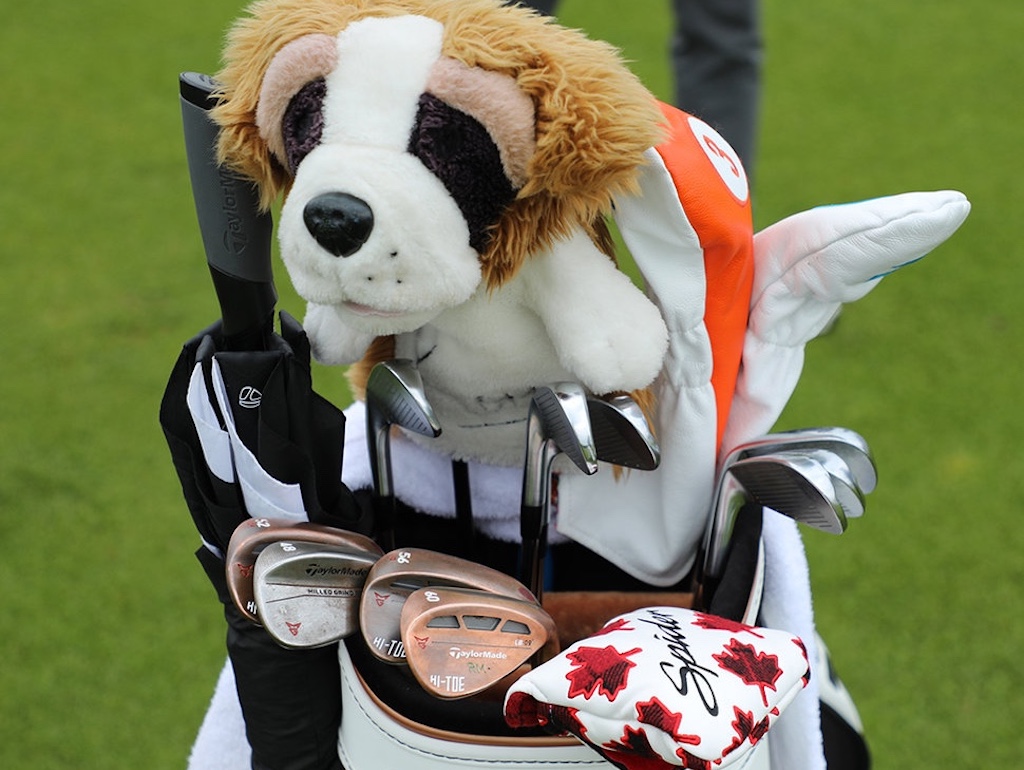
In Rory McIlroy’s first appearance at the 2019 RBC Canadian Open, he crushed the record books to earn his 16th PGA Tour title in dominating fashion, winning by seven shots over Shane Lowry and Webb Simpson.
McIlroy’s score of 22-under-par 258 is the lowest 72-hole score to date at the Canadian Open, and his closing 61 is also the best final-round score in the history of one of golf’s oldest tournaments. Finally, with his win in 2019, McIlroy became only the sixth player to win the career Triple Crown, adding to his victories at the U.S. Open in 2011 and The Open Championship in 2014, joining Tommy Armour, Walter Hagen, Arnold Palmer, Lee Trevino and Tiger Woods in a coveted list.
So, with that, why not compare his current setup to the clubs he used to break all the records?
Driver
2019: TaylorMade M5 (9 degrees), Shaft: Mitsubishi Tensei CK Pro White 70 TX
2026: TaylorMade Qi4D (9 degrees @8), Shaft: Fujikura Ventus Black 7X (45 5/8 inches)
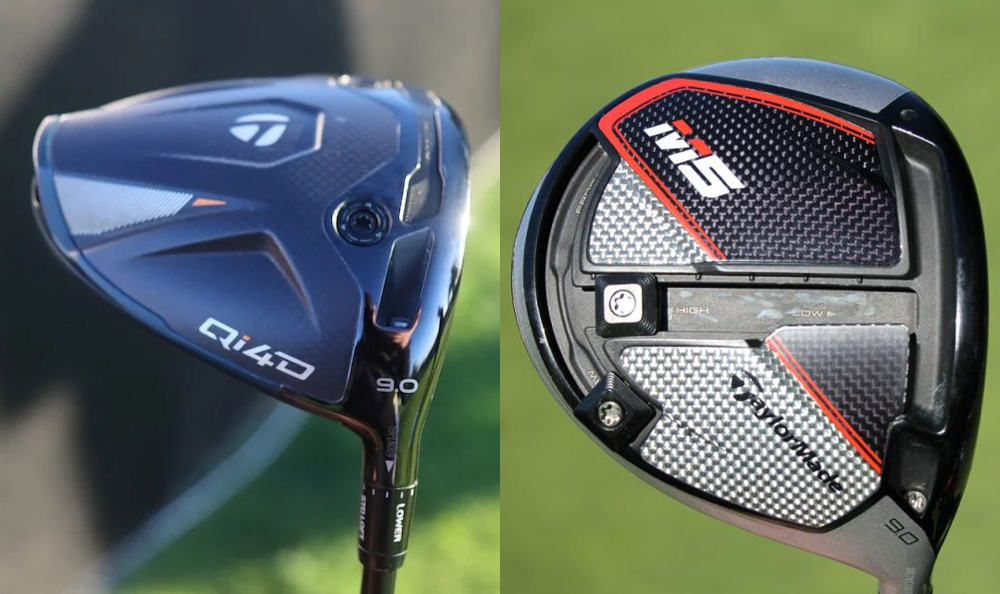
McIroy led the Tour in Strokes Gained: Off-the-Tee in 2019; he’s doing the same in 2026. Between now and then, McIlroy has switched from the Mitsubishi Tensei CK Pro White 70 TX (a shaft with slightly more feeling in the tip) to the original Fujikura Ventus Black 7X, having just made the change to the heavier version from playing the 60X.
What’s interesting about McIlroy’s 2019 setup is that the weighting on his driver is actually set in the high-draw setting, using the T-Track weighting system, whereas in the Qi4D, he’s currently using a heavily rear-weighted setup. (Two 13-gram weights in the rear and only two 4-gram front weights.)
The TaylorMade M5 driver he played in during his Canadian Open win was the company’s first head that they claimed to design to initially exceed the USGA’s COR limit, and then injected with tuning resin to bring it back in bounds.
Fairway woods
2019: TaylorMade M6 3-wood (15 degrees), Shaft: Mitsubishi Tensei CK Pro White 80 TX; TaylorMade M5 5-wood (19 degrees), Shaft: Mitsubishi Tensei CK Pro White 90 TX
2026: TaylorMade Qi4D 3-wood (15 degrees), Shaft: Fujikura Ventus Black 8X; TaylorMade Qi4D 5-wood (18 degrees), Shaft: Fujikura Ventus Black 9X

The TaylorMade M6 fairway wood that McIlroy was using during the 2019 season is still in the bag of some of the best golfers on Tour in 2026. Just check out Justin Rose’s winning setup from the Farmers Insurance Open earlier this year. This year, though, McIlroy has still been searching for his top-end-of-the-bag setup, having played both the new Qi4D and the Qi10, which he won the Masters with.

The same shaft swap can be seen in the fairway woods as the driver, along with slightly less loft on the 5-wood.
Irons
2019: TaylorMade P750 (4) Buy here, TaylorMade P730 (5-9), Shafts: Project X 7.0
2026: TaylorMade P760 (4), TaylorMade Rors Proto (5-9), Shafts: Project X 7.0

The biggest difference between McIlroy’s custom set and the stock P730s is the groove design. While the P730s were constructed with 14 MX-9 grooves on their milled faces, McIlroy’s proto heads instead use the higher-spinning, 16-groove layout of the TW2 grooves. Other big differences between the sets are that McIlroy’s 7- and 8-irons have thinner toplines, are 1 degree stronger in loft, and are 1/4 inch longer than the original P730 builds.
With McIlroy’s 4-iron, the switch from P750 to P760 sees a transition to a two-piece construction with Speed Foam in it, which allows McIlroy to launch the ball slightly higher, with more workability.
Wedges
2019: TaylorMade Milled Grind (48-09SB), TaylorMade MG Hi-Toe (52-09SB, 56-09SB, 60-LB09), Shafts: Project X Rifle 6.5
2026: TaylorMade MG5 (46-09SB, 50-09SB, 54-11SB, 60-08LB @61), Shafts: Project X 6.5 (46-54), Project X 6.5 Wedge (60)

Between 2019 and 2026, McIlroy’s focus on his short game has been much more apparent. It was the reason why he switched back to the TP5 golf ball, to help with launch, spin and control with his wedges leading up to his career Grand Slam victory in 2025. The most apparent changes to McIlroy’s wedge setup are his lofts and bounce. He’s slowly delofted his pitching to a sand wedge, but has increased the loft on the lob wedge, bending his current 60-degree to 61. With that, adding more loft to his lob wedge also slightly increases the bounce and leading-edge sit point, so, as a result, he plays a lower-bounce lob wedge compared to 2019. The MG5 wedges are also softer than the first Milled Grind option from 2019. McIlroy also no longer plays the full-face grooves found on the Hi-Toe.
Putter
2019: TaylorMade Spider X
2026: TaylorMade Spider Tour X
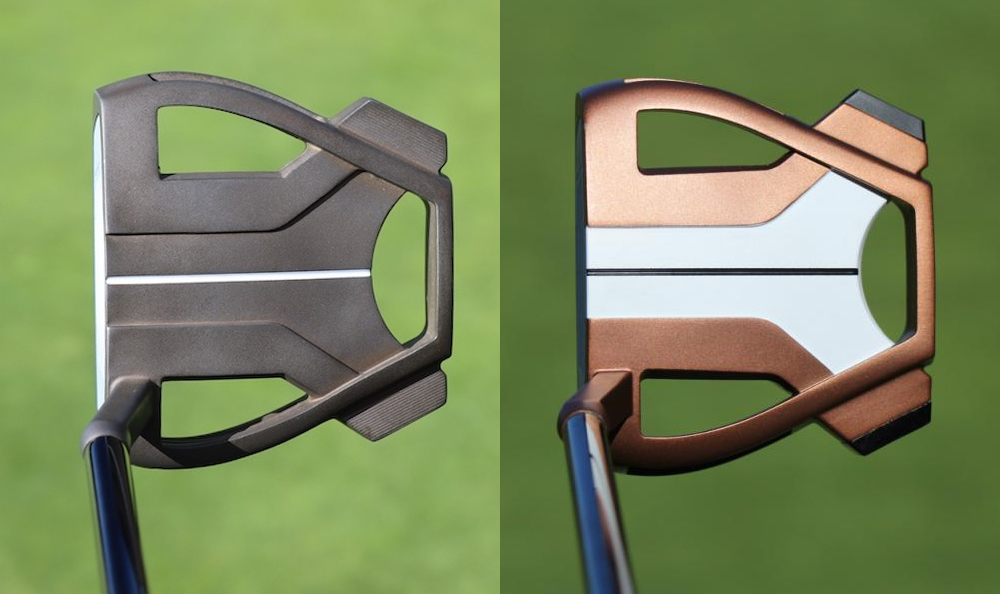
Notice anything similar. Yes, the copper finish on Rory McIlroy’s Spider X putter in 2019 is a slightly more reflective finish than the recently released torched PVD finish. McIlroy was using the True Path alignment system, but now uses only a single white sightline.
Ball
2019: 2019 TaylorMade TP5 (#22)
2026: 2025 TaylorMade TP5 (RORS)
As mentioned above, McIlroy had transitioned from the TP5 to TP5x golf ball since his victory in Canada in 2019, but now is black with the same style of golf ball as his victory at Hamilton Golf & Country Club.
Grips
2019: Golf Pride Tour Velvet Cord
2026: Golf Pride MCC
Interesting, McIlroy actually used Golf Pride’s Tour Velvet Cord grips during his victory in 2019 (it was during a 2+ year switch to the corded TV) as opposed to his usual MCC grips, which he has played for most of his career.


At GolfWRX, we are a community of like-minded individuals who all experience and express our enjoyment of the game in many ways.
It’s that sense of community that drives day-to-day interactions in the forums on topics that range from best driver to what marker you use to mark your ball. It even allows us to share another thing we all love – buying and selling equipment.
Currently, in our GolfWRX buy/sell/trade (BST) forum, @Putt4Dough is selling some prototype wedges from Vokey Wedgeworks. These include a 54 degree wedge with the M grind and a 60 degree wedge with a T grind.
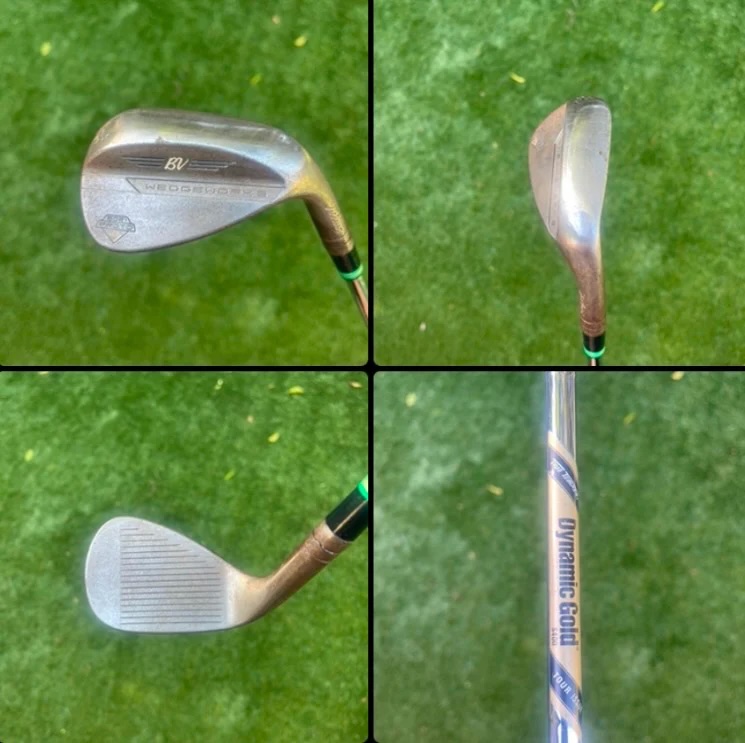
From the listing:
(1) Titleist Vokey Proto Wedge 54M with a Tour Issue DGS400 shaft and Golf Pride Tour Velvet (logo down). Standard length, lie, and loft. BB&F ferrule. Raw wedge in good condition. No initials. Price is $200 shipped. Buy both wedges for $380 shipped.
(2) Titleist Vokey Proto Wedge 60T with a KBS Tour 130X shaft and Golf Pride Tour Velvet. Standard length, lie, and loft. Raw wedge in good condition. No initials. Price is $200 shipped. Buy both wedges for $380 shipped.
To check out the full listing in our BST forum, head through the link. If you are curious about the rules to participate in the BST Forum, you can learn more here: GolfWRX BST Rules.
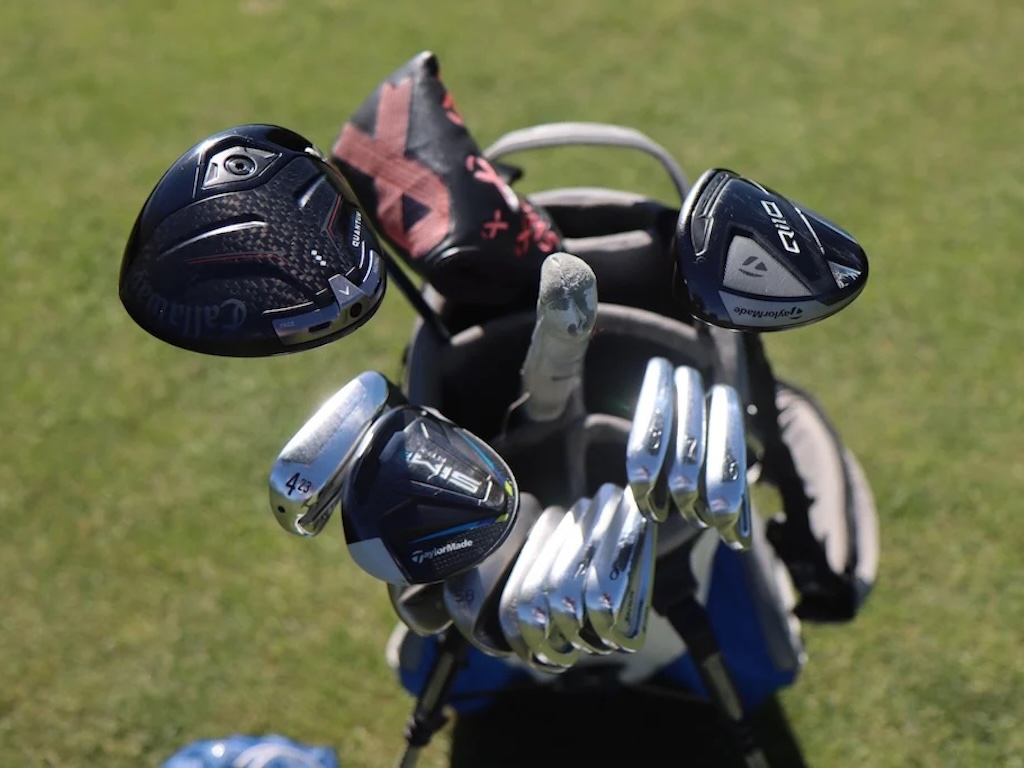
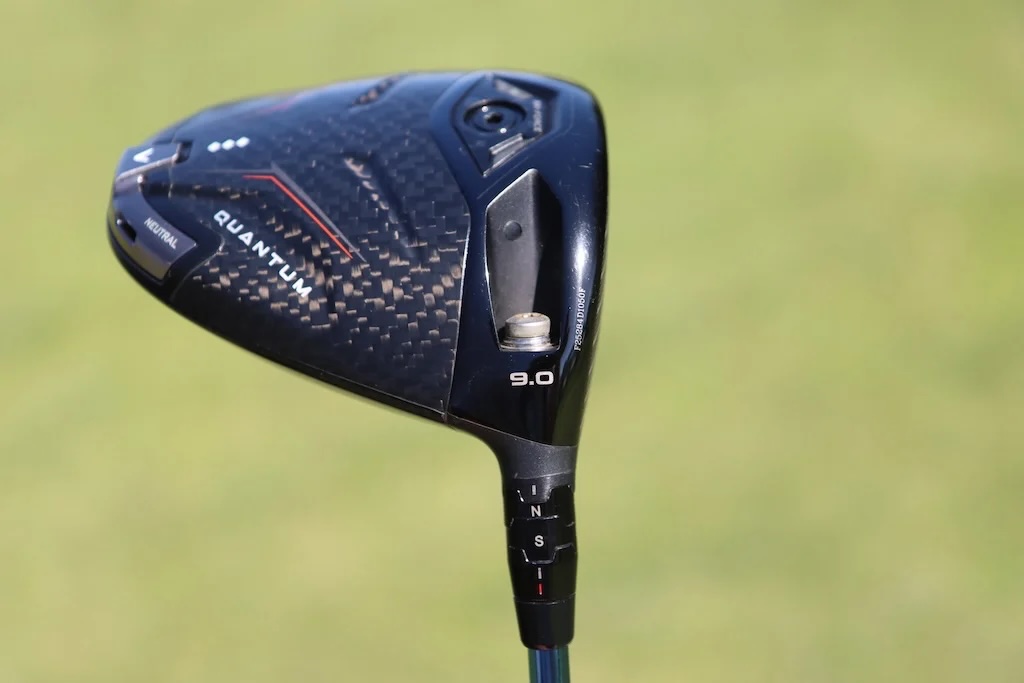
Driver: Callaway Quantum Triple Diamond (9 degrees)
Shaft: Project X HZRDUS Smoke Blue RDX 60 TX
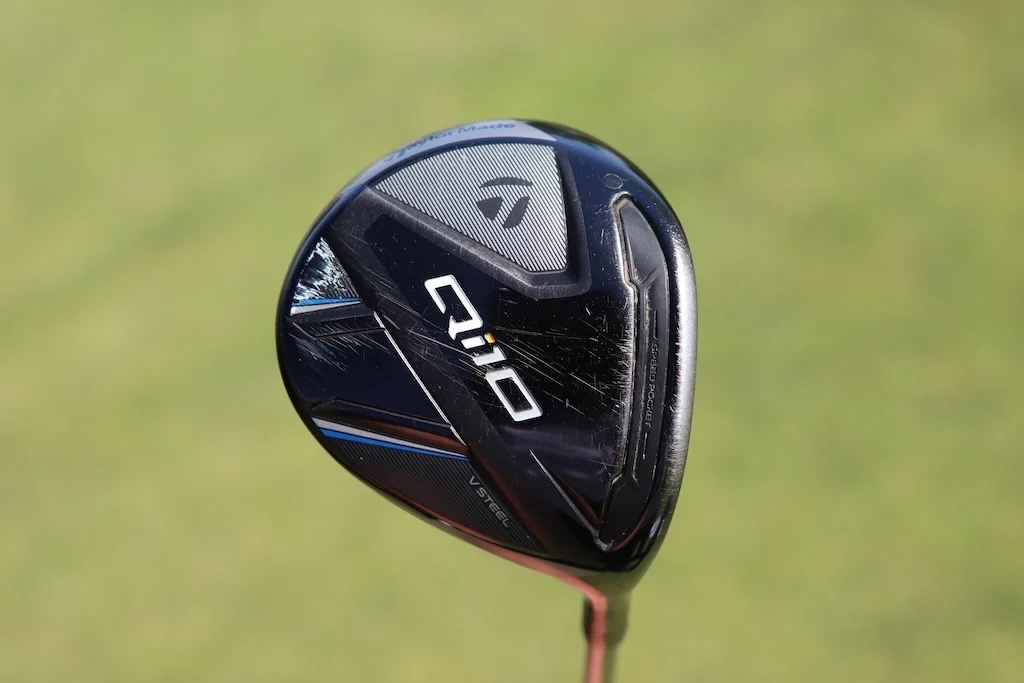
3-wood: TaylorMade Qi10 (15 degrees)
Shaft: Project X HZRDUS T1100 70 6.5
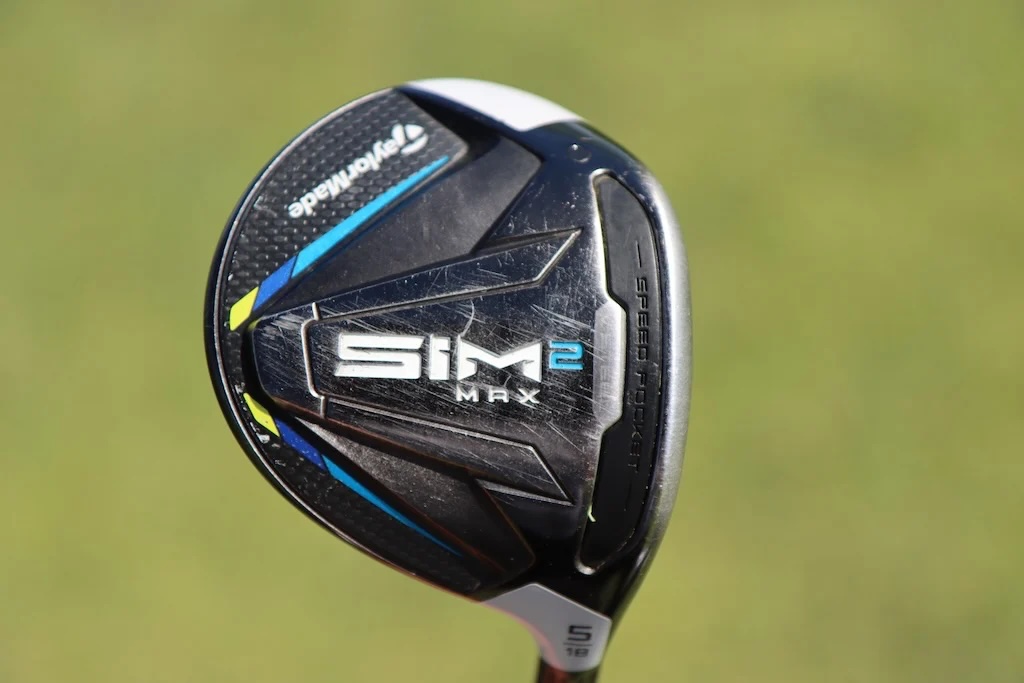
5-wood: TaylorMade SIM2 Max (18 degrees)
Shaft: Project X HZRDUS Smoke Black RDX 80 TX
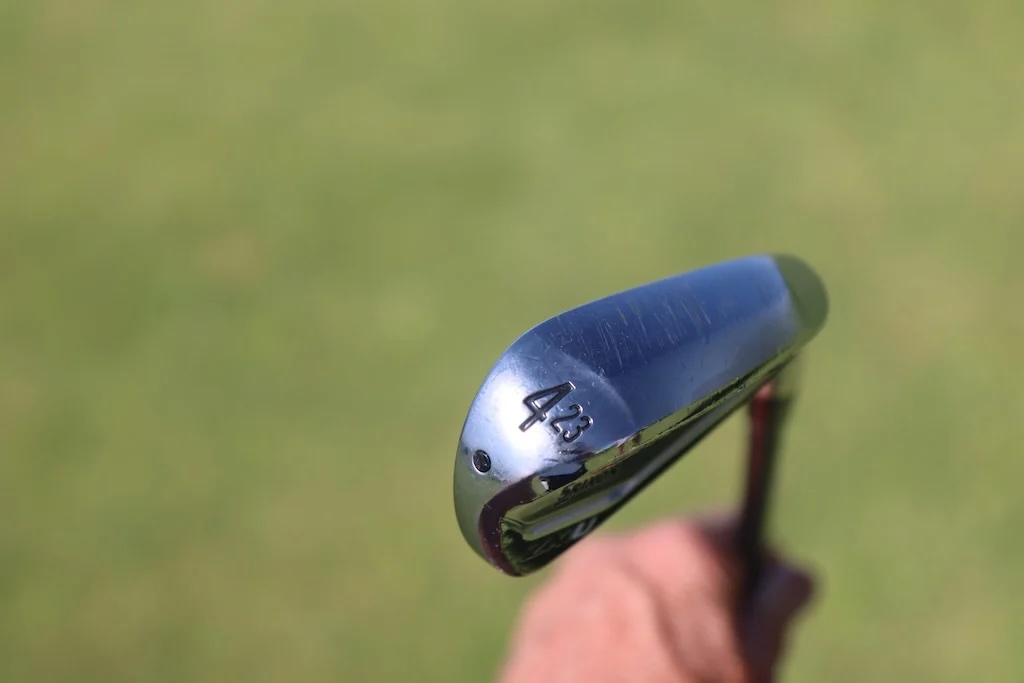
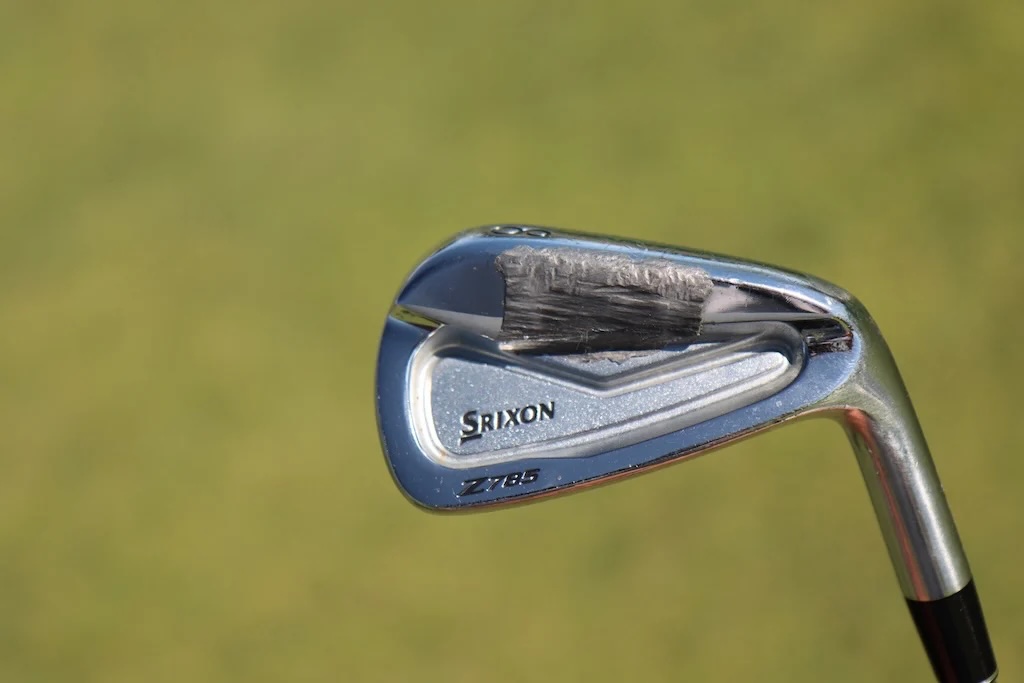
Irons: Srixon ZXiU (23 degrees), Srixon Z785 MB (5-PW)
Shafts: Project X HZRDUS Smoke Black RDX 100 6.5 (4), KBS Tour 130 X
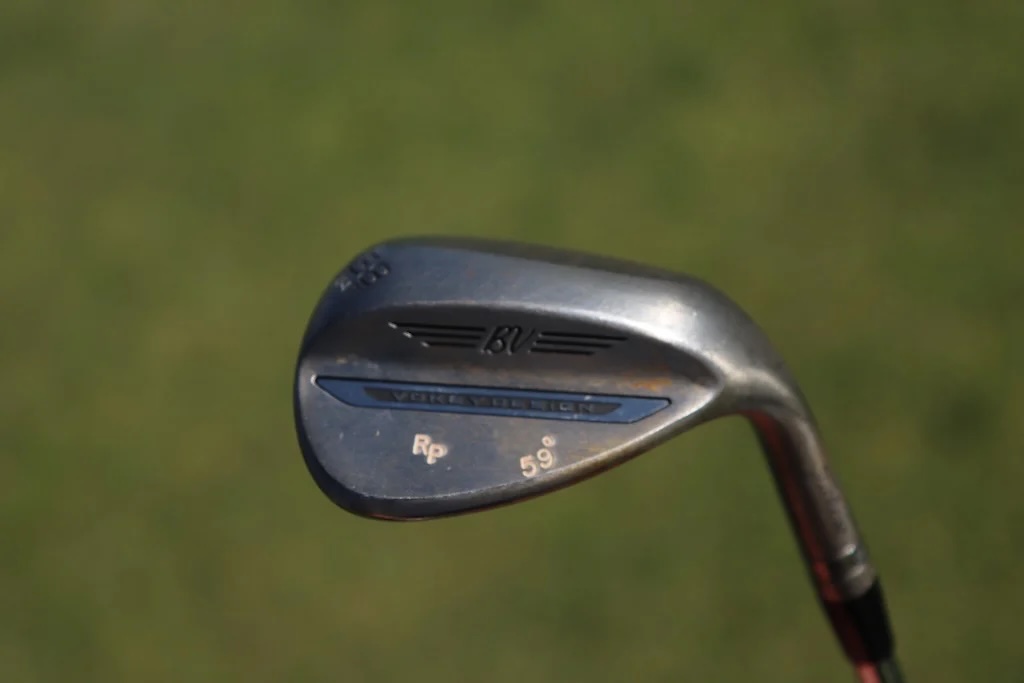
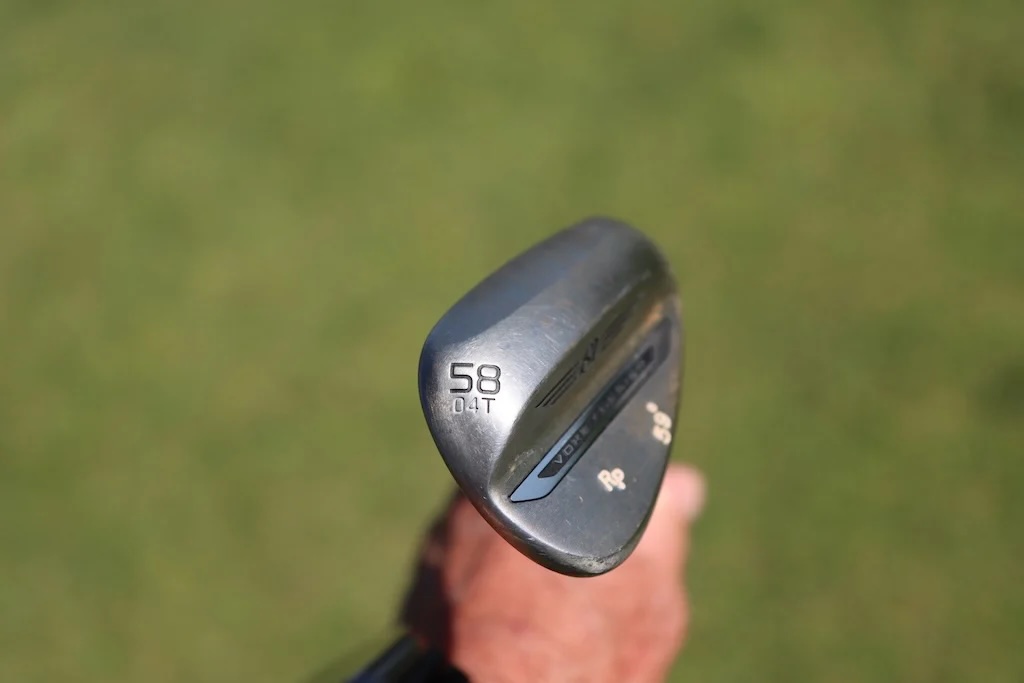
Wedges: Titleist Vokey Design SM11 (50-08F, 54-10S, 58-04T @59)
Shafts: KBS Tour 130 X
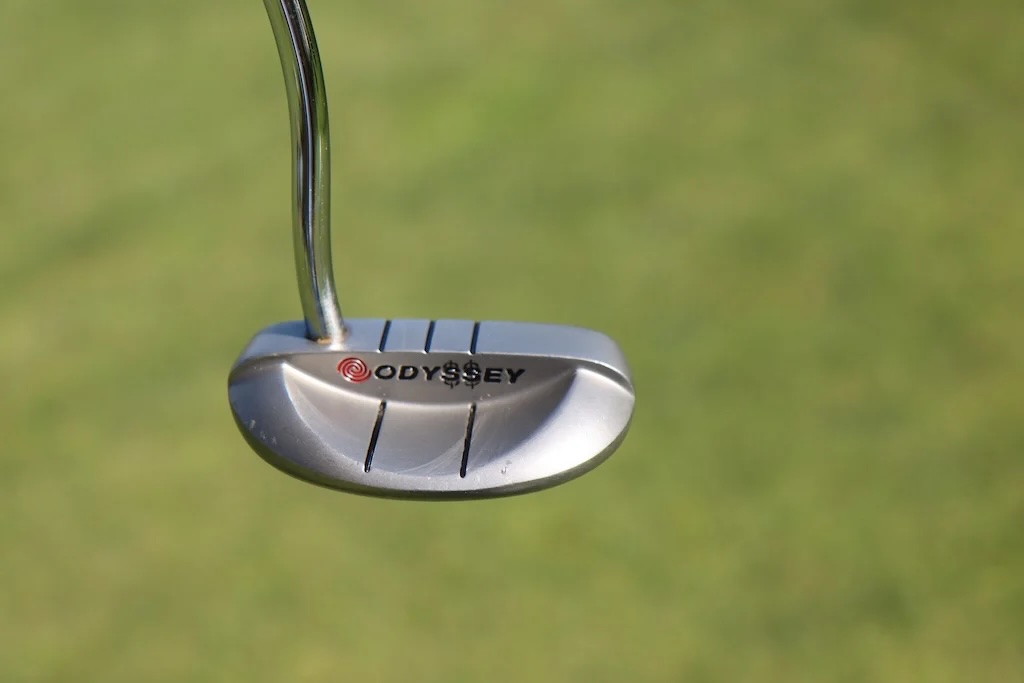
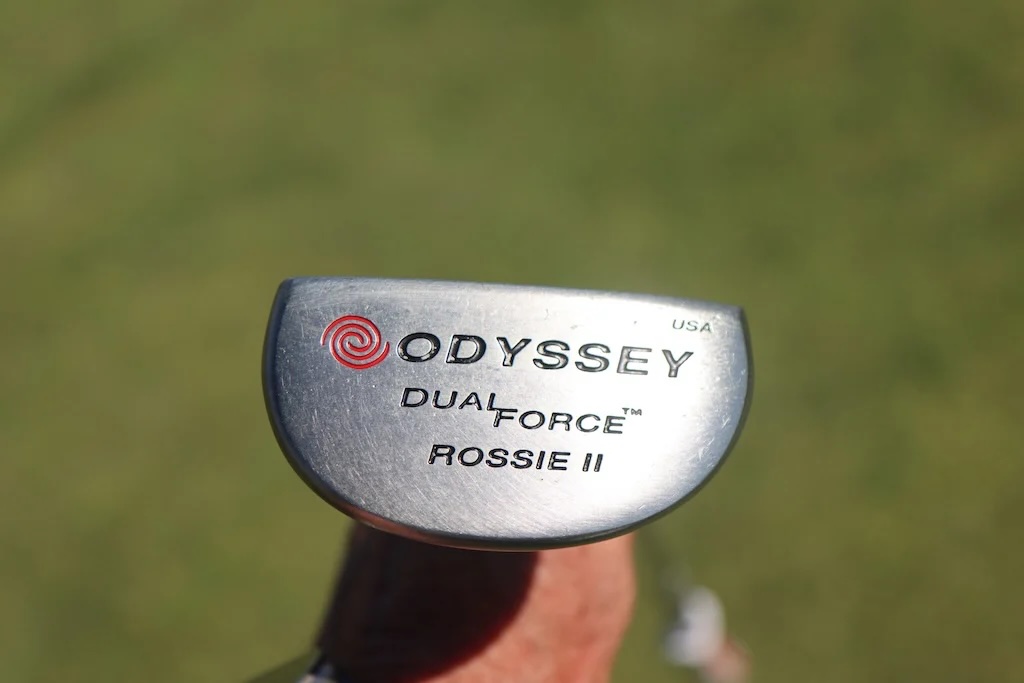
Putter: Odyssey Dual Force Rossie II
Ball: Titleist Pro V1x
Grips: Golf Pride Tour Velvet

Justin Rose WITB 2026 (April): Full WITB breakdown with new McLaren irons

What’s the story behind Webb Simpson’s custom-stamped irons?

Memorial Tournament Tour Report: Rory McIlroy, Cameron Young switch up drivers, and more

Cadillac Championship Tour Report: Spieth’s sizable changes, McLaren Golf launches, and more

Russell Henley’s winning WITB: 2026 Charles Schwab Challenge

Kristoffer Reitan’s winning WITB: 2026 Truist Championship

Best irons 2026: Best irons overall, most forgiving irons, and more

J.T. Poston’s winning WITB: 2026 Memorial Tournament

Aaron Rai’s winning WITB: 2026 PGA Championship

Cameron Young’s winning WITB: 2026 Cadillac Championship


Ryan Palmer WITB 2026 (June)
Driver: Callaway Quantum Triple Diamond (9 degrees) Shaft: Project X HZRDUS Smoke Blue RDX 60 TX 3-wood: TaylorMade Qi10 (15 degrees) Shaft:...


Bud Cauley WITB 2026 (June)
Bud Cauley had >14 clubs in his bag when photographed prior to the Memorial Tournament. Driver: Titleist GTS2 (8 degrees) Shaft: Fujikura...


Hannah Green WITB 2026 (June)
Driver: Titleist GTS3 (10 degrees, D4 SureFit setting) Shaft: Mitsubishi Chemical Diamana RB 53 S 3-wood: Titleist GT3 (15 degrees,...


Asterisk Talley WITB 2026 (June)
Driver: TaylorMade Qi4D (9 degrees) Shaft: Fujikura Ventus Blue 6 S 3-wood: TaylorMade Qi4D (16.5 degrees) Shaft: Fujikura Ventus Blue...
-
 Equipment6 days ago
Memorial Tournament Tour Report: Rory McIlroy, Cameron Young switch up drivers, and more
-
 News2 weeks ago
Russell Henley’s winning WITB: 2026 Charles Schwab Challenge
-
 Equipment3 days ago
Best irons 2026: Best irons overall, most forgiving irons, and more
-
 Whats in the Bag4 days ago
J.T. Poston’s winning WITB: 2026 Memorial Tournament
-
 Equipment1 week ago
Details on Jason Day’s latest prototype Avoda iron setup
-
 Equipment3 weeks ago
CJ Cup Byron Nelson Tour Report: Koepka and Kim’s newest putters finally get hot
-

 News2 weeks ago
Charles Schwab Challenge Tour Report: MacIntyre, Åberg and Spaun all switch putters, TaylorMade launches new Spider
-
 Equipment2 weeks ago
Details on J.J. Spaun’s surprise putter switch


retired04
Apr 21, 2021 at 11:46 am
Am confused-If you put “V” grooves on the mid irons reducing spin, doesn’t that impact your ability to get the ball to stop on the green?
Pingback: Best irons in golf of 2021: Most technology packed – GolfWRX
Mower
Dec 9, 2020 at 7:15 pm
Oh yeah! Chunky Monkey city!
Mike
Dec 8, 2020 at 5:58 pm
And the lofts just keep getting stronger & stronger………..
Why bother putting #’s on the club, just put the loft #. Then we could have meaningful comparisons.
IG
Dec 8, 2020 at 3:48 pm
21 degree 5 iron and 42,5 PW!
Cobra will need to bring a gap wedge out to fit the gap between a PW and a normal gap wedge.
Iain Gold
Dec 8, 2020 at 3:46 pm
21 degree 5 iron and 42,5 PW!
Cobra will need to bring a gap wedge out to fit the gap between a PW and a normal gap wedge.
Gerry T
Dec 15, 2023 at 2:27 am
Ian, you can also solve this by replacing the pw with a 44 degree PW. The loft difference of 7 degrees will dictate whether you need a weak 9 iron (an F9 comes to mind) or to play the stronger PW. With practice you’re sure to find what works.
Juan Won
Dec 8, 2020 at 3:01 pm
Love the look of the RAD iron line. The shaft options are garbage though. I do like the KBS line minus the Tour. I’ve tested the entire line up. I have the Recoil Proto F5 in my back up set and they are awesome but the retail version is mediocre.
Juanny
Dec 8, 2020 at 11:05 am
I just want that Lefty 4 iron at 19* for a DI. Using an F7 4 iron at 20* and it’s outstanding off the tee.
Zewi
Dec 9, 2020 at 4:53 pm
Surely you can buy it as a single iron. It’ll cost you, though…