
Equipment
Club builder secrets to hitting exact specs

Building golf clubs is as much art as it is science. Physics and precise measurements dictate final specs from a fitting, but getting everything to actually fit together is what separates professional club builders from the wannabes—it’s problem-solving at the highest level.
What separates the great professional builders from the rest is their understanding of how each OEM designs and assembles clubs, and how those components relate to each other—it’s the secret sauce. Whether it be understanding how to weight specific heads, or how to properly shim or sand shafts to get everything to fit as precisely as possible, these are the top club building secrets to hitting exact specs.
Tip weights
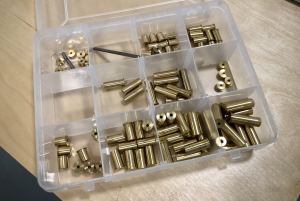
Clubhead weights are rarely ever perfect, and because of that, tip weights are needed to get them dialed in. When head weights are bang on, it’s generally because they were handpicked by a boutique component supplier. This doesn’t mean club heads are poor quality, it just shows that OEMs are doing everything they can to help golfers on both ends of the over and under length spectrum get the right clubs. By intentionally having heads be 4-5g under standard length required head weight, builders need to add less weight to get to spec, and when building overlength, it prevents clubs from becoming too heavy.
The only time you will generally find heads that are too heavy is when working with one-piece forged irons meant for the Japanese market. Since those clubs are often built under North American standard length, the club heads are heavier to help keep swing weights in line.
So, the next time you find tip weights in a set you are pulling apart, consider it a good sign that whoever built them took the time to get club head specs correct.
Shaft weights and tipping

In the world of shafts, the higher-end you go the tighter the specs—you truly get what you pay for. The perfect example is True Temper Dynamic Gold Tour Issue X100 shafts. They aren’t any different than standard X100 shafts except for the fact that they go through the extensive process of being weight sorted down to .5g on either side 130 grams. This allows the shafts to play extremely close to the intended flex and allow for easier swing weights and total weight specs to be achieved.
When shafts are within manufacturer tolerance but need to be tweaked, this is where the skill and knowledge of a club builder become invaluable. A quick trim of a 1/4″ can dial in flex to fit in line with the rest of the set. The end goal of a club builder is to make every club feel like your favorite club—and sorting and tipping are a big part of that.
When using parallel shafts, club builders will first weight sort lightest to heaviest to determine the best order to install those shafts into the set—this takes more time but creates a much more balanced set at the completion of the build. Indeed, all of these steps take more time but are crucial when building clubs at the highest level.
Shims/hosel diameters

Shafts come in four distinct sizes; .335″ and .350″ for woods and .355″ (taper) and .370″ (parallel) for irons. As for club heads, it’s not quite that simple. Some companies use universal hosels to allow for both taper and parallel shafts to be used in irons and when it comes to woods there are a few OEMs that have slightly tapered hosel designed to be used in conjunction with a collared ferrule (if you don’t understand what a collared ferrule is, check out the video below).
By knowing when to use shims to get a shaft to fit into a hosel—or in the more rare case when to sand down a graphite shaft it fit into a tapered hosel —llows more shaft options to the golfer and in the end, can provide a better club option not available through a traditional channel.
Grip specs
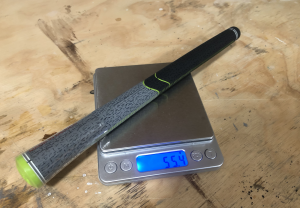
Just like shafts, grips have manufacturing tolerances for weight. Generally, it is plus/minus 1.5-2g on either side of the target weight. This is still very good when you consider how much a standard size grip weighs but at the extreme levels a grip still has the potential to throw off a set’s final spec. Just like with parallel shafts, professional club builders will go through the process of weighing out grips and designate them to specific clubs in the set before final assembly.
Although I can’t speak for every OEM, I know for a fact that after receiving grips from a supplier, Titleist goes the extra step by sorting grips into 3 categories and handpicks those bunched grips to build sets. It may seem minor, but when building clubs to exacting specifications, every gram matters.
To discuss this and other club building topics make sure to check out the GolfWRX Club Building Forum








This week, we have our Tour Photographer, Greg Moore, on the ground at the OccuNet Classic at Tascosa Golf Club in Amarillo, Texas, for the 14th event of the 2026 Korn Ferry Tour season. With that, we see some great things in the Lead Tape Report as we roll into Amarillo.
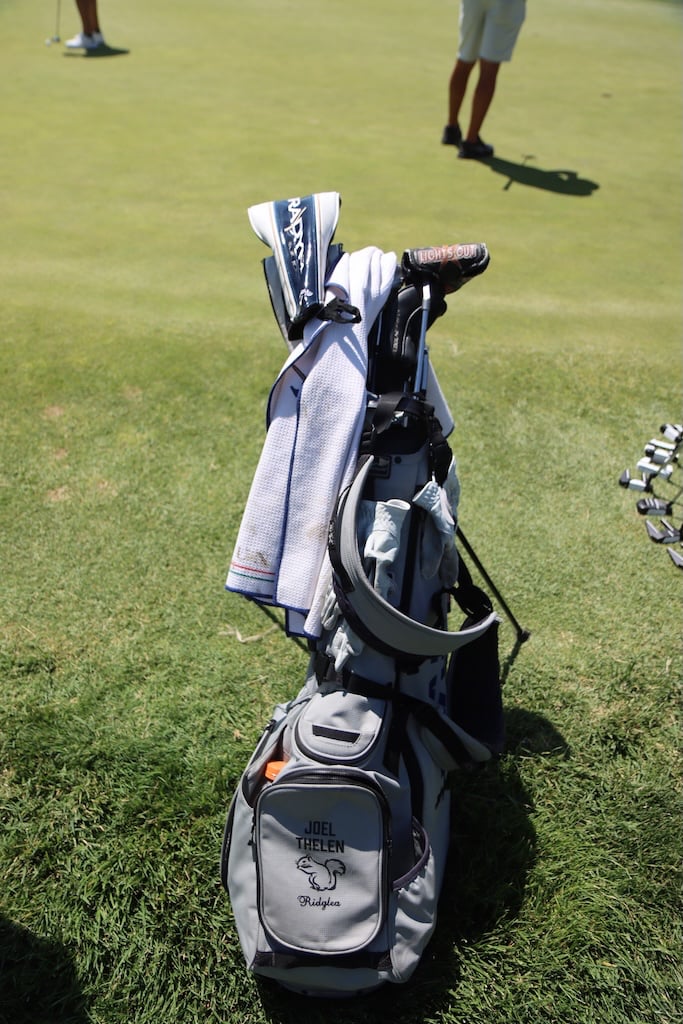
Joel Thelen
Monday Qualifier, Joel Thelen is in the field this week. He has played on the Korn Ferry Tour for a full season in 2023, and he is back in action this week. A couple of clubs caught my eye this week in his bag.
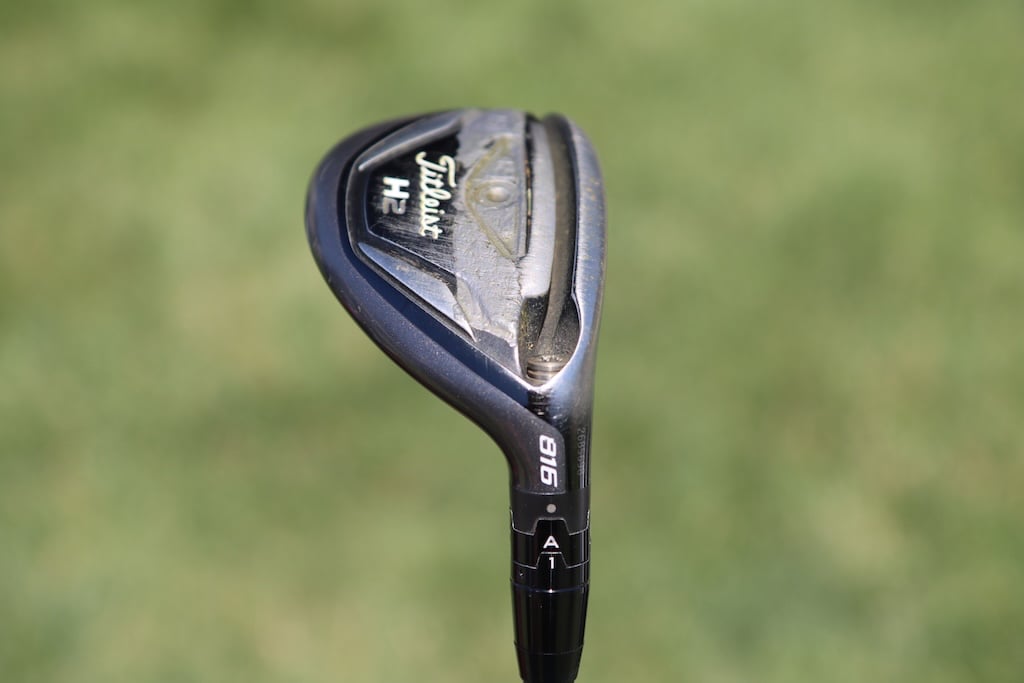
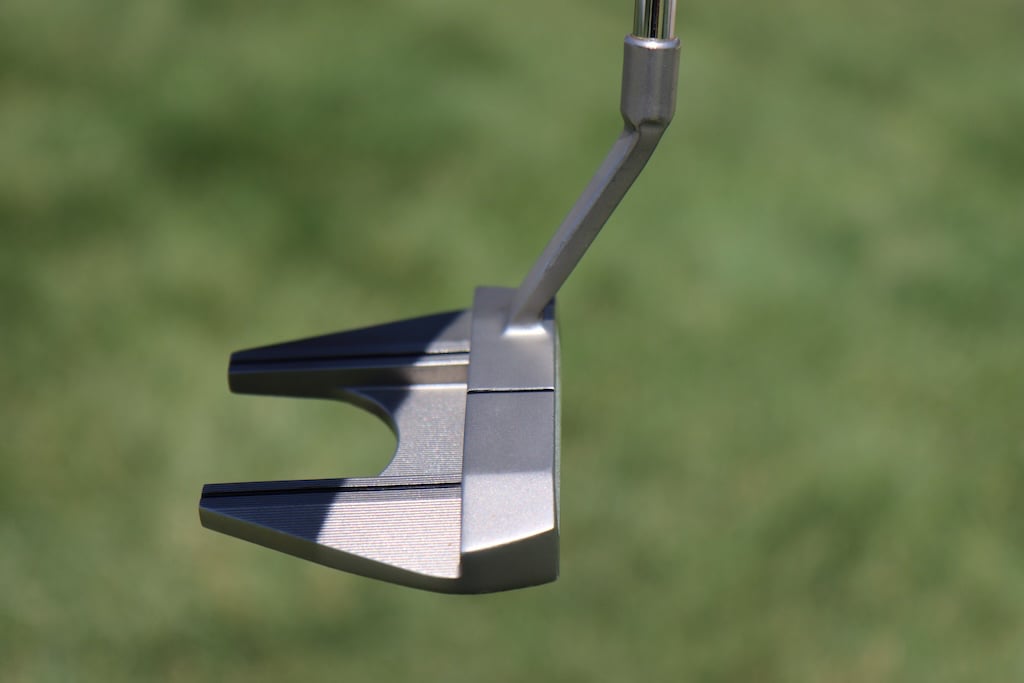
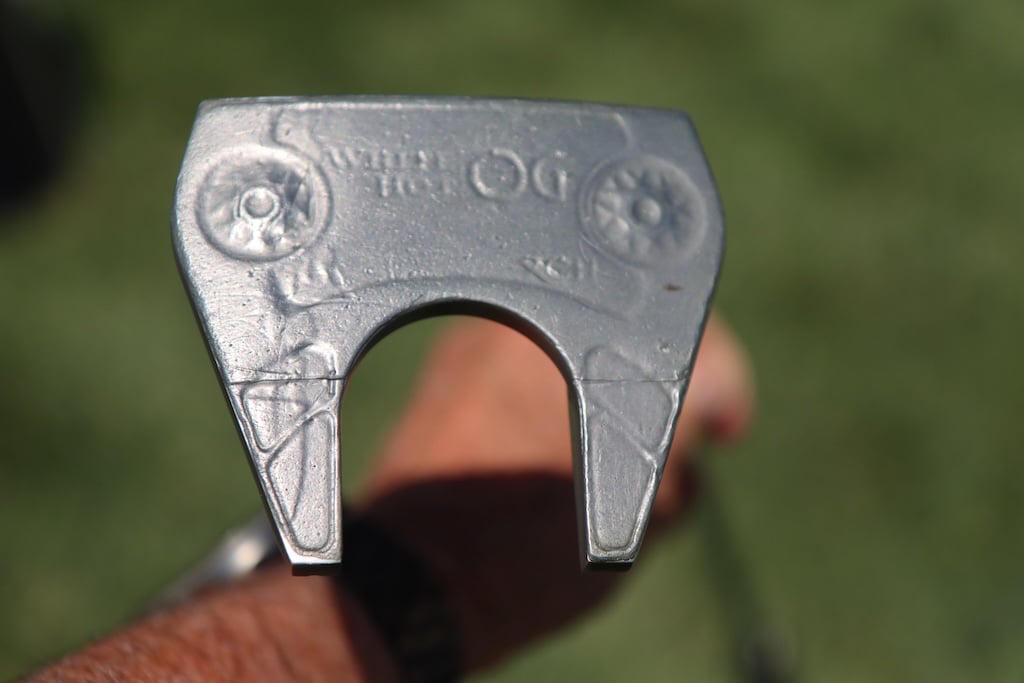
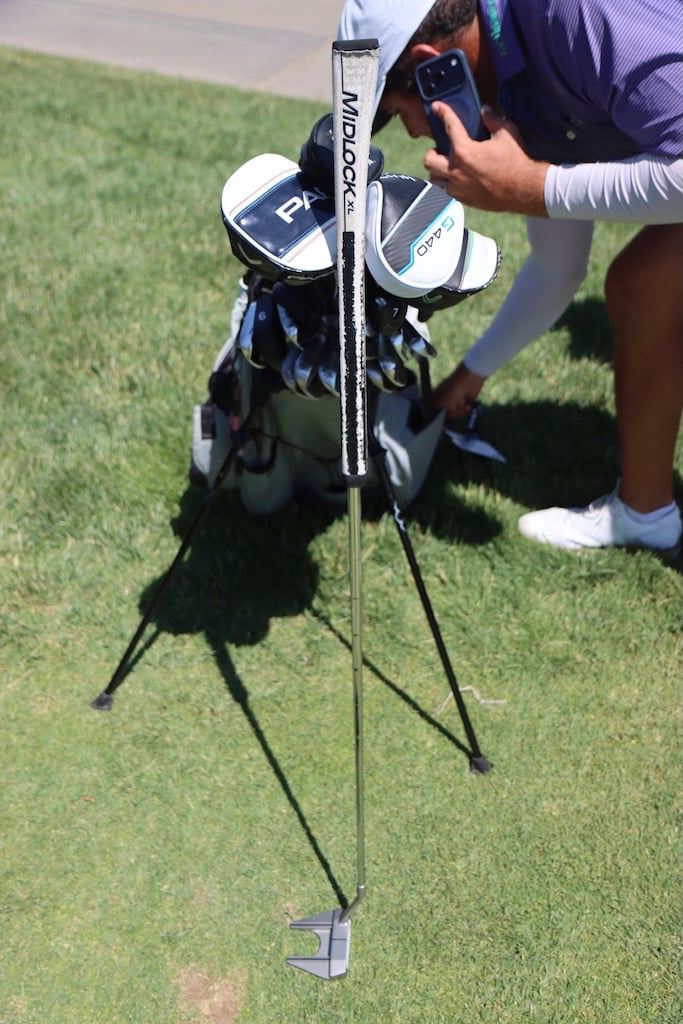
First off: His trusted Titleist 816 H2 hybrid. This club came out in October of 2015, and it still remains strong in the bag. Also, take a look at this Odyssey White Hot OG 7, putting a capital S in the 7S model. This custom neck has some impressive lean for an arm-lock-style putter. The bottom of the putter is covered in tape for optimal weighting.
Mitchell Meissner
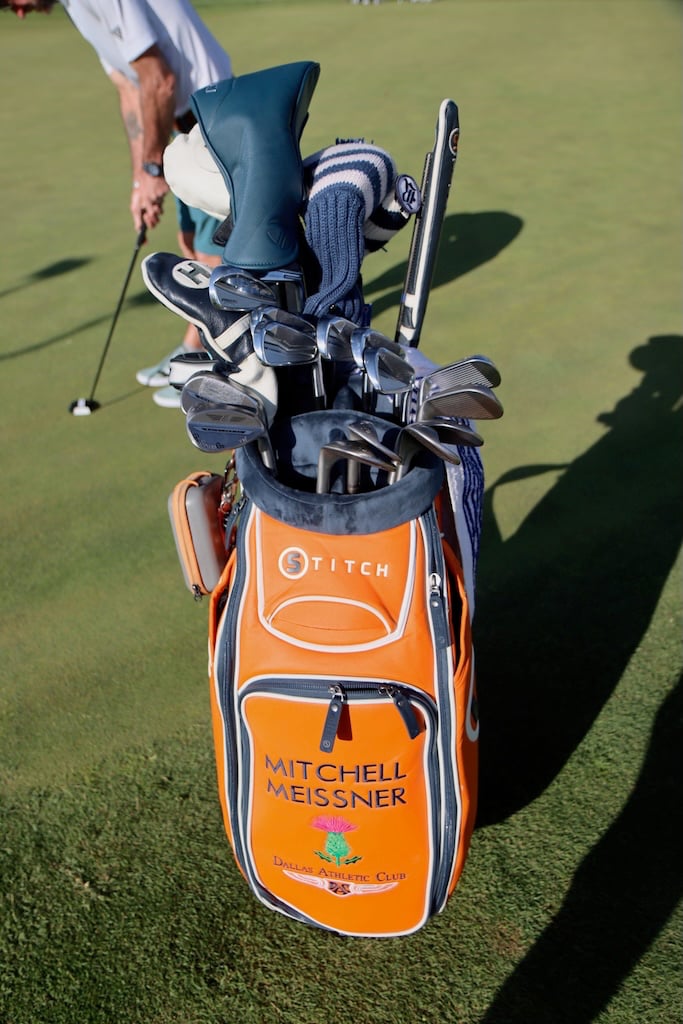
Taking a look at Mitchell Meissner’s bag this week, we have some great lead tape coverage. Top to bottom working from fairway metals, irons, and wedges. We can see on the short irons and wedges that there is tape at the base of the grip, adding a little counterbalance. Along with that, some tape on the short irons and wedges as well. Moving to his putter, he rolls the Odyssey 7 Bird putter. Meissner putts left-handed and strikes the ball right-handed.
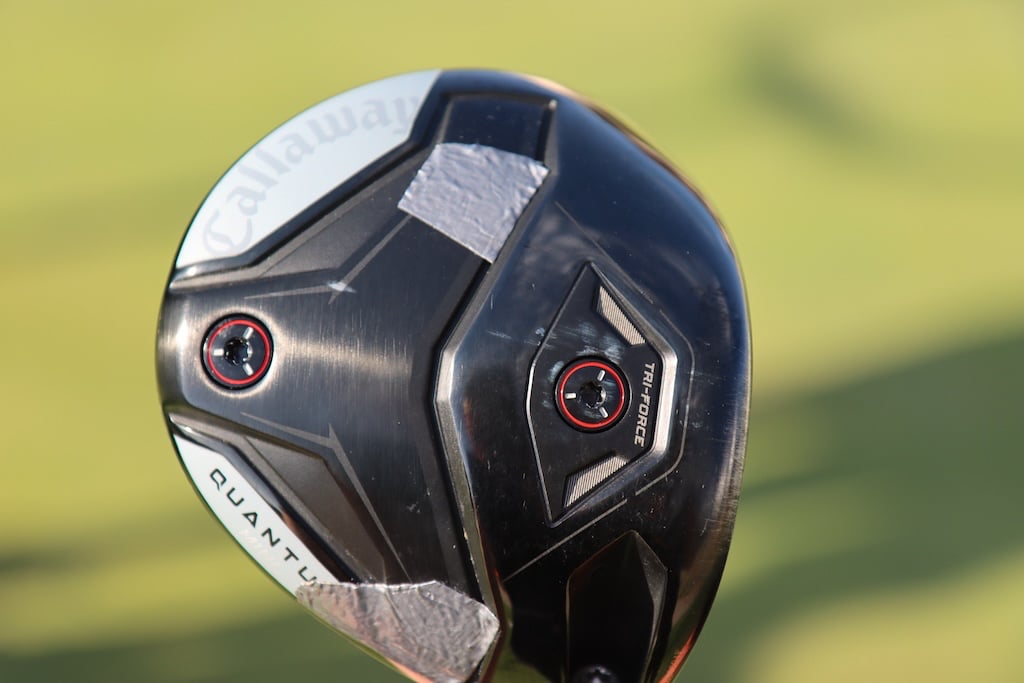
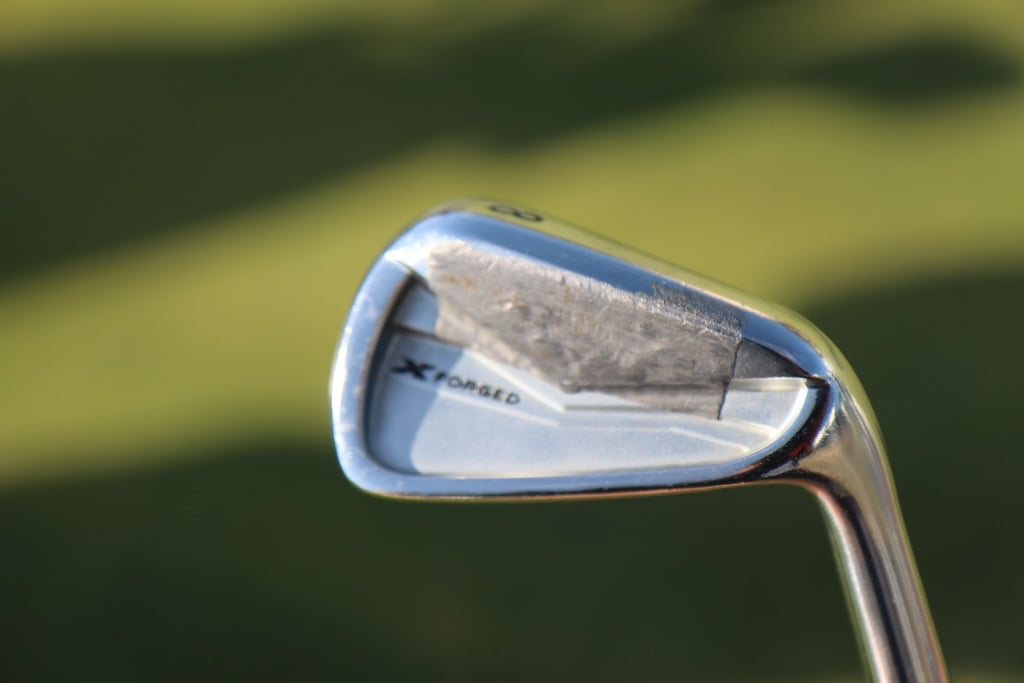

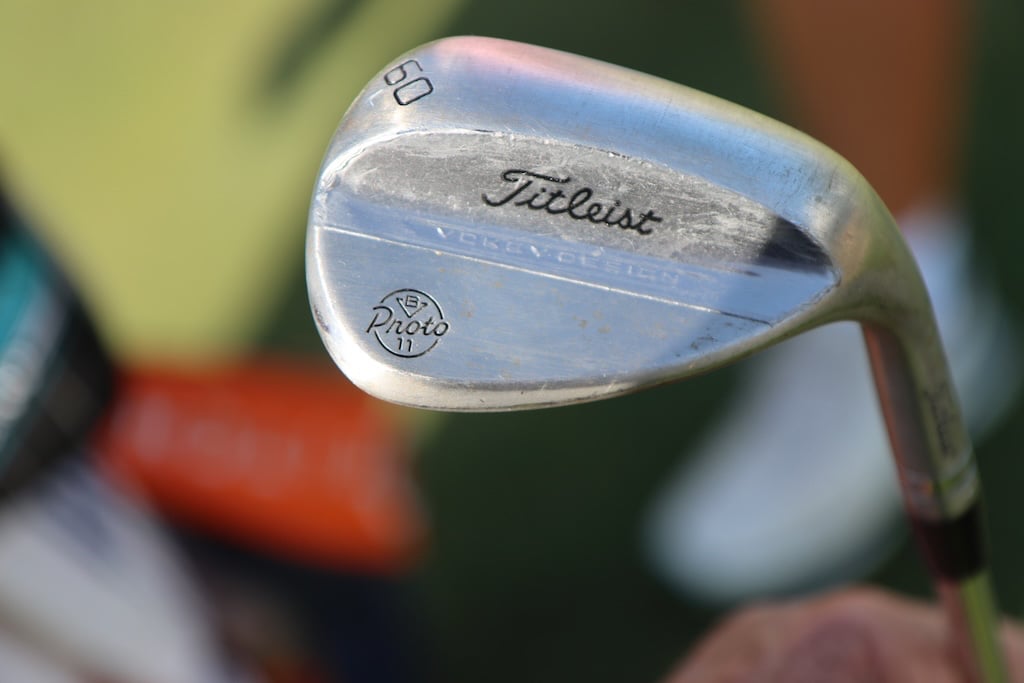

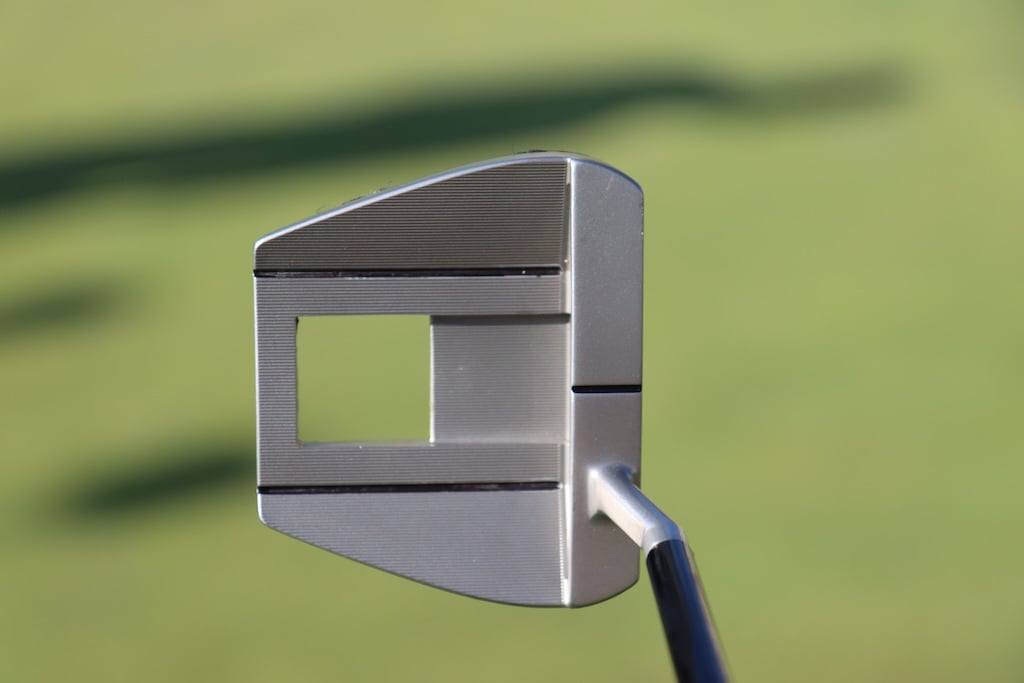


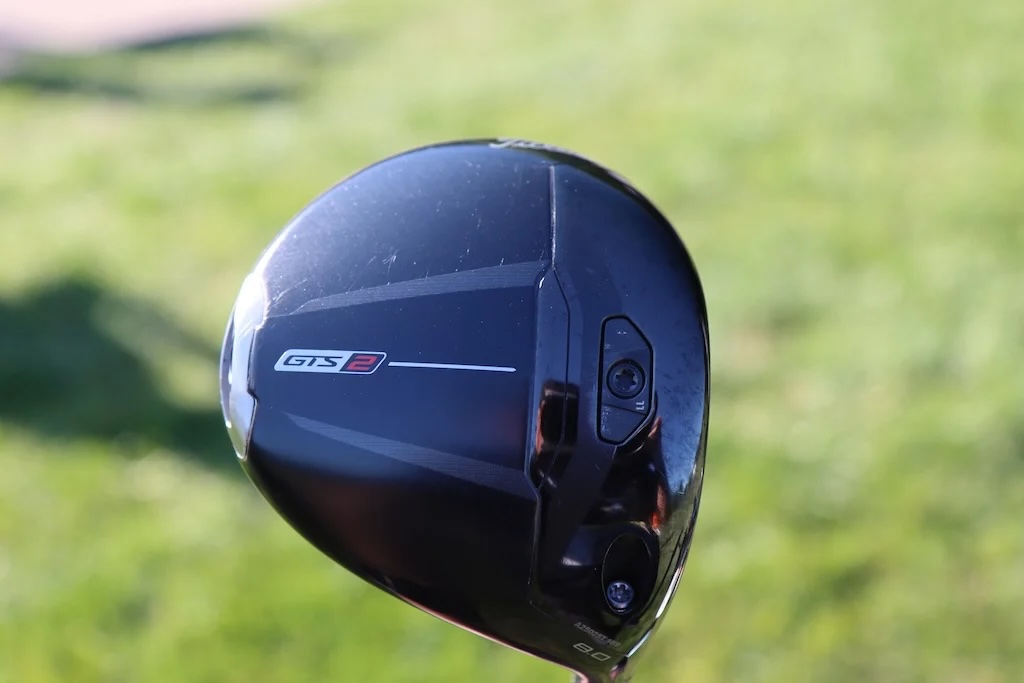
Bud Cauley had >14 clubs in his bag when photographed prior to the Memorial Tournament.
Driver: Titleist GTS2 (8 degrees)
Shaft: Fujikura Ventus Black 6 X
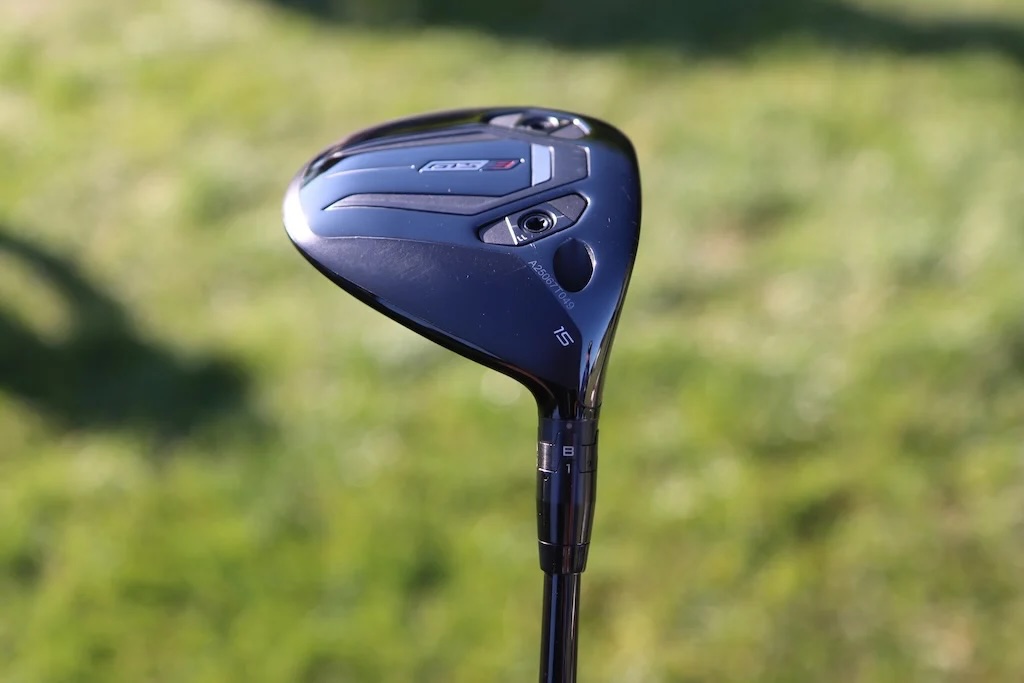
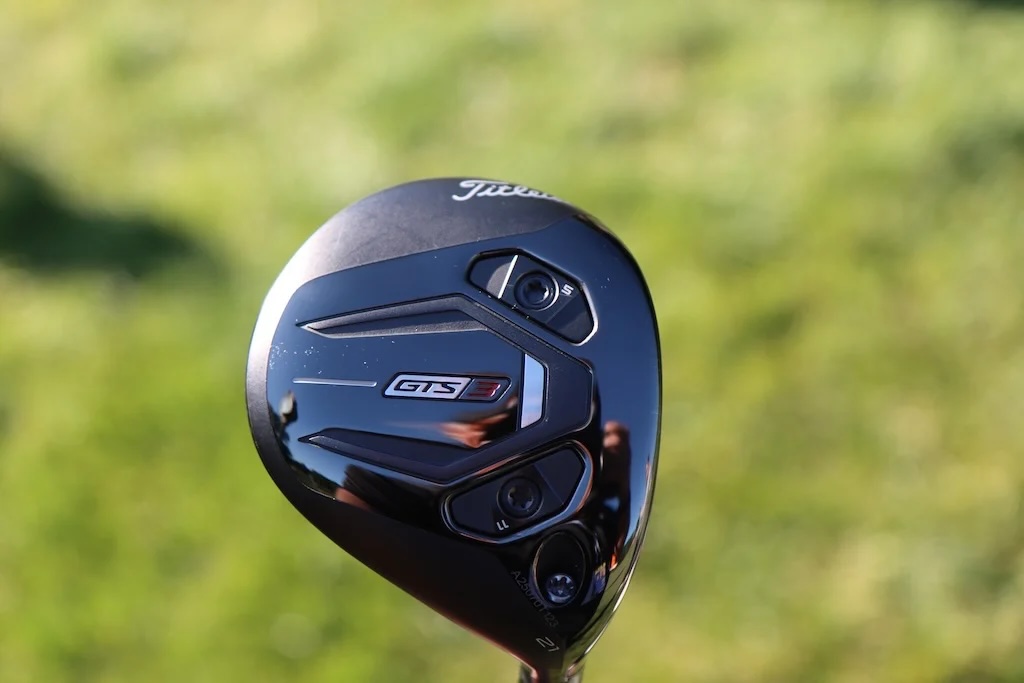
3-wood: Titleist GTS3 (15 degrees, B1 SureFit setting)
Shaft: Mitsubishi Chemical Tensei 1K Pro Red 70 TX
7-wood: Titleist GTS3 (21 degrees, D1 SureFit setting)
Shaft: Mitsubishi Chemical Tensei 1K Pro Red 80 TX
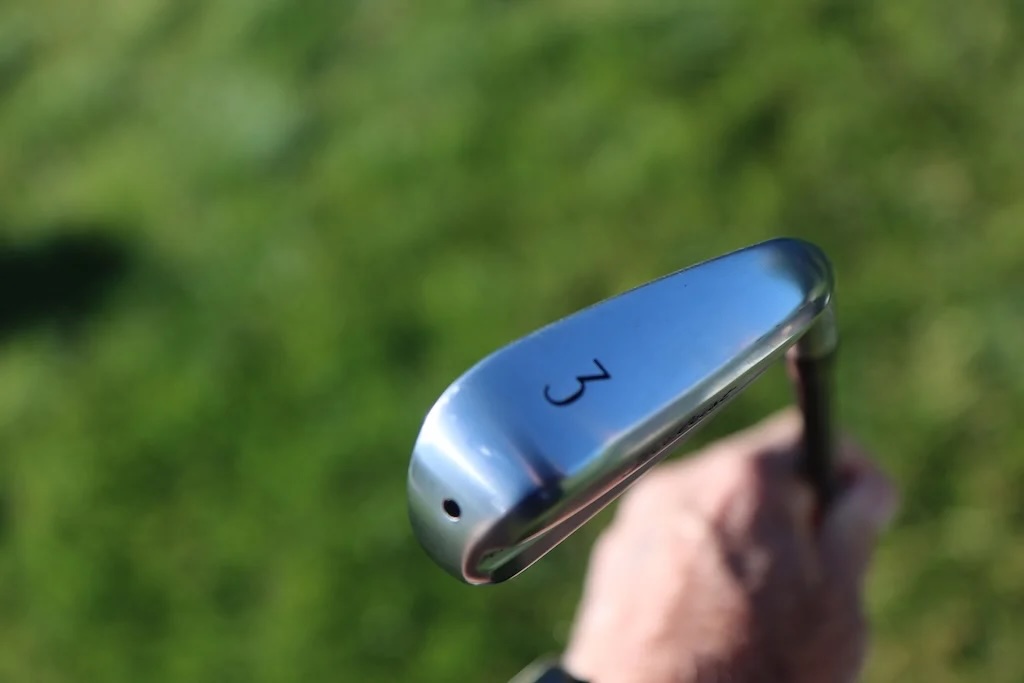
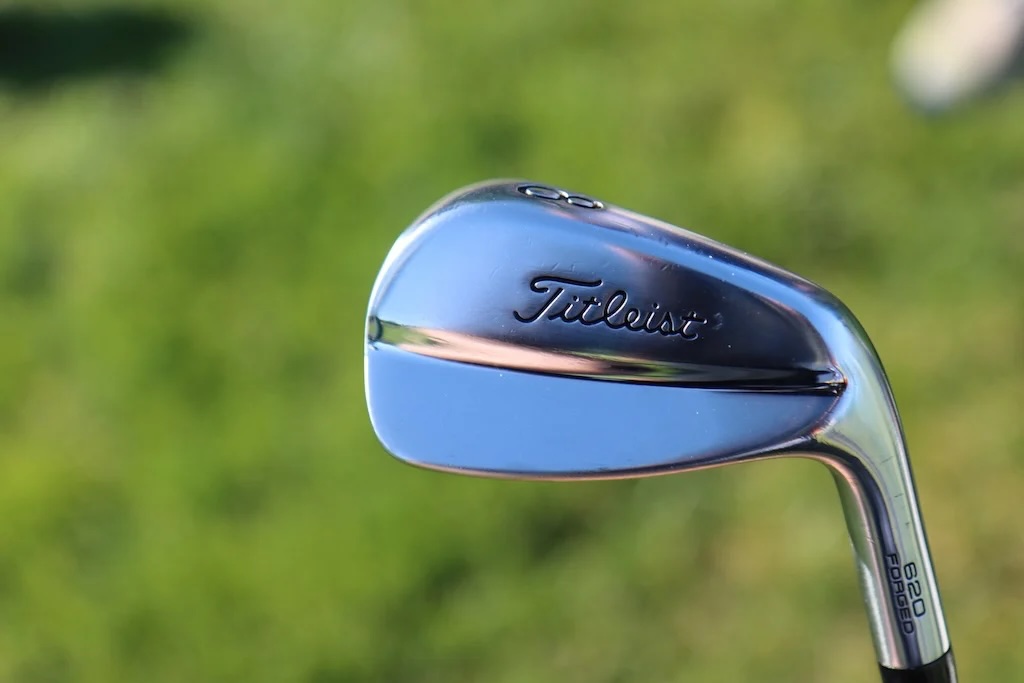
Irons: Titleist U505 (3), Titleist 620 MB (4-9)
Shafts: Fujikura Ventus Black HB 8 X, True Temper Dynamic Gold Tour Issue
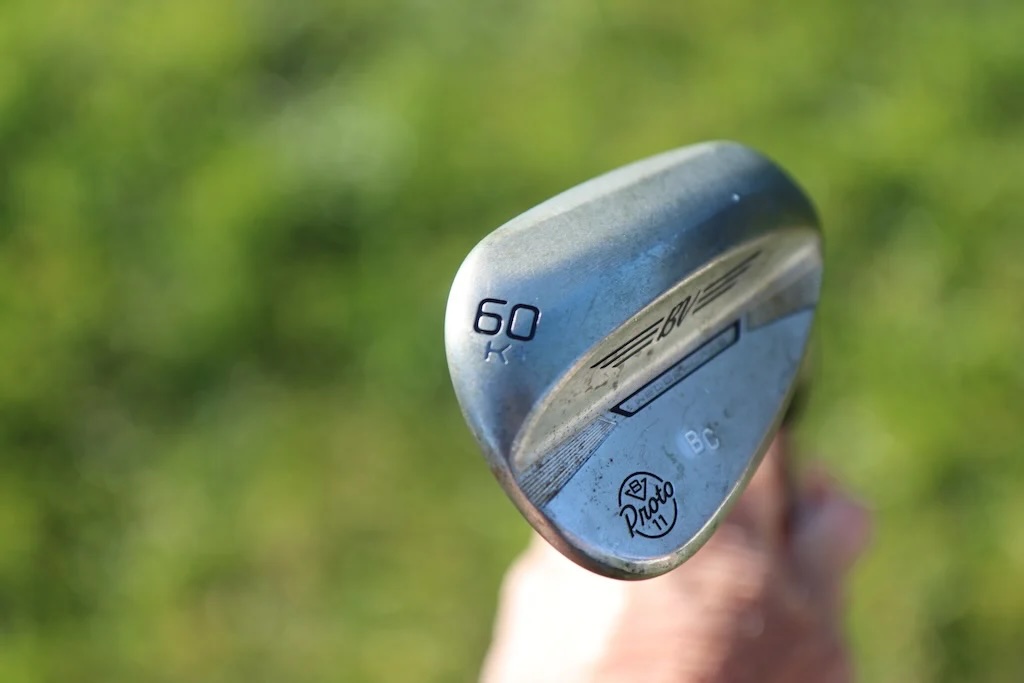
Wedges: Titleist Vokey Design SM11 (48-10F, 52-12F, 56-14F), WedgeWorks (60-K*)
Shafts: True Temper Dynamic Gold Tour Issue S400
Putters: Scotty Cameron Tour Prototype, Scotty Cameron GOLO 6.3 Prototype
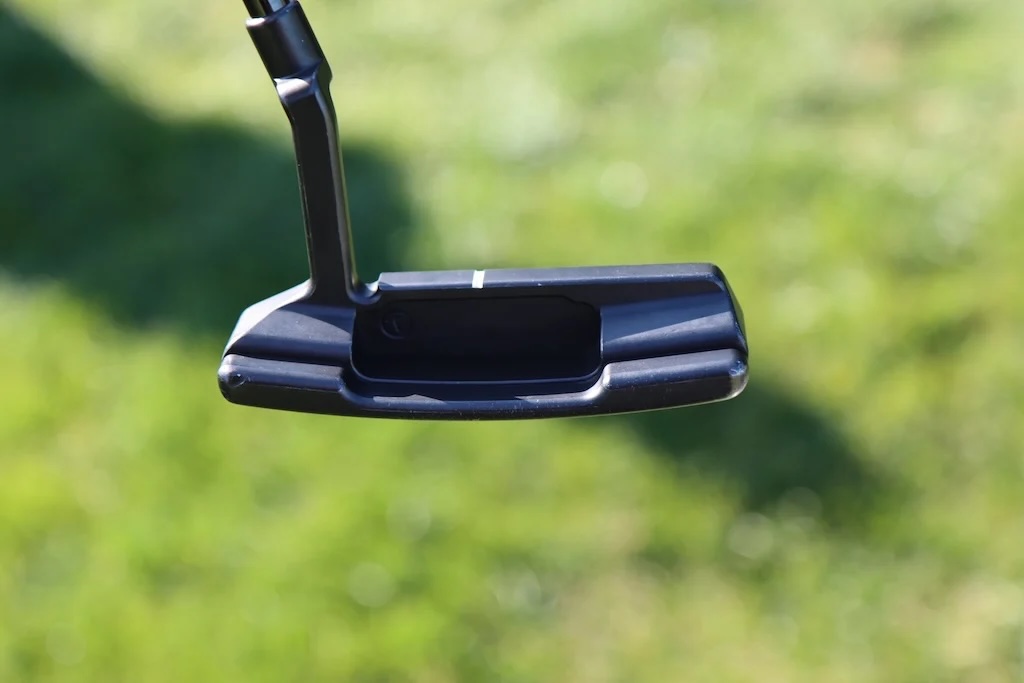
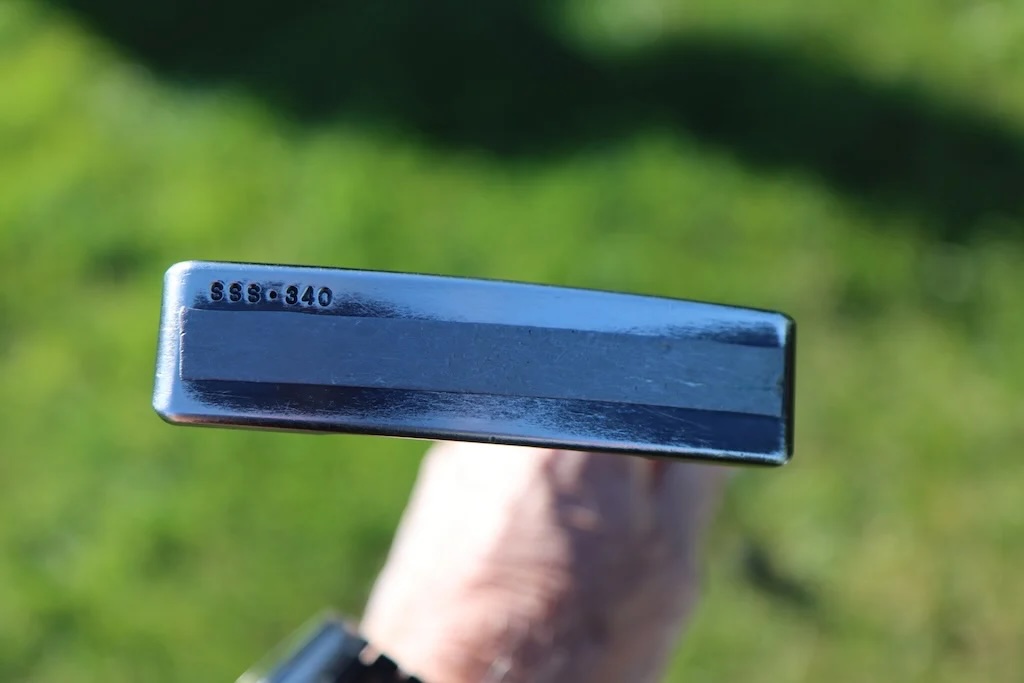
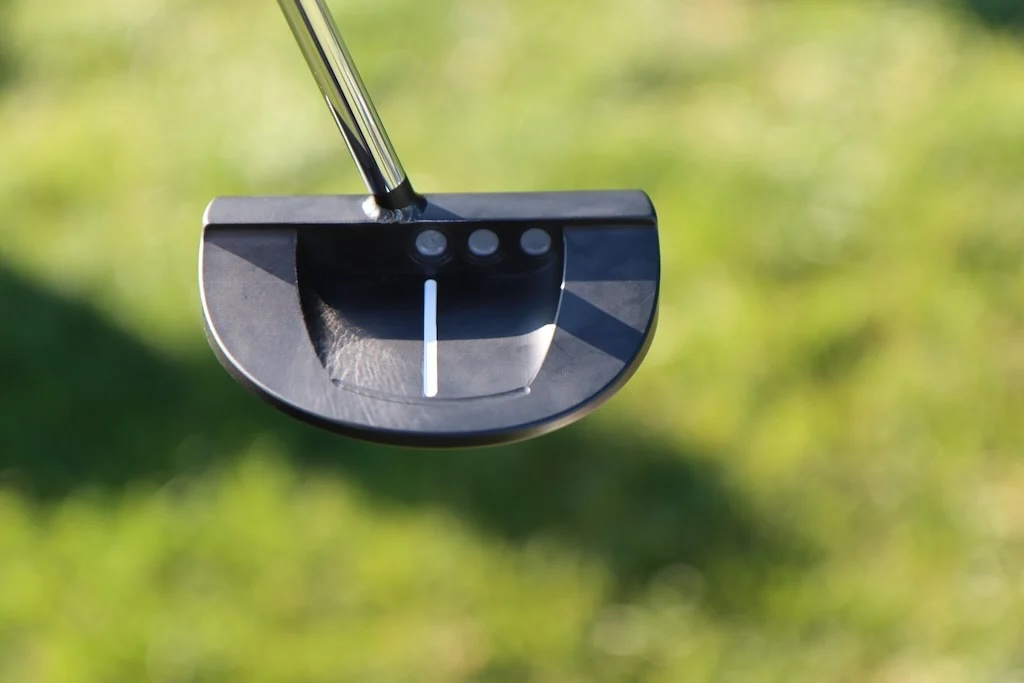
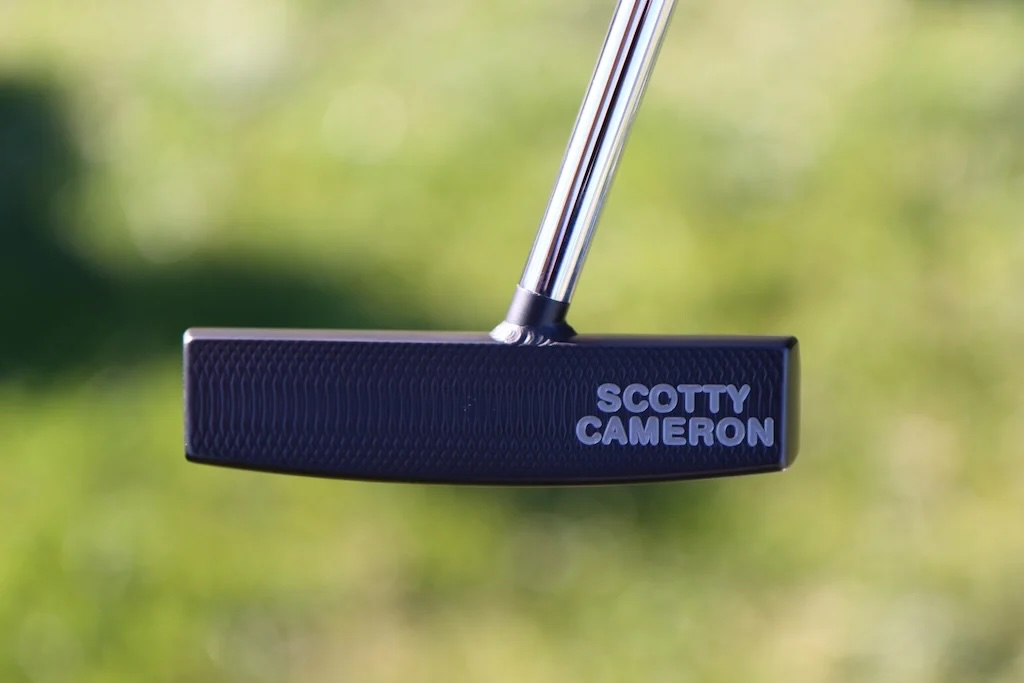
Grips: Golf Pride Tour Velvet Align
Ball: Titleist Pro V1
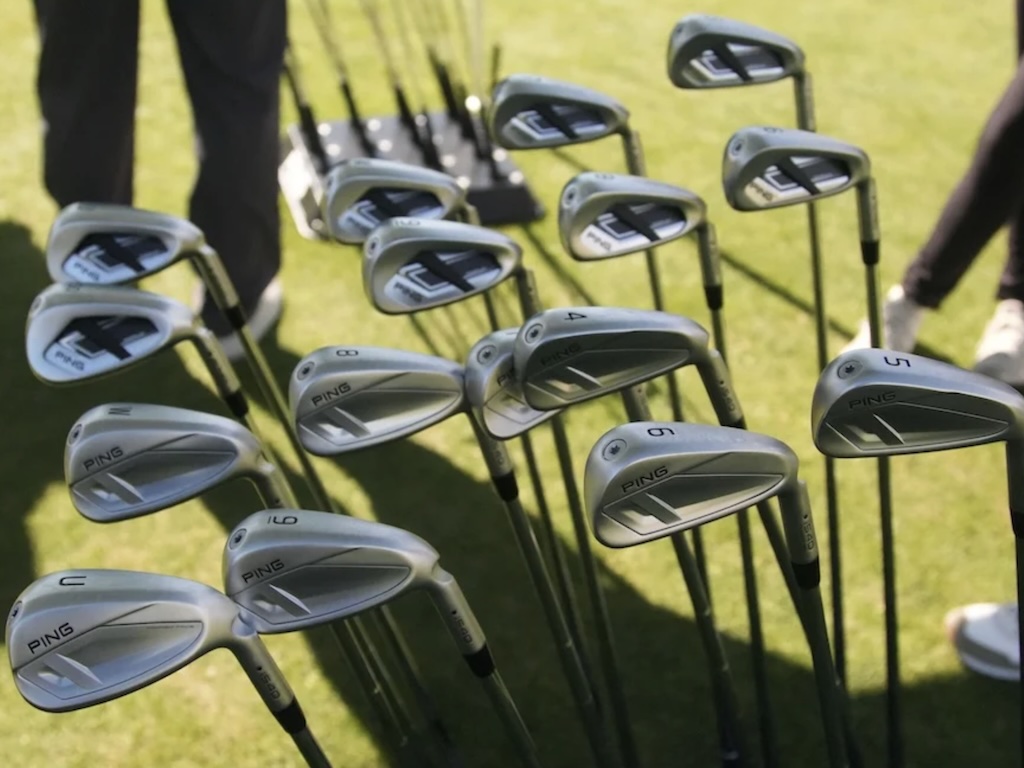
In our forums, one user has offered up a prompt for the true sickos, inviting fellow forum members to share every set of irons they’ve ever owned. As to be expected, this is a lengthy forum topic.
@Lamosteve began:
Can you name every set of irons you’ve owned? Here’s mine
Spalding Dots
Spalding Eclipse
Ram Lazer FX
Lynx Parallax
Mizuno EZ Comp
Ben Hogans
Cleveland CG Red
Taylor Made R9s
PING i20
PING iE1
Taylor Made M6
Our members in the forum have been offering up their own collections. Here are a few posts from the thread, but make sure to check out the entire discussion and have your say at the link below.
- macedan: “Started with a hand-me-down Golden Bear set from my brother when I was in high school, never really played more than once a year or got into the game until about summer of 2017. First purchased a set of Cleveland CG4’s (I actually really miss this set sometimes, soft & not terribly large for a GI iron), moved into Nike Vapor Fly’s by the end of the year. Those lasted until spring of 18 when I decided I wanted new, so I traded them in for TM Rbladez. Honestly, although I liked the Rbladez, poor decision on my part, I think this was really about the only time so far that after a week or two I was kicking myself for not staying with what I had. Rbladez stayed with me until late last summer when I switched to P790’s and (knock on wood) I am hoping this will be my longest lasting set.”
- JimmyC59: “MacGregor Jack Nicklaus Triple Crown. Palmer The Standard. Still play these.”
- jgrzask: “Tommy Armour 845u
Mizuno MP-32
Mizuno MP-33 (2 sets)
Bridgestone J33cb – still own
Srixon i-302 (2 sets) – still own
Tourstage X-Blades – still own
Mizuno Hot Metal – still own
Nike Forged Blades – still own
Titleist 714 AP1 – still own
Cobra Forged SS – still own”

Justin Rose WITB 2026 (April): Full WITB breakdown with new McLaren irons

What’s the story behind Webb Simpson’s custom-stamped irons?

Memorial Tournament Tour Report: Rory McIlroy, Cameron Young switch up drivers, and more

Cadillac Championship Tour Report: Spieth’s sizable changes, McLaren Golf launches, and more

Russell Henley’s winning WITB: 2026 Charles Schwab Challenge

Kristoffer Reitan’s winning WITB: 2026 Truist Championship

J.T. Poston’s winning WITB: 2026 Memorial Tournament

Best irons 2026: Best irons overall, most forgiving irons, and more

Aaron Rai’s winning WITB: 2026 PGA Championship

Cameron Young’s winning WITB: 2026 Cadillac Championship


Bud Cauley WITB 2026 (June)
Bud Cauley had >14 clubs in his bag when photographed prior to the Memorial Tournament. Driver: Titleist GTS2 (8 degrees) Shaft: Fujikura...


Hannah Green WITB 2026 (June)
Driver: Titleist GTS3 (10 degrees, D4 SureFit setting) Shaft: Mitsubishi Chemical Diamana RB 53 S 3-wood: Titleist GT3 (15 degrees,...


Asterisk Talley WITB 2026 (June)
Driver: TaylorMade Qi4D (9 degrees) Shaft: Fujikura Ventus Blue 6 S 3-wood: TaylorMade Qi4D (16.5 degrees) Shaft: Fujikura Ventus Blue...

Brianna Do WITB 2026 (June)
Driver: Callaway Quantum Triple Diamond (9 degrees) Shaft: KBS PGW 3-wood: Callaway Elyte Titanium (15 degrees) Shaft: KBS PGW 5-wood:...
-
 Equipment6 days ago
Memorial Tournament Tour Report: Rory McIlroy, Cameron Young switch up drivers, and more
-
 News2 weeks ago
Russell Henley’s winning WITB: 2026 Charles Schwab Challenge
-
 Whats in the Bag4 days ago
J.T. Poston’s winning WITB: 2026 Memorial Tournament
-
 Equipment3 days ago
Best irons 2026: Best irons overall, most forgiving irons, and more
-
 Equipment1 week ago
Details on Jason Day’s latest prototype Avoda iron setup
-
 Equipment3 weeks ago
CJ Cup Byron Nelson Tour Report: Koepka and Kim’s newest putters finally get hot
-

 News2 weeks ago
Charles Schwab Challenge Tour Report: MacIntyre, Åberg and Spaun all switch putters, TaylorMade launches new Spider
-
 Equipment2 weeks ago
Details on J.J. Spaun’s surprise putter switch


Rob
Apr 15, 2021 at 12:05 am
I am currently building a set of Apex 19s. The inconsistency between heads is surprising. I understand the heads get heavier through the set, but the weight differences aren’t consistent. The 5i, 7i, and 9i are heavier by a large margin. It took some time to figure out correct tip weights to create both consistent swing weights and overall club weights for the set.
Shallowface
Jun 2, 2020 at 10:08 am
Another tricky thing regarding grips that many people ignore is how much the shaft tapers in the butt section. Some shafts don’t taper at all, and other shafts taper significantly. It particularly affects the grip size under the trail hand, and considering how often these days a set will have a number of different models of shafts one can end up with a variety of grip sizes throughout the set if one isn’t careful to address this, whether in the initial build or when regripping.
Nathan
Jun 1, 2020 at 7:12 pm
Ryan is the best club builder I’ve ever run into…guy knows his stuff.