
Equipment
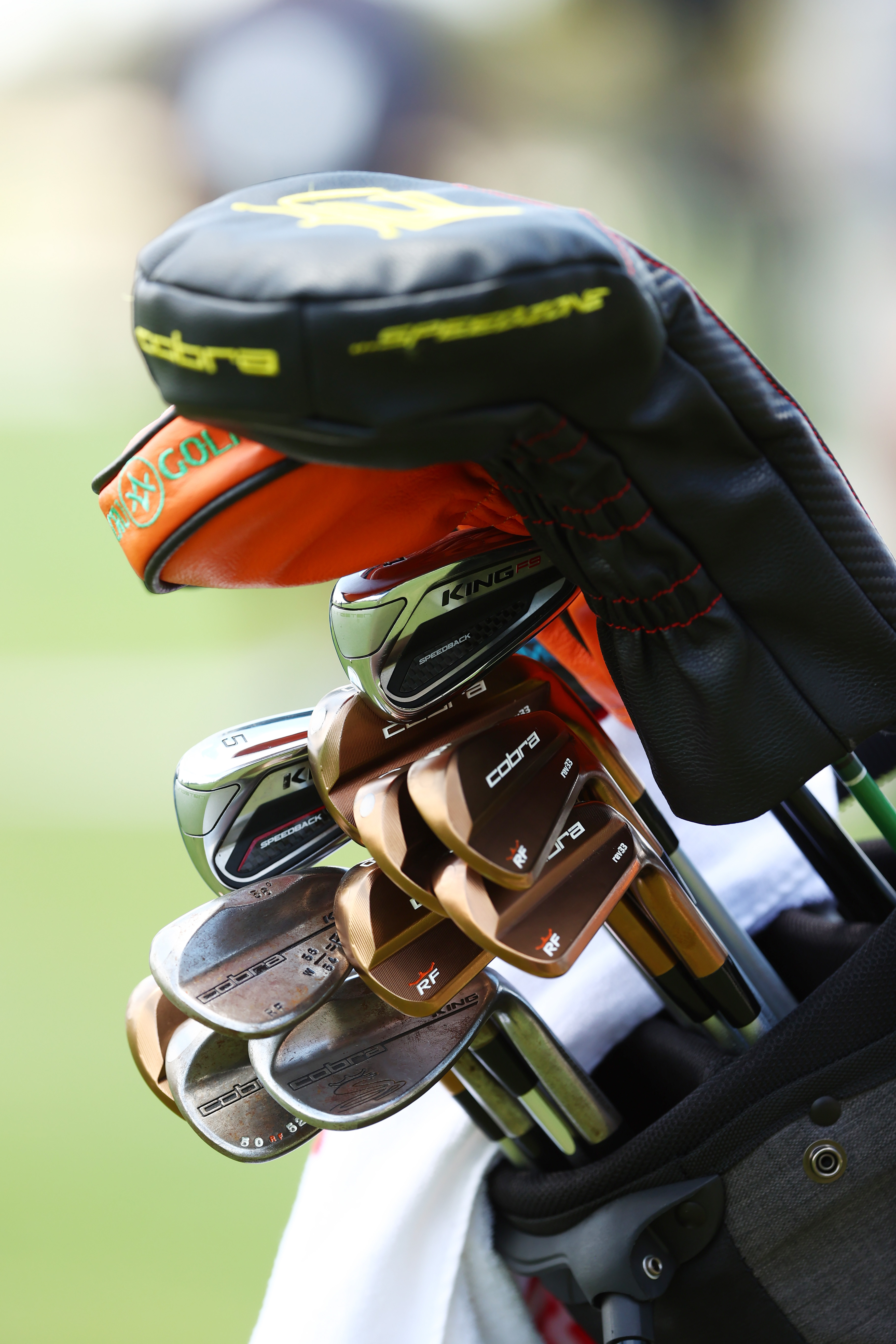
GolfWRX Insider: Inside the development of Rickie Fowler’s Cobra irons (plus full specs)

It’s been nearly 10 years since Rickie Fowler showed up on a PGA Tour driving range with Cobra blades in the bag. He was coming off of a 2010 rookie campaign that immediately put the young Californian into every big golf conversation there was to be had. Its been fun looking back at the work that has been done thus far, but oh my, did they go into a rabbit hole on this project.
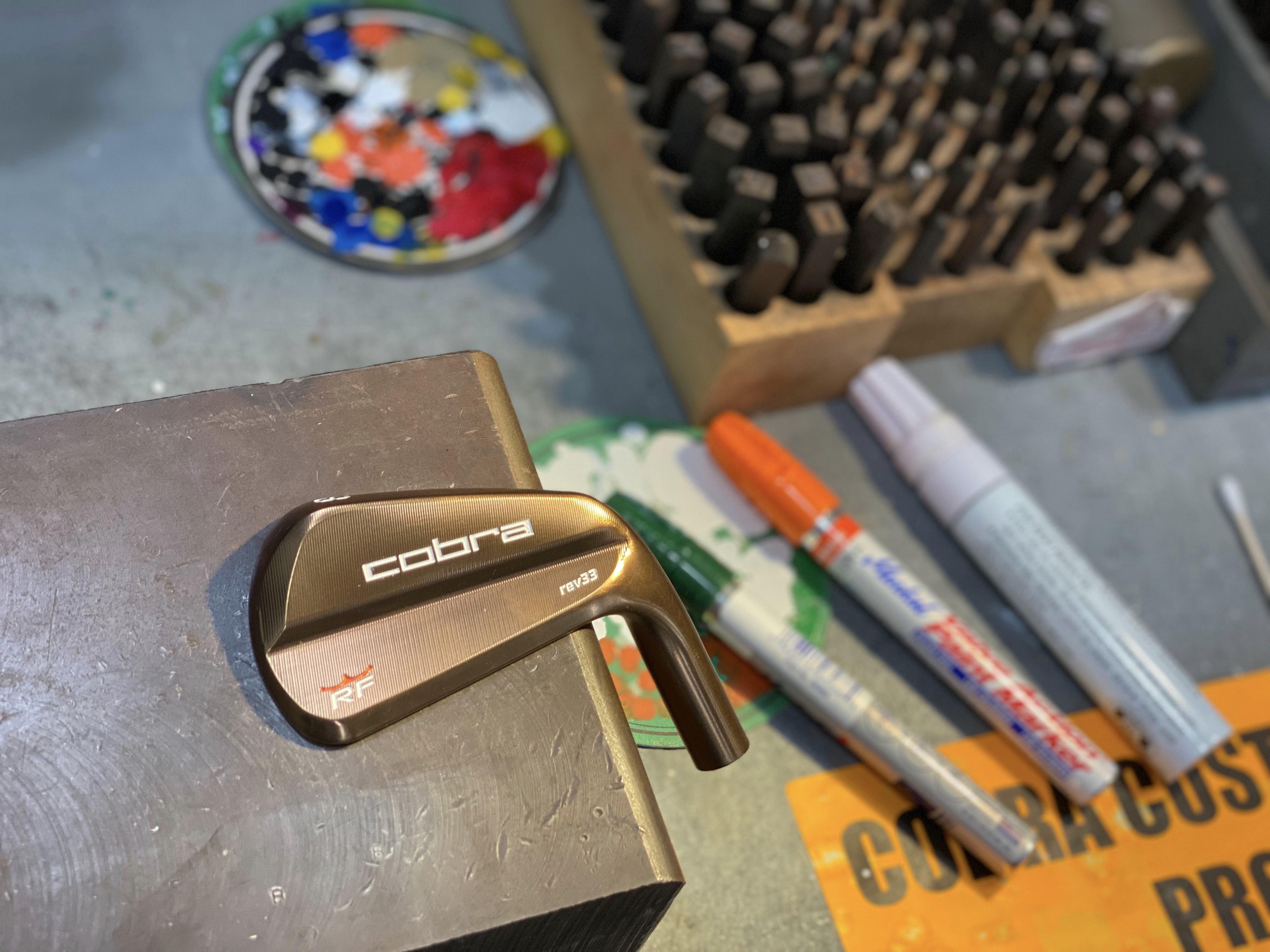
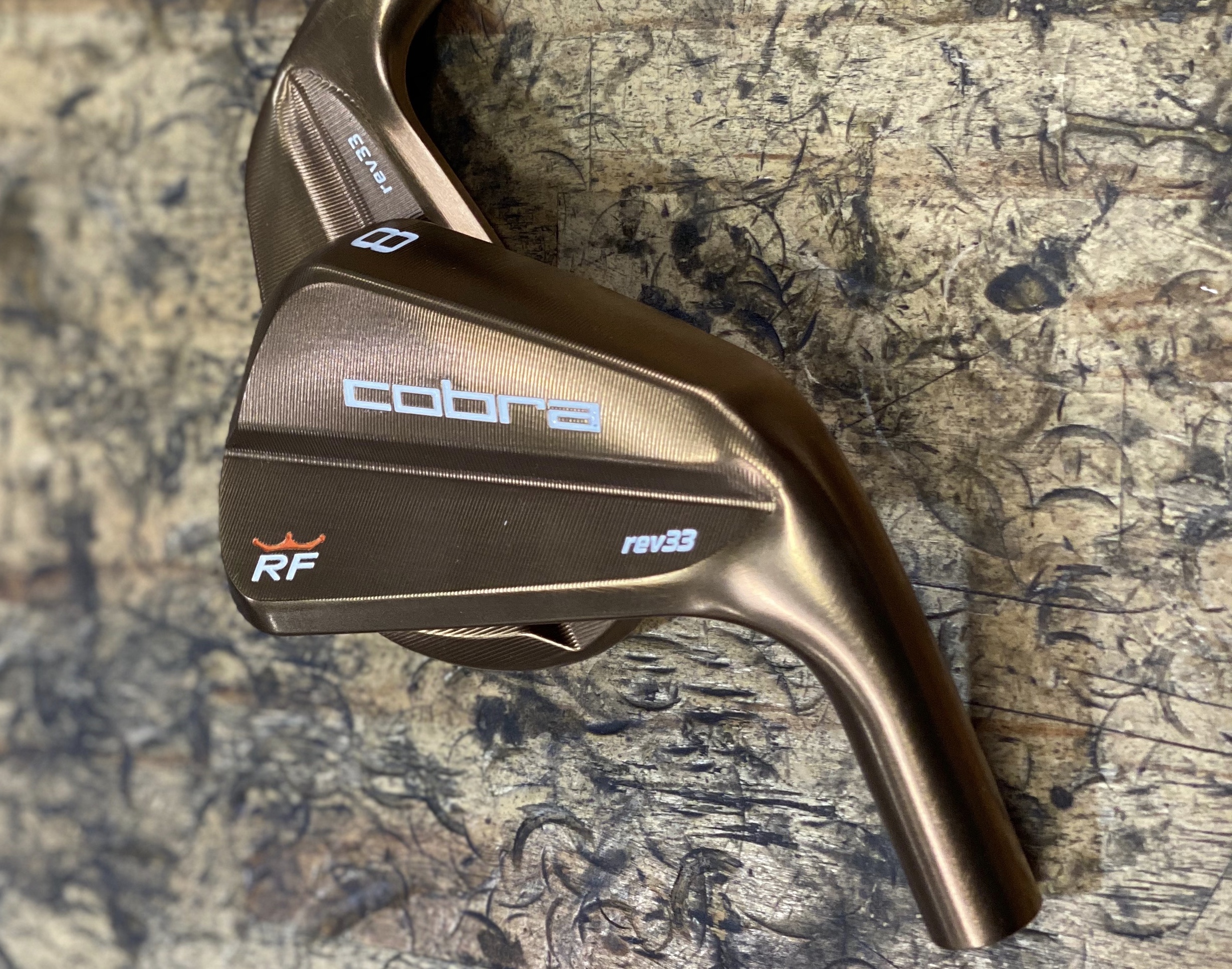
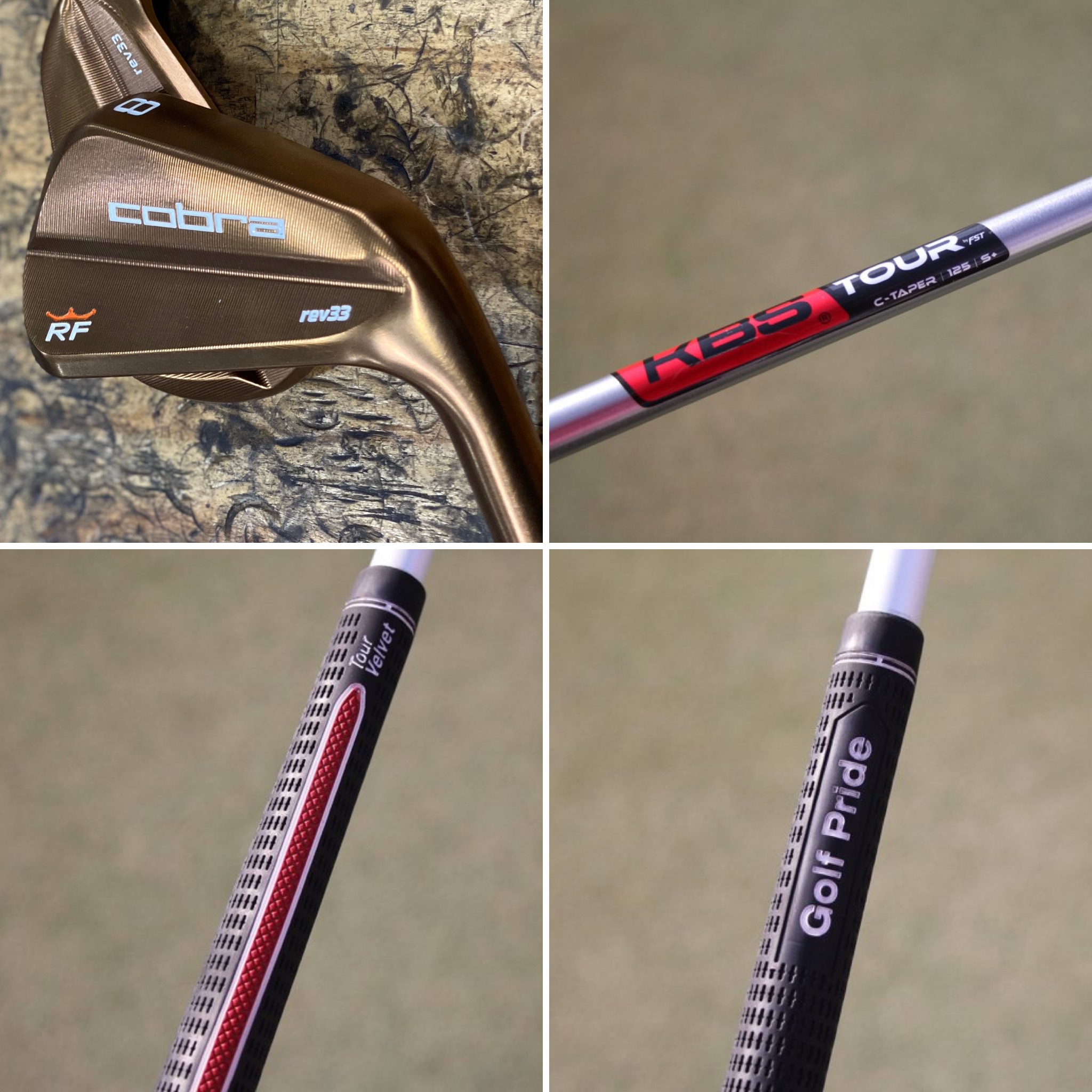
On Sunday, Fowler will debut a set of the most unique forgings I’ve seen in a long time…maybe ever. The Cobra Golf Rev33 (33rd revision) muscleback irons are the brainchild of Cobra R&D, Director of Tour Operations Ben Schomin and Rickie Fowler. As you can see in the photos, getting here took some serious engineering chops and a lot of Rickie’s imagination.
The development process of the Rev33 took place over a year, from late 2018 to late 2019, and in that time Cobra R&D, Fowler, and Schomin had one goal in mind—make an iron designed with Rickie Fowler that inspired confidence in Rickie Fowler.
I had a chance to chat with Cobra’s Director of Tour Operations Ben Schomin on the development of the Rev33, and this is what he had to say.
JW: This isn’t the first time you have collaborated with Rickie on a Cobra iron. What made this experience feel different?







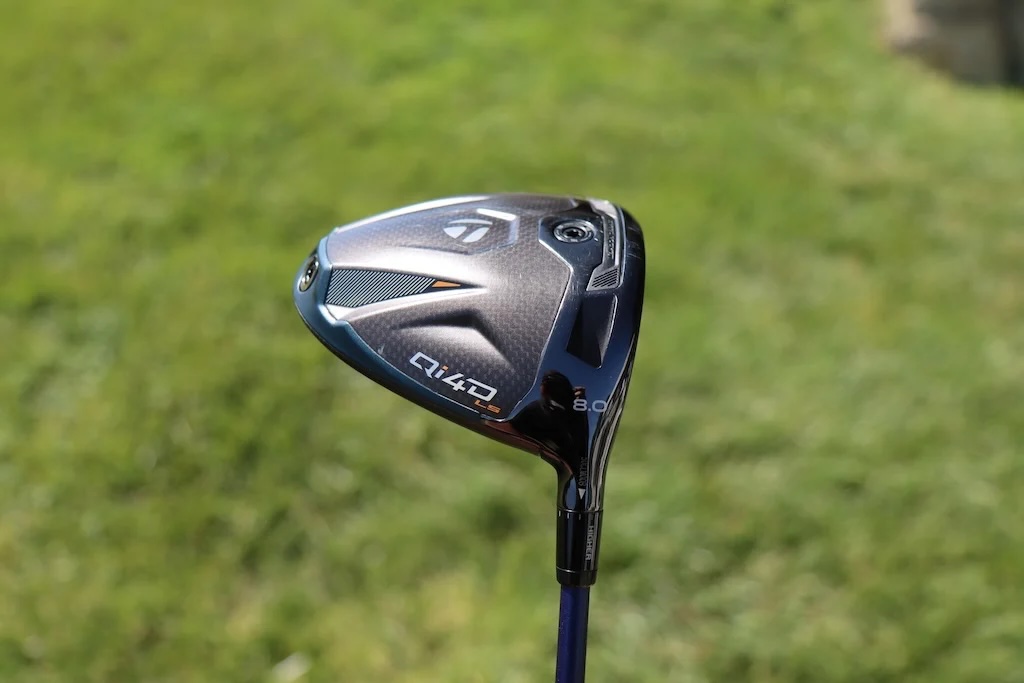
Driver: TaylorMade Qi4D LS (8 degrees)
Shaft: Fujikura Ventus TR Blue 6 X
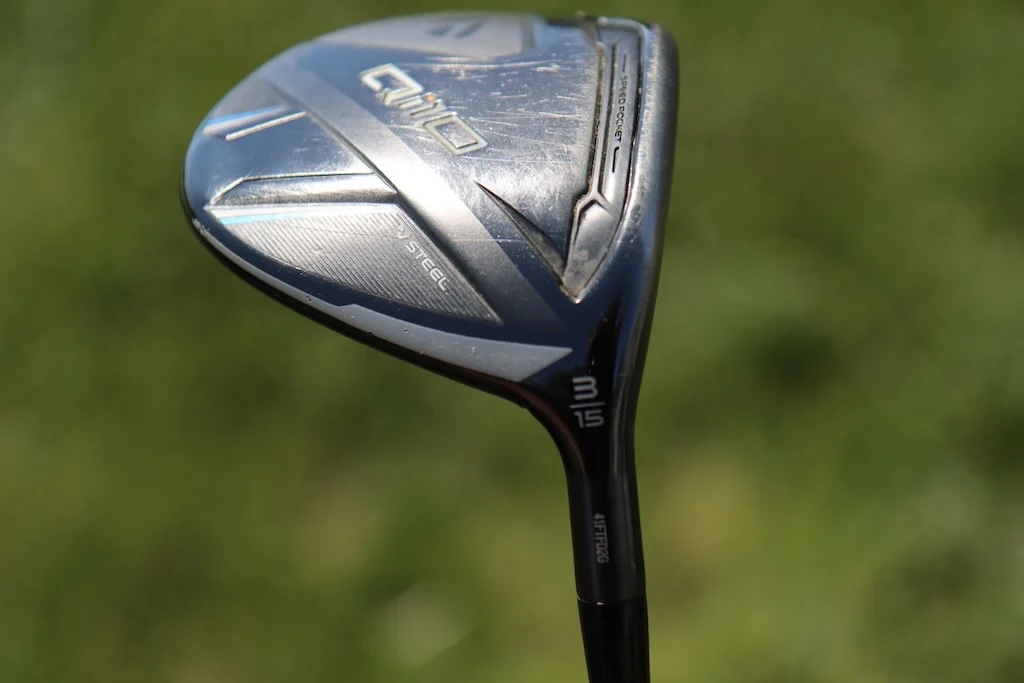
3-wood: TaylorMade Qi10 (15 degrees)
Shaft: Fujikura Ventus Black 9 TX
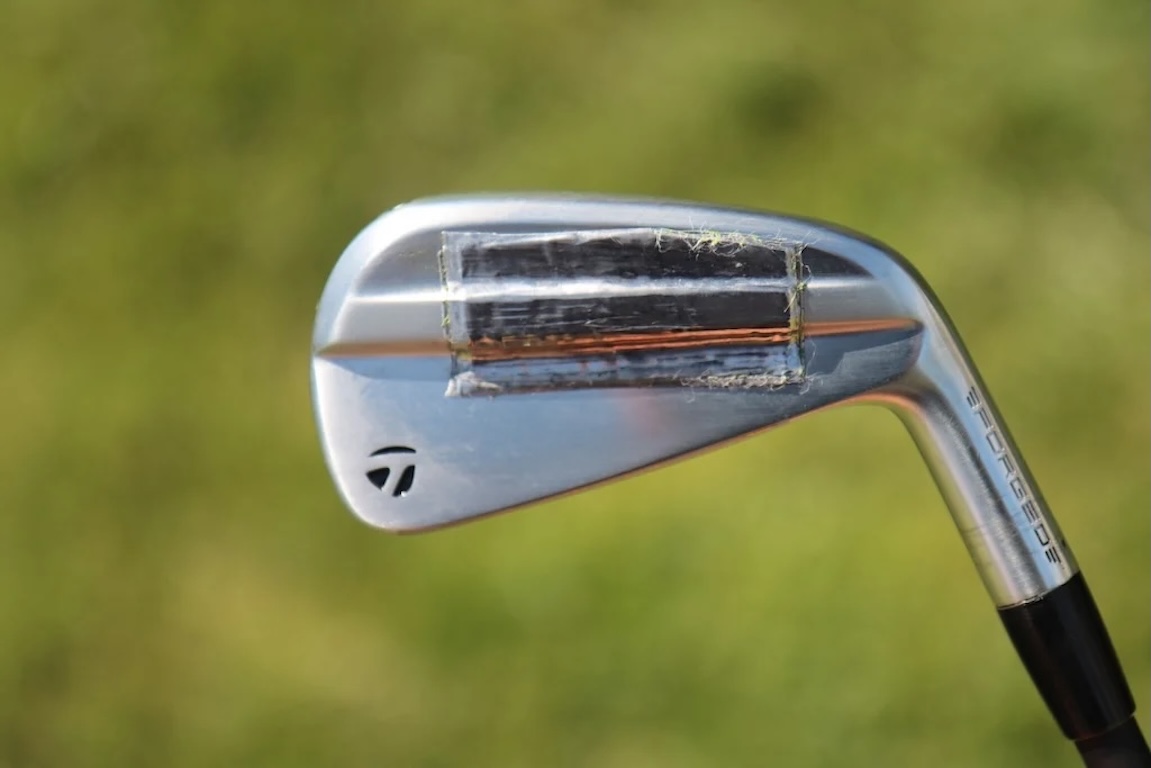
Irons: TaylorMade P770 (3), TaylorMade P7CB (4), TaylorMade P7TW (5-PW)
Shafts: Fujikura Ventus Black HB 10 X, True Temper Dynamic Gold X100
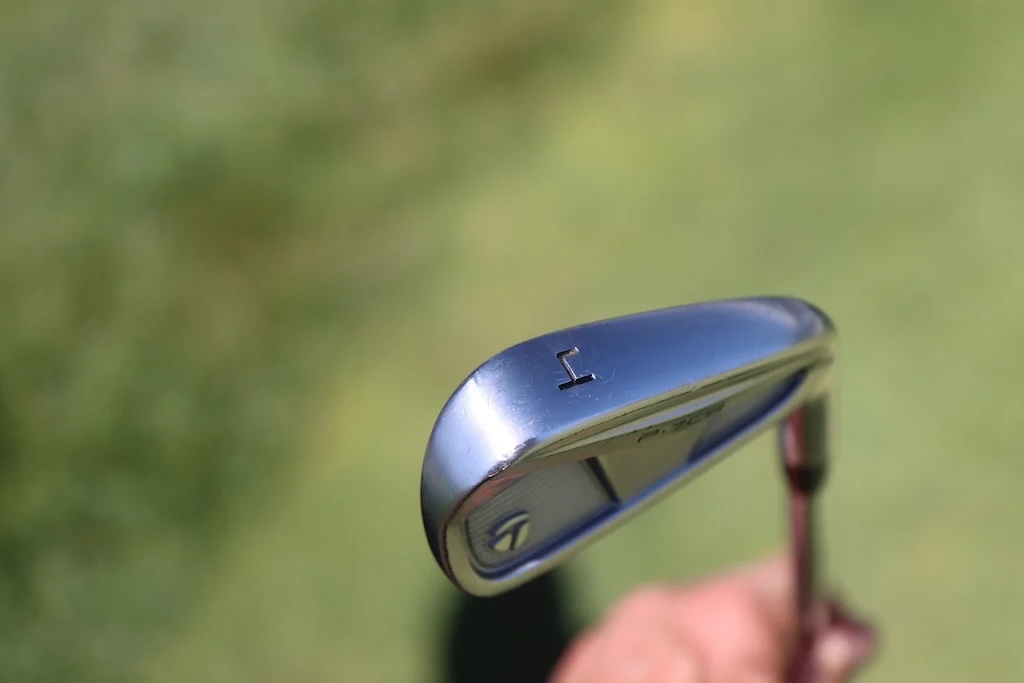
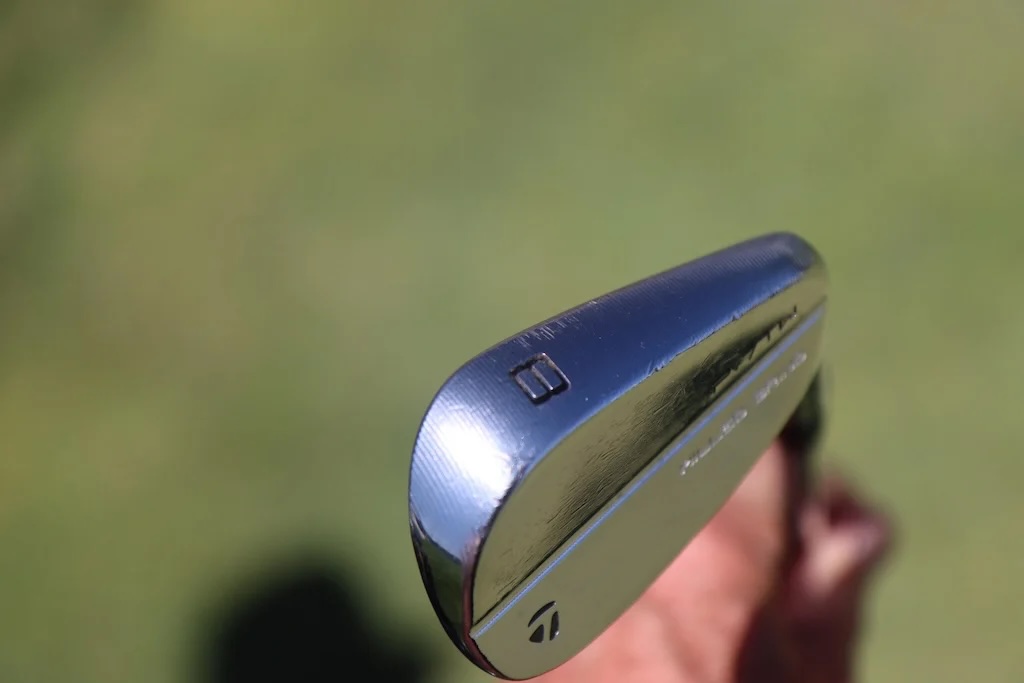
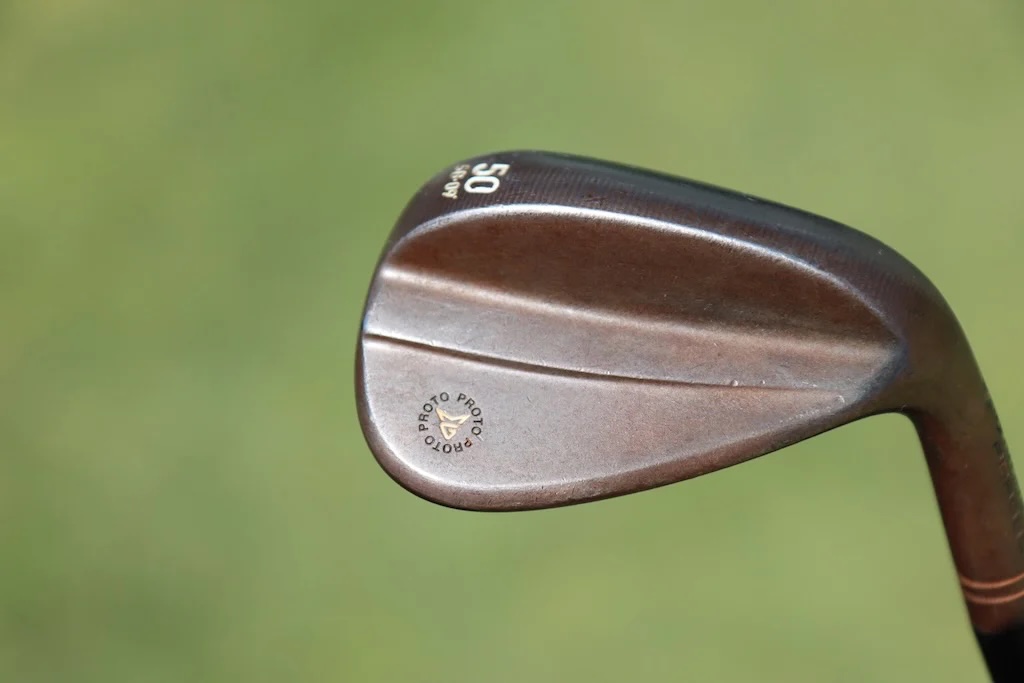
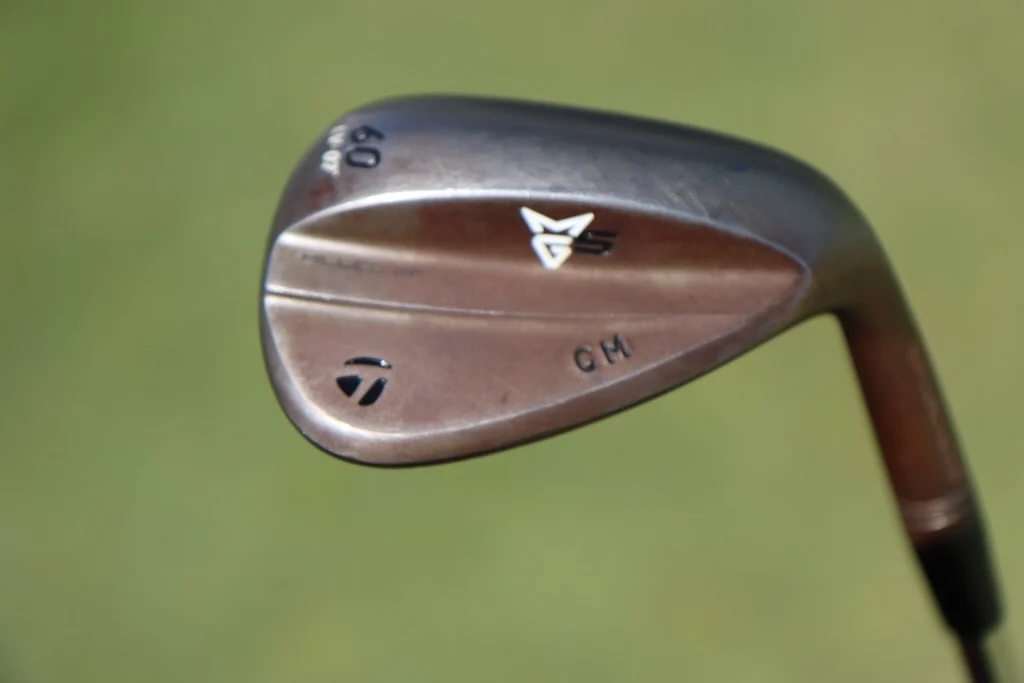
Wedges: TaylorMade Prototype (50-SB09), TaylorMade MG5 (56-HB12, 60-LV07)
Shafts: True Temper Dynamic Gold S400
Putter: TaylorMade TP Juno
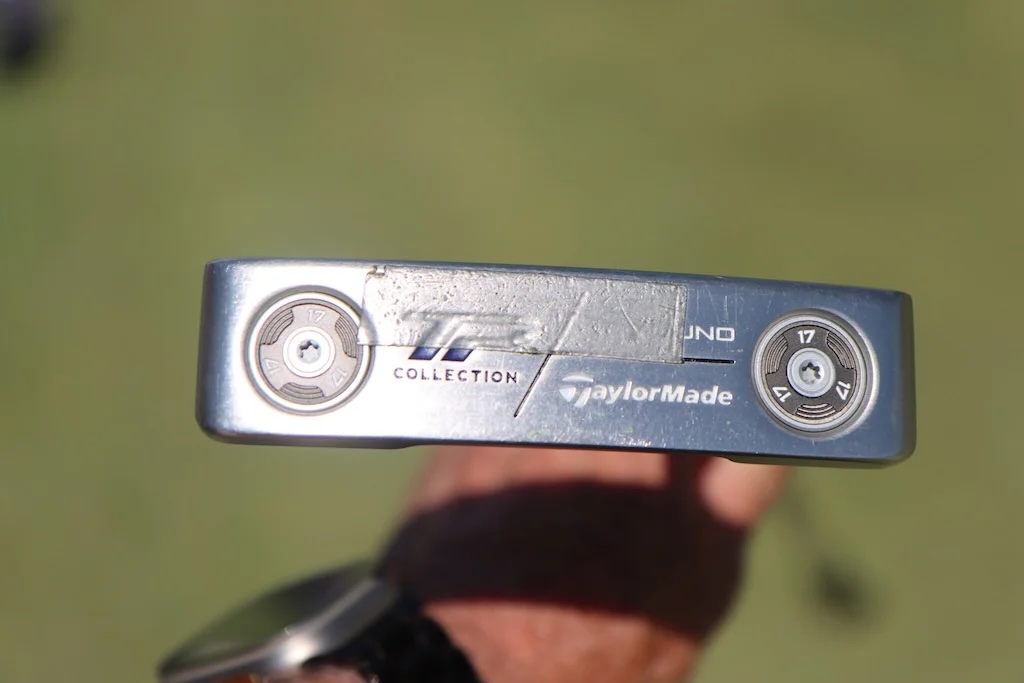
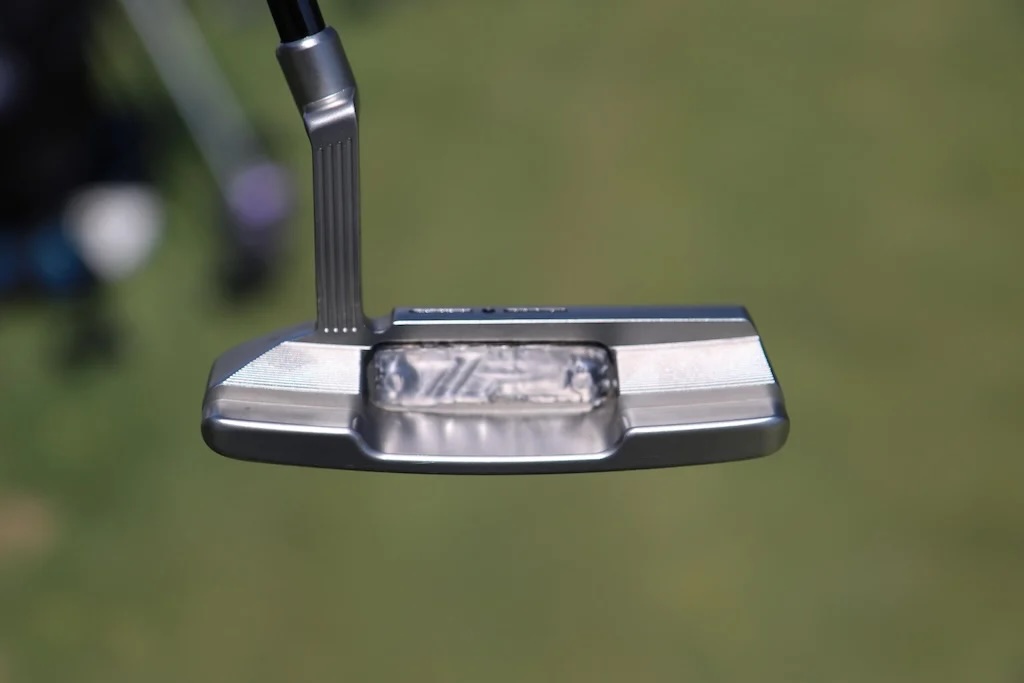
Ball: Titleist Pro V1x
Grips: Golf Pride Tour Velvet Cord
Check out more in-hand photos of Christiaan Maas’ clubs here.
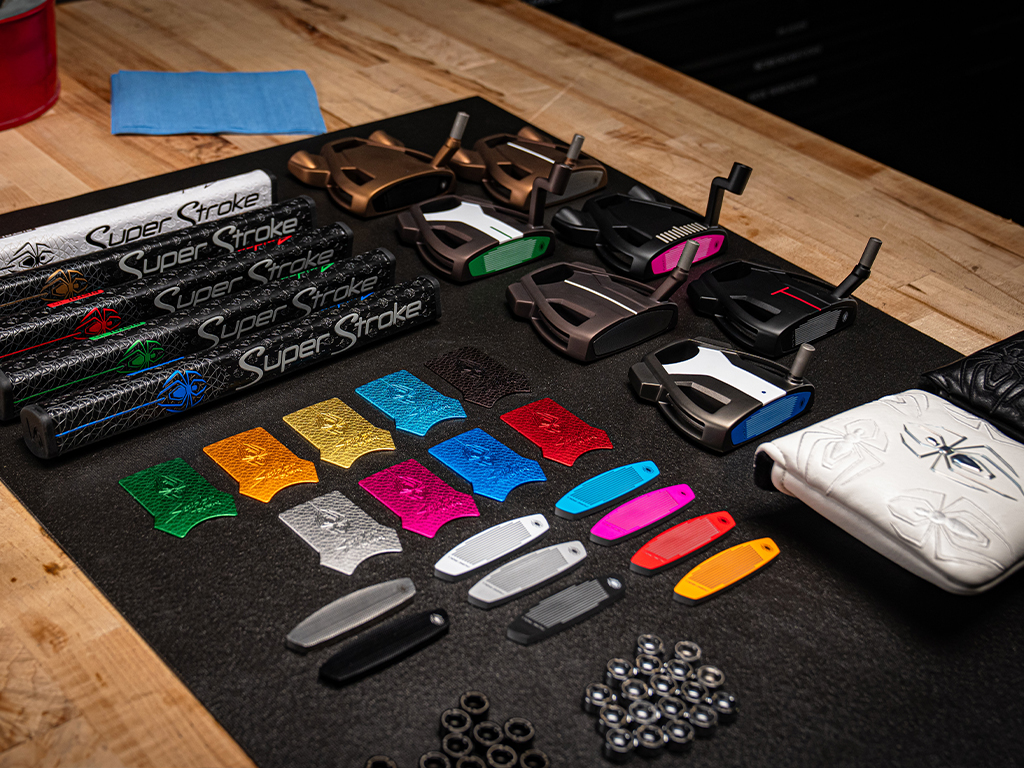
TaylorMade Golf’s MySpider program underwent a substantial overhaul over the last month. Firstly, the company launched the option to customize the Spider ZT model, and now the program has returned with the MySpider Tour and MySpider Tour X.
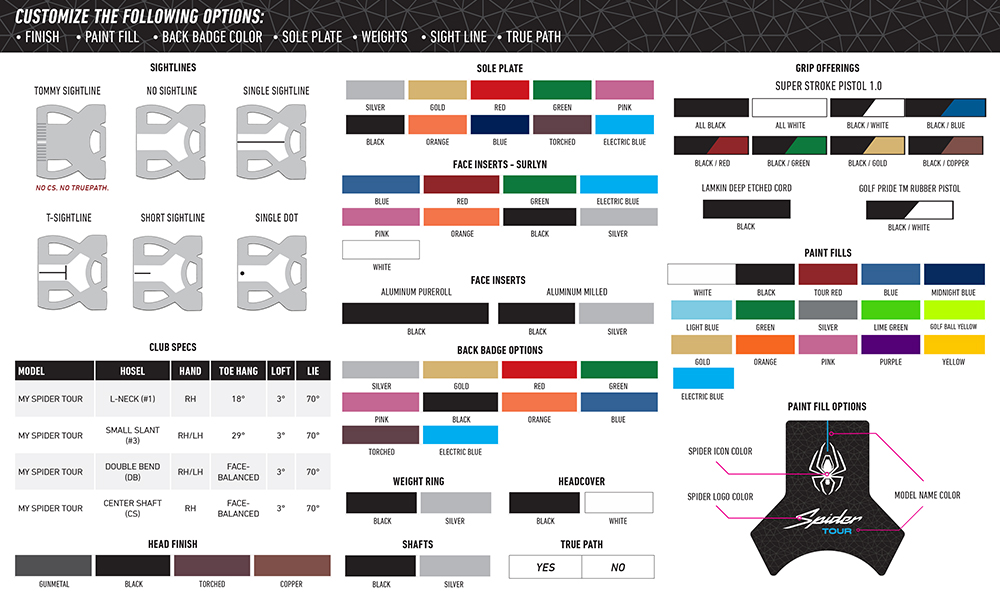
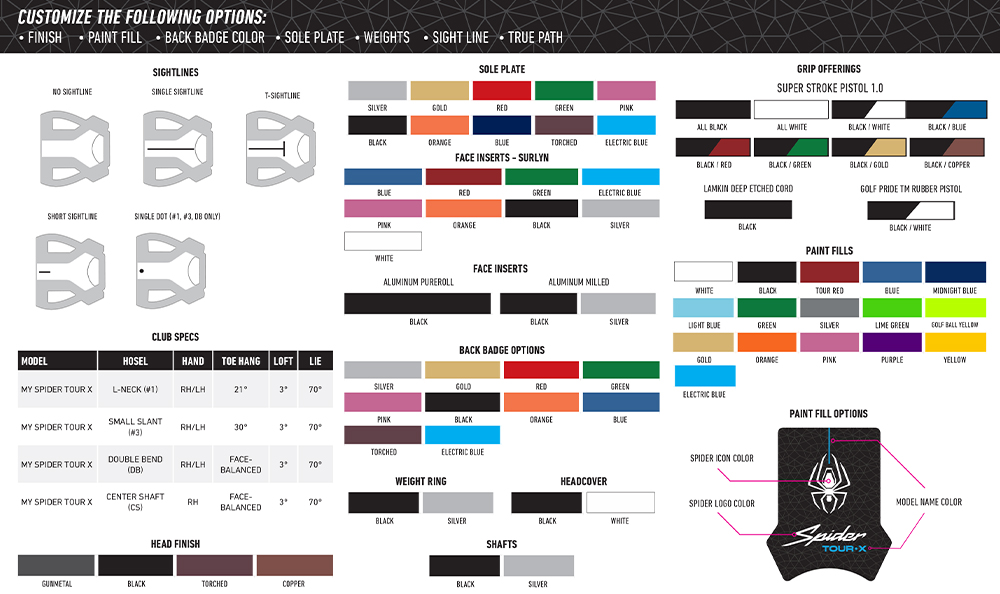
The revamped page now gives golfers complete control over every visual and functional detail of their putter on the popular Tour and Tour X head, with every cosmetic idea thought of. In MySpider Tour, golfers can choose from four head finishes, 16 paint fill colors, nine Surlyn face insert colors, three aluminum insert options, six sightline configurations, and four hosel options — L-neck, small slant, double bend, center shaft. Six sightline options are available in MySpider Tour, including the optically engineered True Path alignment system. MySpider Tour X gives builders the option of four head finishes, four hosel configurations, and five sightline options, also including True Path alignment.
One of the more interesting features of the new MySpider program is the availability of three distinct face insert options. Along with the usual Surlyn Pure Roll insert trusted by Scottie Scheffler and Rory McIlroy, which can be customized from nine colors, golfers can now also select firmer options. Two are offered with the black aluminum Pure Roll insert, slightly firmer than the traditional insert, or for the firmest feel, golfers can choose from two colors of milled aluminum inserts.
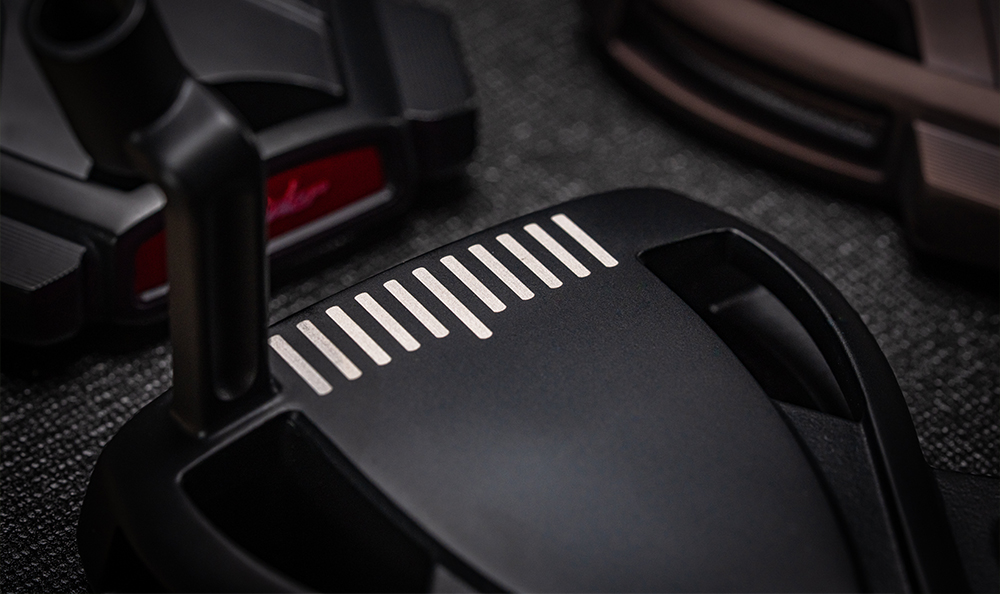
Another fun addition to the MySpider Tour is the ability to use the “Tommy Sightline.” The custom alignment aid design, which was first drawn onto Tommy Fleetwood’s putter by PGA Tour Rep James Holley, is based on the milled sightline on his Spider ZT head. There are five shorter lines on the left and right of a longer central line serving as the traditional short line alignment aid.
See below for the full specifications sheet for MySpider Tour and Tour X:
MySpider Tour
MySpider Tour X
Equipment
Then and now: Comparing Rory McIlroy’s current setup to his record-breaking 2019 Canadian Open victory

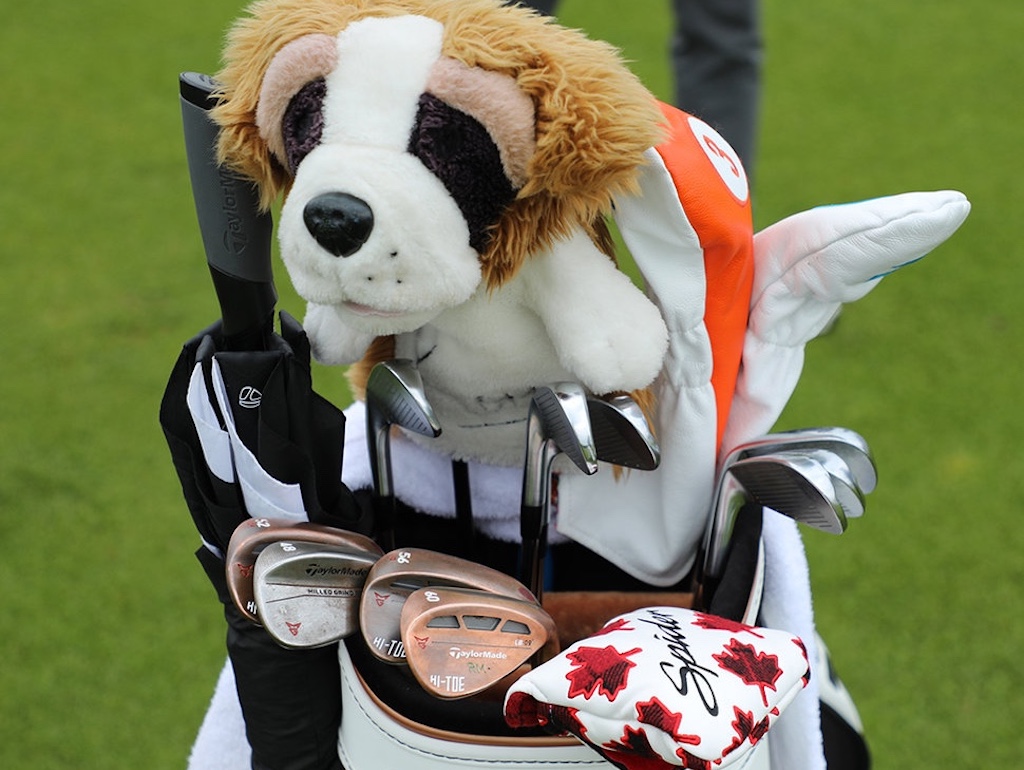
In Rory McIlroy’s first appearance at the 2019 RBC Canadian Open, he crushed the record books to earn his 16th PGA Tour title in dominating fashion, winning by seven shots over Shane Lowry and Webb Simpson.
McIlroy’s score of 22-under-par 258 is the lowest 72-hole score to date at the Canadian Open, and his closing 61 is also the best final-round score in the history of one of golf’s oldest tournaments. Finally, with his win in 2019, McIlroy became only the sixth player to win the career Triple Crown, adding to his victories at the U.S. Open in 2011 and The Open Championship in 2014, joining Tommy Armour, Walter Hagen, Arnold Palmer, Lee Trevino and Tiger Woods in a coveted list.
So, with that, why not compare his current setup to the clubs he used to break all the records?
Driver
2019: TaylorMade M5 (9 degrees), Shaft: Mitsubishi Tensei CK Pro White 70 TX
2026: TaylorMade Qi4D (9 degrees @8), Shaft: Fujikura Ventus Black 7X (45 5/8 inches)
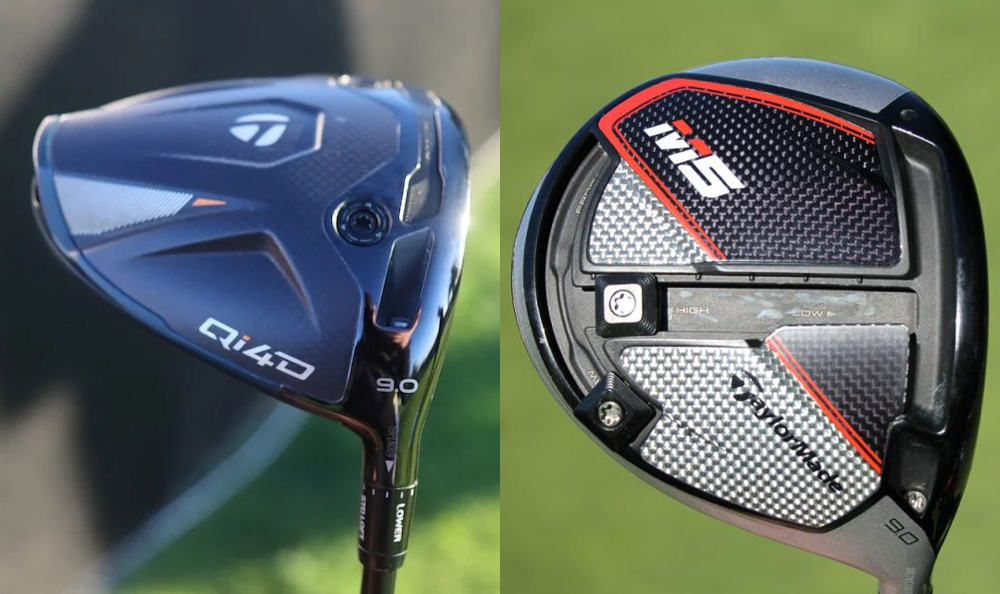
McIroy led the Tour in Strokes Gained: Off-the-Tee in 2019; he’s doing the same in 2026. Between now and then, McIlroy has switched from the Mitsubishi Tensei CK Pro White 70 TX (a shaft with slightly more feeling in the tip) to the original Fujikura Ventus Black 7X, having just made the change to the heavier version from playing the 60X.
What’s interesting about McIlroy’s 2019 setup is that the weighting on his driver is actually set in the high-draw setting, using the T-Track weighting system, whereas in the Qi4D, he’s currently using a heavily rear-weighted setup. (Two 13-gram weights in the rear and only two 4-gram front weights.)
The TaylorMade M5 driver he played in during his Canadian Open win was the company’s first head that they claimed to design to initially exceed the USGA’s COR limit, and then injected with tuning resin to bring it back in bounds.
Fairway woods
2019: TaylorMade M6 3-wood (15 degrees), Shaft: Mitsubishi Tensei CK Pro White 80 TX; TaylorMade M5 5-wood (19 degrees), Shaft: Mitsubishi Tensei CK Pro White 90 TX
2026: TaylorMade Qi4D 3-wood (15 degrees), Shaft: Fujikura Ventus Black 8X; TaylorMade Qi4D 5-wood (18 degrees), Shaft: Fujikura Ventus Black 9X

The TaylorMade M6 fairway wood that McIlroy was using during the 2019 season is still in the bag of some of the best golfers on Tour in 2026. Just check out Justin Rose’s winning setup from the Farmers Insurance Open earlier this year. This year, though, McIlroy has still been searching for his top-end-of-the-bag setup, having played both the new Qi4D and the Qi10, which he won the Masters with.

The same shaft swap can be seen in the fairway woods as the driver, along with slightly less loft on the 5-wood.
Irons
2019: TaylorMade P750 (4) Buy here, TaylorMade P730 (5-9), Shafts: Project X 7.0
2026: TaylorMade P760 (4), TaylorMade Rors Proto (5-9), Shafts: Project X 7.0

The biggest difference between McIlroy’s custom set and the stock P730s is the groove design. While the P730s were constructed with 14 MX-9 grooves on their milled faces, McIlroy’s proto heads instead use the higher-spinning, 16-groove layout of the TW2 grooves. Other big differences between the sets are that McIlroy’s 7- and 8-irons have thinner toplines, are 1 degree stronger in loft, and are 1/4 inch longer than the original P730 builds.
With McIlroy’s 4-iron, the switch from P750 to P760 sees a transition to a two-piece construction with Speed Foam in it, which allows McIlroy to launch the ball slightly higher, with more workability.
Wedges
2019: TaylorMade Milled Grind (48-09SB), TaylorMade MG Hi-Toe (52-09SB, 56-09SB, 60-LB09), Shafts: Project X Rifle 6.5
2026: TaylorMade MG5 (46-09SB, 50-09SB, 54-11SB, 60-08LB @61), Shafts: Project X 6.5 (46-54), Project X 6.5 Wedge (60)

Between 2019 and 2026, McIlroy’s focus on his short game has been much more apparent. It was the reason why he switched back to the TP5 golf ball, to help with launch, spin and control with his wedges leading up to his career Grand Slam victory in 2025. The most apparent changes to McIlroy’s wedge setup are his lofts and bounce. He’s slowly delofted his pitching to a sand wedge, but has increased the loft on the lob wedge, bending his current 60-degree to 61. With that, adding more loft to his lob wedge also slightly increases the bounce and leading-edge sit point, so, as a result, he plays a lower-bounce lob wedge compared to 2019. The MG5 wedges are also softer than the first Milled Grind option from 2019. McIlroy also no longer plays the full-face grooves found on the Hi-Toe.
Putter
2019: TaylorMade Spider X
2026: TaylorMade Spider Tour X
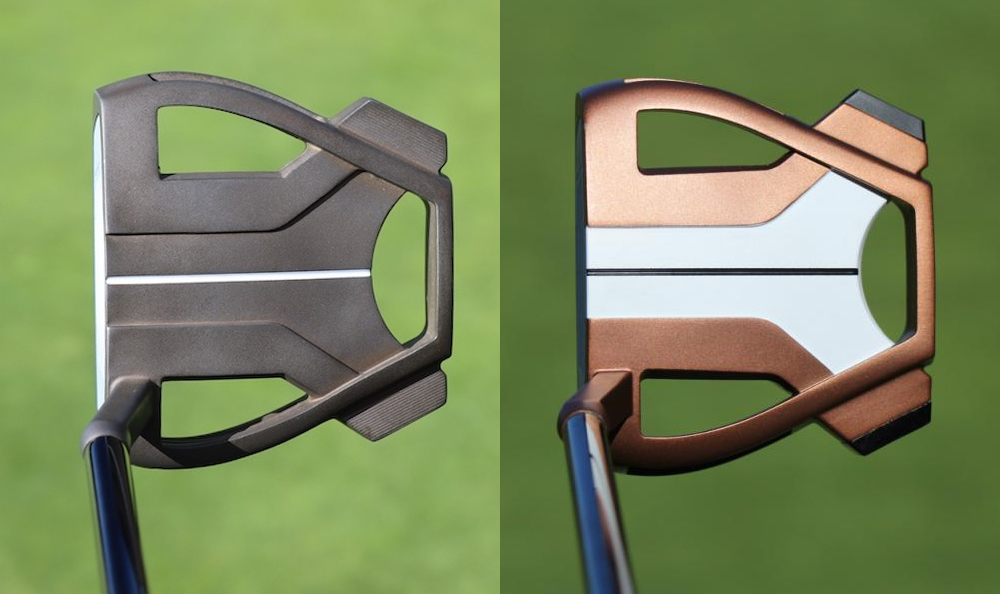
Notice anything similar. Yes, the copper finish on Rory McIlroy’s Spider X putter in 2019 is a slightly more reflective finish than the recently released torched PVD finish. McIlroy was using the True Path alignment system, but now uses only a single white sightline.
Ball
2019: 2019 TaylorMade TP5 (#22)
2026: 2025 TaylorMade TP5 (RORS)
As mentioned above, McIlroy had transitioned from the TP5 to TP5x golf ball since his victory in Canada in 2019, but now is black with the same style of golf ball as his victory at Hamilton Golf & Country Club.
Grips
2019: Golf Pride Tour Velvet Cord
2026: Golf Pride MCC
Interesting, McIlroy actually used Golf Pride’s Tour Velvet Cord grips during his victory in 2019 (it was during a 2+ year switch to the corded TV) as opposed to his usual MCC grips, which he has played for most of his career.
-

 Equipment7 days ago
Memorial Tournament Tour Report: Rory McIlroy, Cameron Young switch up drivers, and more
-

 News2 weeks ago
Russell Henley’s winning WITB: 2026 Charles Schwab Challenge
-

 Equipment4 days ago
Best irons 2026: Best irons overall, most forgiving irons, and more
-

 Whats in the Bag4 days ago
J.T. Poston’s winning WITB: 2026 Memorial Tournament
-

 Equipment1 week ago
Details on Jason Day’s latest prototype Avoda iron setup
-

 Equipment3 weeks ago
CJ Cup Byron Nelson Tour Report: Koepka and Kim’s newest putters finally get hot
-

 News2 weeks ago
Charles Schwab Challenge Tour Report: MacIntyre, Åberg and Spaun all switch putters, TaylorMade launches new Spider
-

 Equipment2 weeks ago
Details on J.J. Spaun’s surprise putter switch


Pingback: You can (finally!) buy Rickie Fowler’s Rev33 irons: Cobra releasing limited RF Proto irons – GolfWRX
VINICIUS COSTA
Sep 20, 2020 at 5:38 pm
Any word on the release date for these irons?
Wilson
May 16, 2020 at 5:28 am
Stainless steel? Why not 1020 or S20C?
Kevin
May 15, 2020 at 11:21 pm
FINALLY we get an answer on when Cobra is releasing a new MB. I LOVE LOVE LOVE the current MBs but as a gear junkie ever since they had this new “Rickie Proto” ive been wanting a set. Gonna have to order a set of the new ones and probably an extra set of the current model if they drop the price to move old stock. Thank you for this article!!
Jeff
May 15, 2020 at 6:54 pm
Kevin Na would be so upset
Mike Rowe
May 15, 2020 at 3:24 pm
Remember when Rickie switched iron shafts and it was a huge story, but when he switched back no one said a word? Pretty weird.
stanley
May 15, 2020 at 10:59 am
for the first time in my life, “those cobra irons are amazing.” there are some mean curves on those cobras!!!
Cody Reeder
May 15, 2020 at 10:42 am
I am getting a set….
Mike Honcho
May 15, 2020 at 10:39 am
It took cobra a year to rip of the p7tw? From the inspiration (mp14/29), look, to the milling, to the tungsten plugs? You would think in a year you could have came up with something unique. I would label this a shank but it’s really more just diarrhea.
Guy who actualy pays attention to detail
May 15, 2020 at 11:01 am
Ricky has had a tungsten plug in his irons for many years, so nothing new there. Tungsten in irons has been going on for quite a while in general (Ping S56 from 2011, first Ap2 irons from way back). Also, how is it ripping off when they are both ripping off older irons? This iron honestly looks nothing like the P7tw. Your “Shank” comment, Ironically, these would be the first irons ever made that could shank relatively straight because they milled the par area and hosel flat to remove the offset look. I’m not even sure what would happen on a hosel shot.
Craig
May 15, 2020 at 10:23 pm
Um, no. It is well known Tiger likes a little bit of offset and longer blade. These are almost the opposite, zero offset and tiny blade.
Troll Hunter 18
Jan 25, 2021 at 12:13 pm
Troll
Shallowface
May 15, 2020 at 9:55 am
The 304 Stainless is interesting. I’ve heard they need to be checked frequently as they go out of spec for loft and lie very easily with use. No problem for Fowler, but it could be an issue for the consumer.
chip75
May 17, 2020 at 3:34 pm
I’m sure those that are inclined will get them checked, otherwise they’ll be just like other clubs that “wander” around though use.
Pelling
May 15, 2020 at 9:35 am
Do they keep Rickie from putting big numbers on the card?
dat
May 15, 2020 at 9:23 am
These are amazing clubs. Hope they bring something like them to retail. What’s the deal with the grips? (non-brushed RF style)