
Equipment
The greatest Ben Hogan irons of all time

Ben Hogan was a perfectionist. From his swing to his golf club designs, it was always about striving to get things just right. Although younger generations may not connect to the Hogan brand the same way golfers from an older generation would, I believe it is important to recognize the impact the man had on the game, golf equipment, and design.

One of the most famous stories surrounding the founding of Ben Hogan golf is how Mr. Hogan’s desire for perfection actually drove away one of the company’s initial investors when he refused to go to production with any of the prototypes produced over the first six months. That lead to one of the other partners who had absolute trust in Hogan’s approach to purchase the shares of the nervous party. It went even further in 1954 when the first production run arrived and they too were also not up to Hogans standards—this resulted in the company destroying over $100,000 worth of inventory which today is over one million dollars—not small change for a startup company.
Eventually, the production issues were sorted out, and in 1954 the original Precision iron was introduced, the rest, as they say, is history. Although Ben Hogan Golf has gone through a number of changes since its original inception, one thing has remained the same—the constant pursuit of creating the best golf clubs possible.
These are some of the finest examples.
Ben Hogan Precision – Released 1954

Photo: Ben Hogan Vintage .com
This is the iron that went through all of the production changes before finally coming to the market in 1954. It is “the granddaddy of all modern blade designs,” as Patrick Boyd likes to point out.
The key element of this clubhead is the mass positioned lower in the head to create the modern muscle back style we know today as well as the notched toe to position more mass in the middle of the head behind the hitting area.
Beyond some minor tweaks and shaping, it’s easy to see why this is one of the most influential club designs ever.
Some of the most iconic designs from Mizuno—including the MP-14, MP-29, TN-87, and MP-37—have all utilized this toe cut design to help move mass—you can even see it still in the MP-20s. Obviously, a lot has changed as far as production, tooling, and tolerances, but the overall shaping is easily recognized.
An interesting question is, why, after winning the triple crown with his MacGregor Personal set in 1953, Hogan chose to forgo a lot of the design cues of that set and strike his own path in design. Whatever the answer, it was obviously the right choice.
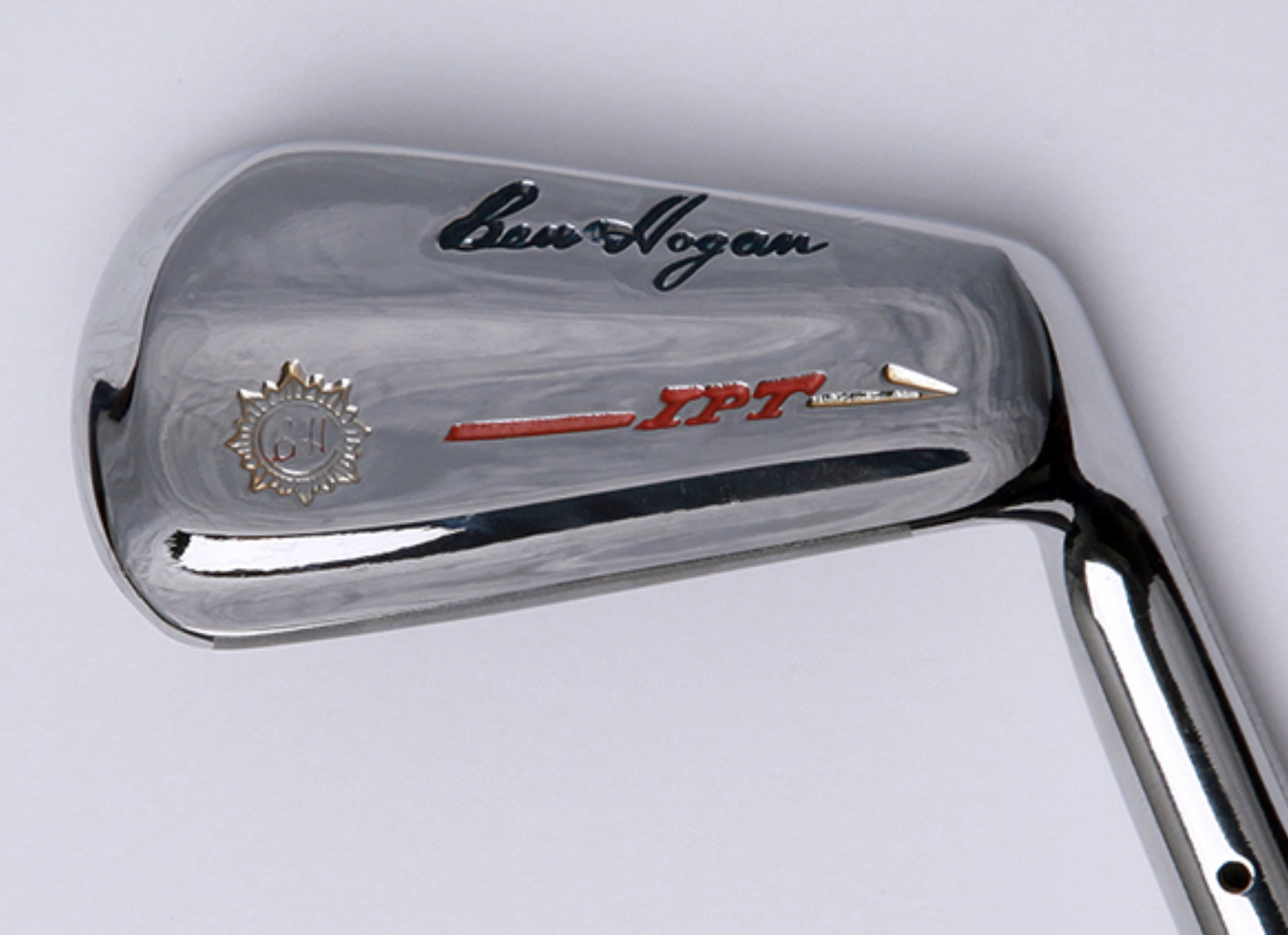
Ben Hogan IPT – Released 1963

“IPT” stands for Improved Power Thrust.
With the original version of the Power thrust released in 1960, Hogan had started to experiment moving mass away from the toe area and pushing it towards the center of the head. It helped position more mass behind the striking area and closer to the shaft axis to increase workability. The IPT took that concept further and introduced the very first Ben Hogan iron with the muscle-on-muscle design. It removed mass away from the perimeter of the head and put it where it is most effective. This design element has been a key feature of almost every Ben Hogan iron that came after it.
Ben Hogan Apex – Released 1972

Photo: Ben Hogan Vintage .com
The shape of the 1972 Apex was not new at the time of its release—it’s basically the same head design as the Bounce Sole irons, which debuted in 1970. What makes this iron so iconic is the name “Apex”—this was the first! The Bounce Sole was iconic in its own way, because in this era of clubs the sole had more bounce and was much more cambered than other clubs on the market.
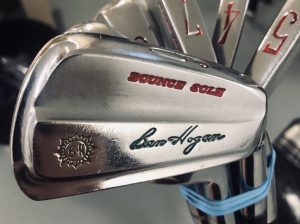
Although Callaway owns the rights to the Apex (name thanks to the acquisition of Hogan assets when they purchased Spalding) and have rightfully done the name justice, classic gear buffs will always associate Apex with Ben Hogan. The most discussed feature of this head is the shifting weight pad to raise the CG and improve trajectory control. To me, this iron epitomizes Ben Hogan’s desire to create golf clubs to offer maximum control for players seeking precision instruments. Elements of this design are alive and well with some of the irons produced by National Custom Works.

Ben Hogan Edge – Released 1989

Photo: Ben Hogan Vintage .com
For Hogan iron purists, the Edge might seem like an odd club to find on this list, but let me assure you it holds an important place in the history of the company.
Up until the release of the first Edge iron, Hogan irons were strictly forged blades. The Hogan Edge was the very first full production forged cavity back iron from a major manufacturer. They were produced by Cornell Forge in Chicago, and pictures of their production process were prominently displayed when entering their facility. “Full production” is the key phrase there because Ping’s first iron the Ballnamic 69 were made from forged Golf Craft blank heads and milled out to create perimeter weighting (see below).

Photo: Second Swing Golf
Ping irons actually played a big role in the development of the Hogan Edge, since it was only a few years prior in 1982 that Ping released the Ping Eye 2 iron with its perimeter weighting. These new forgiving cavity back clubs were sweeping the world of golf. Everyone from professionals to amateurs starting adapting more forgiving cavity back irons and Hogan needed to fight back. They did just that with the Edge, and if you look closely at the design with the more swept toe and offset, you can see Karsten Solheim’s Eye 2 had a big influence on the Edge.
Ben Hogan Apex – Released 1999

Picture: Ben Hogan Vintage .com
Jeff Sheets is the man behind a lot of important designs and breakthroughs in the golf industry, and he still calls the ’99 Apex one of his all-time favorite designs.
This is from Jeff himself on how this iron came to be courtesy JeffSheetsGolf.com
“… I was ready to pursue this project only after doing much homework, studying every Hogan design I could find and by interviewing past Hogan Company employees. In my research of studying Mr. Hogan’s design characteristics, I ended up creating the infamous Hogan iron chart using a 1-megapixel digital camera and black fabric backdrop as I photographed every iron on my credenza “photo studio”. I had two big assets available to me in the execution of the new Hogan Apex irons. The first was my CAD operator Charles Lovett who had a keen eye for blades after he had been hired away from Mizuno. The second was my prototyping contractor Tom Stites, an ex-Hogan R&D staffer who would convert our CAD files to hittable specimens. The ’99 Apex is the epitome of a Hogan forged iron design. It was the first Hogan iron to be forged by Endo Manufacturing in Japan. Stite’s group, Impact Engineering, did such a fine job on the final prototypes that we were able to laser scan them for creating the forging dies.”
After reading off all the names involved with this project, it’s no wonder this is still considered one of the greatest Hogan irons of all time. Jeff went on to design for Golfsmith and still operates his own design consulting company to this day. Tom Stites’ Impact Engineering was purchased by Nike and became Nike Golf, which is why it was located in Fort Worth of all places, and the master shaper at Impact was none other than Mike Taylor of Nike and now Artisan Golf.
This iron holds a special place in Hogan fans’ hearts because it was the first club released after Spalding purchased the brand in the late ’90s. Many diehards fans worried Spalding would just use the name to sell inferior lines of clubs on the back of the Ben Hogan name and in a way disrespect the legacy built by Mr. Hogan. This design by Jeff Sheets put those fears to rest, and thanks to the backstory behind it, has lived on to become a highly regarded set.
The Future of Ben Hogan Golf
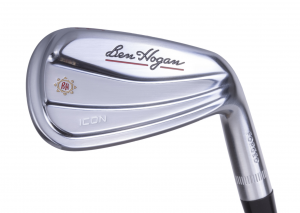
Today, Ben Hogan Golf exists as a direct-to-consumer brand, and they continue to push the boundaries of design and develop clubs for both discerning players and those looking for a little extra forgiveness. Their newest iron, the Icon, combines a lot of the key elements of previous Hogan irons, and the question is now whether it will earn its place among others on this list.
Special thanks to Patrick Boyd of National Custom Works and Boyd Blade and Ferrule Co, for his help with this piece. He is a walking encyclopedia of classic forged iron knowledge.




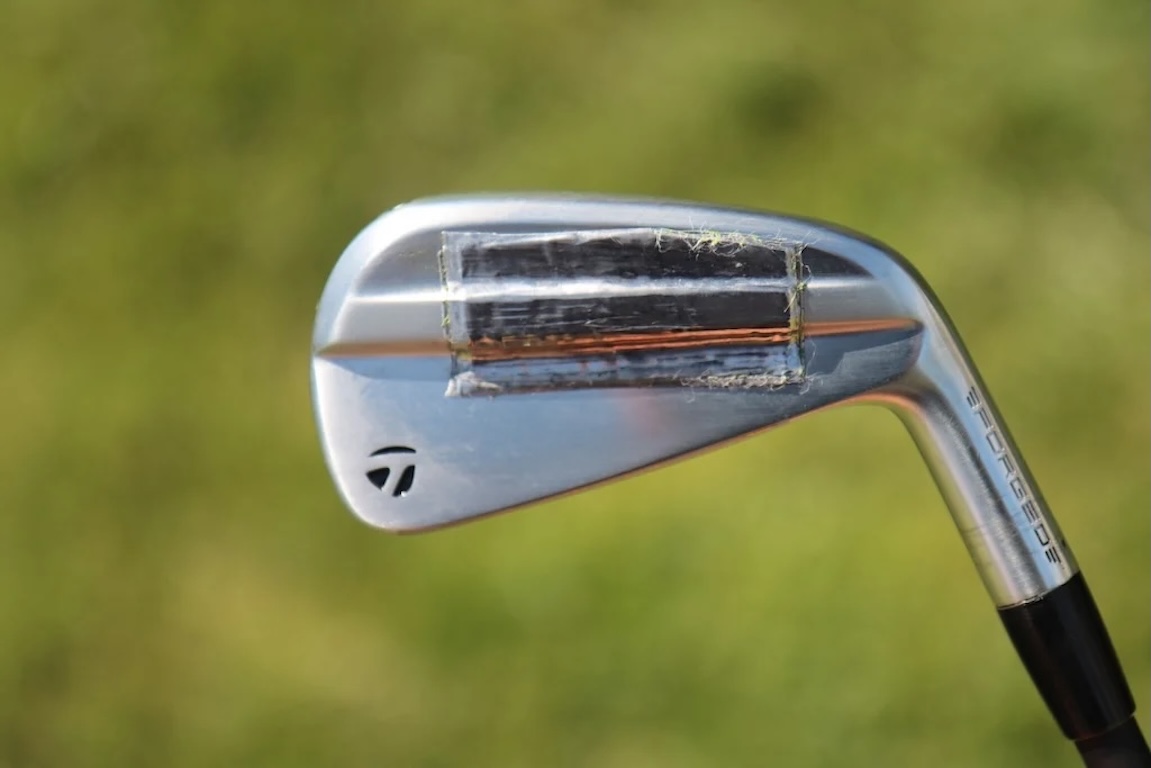
Driver: TaylorMade Qi4D LS (8 degrees)
Shaft: Fujikura Ventus TR Blue 6 X
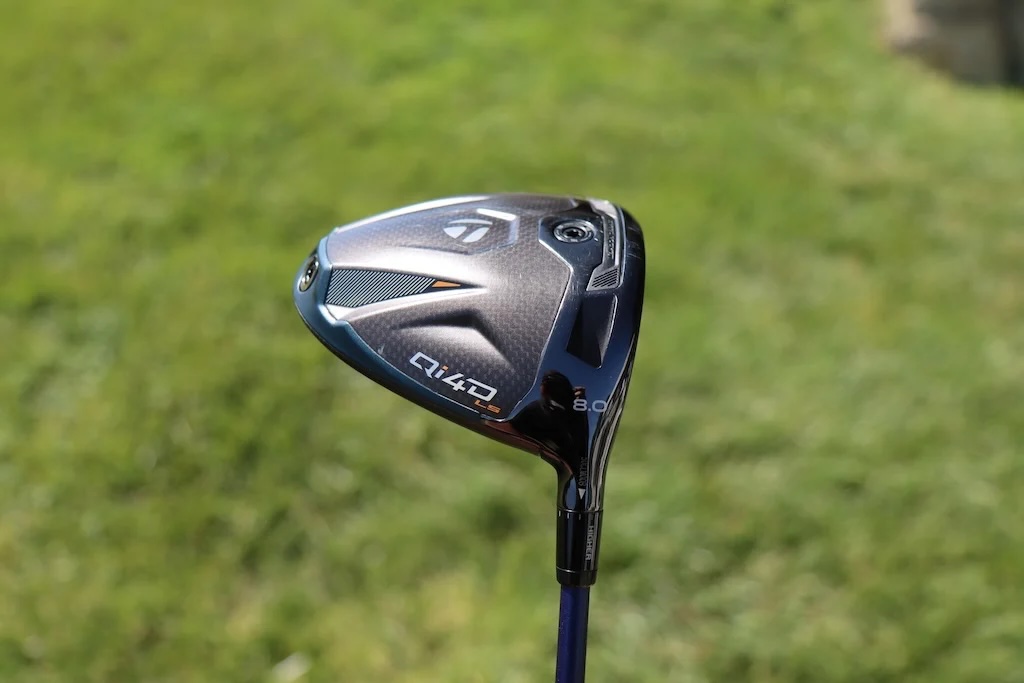
3-wood: TaylorMade Qi10 (15 degrees)
Shaft: Fujikura Ventus Black 9 TX
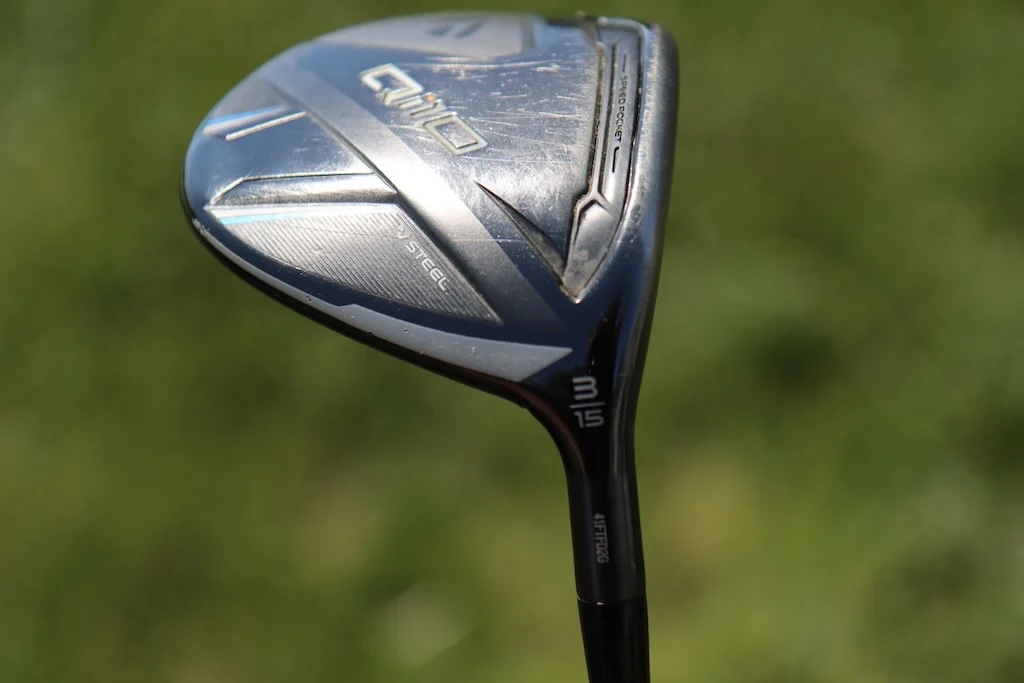
Irons: TaylorMade P770 (3), TaylorMade P7CB (4), TaylorMade P7TW (5-PW)
Shafts: Fujikura Ventus Black HB 10 X, True Temper Dynamic Gold X100
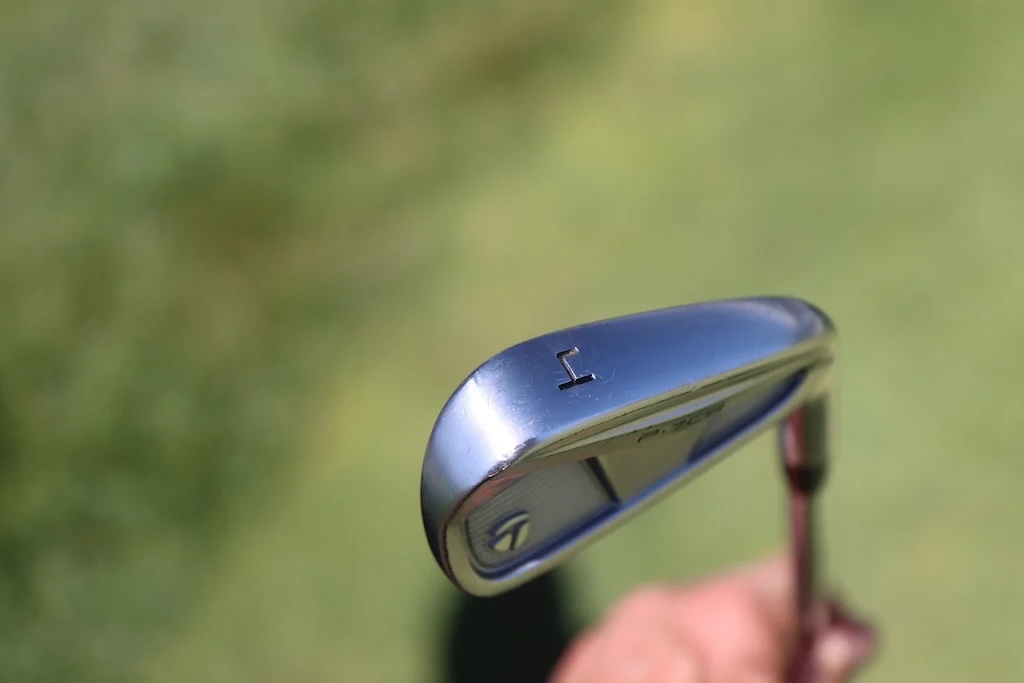
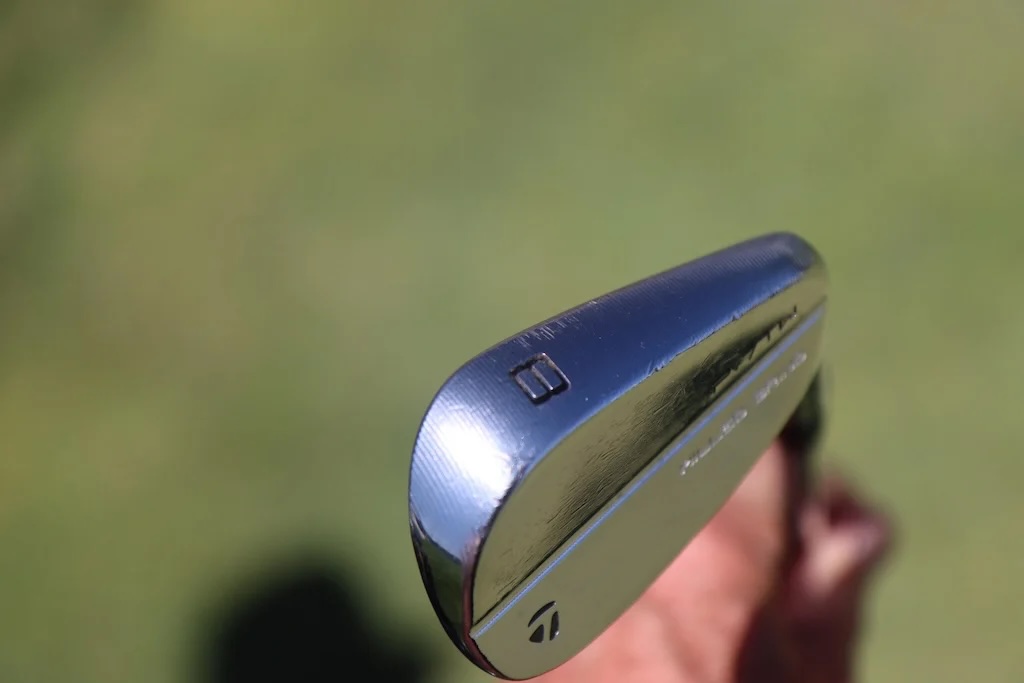
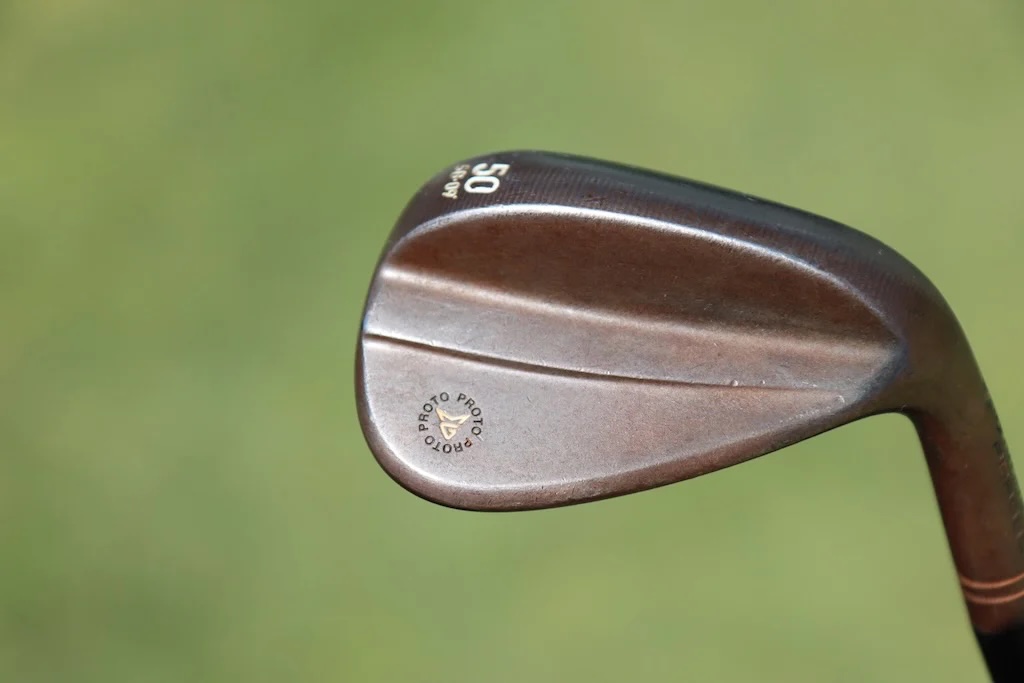
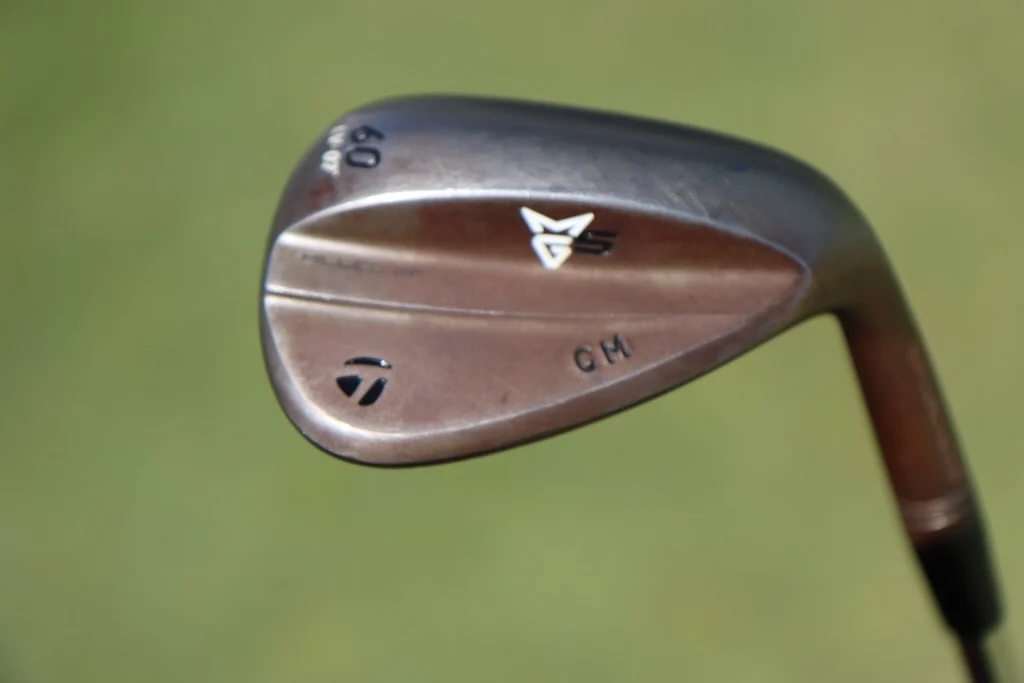
Wedges: TaylorMade Prototype (50-SB09), TaylorMade MG5 (56-HB12, 60-LV07)
Shafts: True Temper Dynamic Gold S400
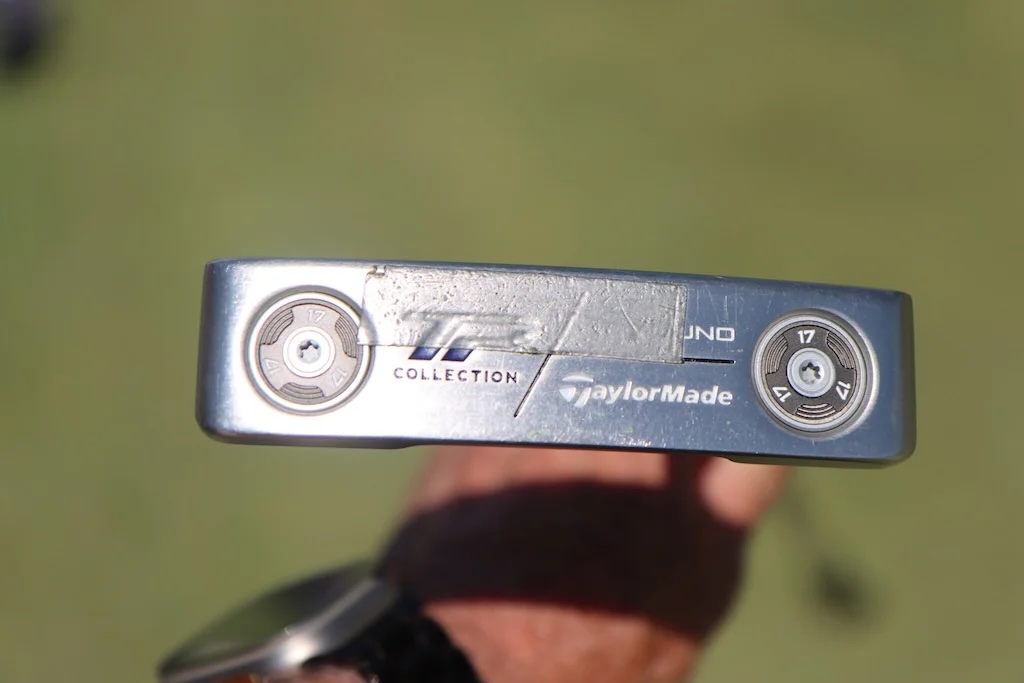
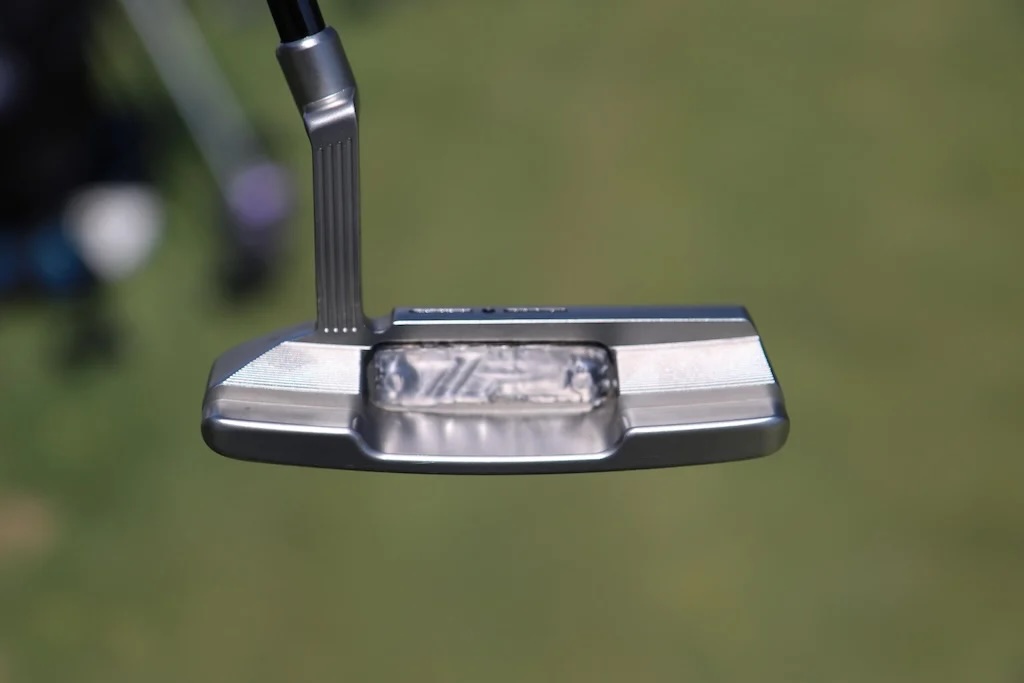
Putter: TaylorMade TP Juno
Ball: Titleist Pro V1x
Grips: Golf Pride Tour Velvet Cord
Check out more in-hand photos of Christiaan Maas’ clubs here.
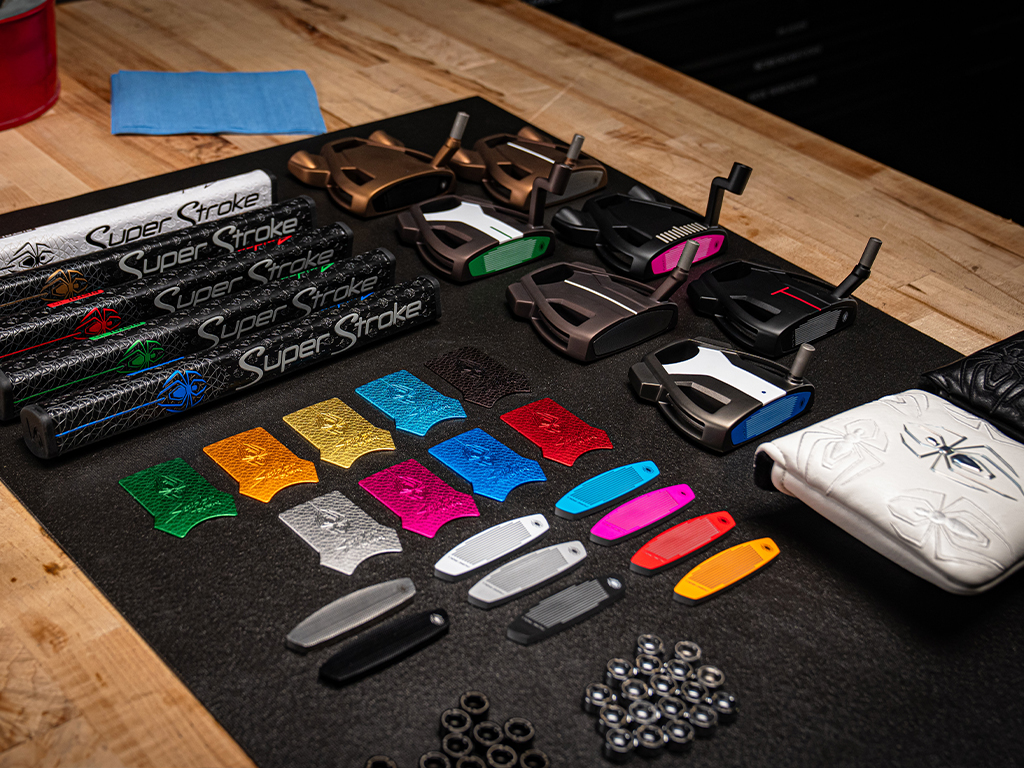
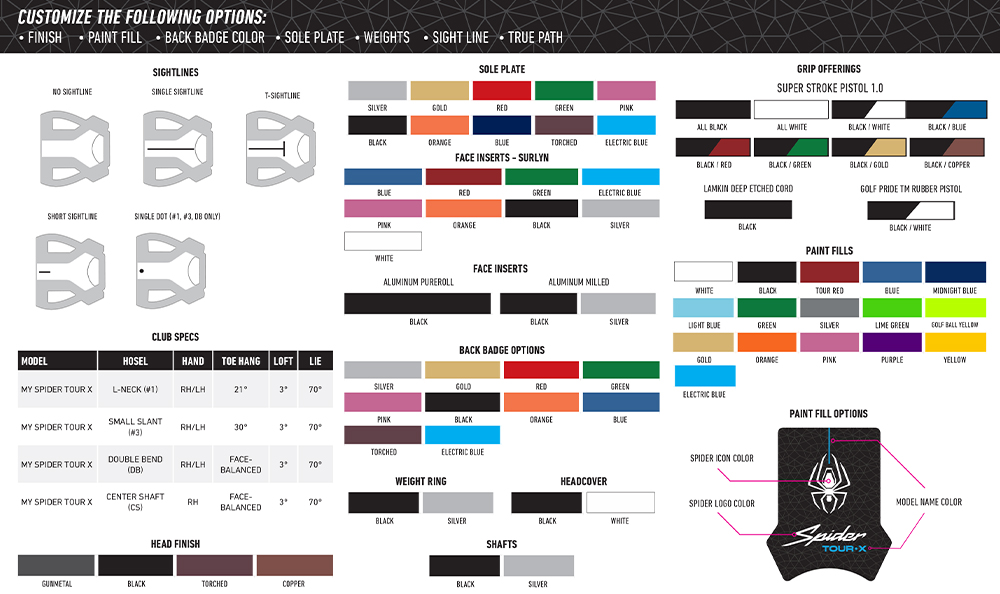
TaylorMade Golf’s MySpider program underwent a substantial overhaul over the last month. Firstly, the company launched the option to customize the Spider ZT model, and now the program has returned with the MySpider Tour and MySpider Tour X.
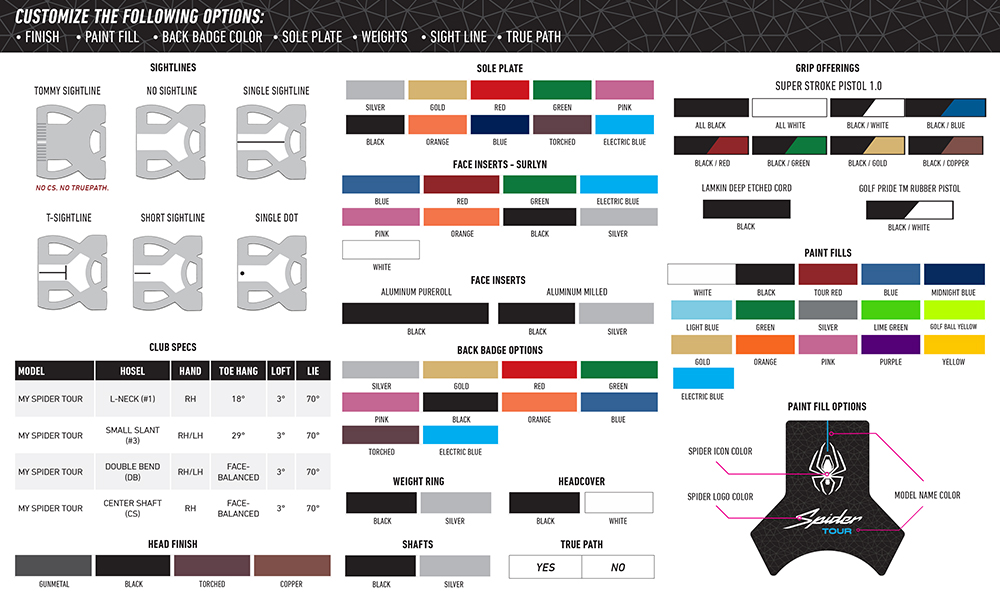
The revamped page now gives golfers complete control over every visual and functional detail of their putter on the popular Tour and Tour X head, with every cosmetic idea thought of. In MySpider Tour, golfers can choose from four head finishes, 16 paint fill colors, nine Surlyn face insert colors, three aluminum insert options, six sightline configurations, and four hosel options — L-neck, small slant, double bend, center shaft. Six sightline options are available in MySpider Tour, including the optically engineered True Path alignment system. MySpider Tour X gives builders the option of four head finishes, four hosel configurations, and five sightline options, also including True Path alignment.
One of the more interesting features of the new MySpider program is the availability of three distinct face insert options. Along with the usual Surlyn Pure Roll insert trusted by Scottie Scheffler and Rory McIlroy, which can be customized from nine colors, golfers can now also select firmer options. Two are offered with the black aluminum Pure Roll insert, slightly firmer than the traditional insert, or for the firmest feel, golfers can choose from two colors of milled aluminum inserts.
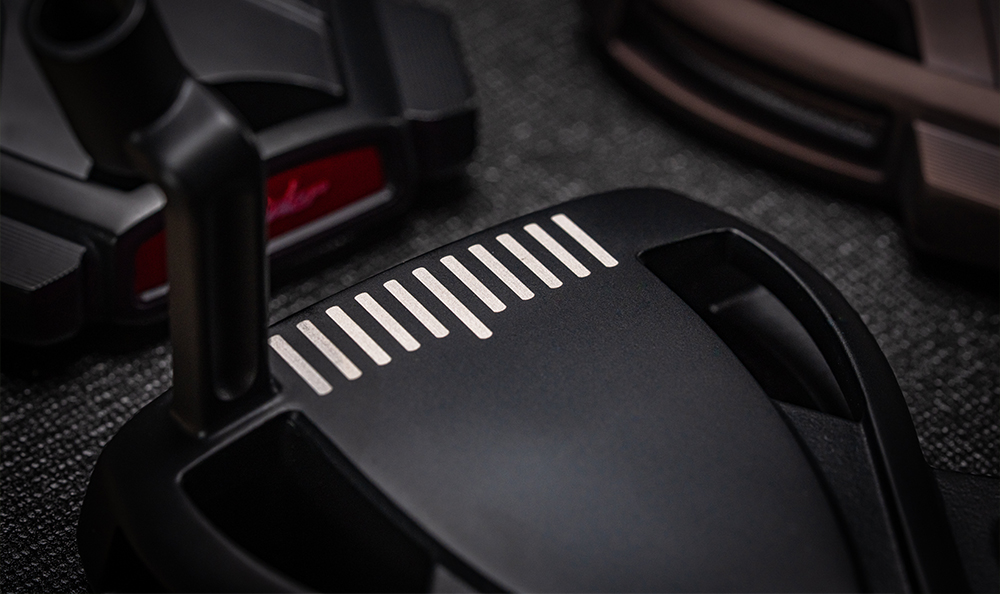
Another fun addition to the MySpider Tour is the ability to use the “Tommy Sightline.” The custom alignment aid design, which was first drawn onto Tommy Fleetwood’s putter by PGA Tour Rep James Holley, is based on the milled sightline on his Spider ZT head. There are five shorter lines on the left and right of a longer central line serving as the traditional short line alignment aid.
See below for the full specifications sheet for MySpider Tour and Tour X:
MySpider Tour
MySpider Tour X
Equipment
Then and now: Comparing Rory McIlroy’s current setup to his record-breaking 2019 Canadian Open victory

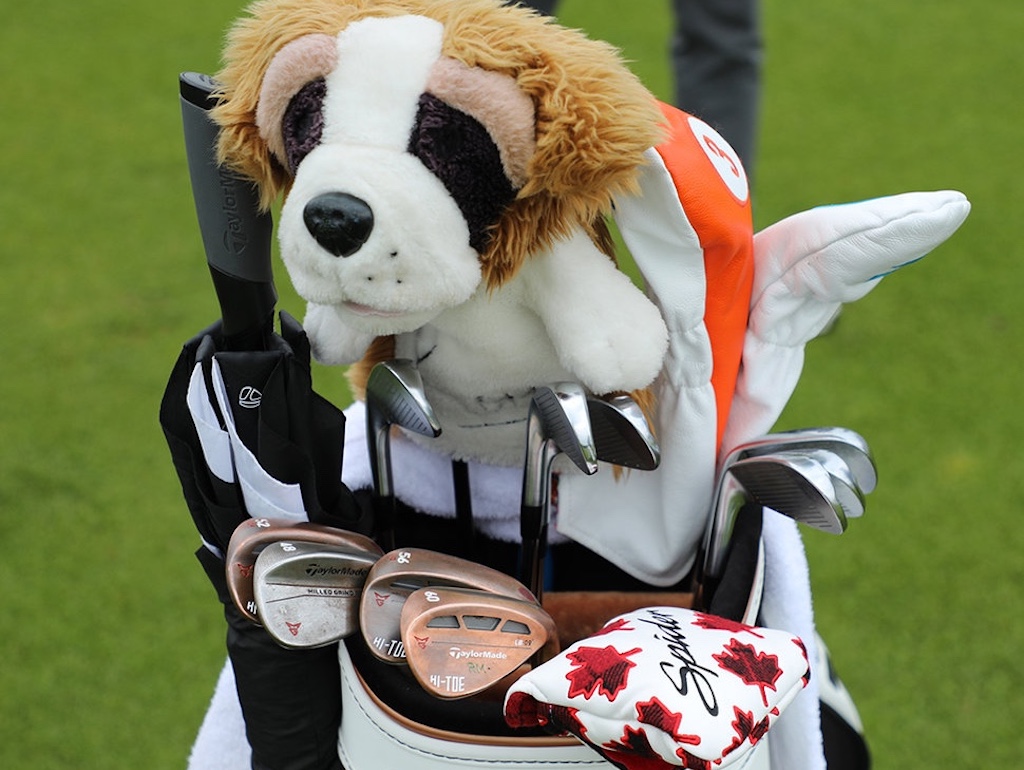
In Rory McIlroy’s first appearance at the 2019 RBC Canadian Open, he crushed the record books to earn his 16th PGA Tour title in dominating fashion, winning by seven shots over Shane Lowry and Webb Simpson.
McIlroy’s score of 22-under-par 258 is the lowest 72-hole score to date at the Canadian Open, and his closing 61 is also the best final-round score in the history of one of golf’s oldest tournaments. Finally, with his win in 2019, McIlroy became only the sixth player to win the career Triple Crown, adding to his victories at the U.S. Open in 2011 and The Open Championship in 2014, joining Tommy Armour, Walter Hagen, Arnold Palmer, Lee Trevino and Tiger Woods in a coveted list.
So, with that, why not compare his current setup to the clubs he used to break all the records?
Driver
2019: TaylorMade M5 (9 degrees), Shaft: Mitsubishi Tensei CK Pro White 70 TX
2026: TaylorMade Qi4D (9 degrees @8), Shaft: Fujikura Ventus Black 7X (45 5/8 inches)
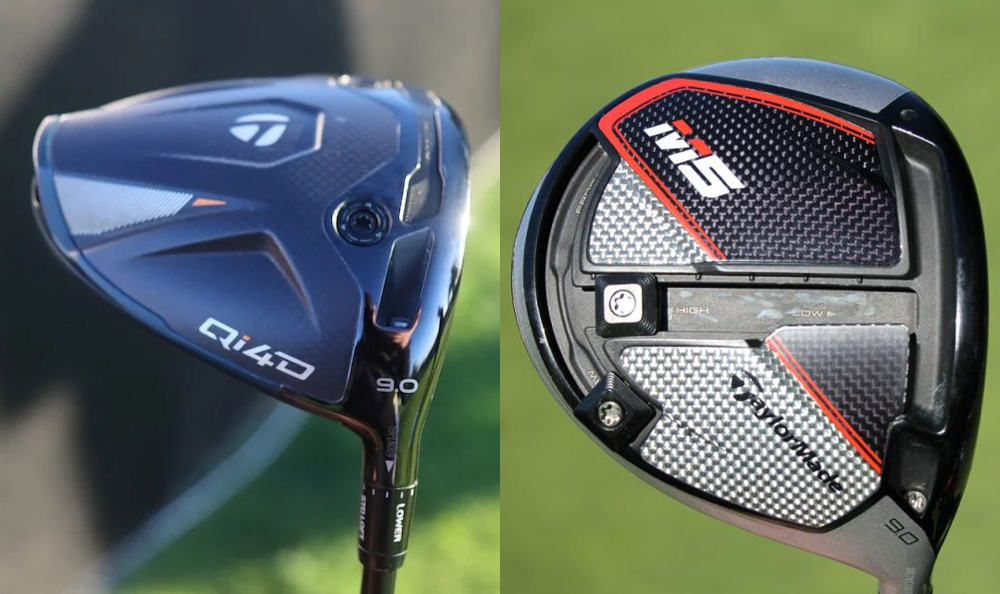
McIroy led the Tour in Strokes Gained: Off-the-Tee in 2019; he’s doing the same in 2026. Between now and then, McIlroy has switched from the Mitsubishi Tensei CK Pro White 70 TX (a shaft with slightly more feeling in the tip) to the original Fujikura Ventus Black 7X, having just made the change to the heavier version from playing the 60X.
What’s interesting about McIlroy’s 2019 setup is that the weighting on his driver is actually set in the high-draw setting, using the T-Track weighting system, whereas in the Qi4D, he’s currently using a heavily rear-weighted setup. (Two 13-gram weights in the rear and only two 4-gram front weights.)
The TaylorMade M5 driver he played in during his Canadian Open win was the company’s first head that they claimed to design to initially exceed the USGA’s COR limit, and then injected with tuning resin to bring it back in bounds.
Fairway woods
2019: TaylorMade M6 3-wood (15 degrees), Shaft: Mitsubishi Tensei CK Pro White 80 TX; TaylorMade M5 5-wood (19 degrees), Shaft: Mitsubishi Tensei CK Pro White 90 TX
2026: TaylorMade Qi4D 3-wood (15 degrees), Shaft: Fujikura Ventus Black 8X; TaylorMade Qi4D 5-wood (18 degrees), Shaft: Fujikura Ventus Black 9X

The TaylorMade M6 fairway wood that McIlroy was using during the 2019 season is still in the bag of some of the best golfers on Tour in 2026. Just check out Justin Rose’s winning setup from the Farmers Insurance Open earlier this year. This year, though, McIlroy has still been searching for his top-end-of-the-bag setup, having played both the new Qi4D and the Qi10, which he won the Masters with.

The same shaft swap can be seen in the fairway woods as the driver, along with slightly less loft on the 5-wood.
Irons
2019: TaylorMade P750 (4) Buy here, TaylorMade P730 (5-9), Shafts: Project X 7.0
2026: TaylorMade P760 (4), TaylorMade Rors Proto (5-9), Shafts: Project X 7.0

The biggest difference between McIlroy’s custom set and the stock P730s is the groove design. While the P730s were constructed with 14 MX-9 grooves on their milled faces, McIlroy’s proto heads instead use the higher-spinning, 16-groove layout of the TW2 grooves. Other big differences between the sets are that McIlroy’s 7- and 8-irons have thinner toplines, are 1 degree stronger in loft, and are 1/4 inch longer than the original P730 builds.
With McIlroy’s 4-iron, the switch from P750 to P760 sees a transition to a two-piece construction with Speed Foam in it, which allows McIlroy to launch the ball slightly higher, with more workability.
Wedges
2019: TaylorMade Milled Grind (48-09SB), TaylorMade MG Hi-Toe (52-09SB, 56-09SB, 60-LB09), Shafts: Project X Rifle 6.5
2026: TaylorMade MG5 (46-09SB, 50-09SB, 54-11SB, 60-08LB @61), Shafts: Project X 6.5 (46-54), Project X 6.5 Wedge (60)

Between 2019 and 2026, McIlroy’s focus on his short game has been much more apparent. It was the reason why he switched back to the TP5 golf ball, to help with launch, spin and control with his wedges leading up to his career Grand Slam victory in 2025. The most apparent changes to McIlroy’s wedge setup are his lofts and bounce. He’s slowly delofted his pitching to a sand wedge, but has increased the loft on the lob wedge, bending his current 60-degree to 61. With that, adding more loft to his lob wedge also slightly increases the bounce and leading-edge sit point, so, as a result, he plays a lower-bounce lob wedge compared to 2019. The MG5 wedges are also softer than the first Milled Grind option from 2019. McIlroy also no longer plays the full-face grooves found on the Hi-Toe.
Putter
2019: TaylorMade Spider X
2026: TaylorMade Spider Tour X
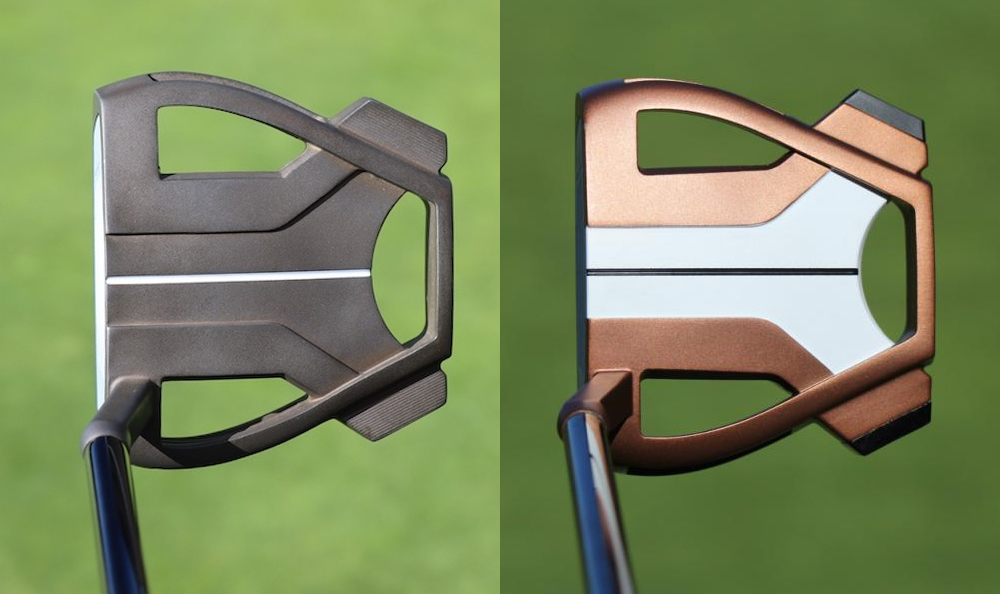
Notice anything similar. Yes, the copper finish on Rory McIlroy’s Spider X putter in 2019 is a slightly more reflective finish than the recently released torched PVD finish. McIlroy was using the True Path alignment system, but now uses only a single white sightline.
Ball
2019: 2019 TaylorMade TP5 (#22)
2026: 2025 TaylorMade TP5 (RORS)
As mentioned above, McIlroy had transitioned from the TP5 to TP5x golf ball since his victory in Canada in 2019, but now is black with the same style of golf ball as his victory at Hamilton Golf & Country Club.
Grips
2019: Golf Pride Tour Velvet Cord
2026: Golf Pride MCC
Interesting, McIlroy actually used Golf Pride’s Tour Velvet Cord grips during his victory in 2019 (it was during a 2+ year switch to the corded TV) as opposed to his usual MCC grips, which he has played for most of his career.

What’s the story behind Webb Simpson’s custom-stamped irons?

Memorial Tournament Tour Report: Rory McIlroy, Cameron Young switch up drivers, and more

Cadillac Championship Tour Report: Spieth’s sizable changes, McLaren Golf launches, and more

Russell Henley’s winning WITB: 2026 Charles Schwab Challenge

Kristoffer Reitan’s winning WITB: 2026 Truist Championship

Best irons 2026: Best irons overall, most forgiving irons, and more

J.T. Poston’s winning WITB: 2026 Memorial Tournament

Aaron Rai’s winning WITB: 2026 PGA Championship

Cameron Young’s winning WITB: 2026 Cadillac Championship

Details on Jason Day’s latest prototype Avoda iron setup


Christiaan Maas WITB 2026 (June)
Driver: TaylorMade Qi4D LS (8 degrees) Shaft: Fujikura Ventus TR Blue 6 X 3-wood: TaylorMade Qi10 (15 degrees) Shaft: Fujikura Ventus Black...


Ryan Palmer WITB 2026 (June)
Driver: Callaway Quantum Triple Diamond (9 degrees) Shaft: Project X HZRDUS Smoke Blue RDX 60 TX 3-wood: TaylorMade Qi10 (15 degrees) Shaft:...


Bud Cauley WITB 2026 (June)
Bud Cauley had >14 clubs in his bag when photographed prior to the Memorial Tournament. Driver: Titleist GTS2 (8 degrees) Shaft: Fujikura...


Hannah Green WITB 2026 (June)
Driver: Titleist GTS3 (10 degrees, D4 SureFit setting) Shaft: Mitsubishi Chemical Diamana RB 53 S 3-wood: Titleist GT3 (15 degrees,...
-
 Equipment6 days ago
Memorial Tournament Tour Report: Rory McIlroy, Cameron Young switch up drivers, and more
-
 News2 weeks ago
Russell Henley’s winning WITB: 2026 Charles Schwab Challenge
-
 Equipment3 days ago
Best irons 2026: Best irons overall, most forgiving irons, and more
-
 Whats in the Bag4 days ago
J.T. Poston’s winning WITB: 2026 Memorial Tournament
-
 Equipment1 week ago
Details on Jason Day’s latest prototype Avoda iron setup
-

 Equipment3 weeks ago
CJ Cup Byron Nelson Tour Report: Koepka and Kim’s newest putters finally get hot
-

 News2 weeks ago
Charles Schwab Challenge Tour Report: MacIntyre, Åberg and Spaun all switch putters, TaylorMade launches new Spider
-

 Equipment2 weeks ago
Details on J.J. Spaun’s surprise putter switch


John Wayne Carlson
Jun 29, 2022 at 5:15 pm
“Up until the release of the first Edge iron, Hogan irons were strictly forged blades”. It’s a popular misconception that Hogan was forged only. The Hogan Company did cast clubs before the Edge starting with the Producers in 1975, followed by Magnum and single year of Radials before the Edges came out. Hogan himself loathed the cast clubs with a “hole” in them, but they were made and sold nonetheless. The Producer was the most expensive club in the Hogan line in the mid 1970s, even more expensive that the famous Apex Irons.
Dbeyr Orsee
Sep 7, 2020 at 1:13 pm
What an obvious marketing scam. The current Ben Hogan company has NOTHING to do with Ben Hogan’s company. They bought his name from Callaway, nothing else. The new company had some serious up and coming club designers back in 2015, when they went bankrupt. They are back as nothing but a fake marketing company – finding money spent on marketing has a better pay back. JJ Henry is the only “pro” using their clubs and he stopped winning tournaments right after switching to BH. He is no longer listed in the top 1,000 golfers, making just $23,160 – not enough to pay expenses. Not a single review of the best irons in 2020 included anything from the new and fake Ben Hogan.
The Ben Hogan company has nothing to do with the company and clubs of last century. Heck, it has nothing to do with the 2015 Ben Hogan company and clubs. They’re just high priced knock offs. At first, they sold clubs designed by Terry Koehler using his highly rated SCOR golf clubs (he’s now Edison Wedges). It’s like how some company just bought the Pier 1 name in the bankruptcy auction. Not the same people, not any of the systems, and of course not the same products. Just the name.
“The old myth about forged and cast iron heads is that forged heads are easy to bend, cast heads are not. Most forged iron heads are VERY easy to bend, some up to 4 degrees. Again – material dependent. There are quite a number of OEM iron heads that are difficult if not impossible to bend. Most if not all of these are cast heads.” Cast clubs tend to be more distance accurate. However, it’s only but geometry and material differences. The idea “forged” is special is a myth for people slow to learn. gameimprovementgolf.com/bending-forged-and-cast-irons-know-the-truth/
stephen hall
May 6, 2020 at 12:21 am
I had a set of HOGAN EDGE GS irons, had for about 25 yrs until they were stolen great irons Hogans are the best…
Joe
May 2, 2020 at 4:03 pm
Why can’t tour pros (PGA) play cool, quality irons like they are still producing today? IMO the PGA WITBs are quite redundant with every player signed to like 5 companies. Those ICON irons look SICK.
Billyjack
Apr 30, 2020 at 4:16 pm
Loved my Apex Ii irons with that Apex shaft. That wedge! Sad day when some crook stole them.
Richard Douglas
Apr 30, 2020 at 12:28 am
The Hogan Edge changed everything. Until then it was forged blades or 17-4 steel cavity-backed irons. The Edge brought the two concepts together.
This iron was my first real set of irons. I loved them, but went to even more forgiving clubs in a couple of years. But they were beautiful!
Kevin
Apr 29, 2020 at 11:15 pm
So, where do the Apex PC irons (circa 1985) fit into this thread? I have a set inherited from my father, 1 through E. I played them for years before changing to the recent Fort Worth 15 irons. Not sure the newer clubs have improved my game (about a 6 handicap). Those old blades are sweet to look at when addressing the ball. Given that 1, 2 and 3 irons are so rare these days, I’m never giving them up.
BingHogan
Apr 29, 2020 at 8:58 pm
I currently have a NEW set of Hogan PC’s. I played 9 holes with them about 5 years ago with the Apex shaft number 4 when I went back to Ohio to one of my old boyhood courses. I walked in the Pro shop and asked if I could rent some clubs etc.. to bring back some wonderful memories. They said they only had a few rentals that weren’t that good. But, we have a nice set of Hogan’s right there behind you for sale 3-E. Original grips and $35! Only the 8 iron and E were hit one time.
A great day!!
Jack Ryan
Apr 29, 2020 at 6:08 pm
I’ve had two sets of the +1s, two through wedge (one is in still in the garage). I had a set of the Edge–they were nice but heavy and the top line was too thick. I have a set of 92 Apex–also in the garage currently. I am currently playing the Ft Worth 15 and loving them.
TacklingDummy
Apr 29, 2020 at 4:27 pm
I had the Hogan FTX player forged irons. Progressive offset cavity back, but not much offset. Excellent set. Bagged them for several years until moving to Titleist AP2 then to the CBs.
Mark
Apr 29, 2020 at 4:24 pm
I have owned 3 sets of Hogans – Apex II, Apex Grind and Apex 1999. All were very good but the 1999 model was a standout in my opinion and it’s the set I wished I would have kept. I have played Mizuno for years now but I sure do miss that set.
Dean Mitchell
Apr 30, 2020 at 6:32 am
The 99s are the best clubs I’ve ever played golf with, and I also wish I’d kept mine. The most playable and beautiful muscle backs ever made.
cody
Apr 29, 2020 at 12:49 pm
You forgot to add the 1992 (I think) channel backs… some what copied by both Callaway in the prototypes and Mizuno with the MP5…
Rob
Apr 29, 2020 at 5:42 pm
1994 to 1996
chip75
Apr 29, 2020 at 11:58 am
Callaway make some nice sticks, but I’m not sure how they’ve done the Apex name “justice”? They bought Spalding (which I think was for the Strata ball) and acquired the Hogan assets, they kept the Apex name and repurposed it for nostalgic brand recognition.
Stacey Uchtman
Apr 29, 2020 at 4:32 pm
Agree, they should have let that name go with the brand.
Suncoast 9
Apr 29, 2020 at 11:53 am
Thanks for the walk down memory lane Ryan. My first top of the line set was Hogan Apex in 1973. After switching to Ram Tour Grind in ’87 I answered the cavity-back siren song with Hogan Edge in ’94. It was back to musclebacks with a 1999 set of Hogans, which finally gave way to my current Mizuno MP69s. I still have the ’99 Hogans tucked away in my basement, along with a PC 1-iron that I actually could hit half decently once upon a time.
Mark
Apr 29, 2020 at 11:13 am
Love Hogan clubs. My first set of golf clubs(bought used) was the 1959 version of the Starburst. Since then have sets of Percussion PC5, Bounce Sole, Round Sole, Producer, Radials (’83 version), Radials (’87 version), and Apex Redline. Most have been from ebay, with some bag chatter and some scuffing, but if you check them out before buying and with some cleaning, paint fill, re-grooving, and loft and lie adjustment they look and play well. While some of the 2, 3, and maybe 4 irons from these are displayed on the wall, I play the others. Still working on filling in the gaps by finding others, like Power Thrust, IPT, PT III, etc. Currently have 5 and 6 Radials and 7-Equalizer Round Soles in my bag. With the higher lofts when compared to current GI clubs, I am closer to having something like a 6.5 iron to Gap with these. The Radials are the most forgiving “blade like” club ever. (Shot my lowest 9 hole score ever last year with 5 – E Radials in the bag. OK, from the shorter tees since I am getting old and can’t hit it far enough anymore, but so what.) The Round Soles have “fairly” wide soles and set up nicely based on the sole curvature. In many ways, Mr. Hogan was ahead of his time. I would love to find a book or some kind of literature that would document the history of all clubs from the Precision to the mid to late 90s while Mr. Hogan was still active with the company. Anybody aware of that – I would love to know.
Mike
Apr 29, 2020 at 10:54 am
The ’99 Apex were my first blade irons… every set I’ve acquired since then are held to that immeasurable standard.
On a side note, I truly enjoyed the series of articles Tom Stites penned about his experience coming up at Hogan, but they seemed to end abruptly. Did this series end prematurely?
CaryK
Apr 29, 2020 at 10:28 am
I had a set of the original 1972 Apex irons. Great feeling clubs for their era. To me, though, the 1984 Hogan Apex PC (Percussion Center) might be one of his purest designs. The 1988 Apex Redline irons were also very beautiful as well. Hogan’s 1983 Radials were an interesting design too that might have been ahead of its time.
But my all time favorite is the 1952 Personal/Precision irons. I have a friend that has the limited edition boxed set that Hogan made in the 80’s. Just plain gorgeous!
Tom54
May 4, 2020 at 4:34 pm
You are indeed correct. I remember these too as I thought that they did not resemble any Hogan irons I had ever seen. I was never a fan of Ben Hogan irons but these were like a thousand dollars back in 83 a price unheard of at the time. Occasionally they will pop up on EBay but you will have to part with some serious cash for them. As I recall they were stunning looking irons.
Dave Burdette
Apr 29, 2020 at 10:27 am
I have a set of Slazenger Precisions forged in England. I’ve been trying to get information on these for the past 5 years. They are exactly like the 1954 irons with the exception of Slazenger on the soles and red leather grips. If you have any history of these, I’m all ears.
Thanks. Great article.
Suncoast 9
Apr 29, 2020 at 11:59 am
I had a set of Hogan clubs in 1973 that had Slazenger labels on the shafts. My understanding was Slazenger was licensed to manufacture (assemble?) Ben Hogan clubs outside of the US. The pro who sold me the clubs said the Slazenger label would be my proof to Canada customs that the clubs were bought in Canada.
Michael
Apr 29, 2020 at 9:48 am
Over the weekend, I was able to score a set of Edge CFT irons from a guy cleaning out his garage. They may not be fully forged (just the faces) like the sets listed in this article but they’re in great shape and very playable. My next find will hopefully be a set of the Apex irons you mentioned. Thanks for sharing this article- even this forty-something year old has a special affinity for classic Ben Hogan irons!!
Bob Jones
Apr 29, 2020 at 9:42 am
I bought a set of the 1999 Apexes and had them fitted for me. Wonderful clubs. When I was shopping, I tried a Ping i3+ and it felt just like the Hogans, but they looked funny and those 1999 Apexes appearance-wise are the tuxedos of the iron world.
I also bought a set of Red Lines (1988) on eBay and had them retro-fitted. I like them even better and for good reason. The Grinds (1990) are well thought of, too. At his death, Hogan had set of Apex II (white cameo) irons in his bag.
Cary
Nov 23, 2020 at 8:41 pm
I have hit both the the Ping I3+ and the Hogan ’99 blades and for me the Hogan’s were butter but also gave great feed back and I could tell exactly where on the face I hit them, but the I3+ were kind of numb feeling and I had no idea where on the face I hit them unless it was so far on the toe.