
Why Was it Great? Ping Eye2 wedge






If there is one wedge design that has stood the test of time it’s the Ping Eye2. From the early 2000s madness of used BeCu wedges going for up to $400 to the modern-day Glides, it’s the definition of a classic. So classic in fact that we have seen other OEMs take Eye 2 design characteristics and incorporate them into their own designs. In this video, I explain what made the Eye2 so good and why it is still one of the best wedge designs of all time!




Driver: LA Golf 12-11 (10.5 degrees)
Shaft: LA Golf A Series Mid 60 Stiff
Mini Driver: PXG Secret Weapon (13 degrees)
Shaft: Graphite Design Tour AD VR-7s
7-Wood: Cobra OPTM X (21 degrees)
Shaft: Mitsubishi Kai Li Darkwaves 60s
Irons: PXG 0311 T Gen8
Shaft: True Temper Dynamic Gold 120 S300
Wedge: Wilson Staff Model ZM 50-08
Shaft: Aerotech Steelfiber i110s
Wedge: Wilson Staff Model ZM 56-12
Shaft: Aerotech Steelfiber i110s
Wedge: Wilson Staff Model ZM 60-06
Shaft: True Temper Dynamic Gold Spinner Wedge
Putter: Machine Hog CSX Milled
Shaft: Machine HOG
Ball: TaylorMade TP5
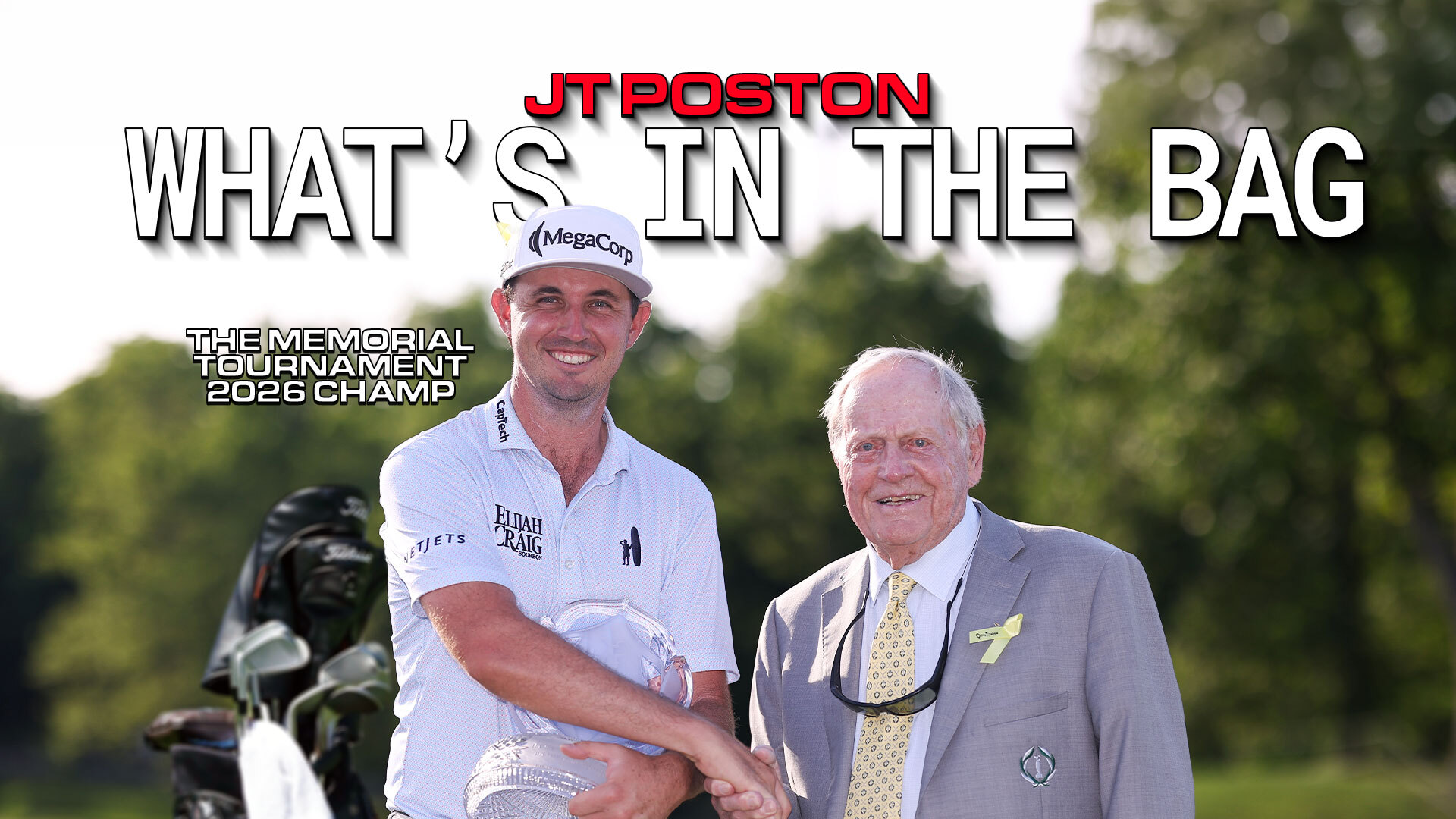
Driver: Titleist GTS3 (9 degrees)
- SureFirt hosel set A1
- SureFit weight set neutral
Shaft: Mitsubishi Diamana BF 60 TX
- 2016 release
- Mid launch, mid/low spin
- Firmer handle, medium tip
- 72g, 3.8* torque
3-wood: Titleist TS2 (15 degrees)
- SureFit hosel set A1
- 2018 release
Shaft: Graphite Design Tour AD IZ-7x
- Firm handle, medium mid, firm+ tip
- High launch, mid/low spin
- 74g, 3.1* torque
7-wood: TaylorMade Qi4D (21 degrees)
- Core model
- Blend of distance, launch, spin
Shaft: Graphite Design Tour AD IZ-8x
- 2017 release
- 83g, 2.9* torque
Iron: Titleist 150 (4)
- Larger, stronger loft, more height
- Used to add height going into greens
Irons: Titleist T100 (5-9)
- Compact, blade-like players CB
- Internal tungsten for stability
- Great spin consistency out of rough
Shafts: Project X 6.5
- Stout profile
- Med launch, low spin
- 125g
Wedges: Titleist Vokey Design SM10
- 46-10F (@46.5)
- 50-08F
- F Grind adds stability to full shots
- Reduced digging
- 56-10S (@55)
- S Grind features trailing edge grind
- Can open the face while keeping leading edge down
- Releases from the turf quickier
- WedgeWorks (60-L)
- Lower bounce (4 degrees) version of V Grind
- Allows JT to manipulate the face for different shots
Shafts: True Temper Dynamic Gold Tour Issue S400
- Mid/low launch and spin
- 132g
- Softer feel for partial shots
Putter: TaylorMade Spider Tour X Torched
- L Neck
- TPU Pure Roll insert
- Stock True Path alignment
Grip: SuperStroke Zenergy 1.0PT
- A smaller overall profile
- pistol-style with a more arc under the top hand
- Still features No Taper Technology
Grips: Golf Pride Tour Velvet Cord
- Traditional Tour Velvet rubber and texture
- Brushed cotton cord
- Great grip in wet or humid conditions
Ball: Titleist Pro V1x Left Dash
- New 2026
- Lower long game spin
- Firmer feel
- Mid launch, slightly lower than ProV1x


Alistair Cameron checks in with this week’s Inside the Ropes from Jack’s place, Muirfield Village Golf Club, in Dublin, Ohio. Jason Day’s continued Avoda iron experimentation, Wyndham Clark’s gear changes, and Cameron Young’s adjustments are all featured this week, along with much more!
-

 Equipment6 days ago
Memorial Tournament Tour Report: Rory McIlroy, Cameron Young switch up drivers, and more
-

 News2 weeks ago
Russell Henley’s winning WITB: 2026 Charles Schwab Challenge
-

 Equipment3 days ago
Best irons 2026: Best irons overall, most forgiving irons, and more
-

 Whats in the Bag4 days ago
J.T. Poston’s winning WITB: 2026 Memorial Tournament
-
 Equipment1 week ago
Details on Jason Day’s latest prototype Avoda iron setup
-
 Equipment3 weeks ago
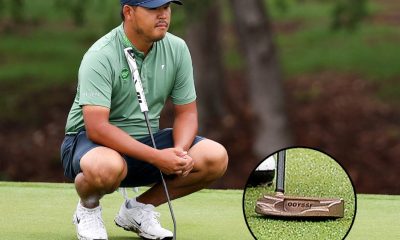
CJ Cup Byron Nelson Tour Report: Koepka and Kim’s newest putters finally get hot
-

 News2 weeks ago
Charles Schwab Challenge Tour Report: MacIntyre, Åberg and Spaun all switch putters, TaylorMade launches new Spider
-
 Equipment2 weeks ago
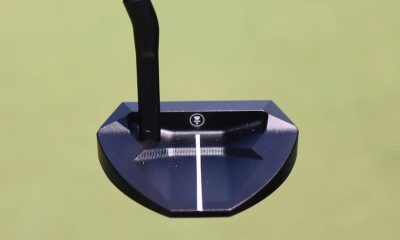
Details on J.J. Spaun’s surprise putter switch


Teddy
Jan 28, 2020 at 8:43 pm
The part of the EYE 2 story you didn’t tell was the lawsuit with the USGA over the groove spacing.
Eye 2 are cast not forged and the groove edges on the early releases where so sharp a Balata cover ball would be shredded after a few holes. To remedy that PING milled the edges a bit after casting. USGA then banned them as non-compliant because grooves where spaced too close together. Solheim, a former Boeing engineer sued USGA claiming the proper way to measure groove spacing was center-to-center not edge to edge. The case was settled with PING Eye 2 given an exemption from all future rule changes regarding grooves. Fast forward to 2010 when USGA mandated V grooves…. Mickelson, Harrington and others started gaming Eye2 wedges again and PING reissued the 60° as the Eye 2 XG.
I still use a 3i – 60° set of Eye 2s with an extra PW bent to 53° as a gag between 50° PW and 56° SW. I had the lofts and lies on all four wedges checked and adjusted.
Bob Vokey
Jun 27, 2019 at 12:20 pm
These wedges are low grade dog food.
Bobbyg
Jun 26, 2019 at 11:28 pm
Had one. Didn’t like it. The groves were great but the rest not so great.
John
Jun 26, 2019 at 9:02 pm
I bought a Ping 56° wedge with the ES sole about two years ago. It worked fine from the sand, but I could not chip with it because the skinny front part of the sole dug into the ground. My handicap was close to zero, so I think I know how to chip at a basic level but even substantial practice didn’t help. As soon as I got rid of that club and switched to a standard sole on the same club, the problem disappeared. Very strange.
Matt Strube
Jun 26, 2019 at 7:44 pm
Ryan, How do these type of wedge designs work for opening up the fact on tighter lies? Great explanation btw.
Matt Strube
Jun 26, 2019 at 7:45 pm
Face, not Fact. 🙂
Garth
Jun 26, 2019 at 5:29 pm
Don’t have a club to show you?
I guarantee?
B grade content at best
Cyril Zupan
Jun 26, 2019 at 4:02 pm
Great Video and explanation …
Before Ping Eye 2 wedges…
I would consider the Hogan Sure-Out and the Bite wedge forerunners to the wide sole..
Thanks and Keep them coming…
Clay Long
Jun 26, 2019 at 3:57 pm
Nice piece on the Eye 2 sand wedge. One thing you missed is the CG location of the Eye 2 compared to conventional classic wedges. The Eye 2 has its CG right in the center of the scoring. Very unusual for popular sand wedges, even the Callaway PM Grind and the Taylormade High Toe wedges don’t accomplish this. (mainly due to no cavity)The high toe shape of the Eye 2 helped accomplish this balance along with the cavity back design. Ugly by classic wedge standards but quite functional as were most of Karsten’s designs. The concaved sole is still difficult to justify and explain its functionality, however it evolved from the wear pattern of older classic wedges that had brand stamps in the center of the sole. Blasting shots from the sand over time dished out the stamping into a concave shape. When going through tour player’s old favorites this worn feature looked like a good shape to copy into a new design. The only thing you can logically draw from the concave sole design is that it allows a sole to bite or dig more easily into the turf the straight on position while offering added bounce resistance or lift when opened compared to a more conventional sole design. (as the designer of the Taylormade High Toe wedge I thought I would offer up these comments)
hoganben
May 16, 2023 at 7:18 pm
recognized your name right away..wow, talk about an expert opinion/comment..thanks for the info