
Equipment
What make cult golf clubs so great?

As golf equipment nerds, myself included, it’s always fun to have the great debates like what is the “best ________ ever made?” This could be a putter, wedges, irons, bag, fairway woods (a highly contested one), or a driver.
But what really makes these clubs “the best”? Why do we love them, and what gives them their cult followings? Beyond the emotional connection, what are the factors or technology actually makes these clubs so great?
One of the key ingredients to the “cult” club is when they were released and how technology advanced during that time. Think of the first time you saw or heard someone hit a Titleist 983K; it looked massive, but combined with the modern golf ball, it was considered a game changer for both the tour pro and amateur alike. The shape, the sound, the jump in technology — all of these lead to it being one of the most popular drivers ever made from Titleist and it was produced back in 2005.
I want this to be an ongoing discussion, but to start, let’s break down three of the most famous cult clubs of the last 20 years.
TaylorMade V-Steel fairway woods


Released in the early 2000s, this club was everywhere! It could be found on the PGA Tour — in TaylorMade and non-TaylorMade staffers bags alike (I’m sure it helps that TM was spending big money on Tour during this period), but as a kid who was working big box golf retail, at the time, these were hot. Speaking of Tour, TaylorMade had at least three options available for Tour: standard paint break, the HFS (happy face steel — named for its very rounded sole and leading edge), and the VS II.
From a retail perspective what made this club great was a number of factors
- It was introduced in an era when you could still buy a fairway wood with either steel or graphite shafts, I remember that it was usually $25-$30 extra for the graphite. This gave a lot of options to a big variety of players that wanted new tech and for the hold outs that still wanted steel. This helped with mass appeal.
- The shape: It’s a simple thing but very important. The V-Steel had a small rounded profile that better players loved, while it was still shallow enough that average players could hit off of the deck. The shape of the sole was also vital for turf interaction and when you combine the sole and the profile together it made the 5 and 7-woods a delight to hit out of the rough.
- We can’t underestimate the value of the glued hosel. The first adjustable fairway (by my recollection and research) was the R9, and compared to drivers during the same time period, fairway woods never saw that same advancement in technology and ball speed. This resulted in players keeping these for a long period of time and so began their reign as a cult favorite.
Even up until three years ago, one of the best scratch players I knew still had one of these 4-woods in the bag. He used it like a 5-wood because it didn’t quite have the “pop” like the new stuff, but you knew when he pulled it out it was going to be good. The exact purpose of the go-to fairway wood.
The original ad was another beauty of the era
Ping Eye 2+ wedges

The Updated XG version had all the same design advantages
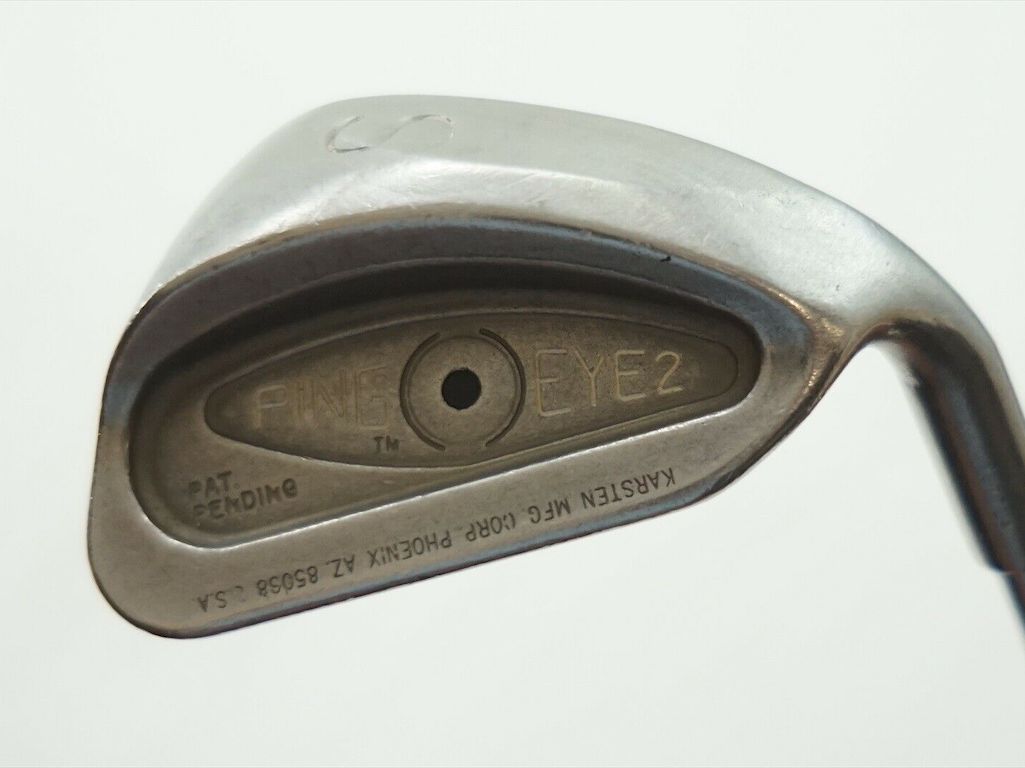
Going all the way back to 1982, Ping Eye 2s were a complete game changer. Karsten Solheim started with investment casting and was the very first to bring that method of manufacturing to the golf industry. Speaking to the longevity of the design, you can still buy the modern version of the Ping design with the Glide 2.0 ES wedges, not to mention other homages to the design in the Callaway PM, the TaylorMade High Toe, and the loved-or-loathed (I LOVED IT !) Nike Toe Sweep. So, what makes it work so well?
- The offset and hosel design: Although it looks like it has a bunch of offset, if you look at the shaft to leading edge relationship its only about half a shaft. When you look at where the hosel enters the head it enters at the face and does not flow directly into the leading edge, add that to the to thin heel dimensions and when you open the face, the bounce moves back from the shaft, and it makes it easy to get through the turf without digging.
- The face shape: One word BIG…big and beautiful. The High Toe (wink wink) allowed for more face to be exposed when you opened it. This, combined with the mass from the perimeter weighting, made it way more forgiving when you hit it high on the face — a common occurrence when you open it up…so let’s talk about opening that face and what happens to the bottom of the club.
- The sole design: Taking queues from the original Wilson R90 (we’re going deep for this one) the sole is extremely rounded heel to toe but pre-worn in the middle with a touch of concave, TaylorMade ATV sole anyone? Add that rounded heel toe to the offset and what you get is a lot of bounce exposed away from the hosel and where the club initially enters the rough or sand and you have MAGIC!
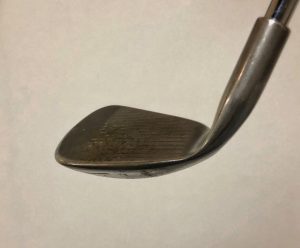
The bounce moving back as you open the face – brilliant design
Mizuno MP-33 irons

Could we call these “the blades to end all blades?” Maybe, maybe not — that’s up for debate, which is what makes this game so much fun. BUT if you paid any attention to the tour before tee up money became a big thing, these were the irons that took Mizuno to the top. A simple muscleback design and subdued branding, these are the definition of “clean.” But what really makes them work:
- The classic shaping and clean lines made these a favorite. We can’t underestimate the fact that when these were introduced there was a big transition occurring on Tour, and it was also around the time Tommy Armour 845s were introduced, and along with Ping, you were starting to see more cavity back irons show up in the bags of the world’s best.
- The 33 was considered a fairly easy to hit blade compared to the iron it replaced in the MP-14. With this “easy to hit” factor, players that were on the fence for blades move into them easier. Everyone remembers their first blade!
- Grain Flow Forged – Oh yes! This patented process of keeping the initial piece of raw steel in a solid yet very hot form during the entire process created unmatched feel and essentially coined the “Mizuno feel” identity.
This is just the beginning of this series looking back on classic cult clubs. Please use the comment section or add your favorites to the thread: Talking Cult Classic Clubs. Hopefully, I can break down the most popular models from a historical technology standpoint, and we can have a fun discussion!




Equipment
Then and now: Comparing Rory McIlroy’s current setup to his record-breaking 2019 Canadian Open victory

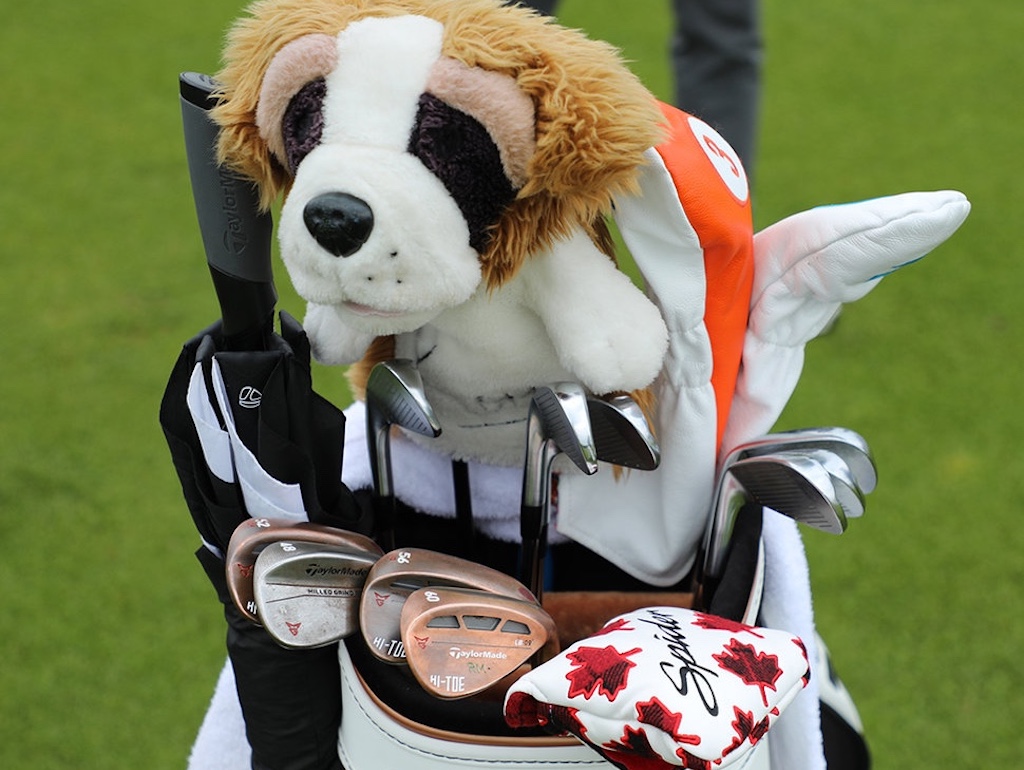
In Rory McIlroy’s first appearance at the 2019 RBC Canadian Open, he crushed the record books to earn his 16th PGA Tour title in dominating fashion, winning by seven shots over Shane Lowry and Webb Simpson.
McIlroy’s score of 22-under-par 258 is the lowest 72-hole score to date at the Canadian Open, and his closing 61 is also the best final-round score in the history of one of golf’s oldest tournaments. Finally, with his win in 2019, McIlroy became only the sixth player to win the career Triple Crown, adding to his victories at the U.S. Open in 2011 and The Open Championship in 2014, joining Tommy Armour, Walter Hagen, Arnold Palmer, Lee Trevino and Tiger Woods in a coveted list.
So, with that, why not compare his current setup to the clubs he used to break all the records?
Driver
2019: TaylorMade M5 (9 degrees), Shaft: Mitsubishi Tensei CK Pro White 70 TX
2026: TaylorMade Qi4D (9 degrees @8), Shaft: Fujikura Ventus Black 7X (45 5/8 inches)
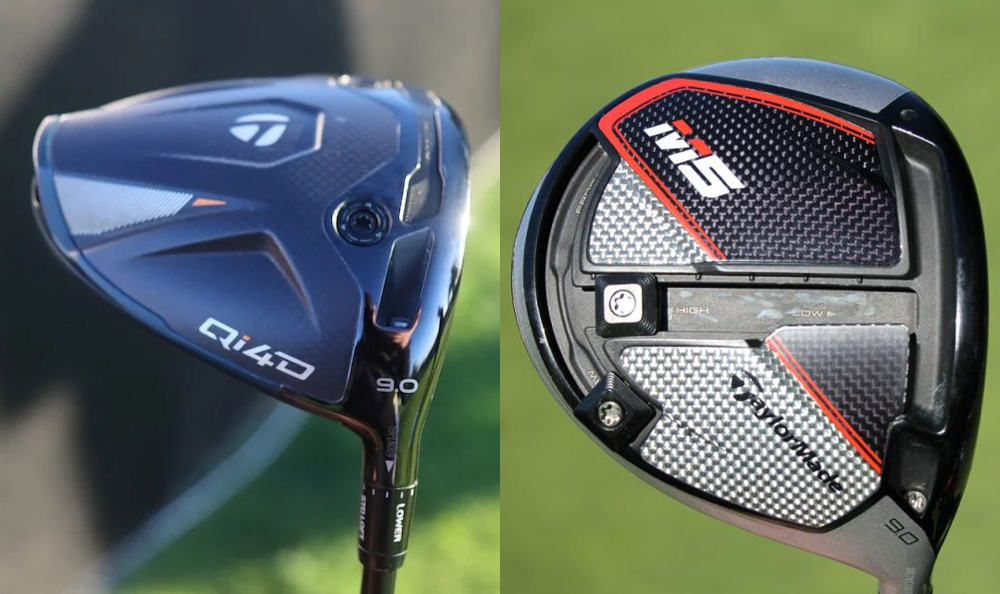
McIroy led the Tour in Strokes Gained: Off-the-Tee in 2019; he’s doing the same in 2026. Between now and then, McIlroy has switched from the Mitsubishi Tensei CK Pro White 70 TX (a shaft with slightly more feeling in the tip) to the original Fujikura Ventus Black 7X, having just made the change to the heavier version from playing the 60X.
What’s interesting about McIlroy’s 2019 setup is that the weighting on his driver is actually set in the high-draw setting, using the T-Track weighting system, whereas in the Qi4D, he’s currently using a heavily rear-weighted setup. (Two 13-gram weights in the rear and only two 4-gram front weights.)
The TaylorMade M5 driver he played in during his Canadian Open win was the company’s first head that they claimed to design to initially exceed the USGA’s COR limit, and then injected with tuning resin to bring it back in bounds.
Fairway woods
2019: TaylorMade M6 3-wood (15 degrees), Shaft: Mitsubishi Tensei CK Pro White 80 TX; TaylorMade M5 5-wood (19 degrees), Shaft: Mitsubishi Tensei CK Pro White 90 TX
2026: TaylorMade Qi4D 3-wood (15 degrees), Shaft: Fujikura Ventus Black 8X; TaylorMade Qi4D 5-wood (18 degrees), Shaft: Fujikura Ventus Black 9X

The TaylorMade M6 fairway wood that McIlroy was using during the 2019 season is still in the bag of some of the best golfers on Tour in 2026. Just check out Justin Rose’s winning setup from the Farmers Insurance Open earlier this year. This year, though, McIlroy has still been searching for his top-end-of-the-bag setup, having played both the new Qi4D and the Qi10, which he won the Masters with.

The same shaft swap can be seen in the fairway woods as the driver, along with slightly less loft on the 5-wood.
Irons
2019: TaylorMade P750 (4) Buy here, TaylorMade P730 (5-9), Shafts: Project X 7.0
2026: TaylorMade P760 (4), TaylorMade Rors Proto (5-9), Shafts: Project X 7.0

The biggest difference between McIlroy’s custom set and the stock P730s is the groove design. While the P730s were constructed with 14 MX-9 grooves on their milled faces, McIlroy’s proto heads instead use the higher-spinning, 16-groove layout of the TW2 grooves. Other big differences between the sets are that McIlroy’s 7- and 8-irons have thinner toplines, are 1 degree stronger in loft, and are 1/4 inch longer than the original P730 builds.
With McIlroy’s 4-iron, the switch from P750 to P760 sees a transition to a two-piece construction with Speed Foam in it, which allows McIlroy to launch the ball slightly higher, with more workability.
Wedges
2019: TaylorMade Milled Grind (48-09SB), TaylorMade MG Hi-Toe (52-09SB, 56-09SB, 60-LB09), Shafts: Project X Rifle 6.5
2026: TaylorMade MG5 (46-09SB, 50-09SB, 54-11SB, 60-08LB @61), Shafts: Project X 6.5 (46-54), Project X 6.5 Wedge (60)

Between 2019 and 2026, McIlroy’s focus on his short game has been much more apparent. It was the reason why he switched back to the TP5 golf ball, to help with launch, spin and control with his wedges leading up to his career Grand Slam victory in 2025. The most apparent changes to McIlroy’s wedge setup are his lofts and bounce. He’s slowly delofted his pitching to a sand wedge, but has increased the loft on the lob wedge, bending his current 60-degree to 61. With that, adding more loft to his lob wedge also slightly increases the bounce and leading-edge sit point, so, as a result, he plays a lower-bounce lob wedge compared to 2019. The MG5 wedges are also softer than the first Milled Grind option from 2019. McIlroy also no longer plays the full-face grooves found on the Hi-Toe.
Putter
2019: TaylorMade Spider X
2026: TaylorMade Spider Tour X
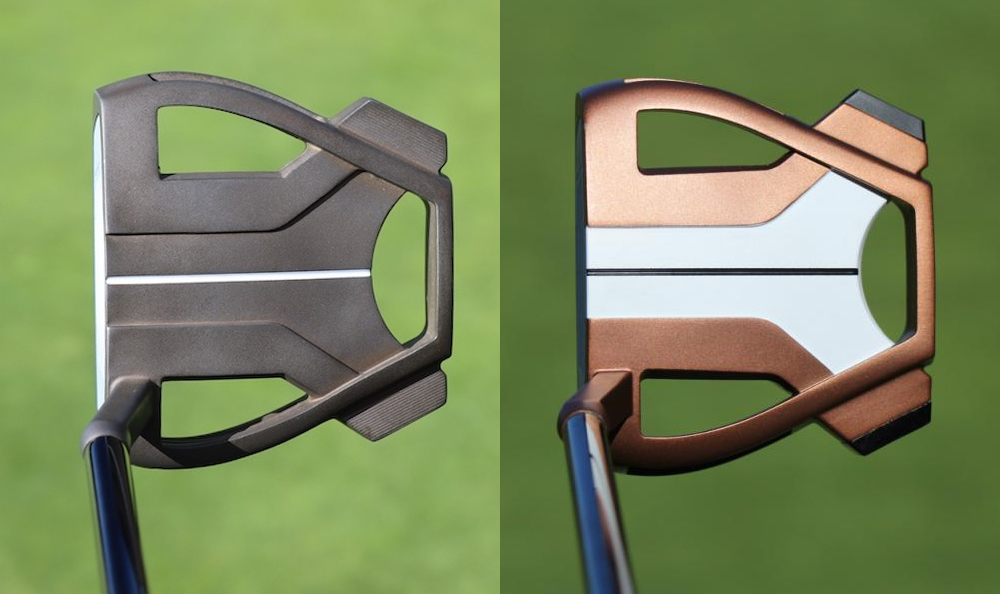
Notice anything similar. Yes, the copper finish on Rory McIlroy’s Spider X putter in 2019 is a slightly more reflective finish than the recently released torched PVD finish. McIlroy was using the True Path alignment system, but now uses only a single white sightline.
Ball
2019: 2019 TaylorMade TP5 (#22)
2026: 2025 TaylorMade TP5 (RORS)
As mentioned above, McIlroy had transitioned from the TP5 to TP5x golf ball since his victory in Canada in 2019, but now is black with the same style of golf ball as his victory at Hamilton Golf & Country Club.
Grips
2019: Golf Pride Tour Velvet Cord
2026: Golf Pride MCC
Interesting, McIlroy actually used Golf Pride’s Tour Velvet Cord grips during his victory in 2019 (it was during a 2+ year switch to the corded TV) as opposed to his usual MCC grips, which he has played for most of his career.


At GolfWRX, we are a community of like-minded individuals who all experience and express our enjoyment of the game in many ways.
It’s that sense of community that drives day-to-day interactions in the forums on topics that range from best driver to what marker you use to mark your ball. It even allows us to share another thing we all love – buying and selling equipment.
Currently, in our GolfWRX buy/sell/trade (BST) forum, @Putt4Dough is selling some prototype wedges from Vokey Wedgeworks. These include a 54 degree wedge with the M grind and a 60 degree wedge with a T grind.
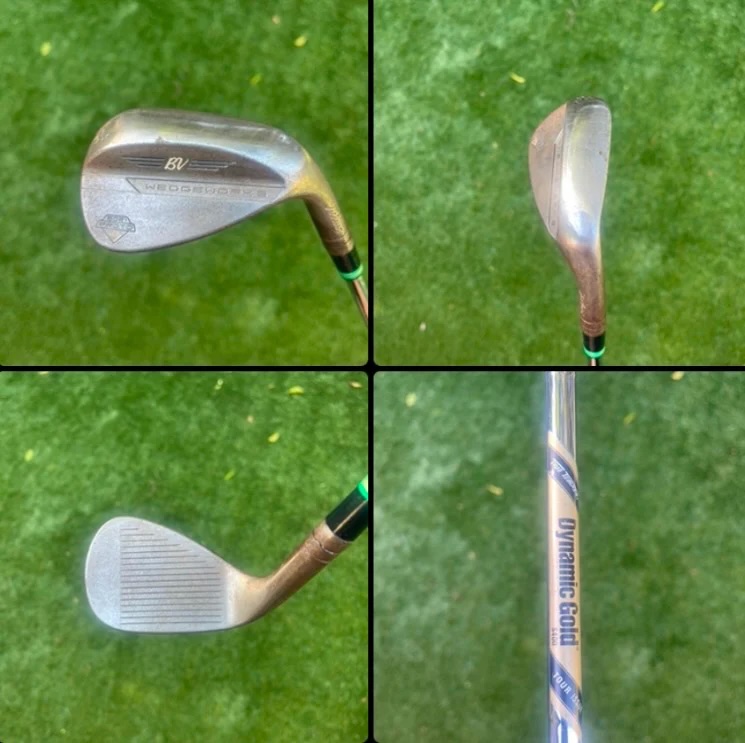
From the listing:
(1) Titleist Vokey Proto Wedge 54M with a Tour Issue DGS400 shaft and Golf Pride Tour Velvet (logo down). Standard length, lie, and loft. BB&F ferrule. Raw wedge in good condition. No initials. Price is $200 shipped. Buy both wedges for $380 shipped.
(2) Titleist Vokey Proto Wedge 60T with a KBS Tour 130X shaft and Golf Pride Tour Velvet. Standard length, lie, and loft. Raw wedge in good condition. No initials. Price is $200 shipped. Buy both wedges for $380 shipped.
To check out the full listing in our BST forum, head through the link. If you are curious about the rules to participate in the BST Forum, you can learn more here: GolfWRX BST Rules.
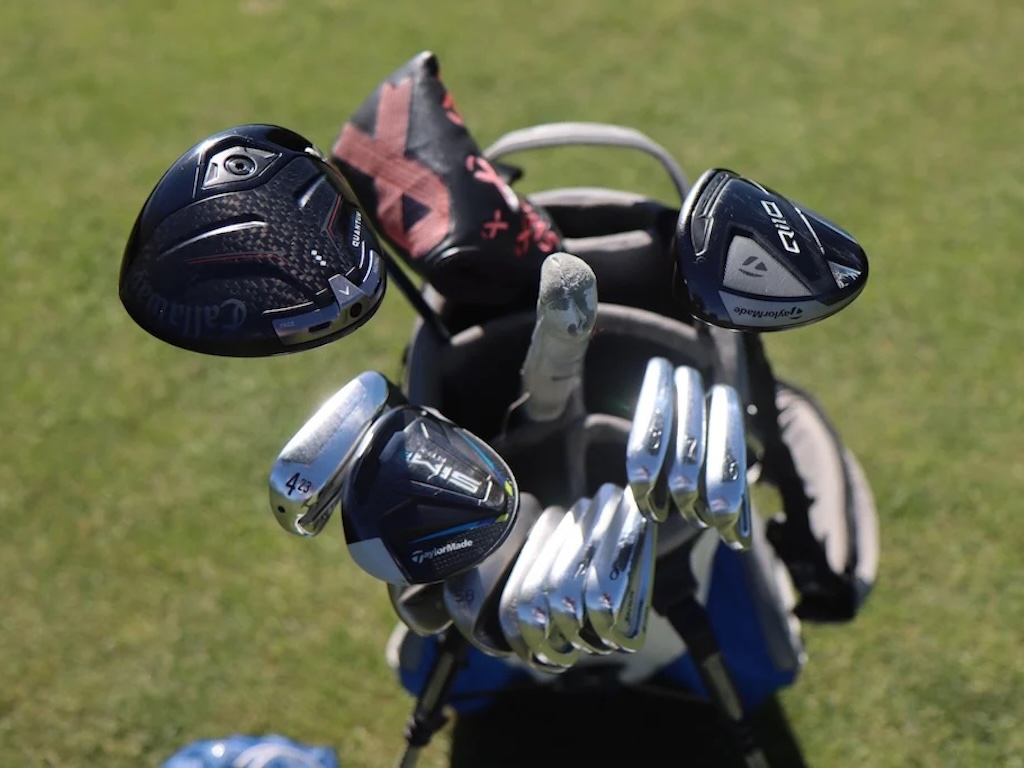
Driver: Callaway Quantum Triple Diamond (9 degrees)
Shaft: Project X HZRDUS Smoke Blue RDX 60 TX
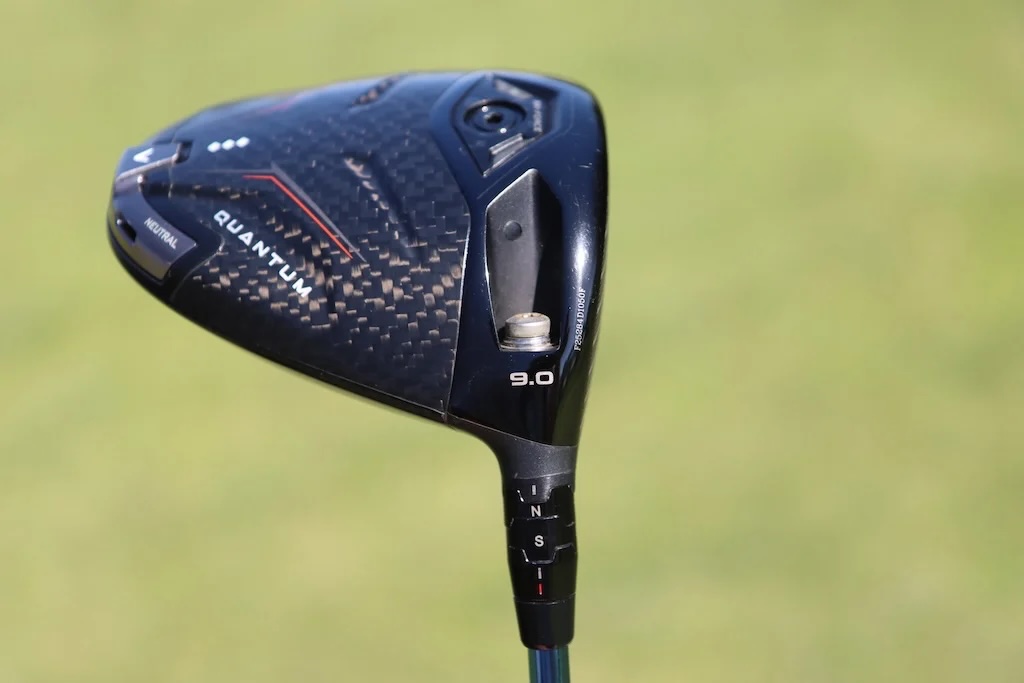
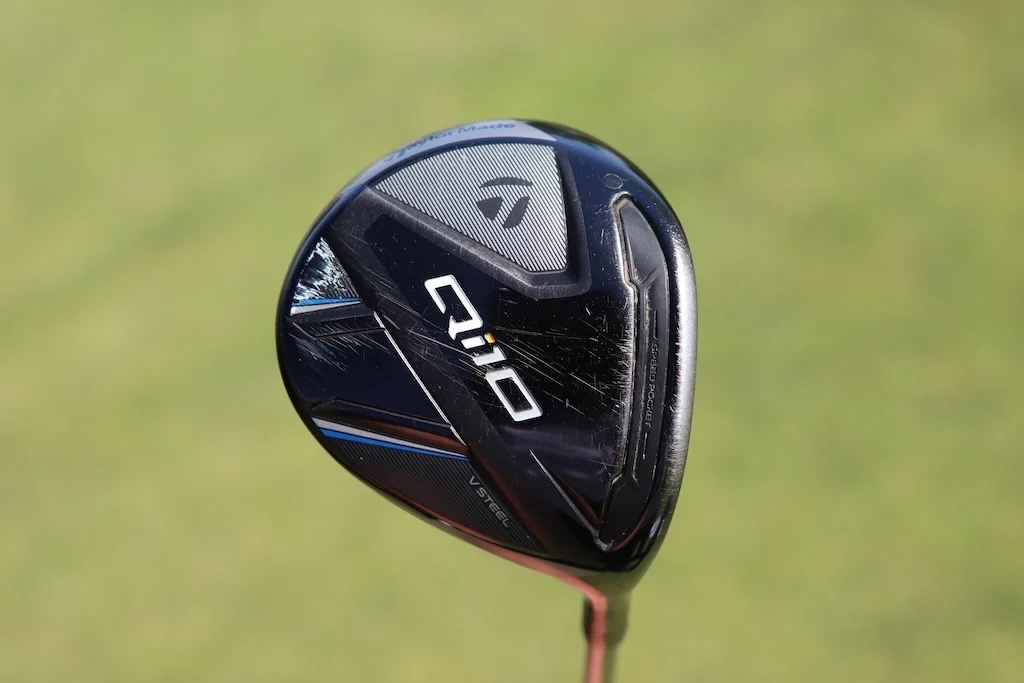
3-wood: TaylorMade Qi10 (15 degrees)
Shaft: Project X HZRDUS T1100 70 6.5
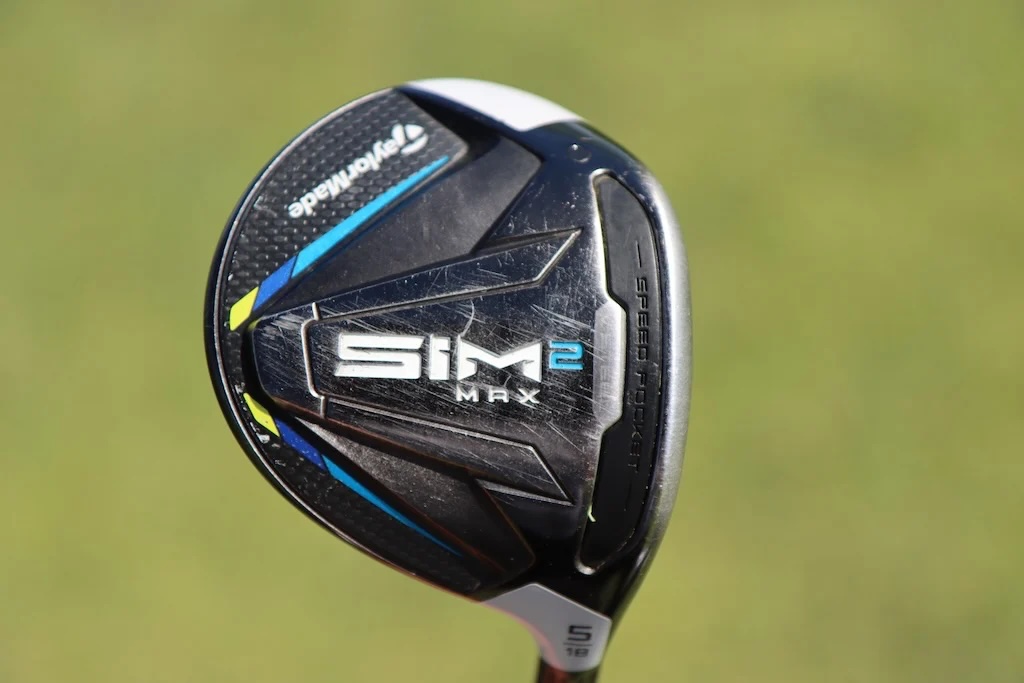
5-wood: TaylorMade SIM2 Max (18 degrees)
Shaft: Project X HZRDUS Smoke Black RDX 80 TX
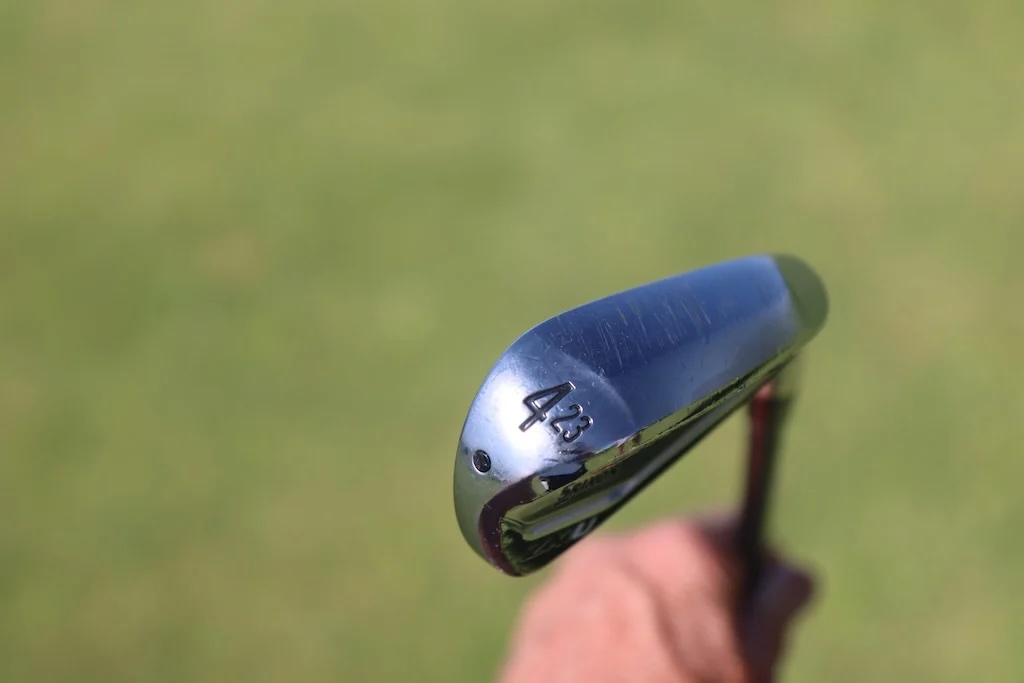
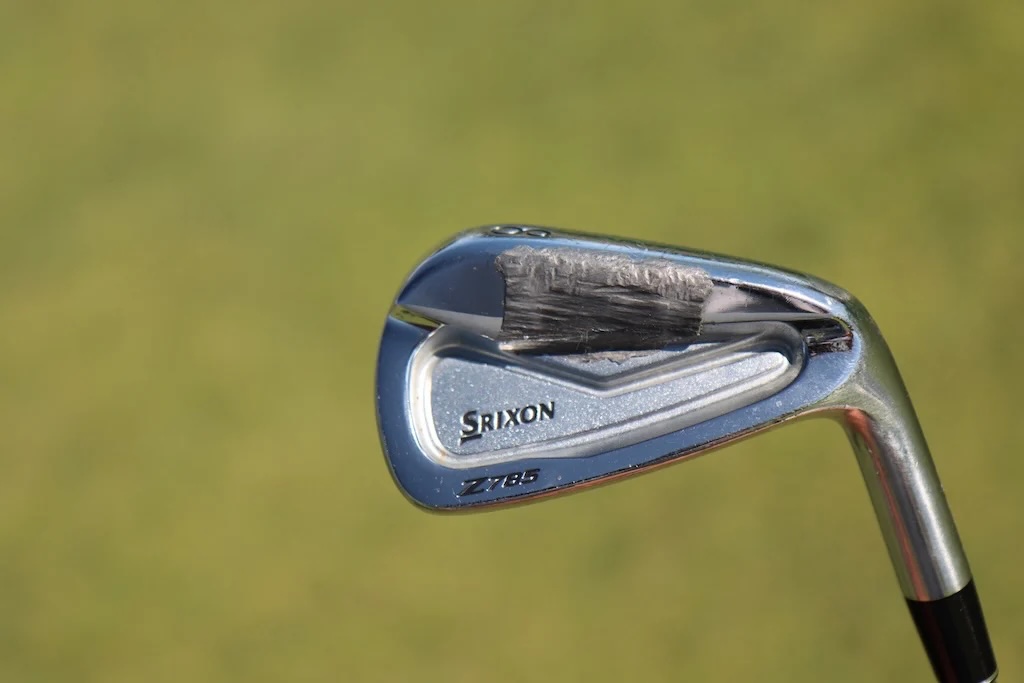
Irons: Srixon ZXiU (23 degrees), Srixon Z785 MB (5-PW)
Shafts: Project X HZRDUS Smoke Black RDX 100 6.5 (4), KBS Tour 130 X
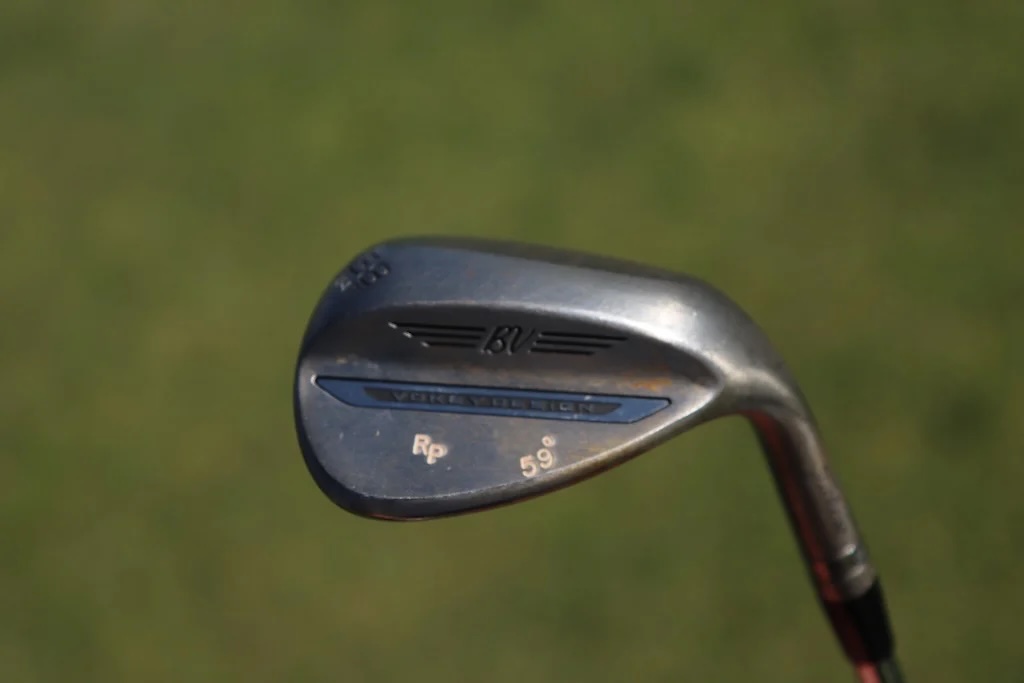
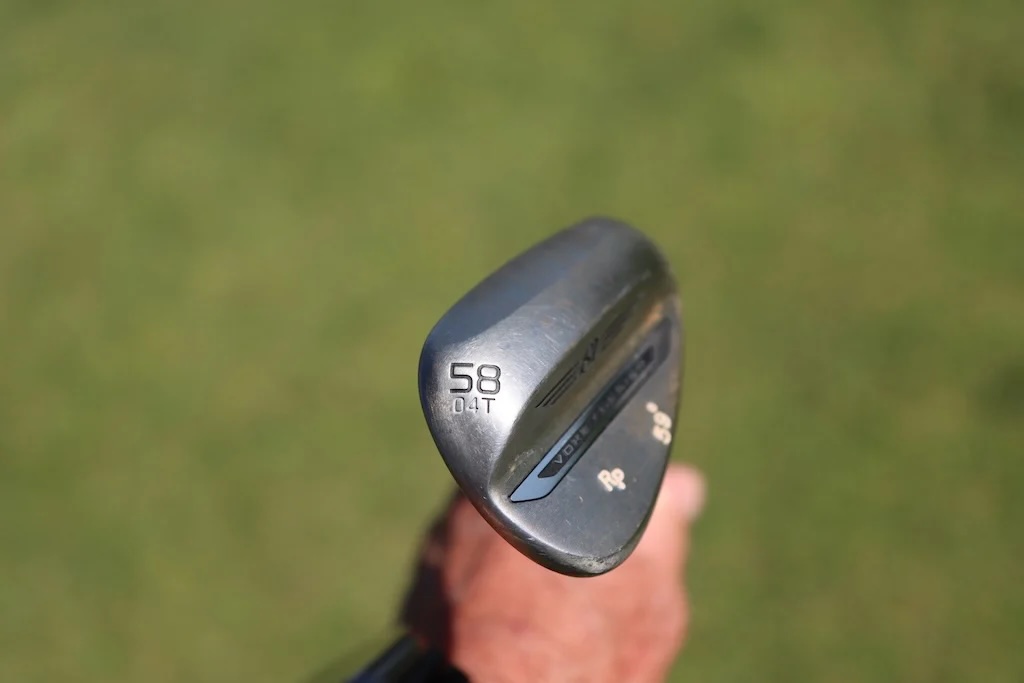
Wedges: Titleist Vokey Design SM11 (50-08F, 54-10S, 58-04T @59)
Shafts: KBS Tour 130 X
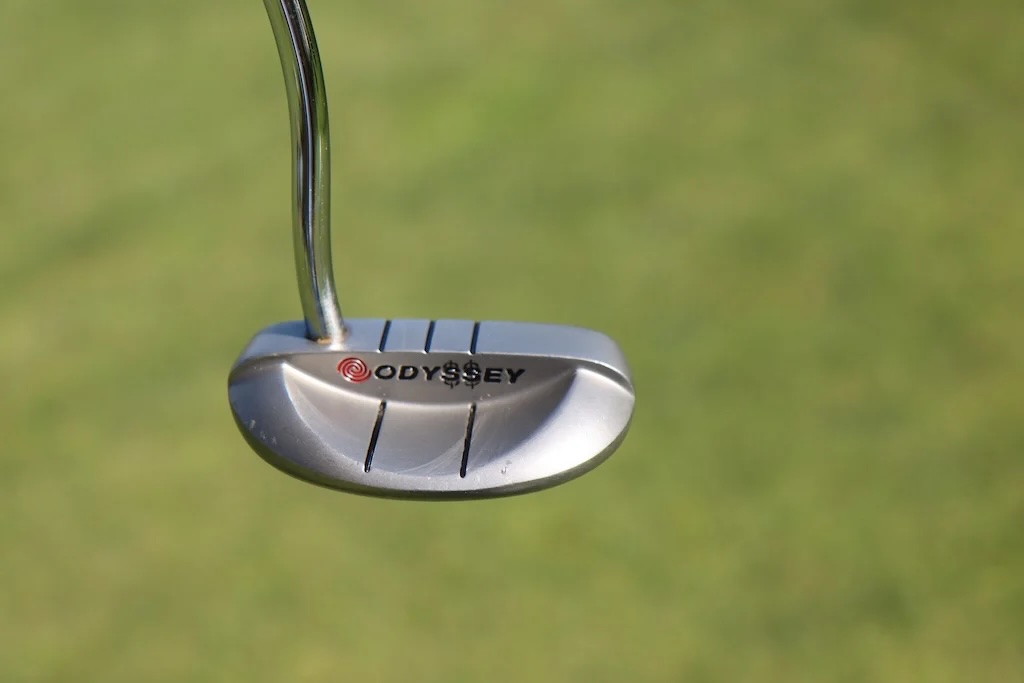
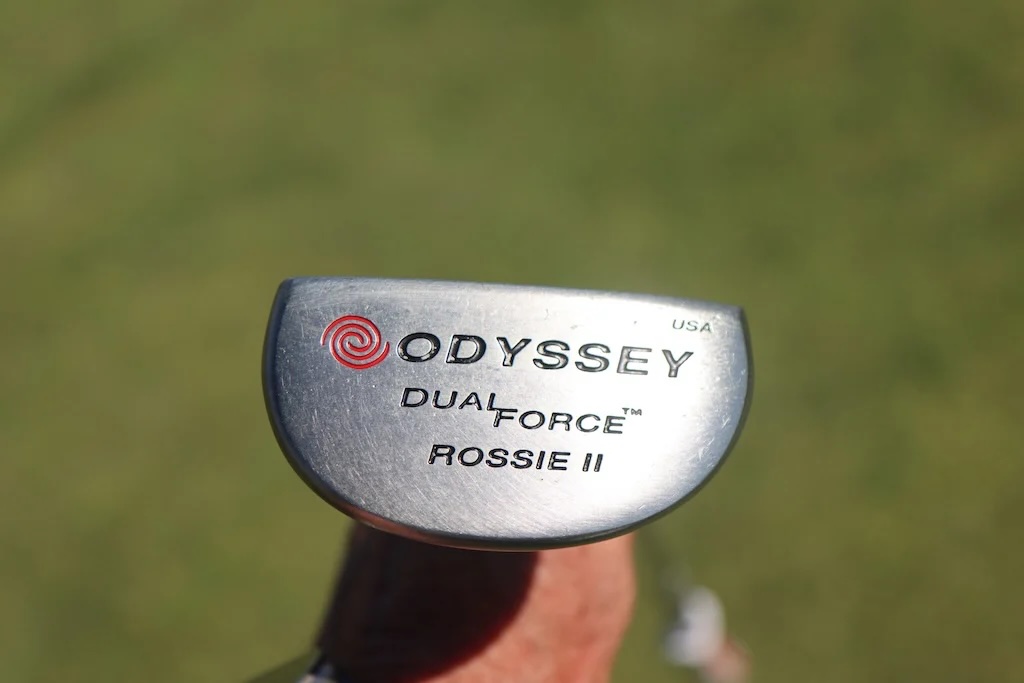
Putter: Odyssey Dual Force Rossie II
Ball: Titleist Pro V1x
Grips: Golf Pride Tour Velvet

Justin Rose WITB 2026 (April): Full WITB breakdown with new McLaren irons

What’s the story behind Webb Simpson’s custom-stamped irons?

Memorial Tournament Tour Report: Rory McIlroy, Cameron Young switch up drivers, and more

Cadillac Championship Tour Report: Spieth’s sizable changes, McLaren Golf launches, and more

Russell Henley’s winning WITB: 2026 Charles Schwab Challenge

Kristoffer Reitan’s winning WITB: 2026 Truist Championship

Best irons 2026: Best irons overall, most forgiving irons, and more

J.T. Poston’s winning WITB: 2026 Memorial Tournament

Aaron Rai’s winning WITB: 2026 PGA Championship

Cameron Young’s winning WITB: 2026 Cadillac Championship


Ryan Palmer WITB 2026 (June)
Driver: Callaway Quantum Triple Diamond (9 degrees) Shaft: Project X HZRDUS Smoke Blue RDX 60 TX 3-wood: TaylorMade Qi10 (15 degrees) Shaft:...


Bud Cauley WITB 2026 (June)
Bud Cauley had >14 clubs in his bag when photographed prior to the Memorial Tournament. Driver: Titleist GTS2 (8 degrees) Shaft: Fujikura...


Hannah Green WITB 2026 (June)
Driver: Titleist GTS3 (10 degrees, D4 SureFit setting) Shaft: Mitsubishi Chemical Diamana RB 53 S 3-wood: Titleist GT3 (15 degrees,...


Asterisk Talley WITB 2026 (June)
Driver: TaylorMade Qi4D (9 degrees) Shaft: Fujikura Ventus Blue 6 S 3-wood: TaylorMade Qi4D (16.5 degrees) Shaft: Fujikura Ventus Blue...
-
 Equipment6 days ago
Memorial Tournament Tour Report: Rory McIlroy, Cameron Young switch up drivers, and more
-
 News2 weeks ago
Russell Henley’s winning WITB: 2026 Charles Schwab Challenge
-
 Equipment3 days ago
Best irons 2026: Best irons overall, most forgiving irons, and more
-
 Whats in the Bag4 days ago
J.T. Poston’s winning WITB: 2026 Memorial Tournament
-
 Equipment1 week ago
Details on Jason Day’s latest prototype Avoda iron setup
-
 Equipment3 weeks ago
CJ Cup Byron Nelson Tour Report: Koepka and Kim’s newest putters finally get hot
-

 News2 weeks ago
Charles Schwab Challenge Tour Report: MacIntyre, Åberg and Spaun all switch putters, TaylorMade launches new Spider
-
 Equipment2 weeks ago
Details on J.J. Spaun’s surprise putter switch


CJ Werley
Apr 12, 2019 at 3:26 am
This topic cannot be discussed without mentioning the King Cobra 14* 3-Wood. IMO that was one of the hottest wood around in the mid-90s.
There was no more popular club in the early 90s than the TaylorMade Burner Plus 9.5* (“Tour Preferred”), which arguably moved the dial more than any driver up until the Great Big Bertha.
The 975D driver and their shortlived 681 irons were Titleist’s crème de la crème designs. The fact they rolled out during the same timeframe is no coincidence (google Terry McCabe).
Also, though not a club, per the definition; “one of the key ingredients to the “cult” is when they were released and how technology advanced during that time,” I believe there’s a strong argument for FJ DryJoys to be included in this mix. Up until that point, golf shoes were either garbage (Mizuno shoes lasted a week) or $500.
NOT ON THIS LIST:
Cleveland VAS 972s
Ping Zing 2s
The Bubble
The Bubble Grip
The Bubble Headcover
Dustin
Mar 21, 2019 at 1:13 pm
Tommy Armour 845’s.
Callaway Warbird S2H2’s.
The original GBB.
The Zebra Putter.
The Odyssey 2-ball.
G March
Mar 20, 2019 at 10:53 pm
I have to admit that I am biased. I have a set of MP33’s and while the “best” I always debatable, I’m happy to see that you chose those as the “the blades”.
Ken
Mar 18, 2019 at 10:07 pm
OMG, how could you miss the GBB driver? I was a marshal on the 18th tee box at Dye’s Valley Course during a Senior Tour Pro Am NFL event, when Jim Dent pulled it out, something from outer space. He bombed one down the fairway, then I asked him what the heck was that club? He handed me the club, I made a few practice swings then he handed me a ball to tee up. I swatted it long and straight, thanked him and told him I loved it. The next day I had a new Great Big Bertha in my bag and probably helped sell 200 of them at my club.
Joe Taylor
Mar 17, 2019 at 4:59 pm
I have nearly worn the “S” off my old Ping sw.
Michael Cooper
Mar 24, 2019 at 11:33 pm
Hey Joe. Have to ask since the guy I most associate with Ping irons was named Joe Taylor – from Burroughs/Burbank golf team days…is that you? Joe was the best high school golfer I ever knew.
For the rest, I use Ping Zing Beryllium irons still today a couple times a week.
Frank
Mar 16, 2019 at 8:55 am
Now approaching my 80th birthday I have gone retro. Ping Eye 2+ wedges with new shafts and grips. Goes nicely with my Ping B60 putter except when the putter misbehaves then out comes my Rossie putter. Sometimes putters need a timeout.
JAMES Walter
Mar 29, 2019 at 5:49 pm
I watched JNicklas use the blade TArmour…so I did for forty years, then some crud stole my 1966 staff irons and a1940ish Sandy Andy wedge. I’m 75 now and have shot my age with some used twenty-year old Rams like TWatson used a beat up rocketbalz driver and cobra seven metal and 13 degee metal at my 6200 yard coarse, I play the blues(I still feel like I can) I’d like to thank the thief.
Steve Meek
Mar 9, 2019 at 12:39 am
Anyone remember Sonartec Fairway woods and hybrids. They were fantastic clubs, really easy to hit, and really long in their day. Interesting story as well, look up Peter Pocklington (Edmonton Oilers owner)
Mike
Mar 9, 2019 at 9:21 pm
Seems like trouble followed Peter wherever he went.
Vansmack73
Mar 14, 2019 at 12:24 am
I loved mp 33 and still have a set. But remember mp9 and mp 7. Both were sweet with more offset that makes today’s blades look onset
Mike
Mar 8, 2019 at 9:46 pm
Ping Eye 2 3-wood. Most accurate club I’ve ever used to this day, shot mid 70’s in high school w it in early 90’s, ZZ Lite shaft, exceptional performers.
golf-doug
Mar 8, 2019 at 1:56 pm
who can forget the Pittsburg persimeon spoon (2-1/2) fairway metalwood and the trusty Hogan sand wedge with the huge bounce…..wow
Mike
Mar 8, 2019 at 9:47 pm
Or the Cleek!
Don
Mar 17, 2019 at 7:29 pm
I still use the Hogan Sure Out sand wedge with the monster bounce….cuts through anything and feels better than any other SW I’ve ever hit. I also use the VSteel 3 and 5 woods….bought a backup set a few years ago before they disappeared entirely. And as I type this I feel like an old geezer!!
Michael Alonso
Mar 8, 2019 at 1:07 pm
While I’ve tried a few different fairway woods, I keep going back to my V Steel 3w. It’s the most consistent club in my bag.
Tom54
Mar 8, 2019 at 1:01 pm
Mizuno mp 29s were an awesome iron too. One of the best blades ever.Also the biggest big bertha driver was great too.So many great clubs were made back in the days. Remember back then,whatever was out was considered the best that was offered. That is today’s claim as well. Only time will tell as to which clubs today will be tomorrow’s must have collectibles. Would like to know from readers what club that is recently out do they think will still be in their bag 5-6 years from now. For me,it’s the putters that you latch on to that you always come back to. I agree with Robert about the old Wilson 8802 and Arnold Palmer cause I have em both. Something very nostalgic about bringing those out every once in a while.
dtrain
Mar 8, 2019 at 12:56 pm
Early Ping Putters, manganese bronze specifically.
Cleveland 588 wedges
MacGregor VIP irons were this way for many years.
Wilson R90 SW as well.
Ken s
Mar 8, 2019 at 12:37 pm
Another reason irons ( such as eye two ) were great is because this was just before golf companies made the lofts less and less and the length of clubs longer and longer. This wS the worst thing to happen to all recreational golfers! They did this so the golfer hits his 8 iron longer as well has other irons. A big mistake! No wonder so many golfers loved those ping eye 2. If many still had them I bet they would be scoring better then today’s irons .
OM18V
Mar 8, 2019 at 10:11 pm
Old guy started with eye 2 a few years ago. Callaway XR OS improved my scores.
Andrew
Mar 11, 2019 at 6:30 pm
And here comes “that guy”, completely oblivious/ignorant to the science behind why they’ve changed the lofts. Those darn whippersnappers would birdie every hole if they went back to persimmons with hickory shafts.
Back in my day
Mar 8, 2019 at 10:52 am
Titleist 905R reigned supreme. Forgiving (460). Long (max C.O.R.). Accurate (bore-thru design). Anti-Left (flat lie angle, neutral weighting). Looks (sexy, clean classic pear shape). Sound (solid, dynamic crack) Value (great shaft options– V2,NV,Speeder,Ys-6+)
Honestly I could play it today and still hit bombs.
Ken
Mar 18, 2019 at 10:18 pm
Have one in the garage. Got me thinking? Will go to the range and test it against my M2
MBU
Apr 1, 2019 at 4:28 am
I have a 905S, (400cc) in my bag permanently. Ive been through most of the newer drivers, but I hit this better and sweeter than any of them. It has a 77g Speeder shaft…
Some of it is down to loving the look of the head, but really, ive complete trust in it, and middle for middle it is the same length as the newer ones i had, AND i hit it out of the middle much more often.
Anton
Apr 8, 2019 at 7:29 pm
Still play this with original diamana Blueboard 83. Cannot find a better driver.
marty
Mar 7, 2019 at 8:17 pm
Srixon i302 irons, forged, feel like butta, rifled shafts. Brilliant
M
Mar 7, 2019 at 6:38 pm
If Mizuno re-released the 33’s I’d buy them in a heartbeat.
Mike
Mar 7, 2019 at 4:57 pm
I found MP 33’s at local box store in good to very good condition, original grips and all, all standard specs, all for $99! And yes, I grabbed them immediately.
On that note, the Bridgestone J33 blades are NICER!!!!!!!
Mizzyman
Mar 7, 2019 at 5:24 pm
Yea but MP-33 are conforming to 2010 grooves rules but J33 are not!
Jeff Young
Mar 7, 2019 at 2:49 pm
I have the long wedge and still take it out for a spin
The “33” are the grail of amazing irons. To pretty to hit
I would like to add the titleist 975d driver and woods to the list.
FW came in steel
Bret Rogerson
Mar 7, 2019 at 2:38 pm
What make writer check spelling of title?
Mather Hewison
Mar 7, 2019 at 11:31 am
I have powerbuilt tps irons from 1986 have tried everything made since and they are still the best irons i have ever had and started playing golf in 1964. I used to play wilson staff for years and loved them. But its not the clubs its the guy swinging them.
Golf Legend
Mar 7, 2019 at 11:12 am
I have Ben Hogan Edge CFT irons and Ben Hogan CFT 3h and 2h all reshafted with Project X flighted 6.0 steel and Golf Pride GP2 grips.
Winning bets against dudes with new $1000.00+ iron sets.
Ben Hogan spirit baby!!!
Golf Legend Out!!
Mizzyman
Mar 7, 2019 at 5:22 pm
Yea but MP-33 are conforming to 2010 grooves rules but J33 are not!
david chilman
Mar 8, 2019 at 12:54 pm
I am still playing 1956 Hogan’s with dynamic gold shafts . Great heads, and the 8 iron had not been changed as later. Given to me by pro playing Hogan irons in development. Before marketing. He was using Izet woods, as did Hogan I think. One of the real classics along with McGregor.
Ken
Mar 18, 2019 at 10:29 pm
Good call on the re-shaft. I went to a club fitter and found my stiff shafts were senior fle on my Edge irons, they we far out of spec. Re-shafted them and became the 1993 club champ at my club
TheBrad
Mar 7, 2019 at 11:05 am
Don’t forget the original Ping Anser 2. You can buy them used for around $30 or $40 and they’re still incredible.
Kelly Fitzgerald
Mar 7, 2019 at 12:41 pm
I have a ping cushin I bout in 1976 and still use it to this day. Love it
Robert
Mar 7, 2019 at 10:41 am
Wilson blade putters – the 8802 and the Arnold Palmer (originals – not copies).
Eric Larson
Mar 7, 2019 at 10:23 am
Titleist 975d a lot of people were using it. It was the best looking driver to date and was deep off of the tee.
Lynn J Osburn
Mar 7, 2019 at 9:30 am
The beryllium pings we’re a brake through also. I play isi beryllium with Graphite shafts, ez on the hands and very forgiving.
Kevin Link
Mar 7, 2019 at 11:26 am
The beryliium Pings were in the bag of the best amatuer in my hometown. He was unbeatable and hit a repeatable high soft fade with them. Awesome sticks….
Woody
Mar 7, 2019 at 8:33 am
You are missing Ping putters. They revolutionize putting and their designs are used by every manufacturer. Also, Callaway big Bertha irons, first cast irons I do believe.
Shallowface
Mar 7, 2019 at 10:16 am
Cast irons were around long before the Big Bertha. Karsten was casting Ping irons in 1968, and I don’t know for sure if they were the very first.
Steve P
Mar 12, 2019 at 11:50 am
I believe Confidence Golf was the first to make a cast iron.
Larry Eveler
Mar 8, 2019 at 10:03 am
Thank you. I was wondering why Callaway wasn’t mentioned. Big Bertha War Bird woods ruled for a long time. I liked them much better than Talormade.