
Opinion & Analysis
College golf: What you really need to shoot to play in tournaments


No doubt the greatest part of the collegiate golf experience is traveling, which provides amazing bonding, as well as access to some of the greatest courses in the country!
However, getting on the bus at most schools requires some good scores! How good? I collected data from 25/50 Men’s Division I programs on the subject and found that on average these teams report playing qualifying from an average distance of 7,072 with a course rating of 74. They report that on average they play four rounds of qualifying, and the winner of the qualifying averages 67.2, while the fifth player usually has an average of 71.3. This means that for a four-round qualifier, the last person to qualify must shoot 4 under, while the winner shoots about 20 under. Pretty darn good!
According to Tennessee Head Coach Brennan Webb, whose team started the season with two victories, “If you are going to be a successful golfer at any level. you have to be good at qualifying. That includes every level of professional golf. It is what makes golf the purest sport there is. There is no draft to the PGA Tour. Learning that skill in college will be very valuable to you as your career progresses. Every successful program I have been a part of utilizes qualifying as a major part of the growth process of their players.”
Players at other levels also face very strong competition in qualifying. For example, at Emory University, the No.1-ranked team by Golfstat at the end of the fall, the team usually qualifies at either Smoke Rise of East Lake CC. Both courses have slopes of at least 135 and play between 6,800-7,100 yards. In six rounds of qualifying in the fall, the best player averaged 72.15, while the fifth player averaged 73.5.
The story is not much different at the NAIA level. According to Coach Sikorski at Ottawa University in Arizona, for the first event of the year they played five qualifying rounds with the top three performers shooting 8 under or better. The fifth man for the five rounds was 2 under, and the team currently boasts 12 players with a stroke average of 75.22 or better.
According to Andrew Danna, now at LSU but who last year coached the NCAA Division 2 Champion Lynn Fighting Knights, “we had a tremendous group of talented athletes at Lynn, including seven players in the top 750 in the WAGR. The players were very driven, and the results showed daily with qualifying often below par.”
These numbers demonstrate clearly how good college golfers are day to day on their home golf courses. At the highest level, the best college players are approximately +6 handicaps on their home courses, while players who are on the cusp of traveling have handicaps of between +1 to +3. At other levels, including DII, DIII and NAIA, the competition really is not that much easier with many coaches reporting players routinely winning qualifying with between -6 to -15.
When considering these scores, it is important to remember that scores are likely to be the lowest in the fall for two reasons; it has the best weather and many players are coming off three months of summer golf where they don’t have the demands of schools. Together, these make players the most prepared and it is the reason why we often see very low scores in September.
For junior golfers in the recruiting process, understanding the qualifying process is extremely important. This includes not only what type of scoring maybe required but also the way coaches prefer to qualify which can range greatly. For example, some coaches might simply allow the lowest five scores from a certain number of rounds to travel, while others might use the point system which solely relies on their discretion has one simply rule: if they point to you, you are going to the tournament.



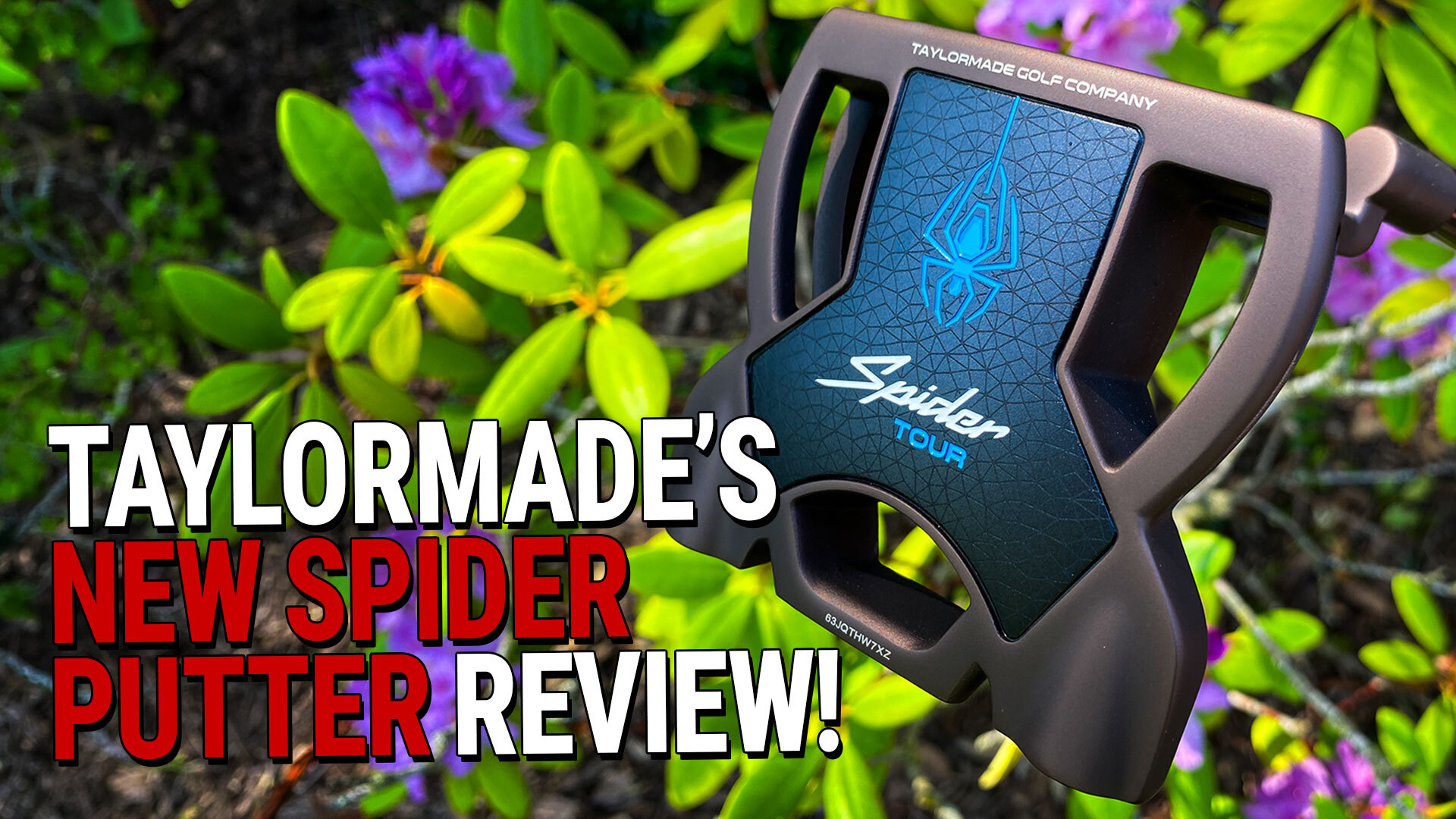
On this episode of Club Junkie, Brian dives into the all new TaylorMade Spider Tour Torched putters and breaks down everything from the unique torched finish to the performance, feel, and roll on the greens. Are these Spiders just a cosmetic upgrade, or is there more to the story?
Then, Brian is joined by Luke Williams from Odyssey Golf to discuss the highly anticipated Damascus Milled putters. Luke shares the inspiration behind the project, the challenges of working with Damascus steel, what makes these putters so special, and why collectors and players alike are excited about Odyssey’s latest premium offering.
Whether you’re a putter junkie, gear collector, or just looking for your next flatstick, this episode is packed with insights on two of the most talked-about putter releases of the year.

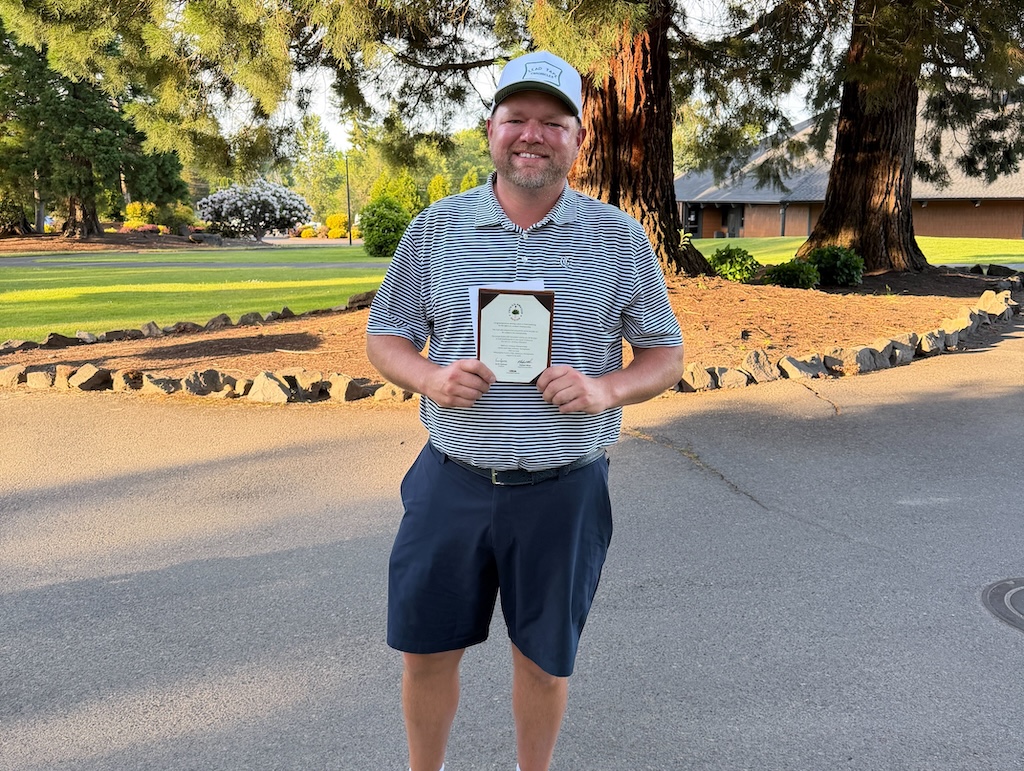
This past Monday, I played in the U.S. Amateur local qualifier at Rock Creek Country Club in Portland, Oregon. A full tee sheet from 7:30 a.m. to 1:55 p.m., the top 11 scores would make it to the U.S. Amateur final qualifying.
I teed off at 10:48 a.m.. With the 7:30 am tee time, you can get a feel for the leaders’ pace, and they were off and running on the challenging setup at Rock Creek.
View this post on Instagram
Getting to the highlight of the round on the par five 17th, a drive up the left side and 212 yards left to the front hole location. I took out a 5-iron with plans of middle of the green. The ball ended up 8 feet left of the hole, pin high. A slight downhill putt dropped in for an eagle 3 on the 17th. With the cut line looking to be anywhere from -2 to even par. This was the boost I had been waiting for all day.
With making par from the trees on 18, it was time to wait for a potential playoff with a posted score of one under par 71.
Three hours later, it was playoff time. 8 players for 6 spots. I made par on the playoff hole, which was good enough to advance to the U.S. Amateur final qualifying in July. USGA qualifiers sure deliver on all of the emotions in golf!
Club Junkie
Building my 2026 gamer WITB: Ranking the contenders and new putter projects – Club Junkie Podcast

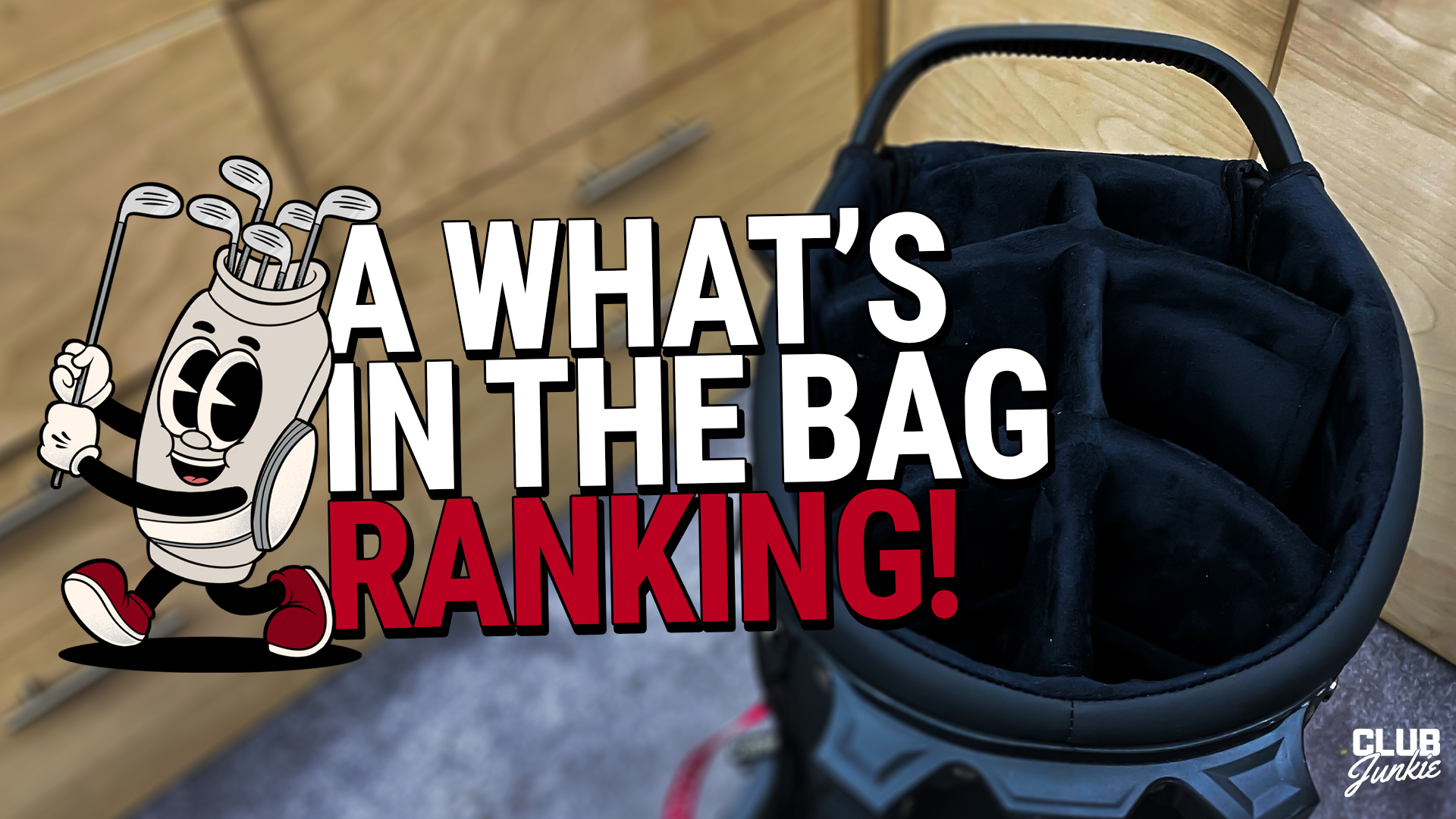
The annual What’s In The Bag build is underway, and on this episode of Club Junkie, Brian breaks down the clubs currently leading the race for a spot in his 2026 gamer setup. From drivers and fairway woods to irons, wedges, and shafts, he ranks the equipment that’s performing best and explains what’s separating the front runners from the rest of the field.
Brian also heads into the workshop to discuss several putter projects currently on the bench. From head options and shaft choices to build ideas and testing plans, he shares what he’s working on and which putters could become serious contenders for the bag this season.
If you’re a gear junkie who loves equipment testing, club building, and the never-ending pursuit of the perfect setup, this episode is for you.
Follow Club Junkie:
Instagram: @clubjunkiepod
TikTok: @clubjunkiepod
Threads: @clubjunkiepod
X: @ClubJunkiePod

What’s the story behind Webb Simpson’s custom-stamped irons?

Memorial Tournament Tour Report: Rory McIlroy, Cameron Young switch up drivers, and more

Cadillac Championship Tour Report: Spieth’s sizable changes, McLaren Golf launches, and more

Russell Henley’s winning WITB: 2026 Charles Schwab Challenge

Kristoffer Reitan’s winning WITB: 2026 Truist Championship

Best irons 2026: Best irons overall, most forgiving irons, and more

J.T. Poston’s winning WITB: 2026 Memorial Tournament

Aaron Rai’s winning WITB: 2026 PGA Championship

Cameron Young’s winning WITB: 2026 Cadillac Championship

Details on Jason Day’s latest prototype Avoda iron setup


Christiaan Maas WITB 2026 (June)
Driver: TaylorMade Qi4D LS (8 degrees) Shaft: Fujikura Ventus TR Blue 6 X 3-wood: TaylorMade Qi10 (15 degrees) Shaft: Fujikura Ventus Black...


Ryan Palmer WITB 2026 (June)
Driver: Callaway Quantum Triple Diamond (9 degrees) Shaft: Project X HZRDUS Smoke Blue RDX 60 TX 3-wood: TaylorMade Qi10 (15 degrees) Shaft:...


Bud Cauley WITB 2026 (June)
Bud Cauley had >14 clubs in his bag when photographed prior to the Memorial Tournament. Driver: Titleist GTS2 (8 degrees) Shaft: Fujikura...


Hannah Green WITB 2026 (June)
Driver: Titleist GTS3 (10 degrees, D4 SureFit setting) Shaft: Mitsubishi Chemical Diamana RB 53 S 3-wood: Titleist GT3 (15 degrees,...
-
 Equipment7 days ago
Memorial Tournament Tour Report: Rory McIlroy, Cameron Young switch up drivers, and more
-
 News2 weeks ago
Russell Henley’s winning WITB: 2026 Charles Schwab Challenge
-
 Equipment4 days ago
Best irons 2026: Best irons overall, most forgiving irons, and more
-
 Whats in the Bag5 days ago
J.T. Poston’s winning WITB: 2026 Memorial Tournament
-
 Equipment1 week ago
Details on Jason Day’s latest prototype Avoda iron setup
-

 News2 weeks ago
Charles Schwab Challenge Tour Report: MacIntyre, Åberg and Spaun all switch putters, TaylorMade launches new Spider
-

 Equipment2 weeks ago
Details on J.J. Spaun’s surprise putter switch
-

 Popular Photo Galleries3 weeks ago
Photos from the 2026 Charles Schwab Challenge


Bob Bigonette
Feb 20, 2019 at 7:03 am
Your research is in accurate and misleading and painting a really bad image for aspiring young golfers. Simply pu,t your sample size is way to small . Do the work next time.