
Equipment
A Q&A with Seven Dreamers about its $1,200 shafts

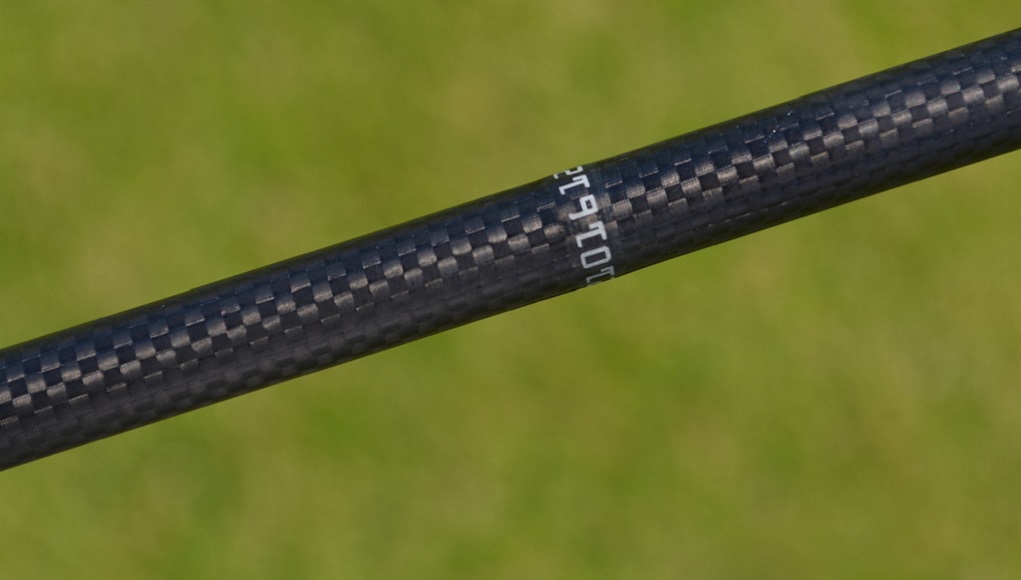
We spotted Seven Dreamers at Demo Day at the PGA Show last year and were impressed by GolfWRX member chiromikey’s fitting experience in Japan. With the company expanding to the U.S. market, we wanted to dig a little deeper.
The Japanese company says that once you demo one of the its $1,200 shafts, you’ll see and feel its superiority to your current gamer. Fortunately for those interested, you’ll soon be able to do so at select fitters and green grass locations in the U.S.
Seven Dreamers is rooted in the aerospace industry. An interesting note: In 1998, the company was involved in the development of Japan’s “Hayabusa” spacecraft, the first and only unmanned craft to land on an asteroid and return to earth with a sample from the surface. The shafts are made in Tokyo by a team of craftsmen and scientists who collaborate to custom build each shaft. A point of differentiation: Seven Dreamers uses an autoclave pressure chamber in its manufacturing process. Other manufacturers cure their shafts in ovens. The company says this process produces superior quality carbon fibers, reduced resin, and eliminated the need for grinding, polishing, or painting.
For the U.S. and Canadian market, the company offers 33 different bend profiles, identified from thousands of fittings.
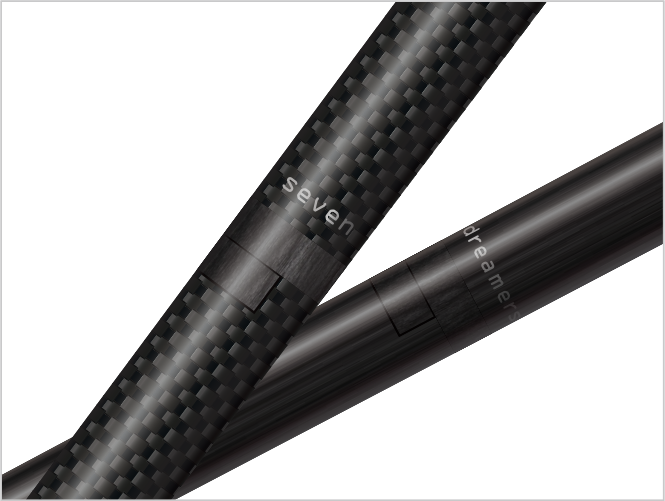
We spoke with Mike Rossi, Vice President of Sales and Marketing at Seven Dreamers.
GolfWRX: Tell us a little bit about the history of the company, as our readers likely aren’t too familiar with Seven Dreamers.
Mike Rossi: The company started back in 1957 under the name Super Resin. At that time they were into fiber-reinforced plastics…as time moved on, they got into composites (composite design, composite products). That led into aerospace involvement. So, there’s always been a precision, high-end focus. If you fast-forward to today, the company has three divisions. They launched the golf division in Japan in 2014. There’s also a medical division, which designed a disposable sleep apnea device…that’s been on sale in Europe and Japan for the past couple of years and is under FDA review here. And then there’s a third division: electronics…they’ve developed and patented the only fully automatic laundry folding robot.
The name came from…the chairman at the time, he envisioned seven centers of excellence throughout the world.
GolfWRX: Why a golf shaft?
MR: The company wants to leverage its expertise in composite material. They’re using a variety of specialty materials…the quality of which is fit for satellites. The premium-grade materials required prompted the interest in golf.
GolfWRX: What sets Seven Dreamers apart?
MR: What really sets us apart is the process. Every shaft is made on a mandrel, and our mandels are absolutely pristine. The material is placed by hand on the mandrel. It’s then inserted into a mold. Then we autoclave cure it. The beauty of autoclave curing is it’s done under pressure…which gives us outstanding compaction. It squeezes out all the unnecessary resin, so we get an optimal ratio of carbon fiber to resin, which improves both feel and energy transfer in the shaft. But the best part of the process is, once we remove the shaft from the mold, we literally trim it to length and wipe it down. The surface condition is perfect. So, we have no unbroken fibers. We have no fiber tears. We have no fiber bullets. All that contributes to incongruities and inconsistencies in the shaft.
Virtually every other manufacturer, they put their material on the mandrel, and then they use shrink tape. Then the shrink tape is removed after curing, and you’ve got the inconsistencies–the rough edges of the tape–so then everybody else grinds the profile. I’m not saying that’s a terrible way to do it, but I’m saying I believe our way is better, and there’s no one else that’s doing it the way we do.
GolfWRX: Talk a little bit about the company’s positioning in the shaft market…
MR: Our company decided we wanted to focus on the ultra-high-end. What they did in Japan to start out, they went out and obtained several hundred clubs that were on the market–primarily driver heads. They measured the inertial properties and the physical properties of all these heads just to understand how they performed, then they worked to develop shafts that were optimized for certain heads.
This really morphed into two what I’ll call “studios” in Tokyo where consumers can come in and hit balls on the simulator and try different shafts. The one they like best, whether it’s their gamer or ours, we place sensors on the shaft. Using our proprietary 3D system, we then measure their particular loading and how they deliver the clubhead…how the shaft performs during the swing. Then all those measurements are recorded, and we design them a shaft 100 percent custom. The process takes three to four weeks. It’s designed for the golfer and the particular head he chooses to play. So, it’s truly custom.
We’ve done thousands of those over the past few years, and the ticket on that is $2,500. So yes, it’s premium. It’s high-end. We believe the premium end is the last frontier in the golf space. We’re not trying to sell to everybody. We’re trying to identify high-end fitters. We’re looking at aspirational clientele who wants the best, highest-quality stuff out there.
GolfWRX: Tell us about the range of shafts…
MR: We go from the mid-to-low 40s in weight all the way up to the 80s with three different bend profiles, which are basically low-, mid-, and high-launch. Our U.S. product offering will contain 28 driver shafts to start. We have iron shafts in development, hybrid shafts too, which we’ll be adding. Our wood shaft’s MSRP is $1,200. Our main objective with the launch is to be able to fit a wide range of players: from amateurs to tour professionals.
GolfWRX: What can you tell us about any comparison testing you’ve done?
MR: As odd as this sounds, we don’t compare to existing shafts in the marketplace. Our history and experience is based on our analysis and the fittings we’ve done with players at all levels, and we’ve seen appreciable gains and improvements both in distance and dispersion. But we’re not out there to denigrate any of our competitors. That’s not what we’re about.
Back to the decision to enter the ultra-premium space more about a market opportunity or did it necessarily follow from the sophistication of the manufacturing process and materials?
It’s a combination of both. Certainly, we saw that niche. But with our costs and our structure, we’re not a commodity supplier…we selected a niche where we can succeed. So it’s high-end fitters and high-end facilities, but we’re also seeking OEM partners that want to enter that ultra-premium space.
GolfWRX: Are there any thoughts toward a presence on Tour?
MR: We will have a face of the brand. It will be a recognized, credible player. A proper driver of the golf ball…that search is underway, but we’re not going to do it the way it’s currently being done [tour van, large professional staff].




This week, we have our Tour Photographer, Greg Moore, on the ground at the OccuNet Classic at Tascosa Golf Club in Amarillo, Texas, for the 14th event of the 2026 Korn Ferry Tour season. With that, we see some great things in the Lead Tape Report as we roll into Amarillo.
Joel Thelen
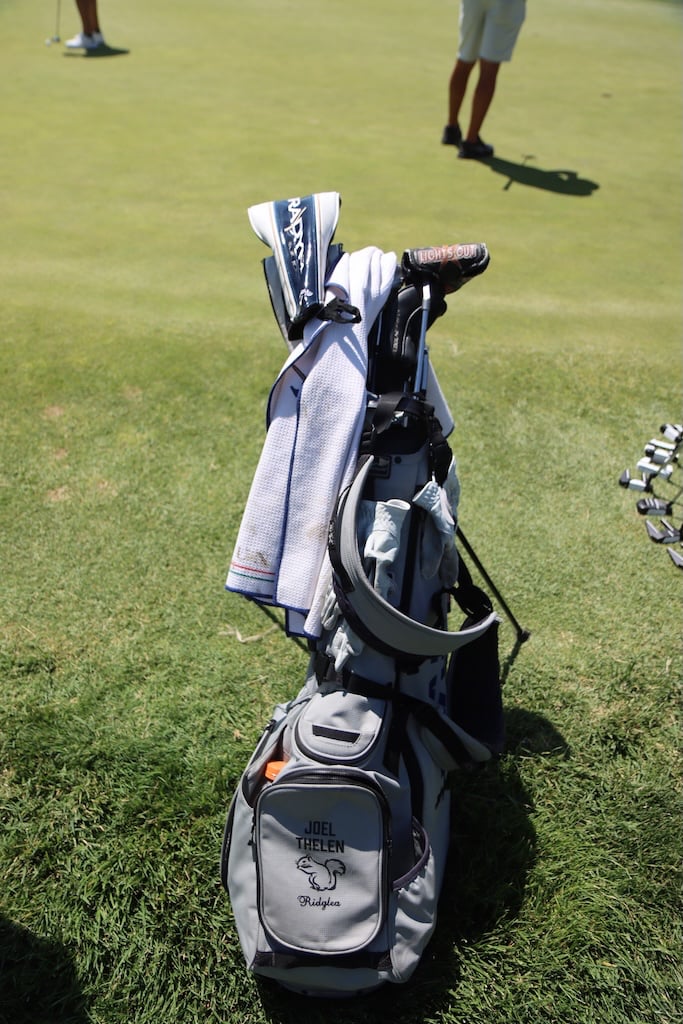
Monday Qualifier, Joel Thelen is in the field this week. He has played on the Korn Ferry Tour for a full season in 2023, and he is back in action this week. A couple of clubs caught my eye this week in his bag.
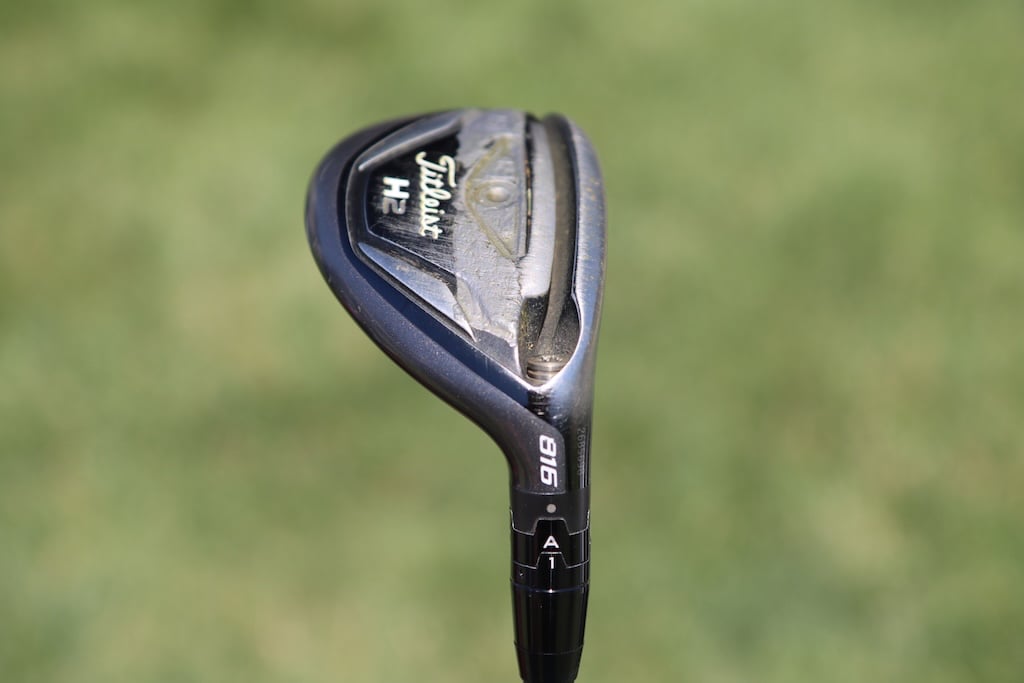
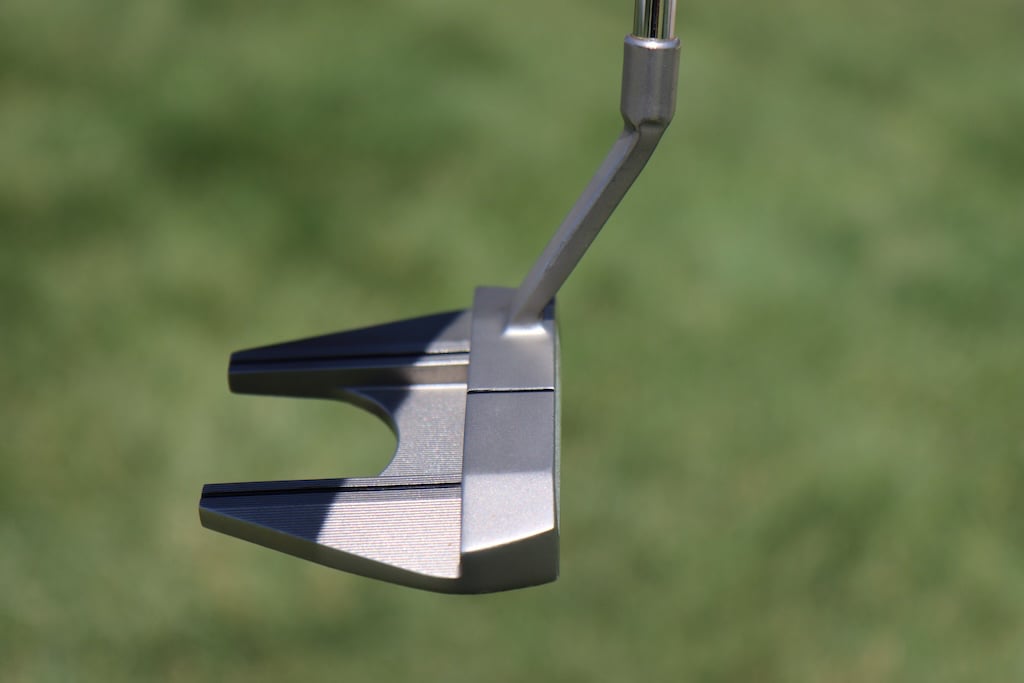
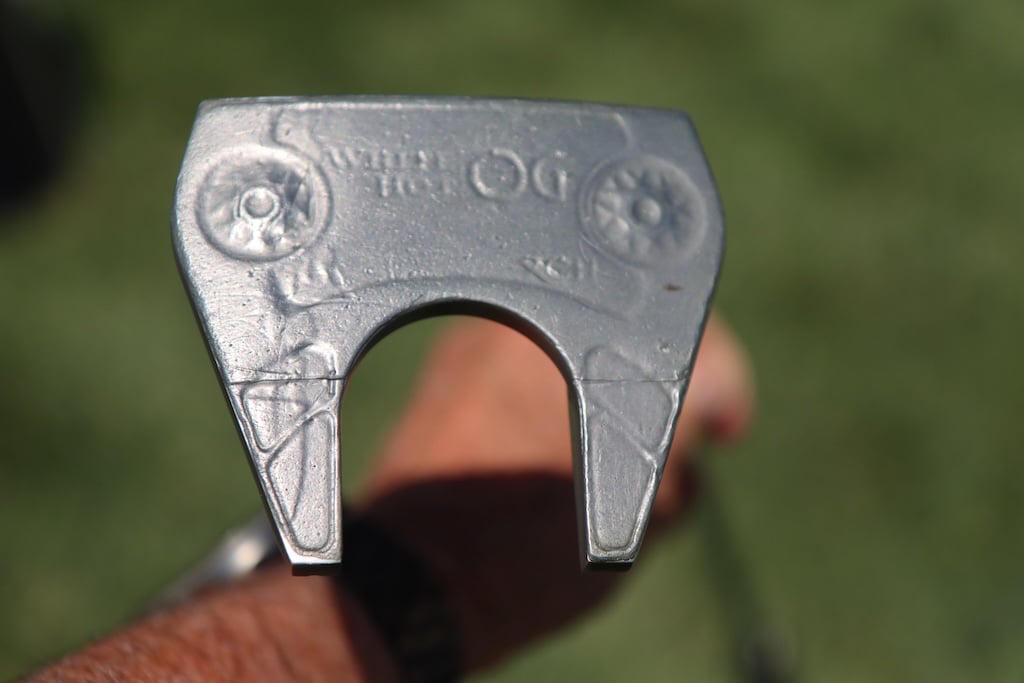
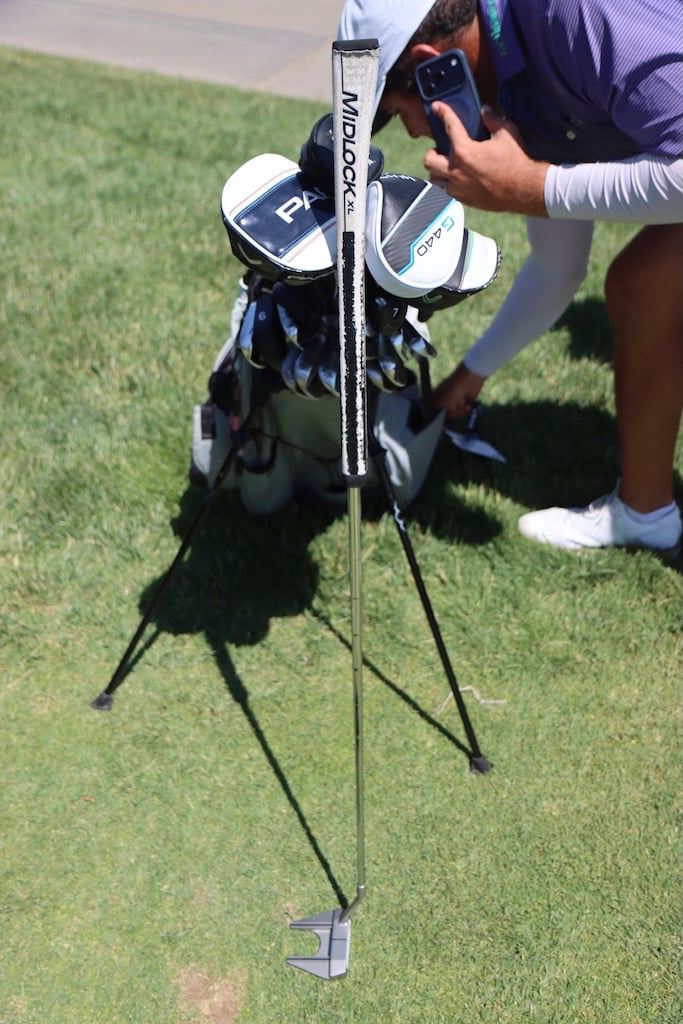
First off: His trusted Titleist 816 H2 hybrid. This club came out in October of 2015, and it still remains strong in the bag. Also, take a look at this Odyssey White Hot OG 7, putting a capital S in the 7S model. This custom neck has some impressive lean for an arm-lock-style putter. The bottom of the putter is covered in tape for optimal weighting.
Mitchell Meissner
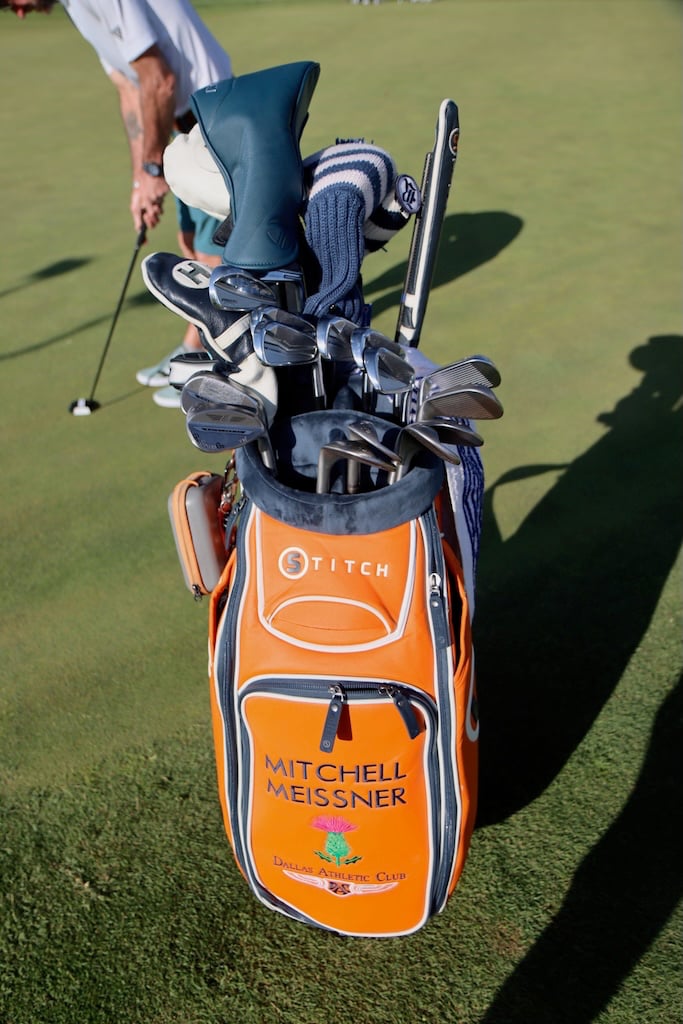
Taking a look at Mitchell Meissner’s bag this week, we have some great lead tape coverage. Top to bottom working from fairway metals, irons, and wedges. We can see on the short irons and wedges that there is tape at the base of the grip, adding a little counterbalance. Along with that, some tape on the short irons and wedges as well. Moving to his putter, he rolls the Odyssey 7 Bird putter. Meissner putts left-handed and strikes the ball right-handed.
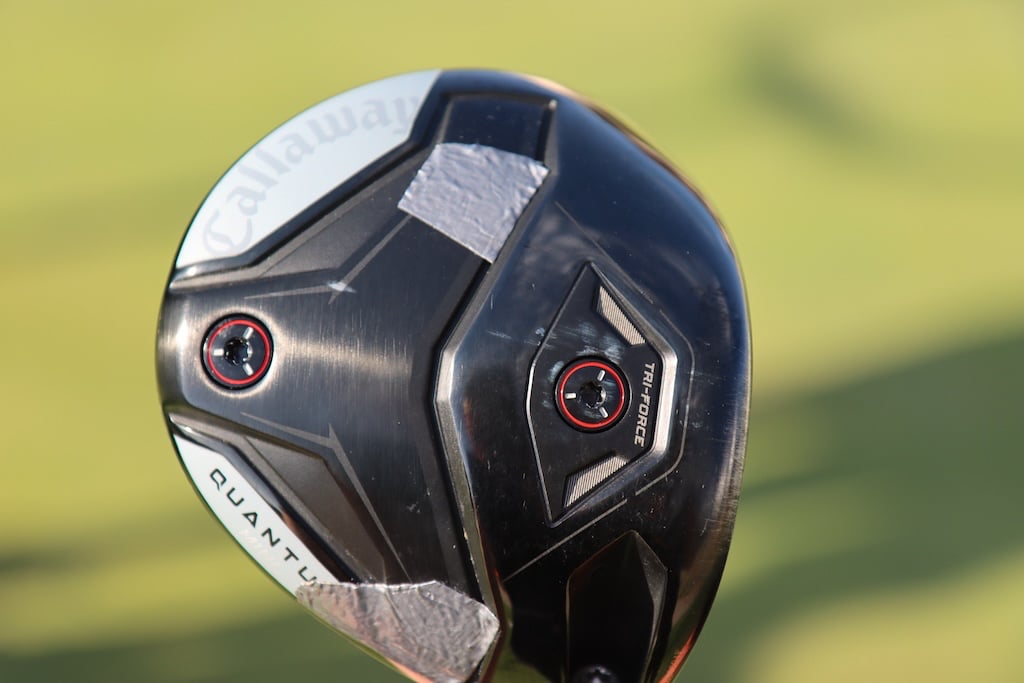
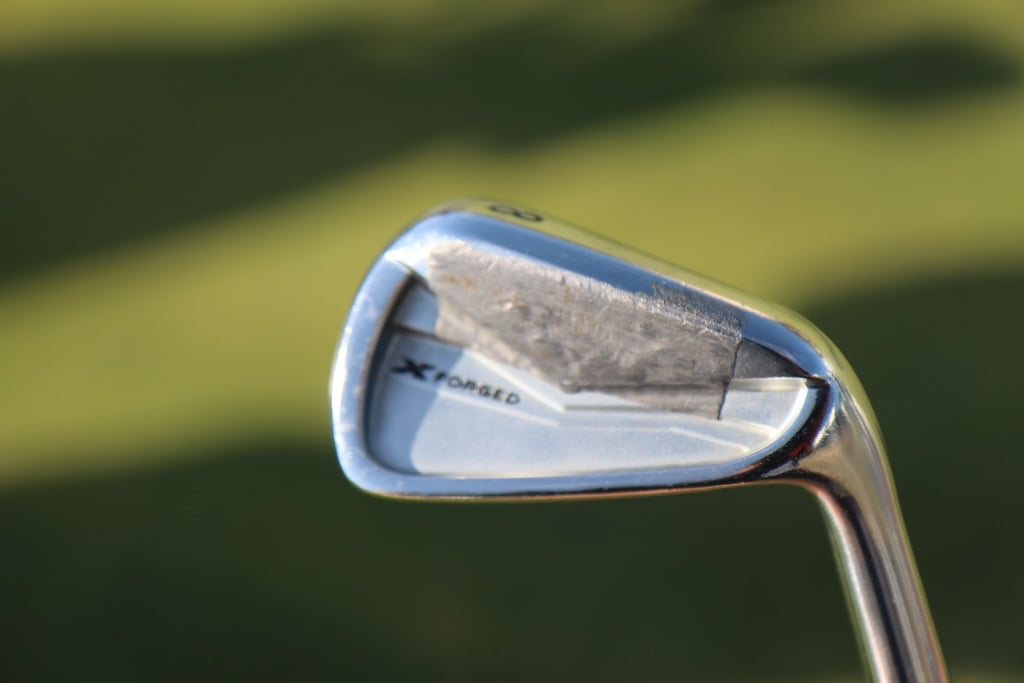

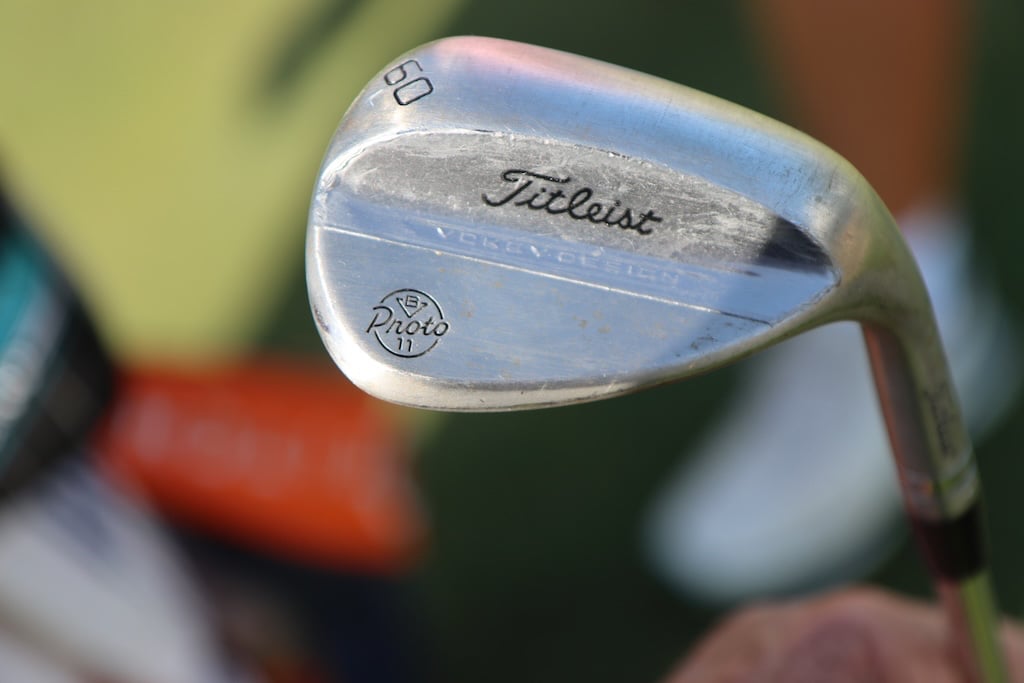

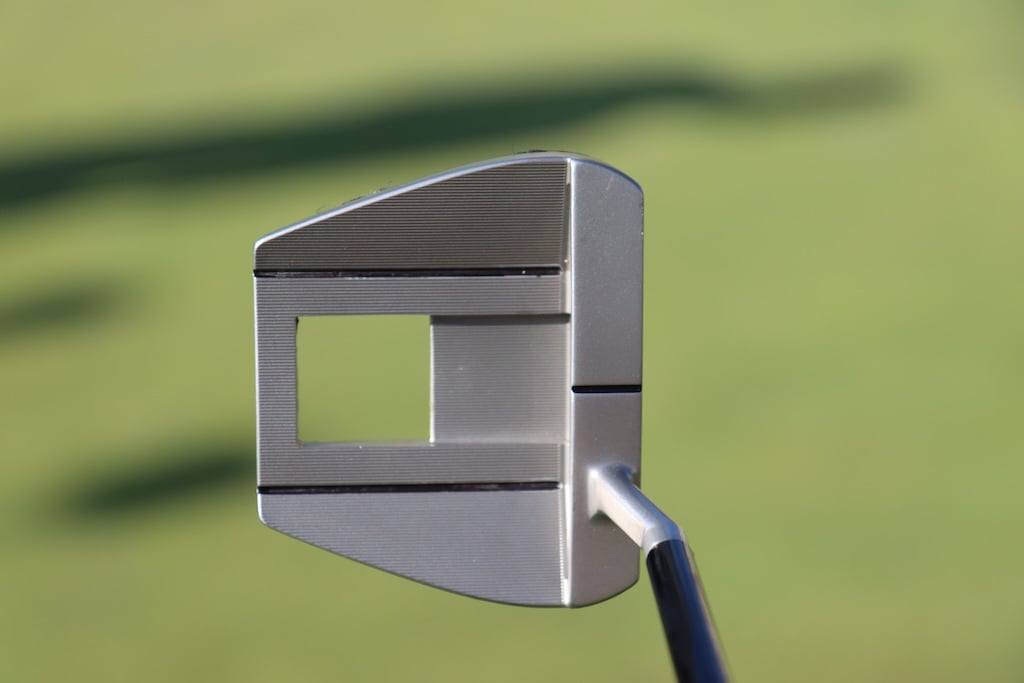


Bud Cauley had >14 clubs in his bag when photographed prior to the Memorial Tournament.
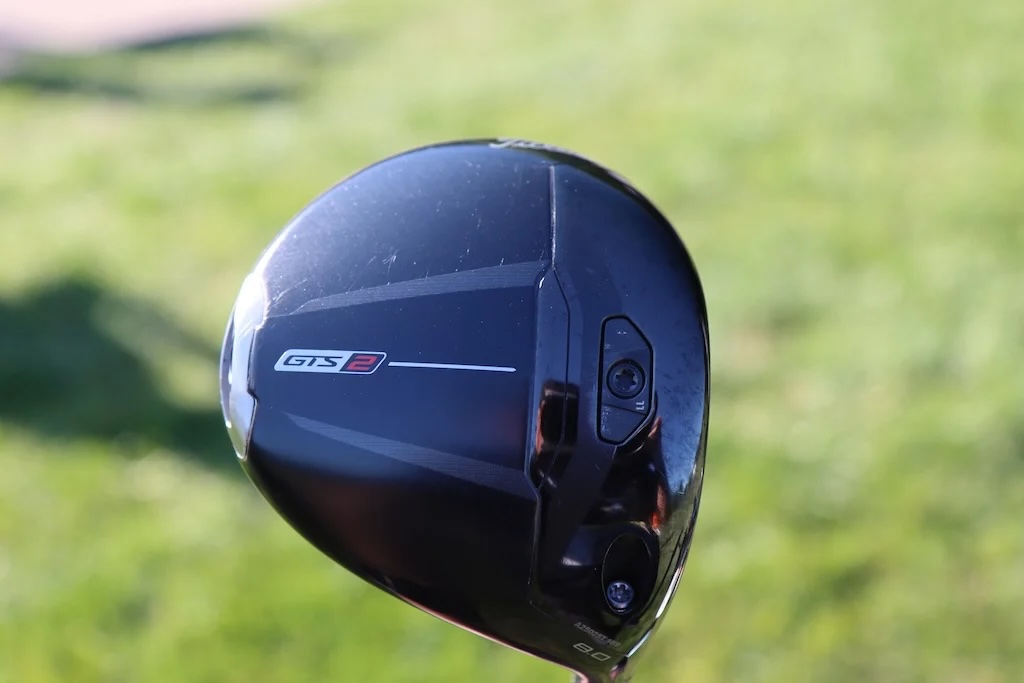
Driver: Titleist GTS2 (8 degrees)
Shaft: Fujikura Ventus Black 6 X
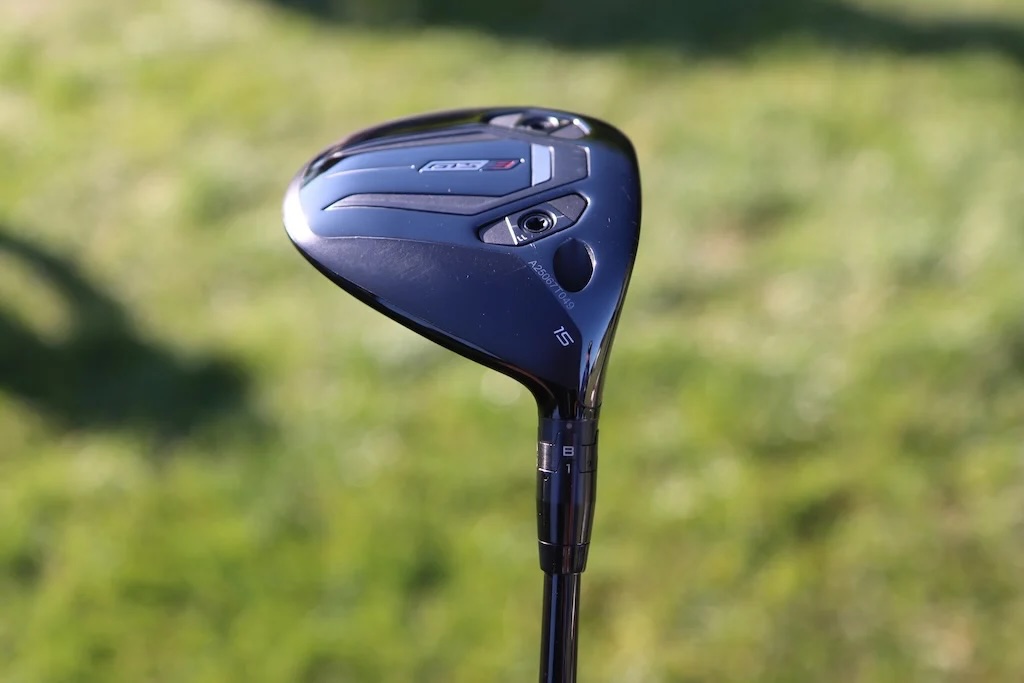
3-wood: Titleist GTS3 (15 degrees, B1 SureFit setting)
Shaft: Mitsubishi Chemical Tensei 1K Pro Red 70 TX
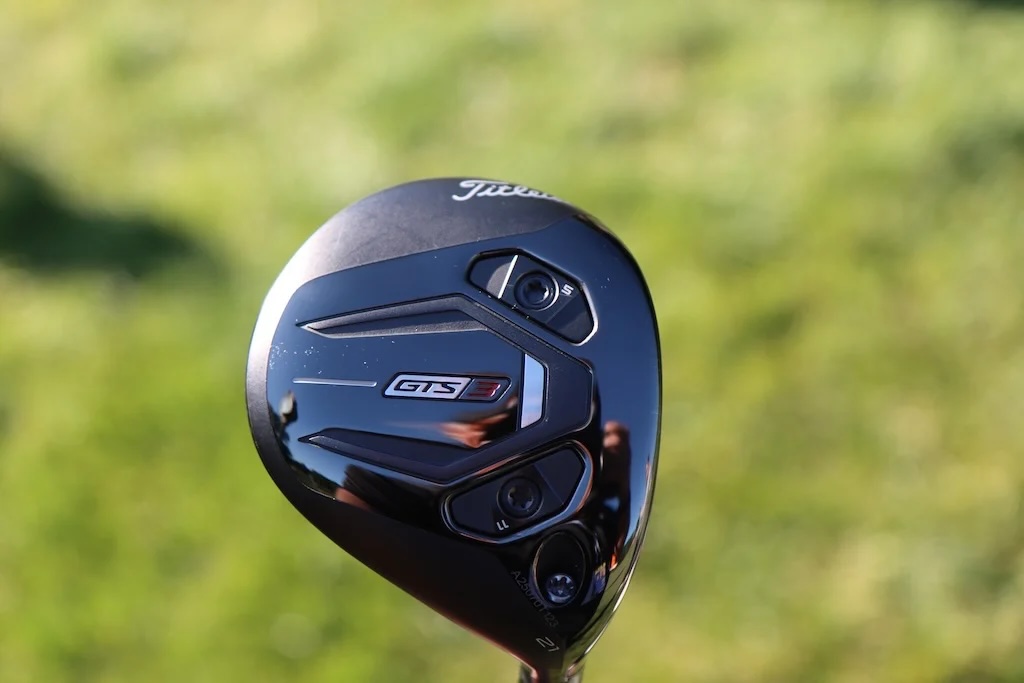
7-wood: Titleist GTS3 (21 degrees, D1 SureFit setting)
Shaft: Mitsubishi Chemical Tensei 1K Pro Red 80 TX
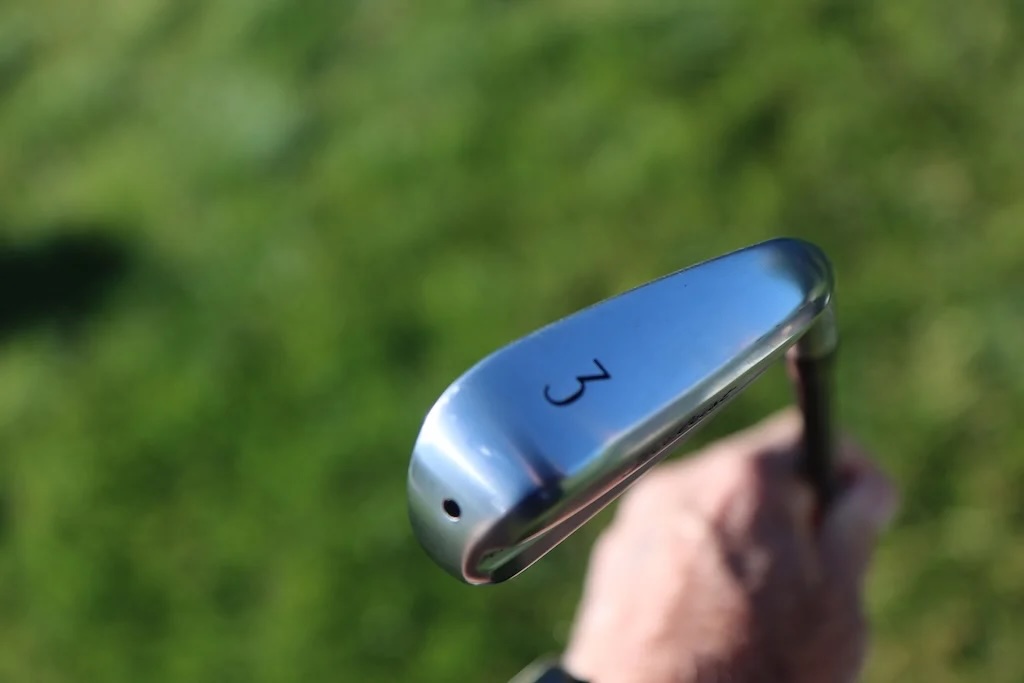
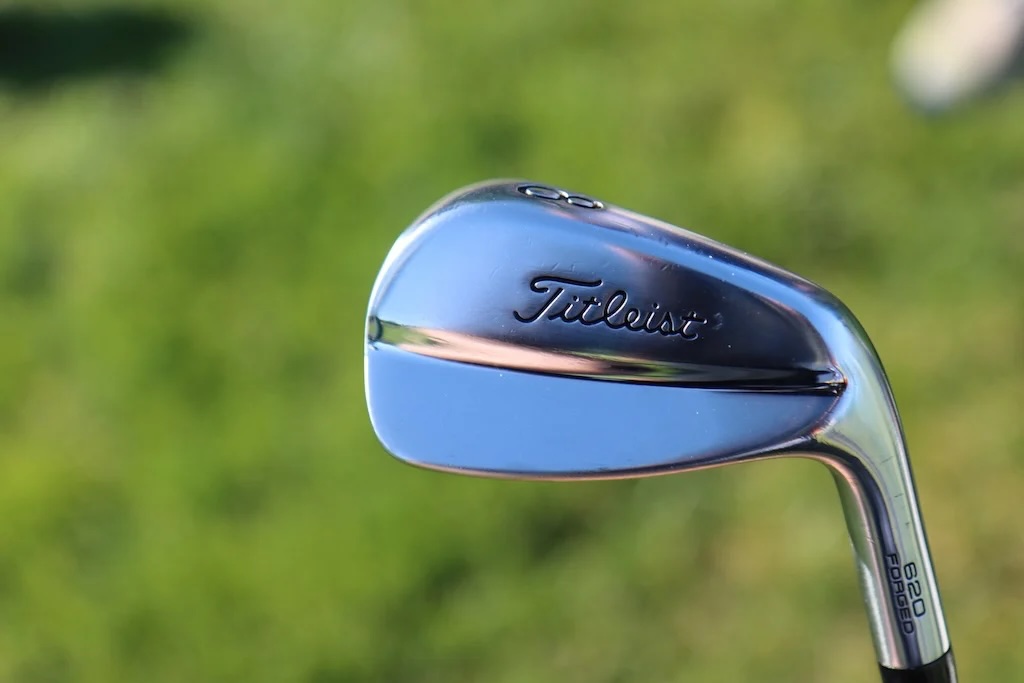
Irons: Titleist U505 (3), Titleist 620 MB (4-9)
Shafts: Fujikura Ventus Black HB 8 X, True Temper Dynamic Gold Tour Issue
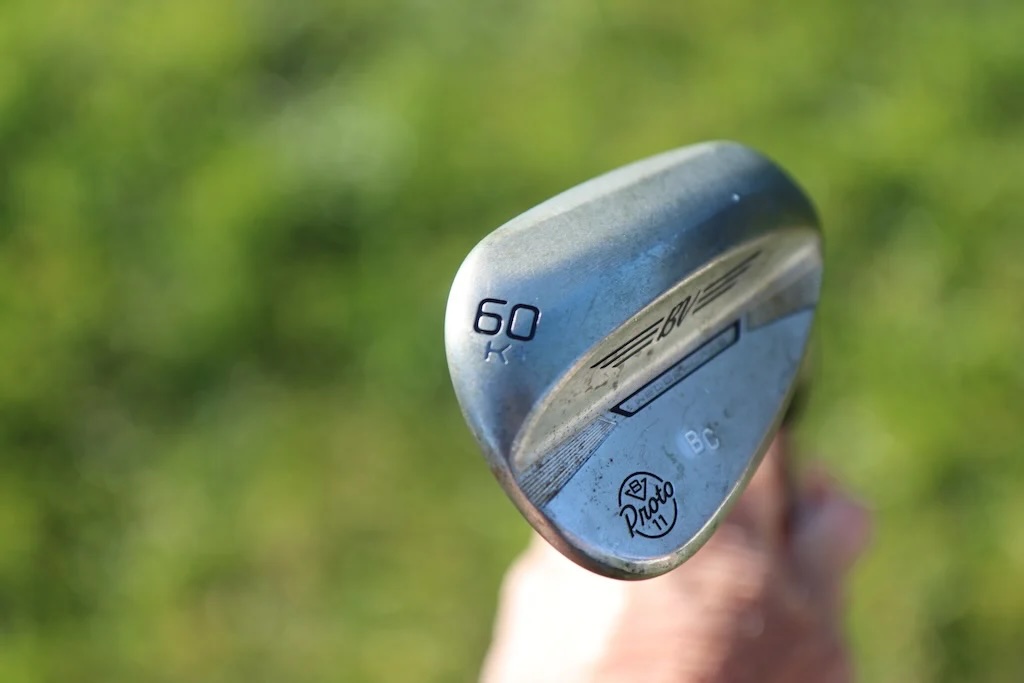
Wedges: Titleist Vokey Design SM11 (48-10F, 52-12F, 56-14F), WedgeWorks (60-K*)
Shafts: True Temper Dynamic Gold Tour Issue S400
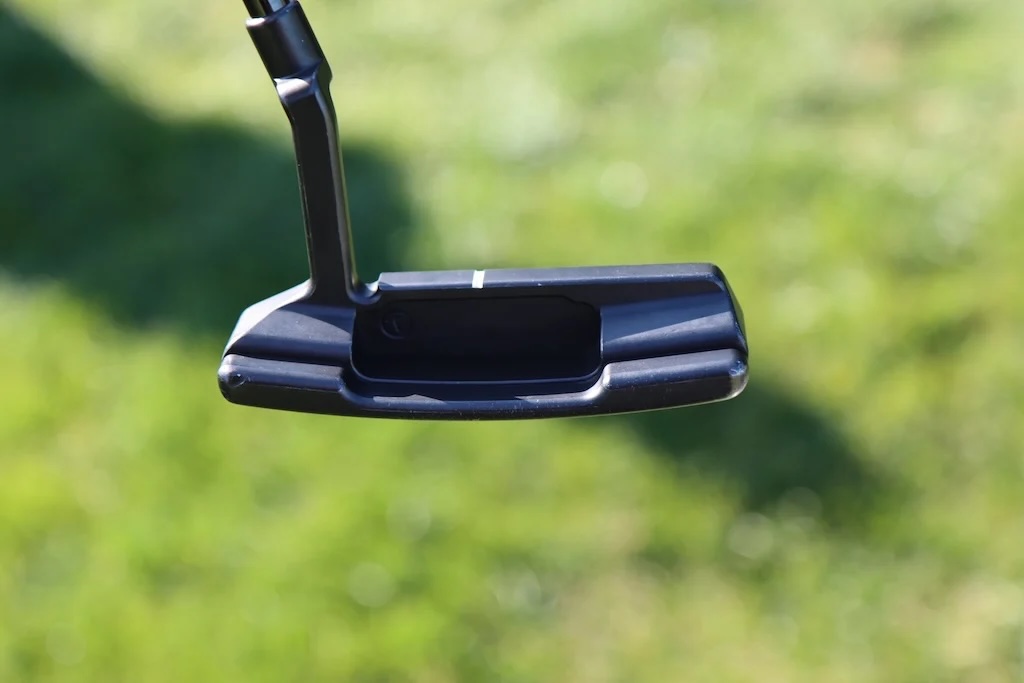
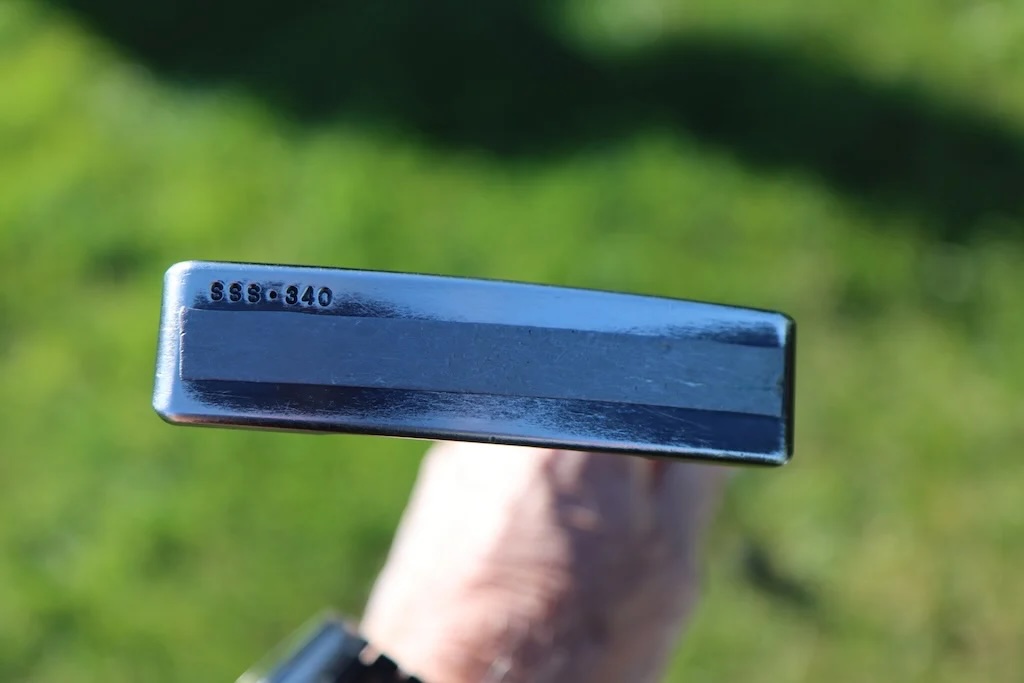
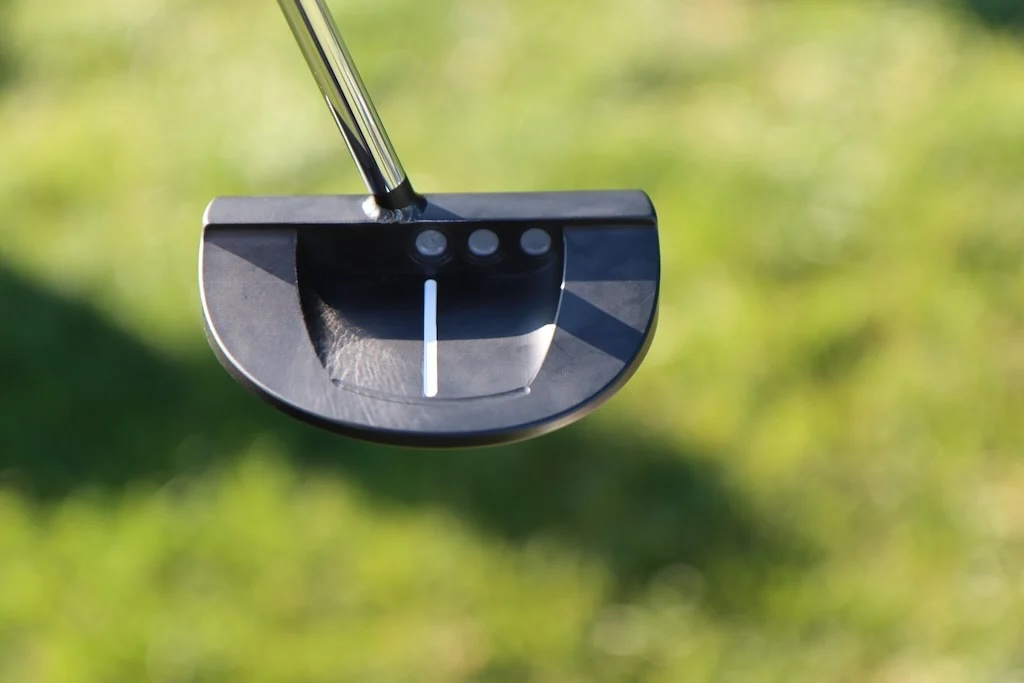
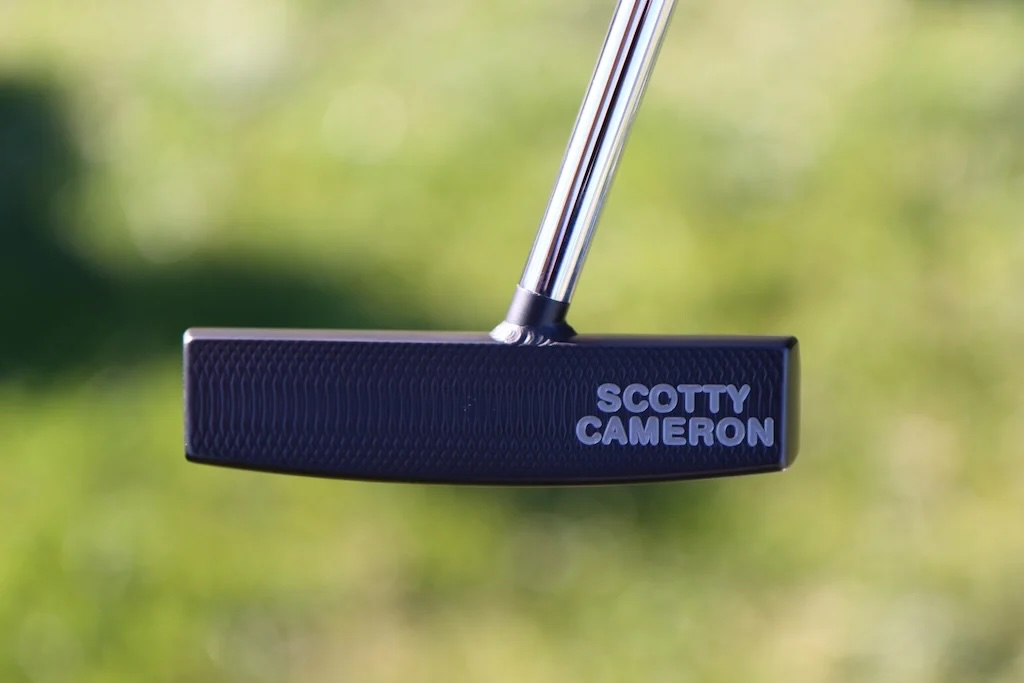
Putters: Scotty Cameron Tour Prototype, Scotty Cameron GOLO 6.3 Prototype
Grips: Golf Pride Tour Velvet Align
Ball: Titleist Pro V1
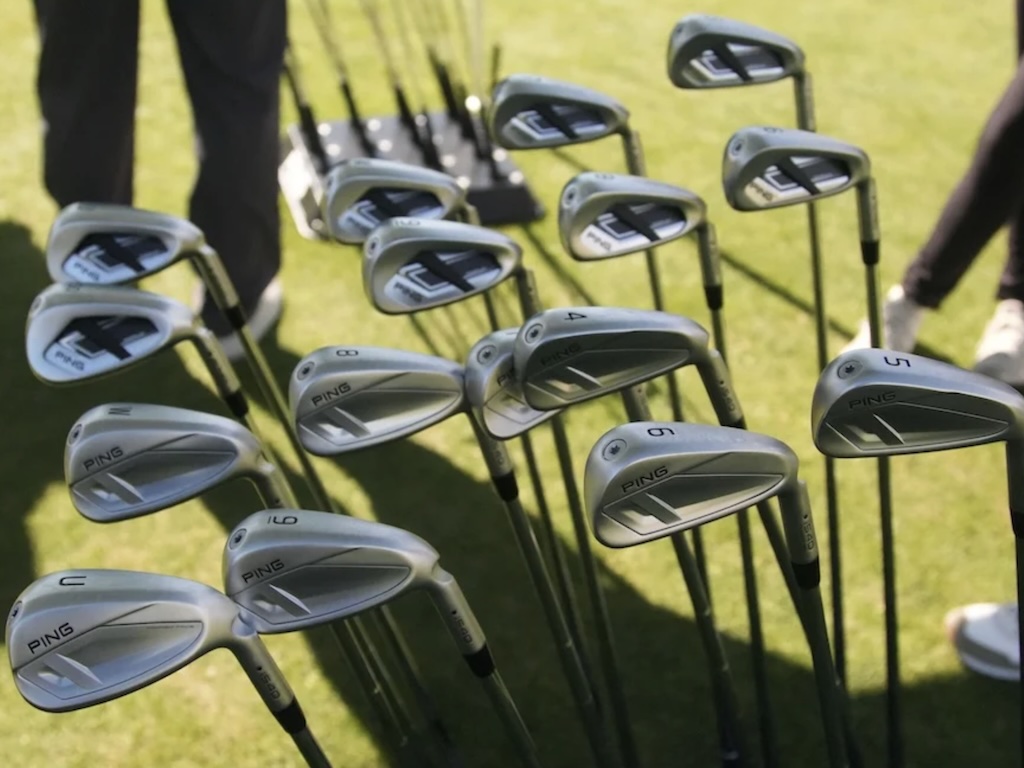
In our forums, one user has offered up a prompt for the true sickos, inviting fellow forum members to share every set of irons they’ve ever owned. As to be expected, this is a lengthy forum topic.
@Lamosteve began:
Can you name every set of irons you’ve owned? Here’s mine
Spalding Dots
Spalding Eclipse
Ram Lazer FX
Lynx Parallax
Mizuno EZ Comp
Ben Hogans
Cleveland CG Red
Taylor Made R9s
PING i20
PING iE1
Taylor Made M6
Our members in the forum have been offering up their own collections. Here are a few posts from the thread, but make sure to check out the entire discussion and have your say at the link below.
- macedan: “Started with a hand-me-down Golden Bear set from my brother when I was in high school, never really played more than once a year or got into the game until about summer of 2017. First purchased a set of Cleveland CG4’s (I actually really miss this set sometimes, soft & not terribly large for a GI iron), moved into Nike Vapor Fly’s by the end of the year. Those lasted until spring of 18 when I decided I wanted new, so I traded them in for TM Rbladez. Honestly, although I liked the Rbladez, poor decision on my part, I think this was really about the only time so far that after a week or two I was kicking myself for not staying with what I had. Rbladez stayed with me until late last summer when I switched to P790’s and (knock on wood) I am hoping this will be my longest lasting set.”
- JimmyC59: “MacGregor Jack Nicklaus Triple Crown. Palmer The Standard. Still play these.”
- jgrzask: “Tommy Armour 845u
Mizuno MP-32
Mizuno MP-33 (2 sets)
Bridgestone J33cb – still own
Srixon i-302 (2 sets) – still own
Tourstage X-Blades – still own
Mizuno Hot Metal – still own
Nike Forged Blades – still own
Titleist 714 AP1 – still own
Cobra Forged SS – still own”

Justin Rose WITB 2026 (April): Full WITB breakdown with new McLaren irons

What’s the story behind Webb Simpson’s custom-stamped irons?

Memorial Tournament Tour Report: Rory McIlroy, Cameron Young switch up drivers, and more

Cadillac Championship Tour Report: Spieth’s sizable changes, McLaren Golf launches, and more

Russell Henley’s winning WITB: 2026 Charles Schwab Challenge

Kristoffer Reitan’s winning WITB: 2026 Truist Championship

J.T. Poston’s winning WITB: 2026 Memorial Tournament

Best irons 2026: Best irons overall, most forgiving irons, and more

Aaron Rai’s winning WITB: 2026 PGA Championship

Cameron Young’s winning WITB: 2026 Cadillac Championship


Bud Cauley WITB 2026 (June)
Bud Cauley had >14 clubs in his bag when photographed prior to the Memorial Tournament. Driver: Titleist GTS2 (8 degrees) Shaft: Fujikura...


Hannah Green WITB 2026 (June)
Driver: Titleist GTS3 (10 degrees, D4 SureFit setting) Shaft: Mitsubishi Chemical Diamana RB 53 S 3-wood: Titleist GT3 (15 degrees,...


Asterisk Talley WITB 2026 (June)
Driver: TaylorMade Qi4D (9 degrees) Shaft: Fujikura Ventus Blue 6 S 3-wood: TaylorMade Qi4D (16.5 degrees) Shaft: Fujikura Ventus Blue...

Brianna Do WITB 2026 (June)
Driver: Callaway Quantum Triple Diamond (9 degrees) Shaft: KBS PGW 3-wood: Callaway Elyte Titanium (15 degrees) Shaft: KBS PGW 5-wood:...
-
 Equipment6 days ago
Memorial Tournament Tour Report: Rory McIlroy, Cameron Young switch up drivers, and more
-
 News2 weeks ago
Russell Henley’s winning WITB: 2026 Charles Schwab Challenge
-
 Whats in the Bag4 days ago
J.T. Poston’s winning WITB: 2026 Memorial Tournament
-
 Equipment3 days ago
Best irons 2026: Best irons overall, most forgiving irons, and more
-

 Equipment1 week ago
Details on Jason Day’s latest prototype Avoda iron setup
-

 Equipment3 weeks ago
CJ Cup Byron Nelson Tour Report: Koepka and Kim’s newest putters finally get hot
-

 News2 weeks ago
Charles Schwab Challenge Tour Report: MacIntyre, Åberg and Spaun all switch putters, TaylorMade launches new Spider
-

 Equipment2 weeks ago
Details on J.J. Spaun’s surprise putter switch


ogo
Jul 21, 2018 at 1:42 am
****FANTASTICO****
Ed
Jan 31, 2018 at 1:14 pm
There you have it fellow gearheads…. oven-baked graphite shafts are inferior to autoclave cured shafts because there is too much ‘plastic’ resin in the inferior shafts. Carbon graphite is a metal and has the dynamic properties of steel shafts less the weight.
Cheap graphite shafts have inconsistent dynamic properties, particularly in the tip section during final release when the shaft is whip-snapping… drooping, torquing and recovering. One graphite manufacturer blends steel strands into their shafts. Steel is the gold standard and graphite shafts are soggy and floppy going through impact.
That’s why tour pros prefer heavier weight shafts because the very low weight shafts were like spaghetti at high swing speeds.
You can get away with heavy graphite shafts for irons but not light weight shafts for drivers. Light weight graphite shafts are adequate for slower swing speed recreational golfers, not for pros.
OB
Feb 1, 2018 at 11:12 am
Does that mean gearhead’s clubs are fitted with inferior epoxy-filled shafts that are unstable and ruin their swing release action? Pros use heavier weighted graphite shafts to compensate for shaft inconsistencies; shafts over 100 grams like Sadlowski using the 104 gram Nunchuk shaft mentioned in another WRX article.
Ed
Feb 3, 2018 at 2:41 am
Off your meds much. Conspiracy theory posts on almost every article and you reply to your own comments. Sad
OB
Feb 5, 2018 at 11:41 am
Where, oh where
Have the gear heads gone?
Where, oh where can they be?
With shirts cut long
And pants cut short
Where, oh where can they be?
I last saw them by the putting green
Playing and puttering around
But I just can’t see them anymore
They just can’t seem to be found
Perhaps the club pro over there will know
He may have seen them go by
But who knows where
They might have decided to go away
But we’ve got to give it a try