
Opinion & Analysis
10 Years Later: Why the assistant coach has made college golf better

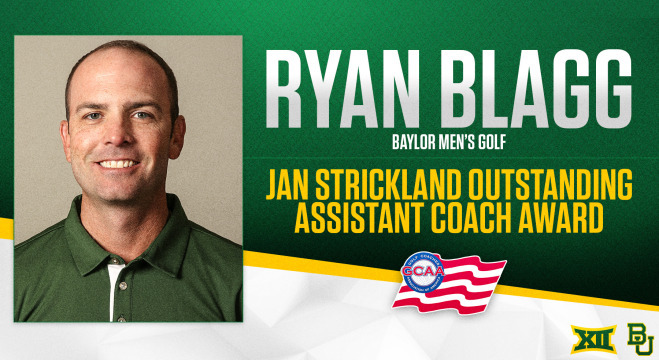
It’s been 10 years since the NCCA Legislation began allowing assistant golf coaches to perform on-course coaching in college events. Today, 94 percent of the top-100 men’s golf teams have assistant coaches, and the coaching pool is stronger than ever, with individuals such as Jean Paul Hebert (Texas), Jake Amos (South Carolina), Ryan Jamieson (Florida), Robert Duck (Florida State), Donnie Darr (Oklahoma State), John Mills (Kent State), Garrett Runion (LSU), Zach Barlow (Illinois), Bob Heinz (Duke), and 2017 Assistant Coach of the Year from Baylor, Ryan Blagg. The list includes a guy with 20+ PGA Tour experience (Bob Heinz), several former college standouts and some National Championship wins (Jean Paul Hebert – 1, Runion – 2, Amos – 2).
In the 10 years since the expanded role of the assistant golf coach, the National Championship has still been dominated by major conference schools, with only three non-major conference schools earning a spot in match play (Kent State 2012, and Augusta State in 2010, 2011). Of course, Augusta State went on to win both of its appearances in match play, earning back-to-back national championships under Coach Josh Gregory.
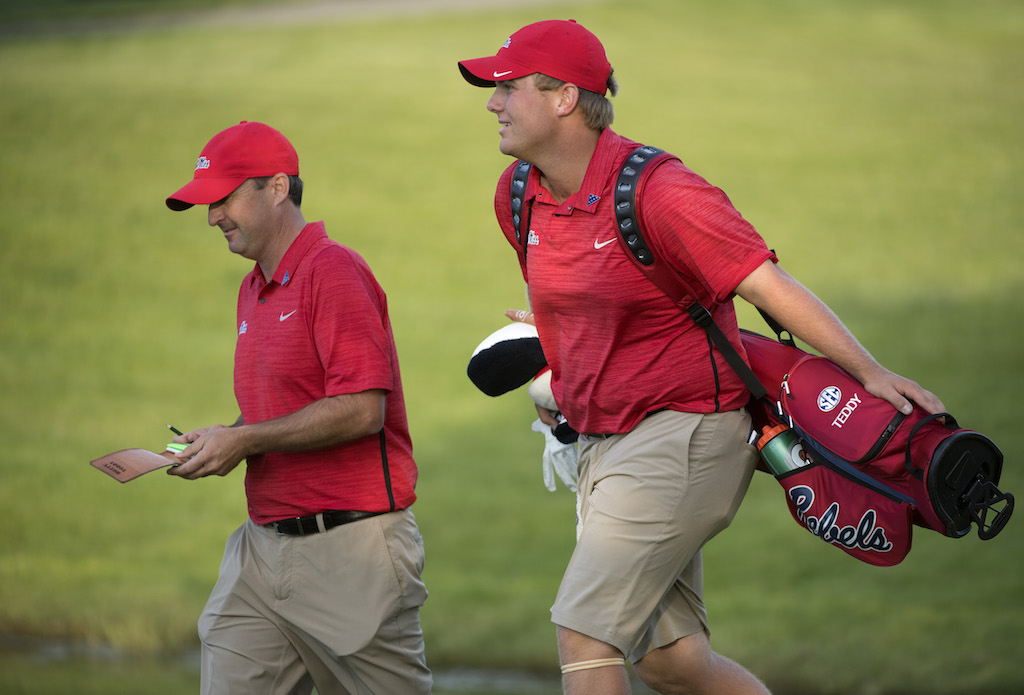
One of best examples of the success of assistant golf coaches is Chris Malloy at Ole Miss. Malloy, a graduate of Ole Miss, began his coaching career as the women’s assistant golf coach at Florida State. Shortly after, he was working with both programs and had an immediate impact, which included helping the men win their first ever ACC championship. Shortly after, Chris took over as the men’s golf coach at University of South Florida, transforming the team into a National Contender and a top-30 ranking. Today, at Ole Miss, Chris has done the same thing, transforming a team and a culture in three years, earning a spot in the 2017 NCAA National Championship at Rich Harvest Farms.
Another great example is Sooner coach Ryan Hybl, who in 2017 lead his team to the NCAA National Championship. Hybl, an outstanding player at Georgia, then was an assistant with the program from 2005-2009. The system continues to work as three notable assistants made moves this summer; Jim Garden from OU to Coastal Carolina, John Handrigan from UF to Notre Dame and Dusty Smith from Vanderbilt to Mississippi State.
Although to date, mid-major teams have not fared consistently on the national level. The system of assistant coaches has proven to be an excellent tool in broadening the pool of candidates. Last year’s National Championship featured six mid-major schools with half being wily veterans, and half being a product of the assistant coach route; Michael Beard of Pepperdine served as the assistant at Arizona State; Bryce Waller of University of Central Florida served as the assistant at the University of Tennessee; Bryant Odem of Kennesaw State served as the assistant at the University of Wisconsin. It will also feature teams like Oklahoma State, Baylor, Virginia, Oklahoma, Vanderbilt, Ole Miss and Purdue, which have coaches who have benefited from their experience as assistant coaches in their roles with these programs.
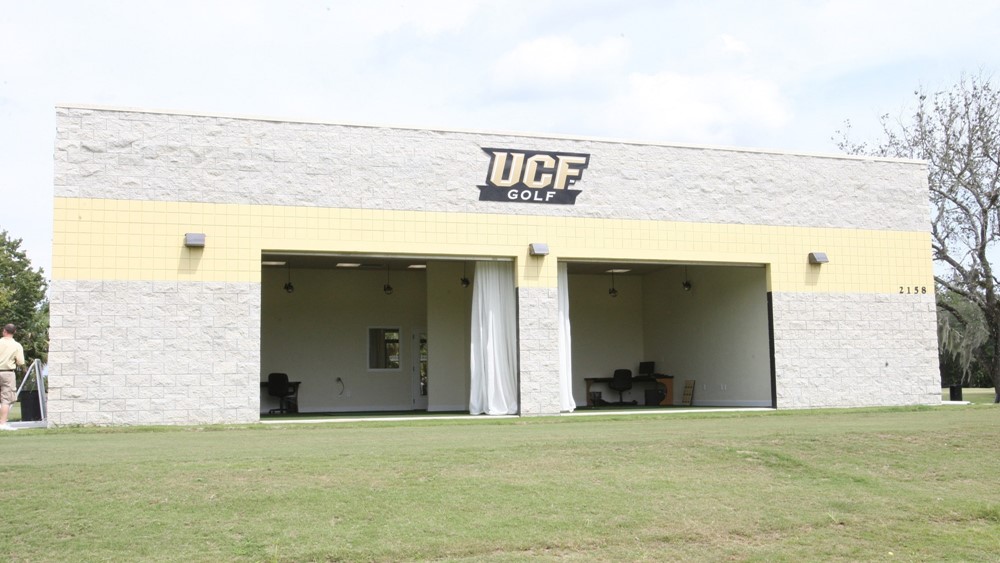
Practice Facility at the University of Central Florida
The pool of candidates for coaching positions today is deeper than ever. Athletic Directors are blessed to be able to interview several good candidates for almost each job. The result for the players are fully engaged coaches who bring passion and desire to improve each of their programs.
Bowen Sargent, the current head coach at University of Virginia and former assistant coach at the University of Tennessee under Jim Kelson, started coaching when the rules only allowed one coach. In the 10 years since the rule change, Bowen believes “it’s a positive change for sure. Having two coaches allows for a better student-athlete experience and for them to have more access to their coaches.”
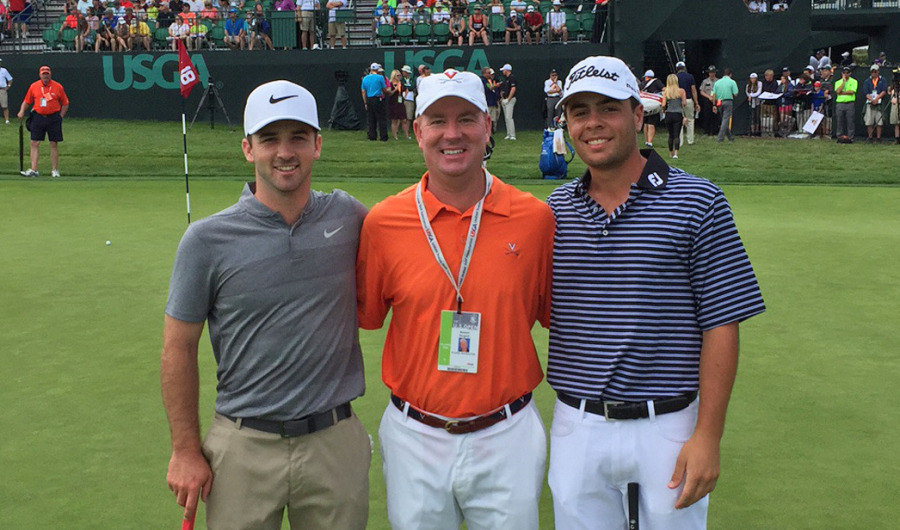
Coach Bowen Sargent of UVA, along with former players Denny McCarthy and Derek Bard at the U.S. Open
The diversity among coaches is also greater. Today’s juniors have the option to play for a skillful player such as a Mike Small at Illinois or Casey Martin at Oregon, or Doug Martin at Cincinnati, or even a world class instructor like Bryce Waller at UCF, Ben Pellicani at Limpscomb or Casey Van Dame at South Dakota State. Waller, an excellent instructor himself, has lead UCF to three National Championship appearance in 7 years. Likewise, Ben, a Golf Digest top-40 under-40 instructor who spent several years learning from Mike Bender has been instrumental in transforming Limpscomb into a national contender, participating in their first ever National Championship in 2017. Lastly, Casey who spent several years under Jim Mclean, then as the assistant at University of Tennessee, has transformed South Dakota State Men’s and Women’s Golf, with both teams currently ranked in the top-100 in the country.
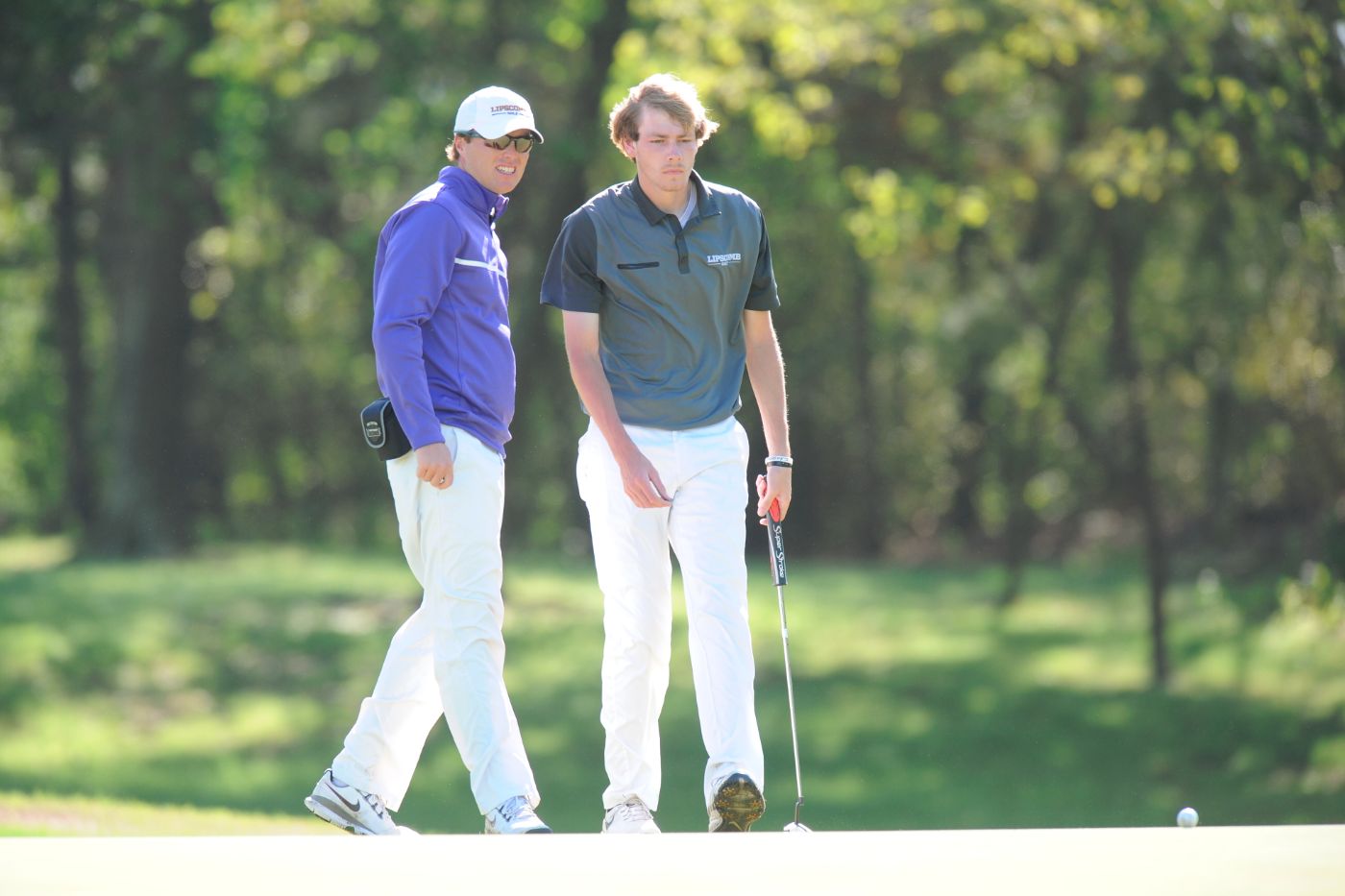
Ben Pellicanni of Limpscomb University helping to read a putt
Athletic Directors are also starting to put more funding towards golf resources. The result has been an explosion of golf-specific training facilities across the scope of college golf. Many mid-major schools have top-notch practice facilities, including places such as University of North Texas, University of Richmond, University of Central Arkansas and Illinois State to name a few.
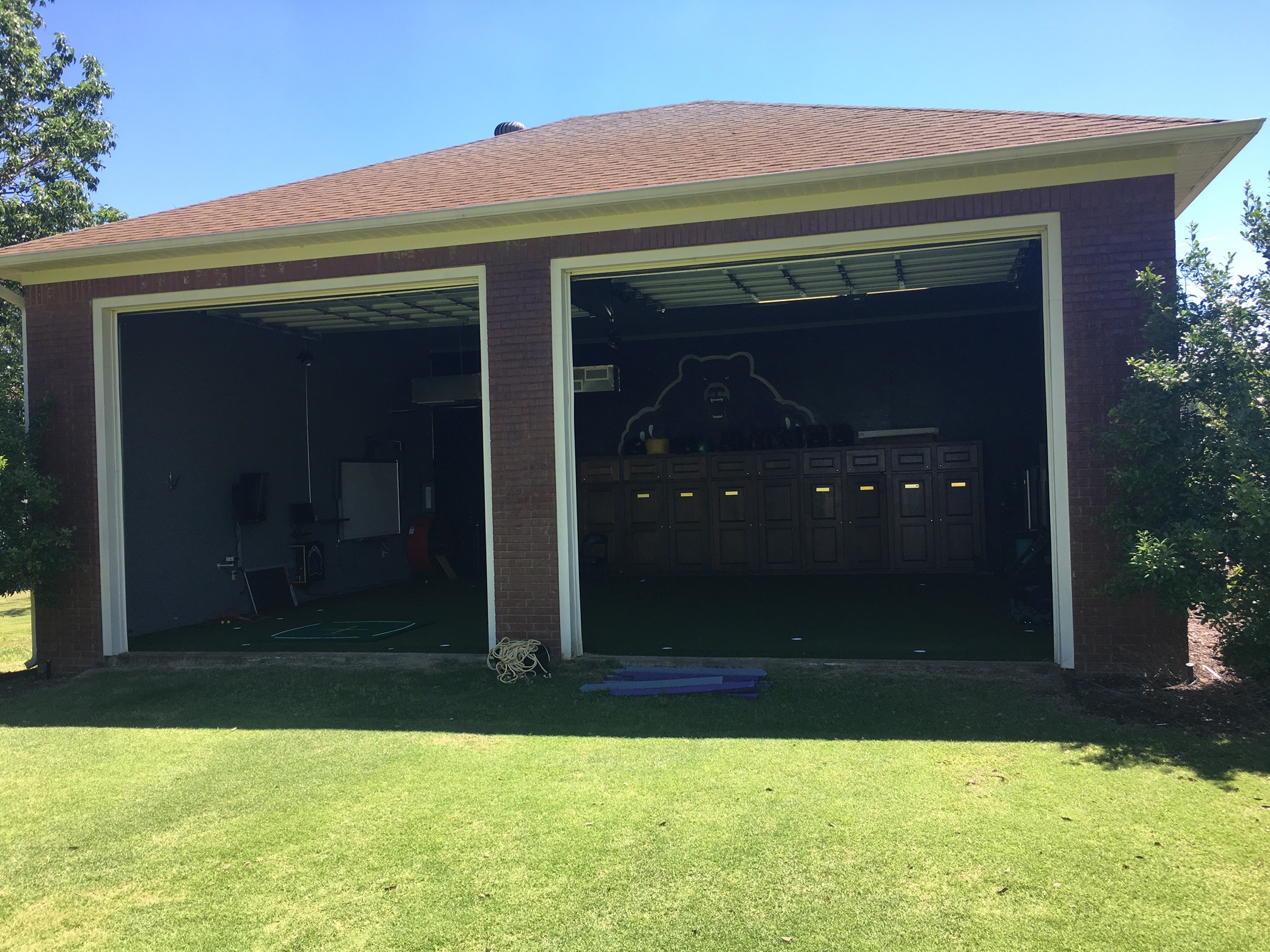
Golf facility at the University of Central Arkansas
The tremendous pool of coaching candidates has also benefited other levels of golf. For example, 2014 Assistant Coach of the Year Chris Hill is now the head men’s and women’s golf coach at Concordia University, a Division 3 School near Austin, Texas. In his two years as coach, he has already lead the program to seven tournament titles.
As time passed, I believe that we will see a change at the NCAA Championship and it will include a growing trend towards mid-major universities not only earning spots at the National Championships, but having success like Augusta State. The person at the head of one of those programs is likely to have come from the assistant coach ranks and should be thankful for the rule change, which lead to these opportunities.
Please note: As of writing this article, only 6 men’s teams in D1 do not have assistant coaches. They are UTEP (51), McNeese (84), Nevada (88), Richmond (89), Cincinnati (92) and Tennessee at Chattanooga (96).







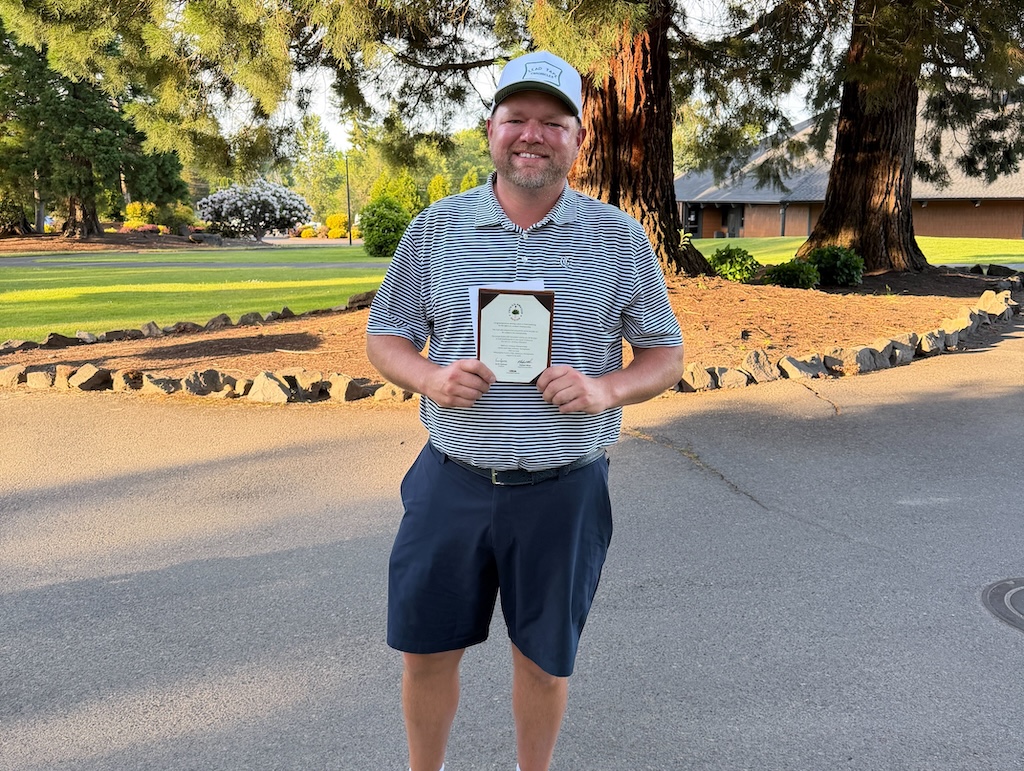
This past Monday, I played in the U.S. Amateur local qualifier at Rock Creek Country Club in Portland, Oregon. A full tee sheet from 7:30 a.m. to 1:55 p.m., the top 11 scores would make it to the U.S. Amateur final qualifying.
I teed off at 10:48 a.m.. With the 7:30 am tee time, you can get a feel for the leaders’ pace, and they were off and running on the challenging setup at Rock Creek.
View this post on Instagram
Getting to the highlight of the round on the par five 17th, a drive up the left side and 212 yards left to the front hole location. I took out a 5-iron with plans of middle of the green. The ball ended up 8 feet left of the hole, pin high. A slight downhill putt dropped in for an eagle 3 on the 17th. With the cut line looking to be anywhere from -2 to even par. This was the boost I had been waiting for all day.
With making par from the trees on 18, it was time to wait for a potential playoff with a posted score of one under par 71.
Three hours later, it was playoff time. 8 players for 6 spots. I made par on the playoff hole, which was good enough to advance to the U.S. Amateur final qualifying in July. USGA qualifiers sure deliver on all of the emotions in golf!
Club Junkie
Building my 2026 gamer WITB: Ranking the contenders and new putter projects – Club Junkie Podcast

The annual What’s In The Bag build is underway, and on this episode of Club Junkie, Brian breaks down the clubs currently leading the race for a spot in his 2026 gamer setup. From drivers and fairway woods to irons, wedges, and shafts, he ranks the equipment that’s performing best and explains what’s separating the front runners from the rest of the field.
Brian also heads into the workshop to discuss several putter projects currently on the bench. From head options and shaft choices to build ideas and testing plans, he shares what he’s working on and which putters could become serious contenders for the bag this season.
If you’re a gear junkie who loves equipment testing, club building, and the never-ending pursuit of the perfect setup, this episode is for you.
Follow Club Junkie:
Instagram: @clubjunkiepod
TikTok: @clubjunkiepod
Threads: @clubjunkiepod
X: @ClubJunkiePod
Club Junkie
Tour Edge Exotics mini driver review + TaylorMade Spider ZT Max first look – Club Junkie

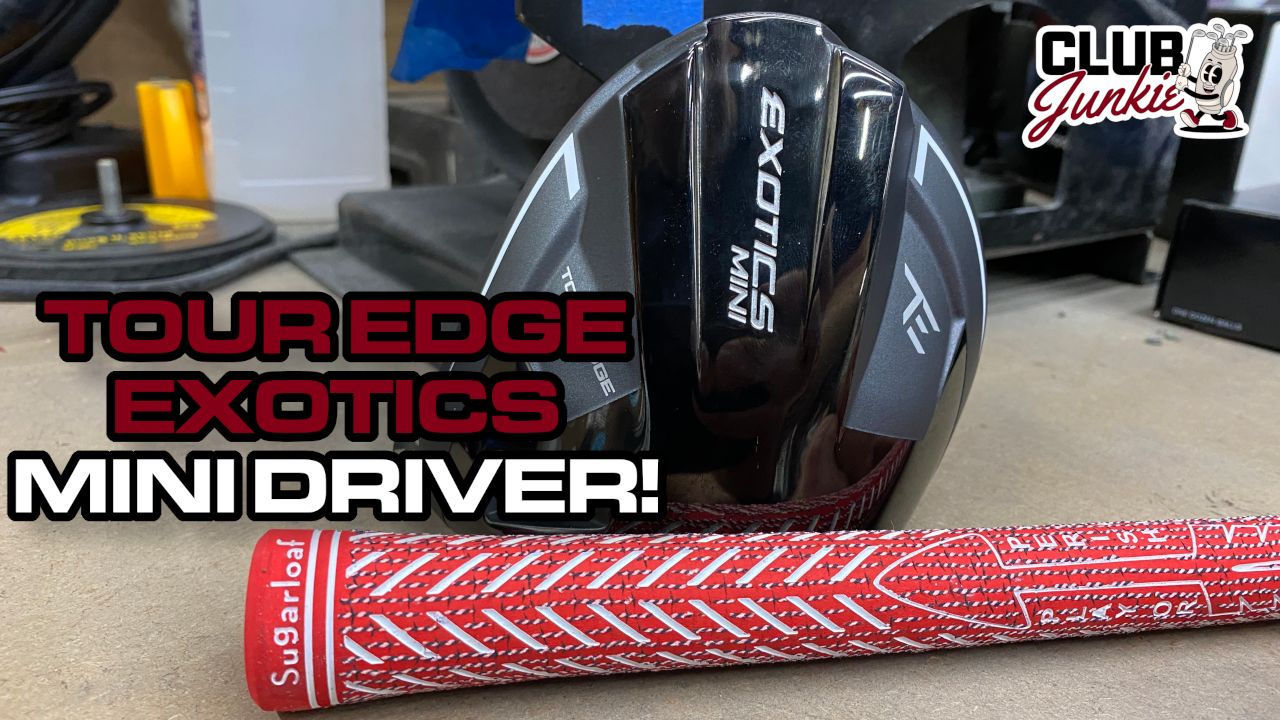
On this episode of Club Junkie, I put the new Tour Edge Exotics Mini Driver to the test and break down the performance, forgiveness, distance, and where it fits compared to a traditional driver or strong fairway wood. If you have been curious about adding a mini driver to the bag, this one is worth a look.
I also dive into the new TaylorMade Spider ZT Max putter that was recently spotted and discuss the growing zero torque putter trend. Plus, there is a closer look at the new Project X Titan Yellow shaft showing up on the PGA Tour and what makes it different from other profiles currently out there.

Justin Rose WITB 2026 (April): Full WITB breakdown with new McLaren irons

What’s the story behind Webb Simpson’s custom-stamped irons?

Memorial Tournament Tour Report: Rory McIlroy, Cameron Young switch up drivers, and more

Cadillac Championship Tour Report: Spieth’s sizable changes, McLaren Golf launches, and more

Russell Henley’s winning WITB: 2026 Charles Schwab Challenge

Kristoffer Reitan’s winning WITB: 2026 Truist Championship

Best irons 2026: Best irons overall, most forgiving irons, and more

J.T. Poston’s winning WITB: 2026 Memorial Tournament

Aaron Rai’s winning WITB: 2026 PGA Championship

Cameron Young’s winning WITB: 2026 Cadillac Championship


Bud Cauley WITB 2026 (June)
Bud Cauley had >14 clubs in his bag when photographed prior to the Memorial Tournament. Driver: Titleist GTS2 (8 degrees) Shaft: Fujikura...


Hannah Green WITB 2026 (June)
Driver: Titleist GTS3 (10 degrees, D4 SureFit setting) Shaft: Mitsubishi Chemical Diamana RB 53 S 3-wood: Titleist GT3 (15 degrees,...


Asterisk Talley WITB 2026 (June)
Driver: TaylorMade Qi4D (9 degrees) Shaft: Fujikura Ventus Blue 6 S 3-wood: TaylorMade Qi4D (16.5 degrees) Shaft: Fujikura Ventus Blue...

Brianna Do WITB 2026 (June)
Driver: Callaway Quantum Triple Diamond (9 degrees) Shaft: KBS PGW 3-wood: Callaway Elyte Titanium (15 degrees) Shaft: KBS PGW 5-wood:...
-
 Equipment6 days ago
Memorial Tournament Tour Report: Rory McIlroy, Cameron Young switch up drivers, and more
-
 News2 weeks ago
Russell Henley’s winning WITB: 2026 Charles Schwab Challenge
-
 Equipment3 days ago
Best irons 2026: Best irons overall, most forgiving irons, and more
-
 Whats in the Bag4 days ago
J.T. Poston’s winning WITB: 2026 Memorial Tournament
-
 Equipment1 week ago
Details on Jason Day’s latest prototype Avoda iron setup
-
 Equipment3 weeks ago
CJ Cup Byron Nelson Tour Report: Koepka and Kim’s newest putters finally get hot
-

 News2 weeks ago
Charles Schwab Challenge Tour Report: MacIntyre, Åberg and Spaun all switch putters, TaylorMade launches new Spider
-
 Equipment2 weeks ago
Details on J.J. Spaun’s surprise putter switch


Will Brewer
Jan 18, 2018 at 10:27 pm
Brendan – we appreciate the mention of LIPSCOMB and what we have done the past 5 season.
Let me know if you want to know our history and how we have reached unpresidented heights for a mid major. Glad to inform our process.
Greg Hunter
Jan 18, 2018 at 5:56 pm
I’m enjoying coaching at Concordia University with Coach Chris Hill and Cody Hebert. Fantastic group of golfers that are playing for us!
Lorne Kelly
Jan 18, 2018 at 8:05 am
Must have taken some time to put together, most of which probably came off the top of your head (photographic memory an all that).
Makes for good reading and I’m sure welcomed by many across the board. Well done Brendan!
Jon
Jan 17, 2018 at 5:35 pm
Lipscomb not Limpscomb and John Handrigan has been the Head Coach at Notre Dame since August.
AllanG
Jan 17, 2018 at 2:27 pm
Yup…. two half-brains are better than half a brainlet having ‘fun’. There are no great minds in the game of golf.
Loudan
Jan 17, 2018 at 1:41 pm
Casey is the coach for South Dakota State University not North Dakota State.