
Equipment
Ping launches Sigma G putters… and there’s something for everyone

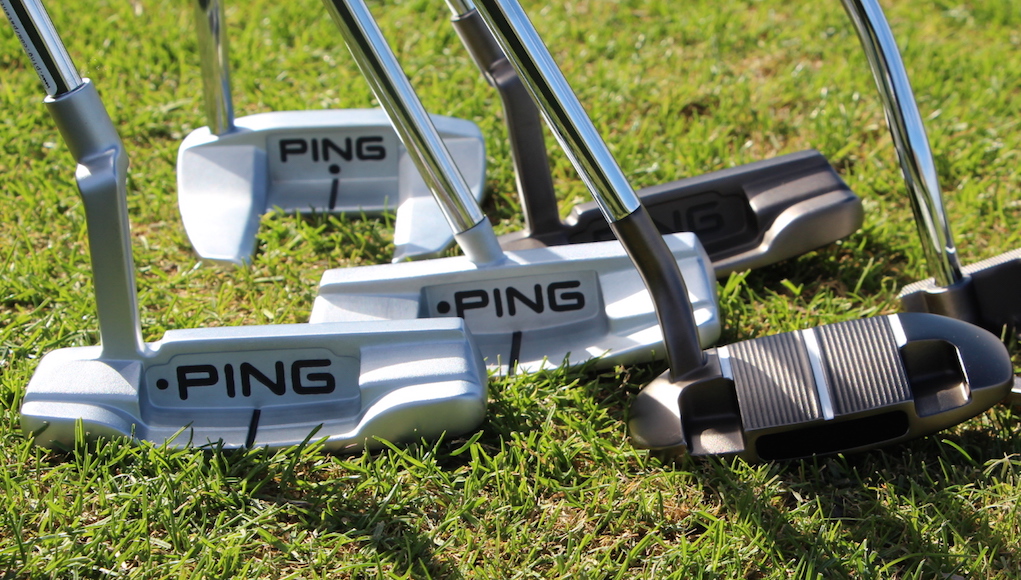
Ping has launched a new line of putters called Sigma G, which features 15 new models. It’s described as a game-enjoyment line by the company, and uses a “summation of knowledge” from the company’s history; thus “Sigma,” meaning summation in mathematics terms.
“The Sigma G putters represent an exciting new technology that continues our long-standing commitment to engineering putters that feel and look great but perform even better,” said John A. Solheim, Ping Chairman and CEO. “The combination of the high-grade elastomer and fully machined aerospace-grade aluminum over the entire face delivers an amazing feel and sound. And with improved ball-speed consistency and forgiveness, golfers will make more putts than ever. We’re also introducing several new designs that offer a variety of looks to fit every golfer’s stroke and eye.”
This is the third putter family in the company’s past to use G in its name, following Ping’s G2 and G5 lines. Specifically, the Sigma G line replaces Ping’s Cadence line of putters, which had a variety of head weights to meet the needs of a wide range of golfers.
The Sigma G putters offer both heavy and light headweight options, and just about any head shape a golfer could want. The extensive options will make fitting easier, Ping says, allowing more golfers to find a putter for their stroke. Eight brand-new putter models are also a part of the Sigma G line, as well as seven other models that will be familiar, but are slightly adjusted.
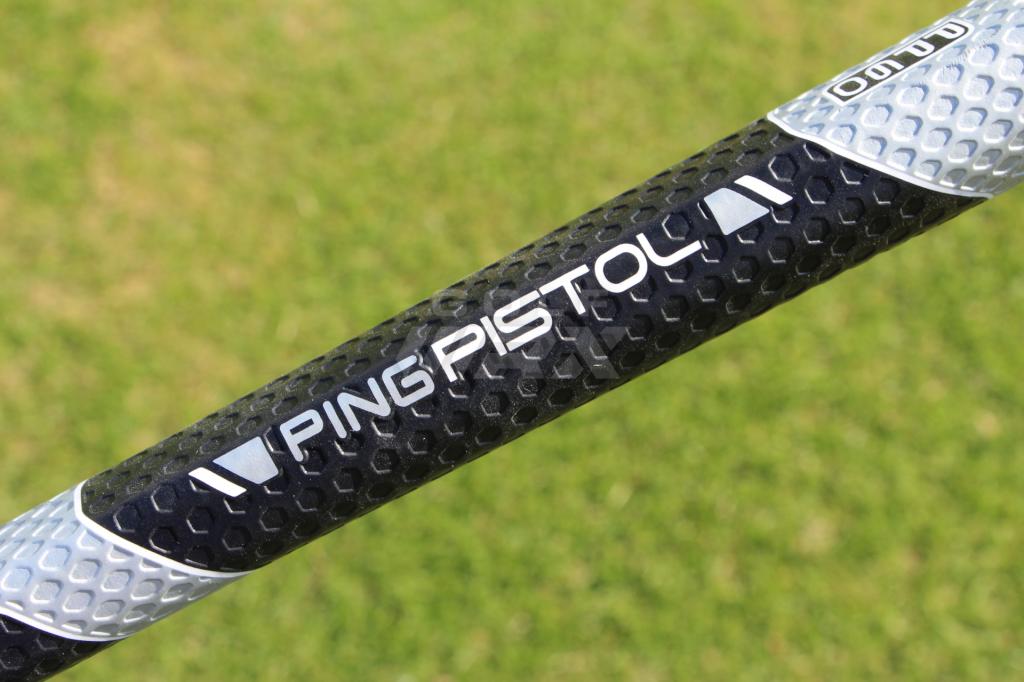
Ping’s PP60 putter grip, which comes stock on all Sigma G putters. Also available is a larger PP-62 grip, which has a shape that’s more round.
Throughout the line, you’ll notice two different finishes: platinum and a black nickel. The bodies of the putters are precision cast from 17-4 stainless steel and have an anodized aluminum face inserts. Putters with dark finishes have light faces, while the putters with light finishes have dark faces. The putter faces have the company’s True Roll grooves that were made to produce a slightly louder sound at impact than previous iterations without losing performance and feel.
The Sigma G putters are currently available for pre-order. Blade-style putters will sell for $195, mallet-style putters will sell for $215 and counter-balanced models will sell for $235. Adjustable-length shafts are available for an upcharge of $35.
Tess
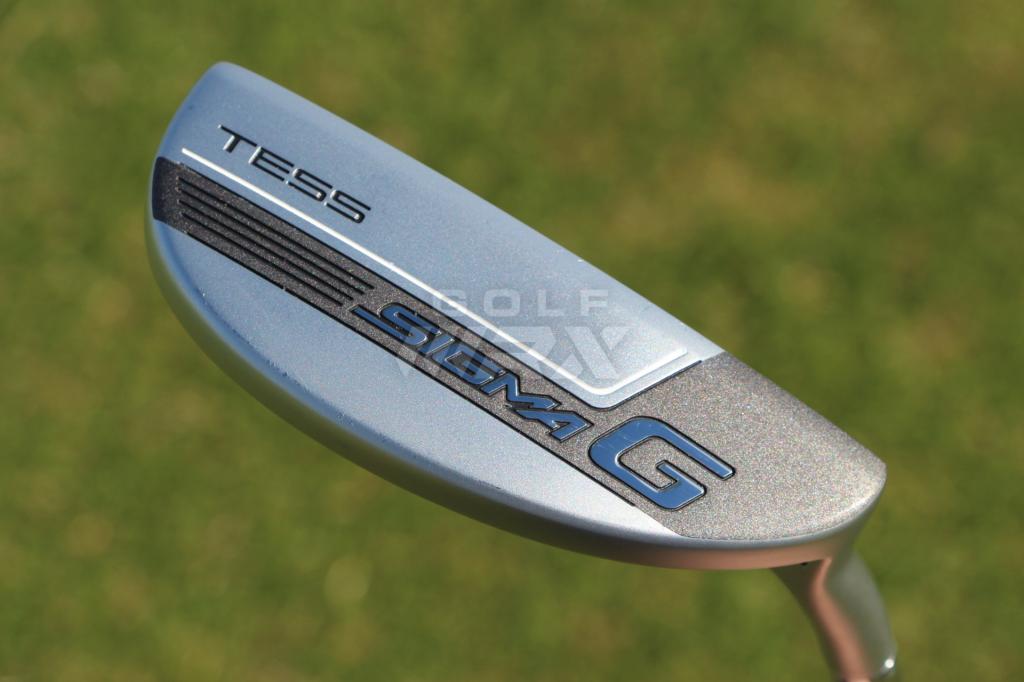
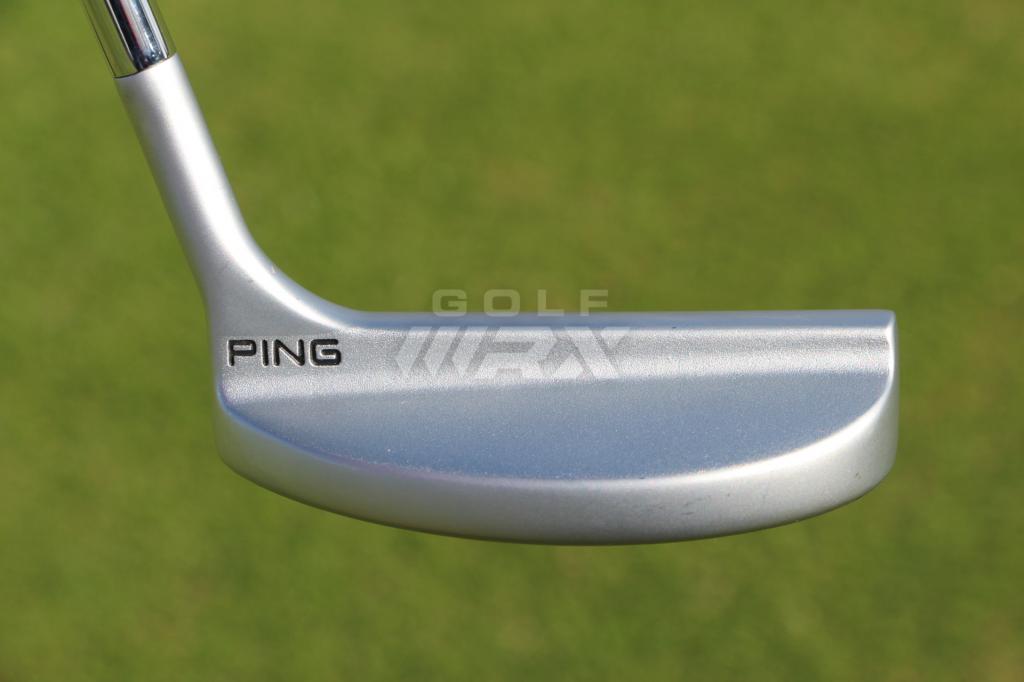
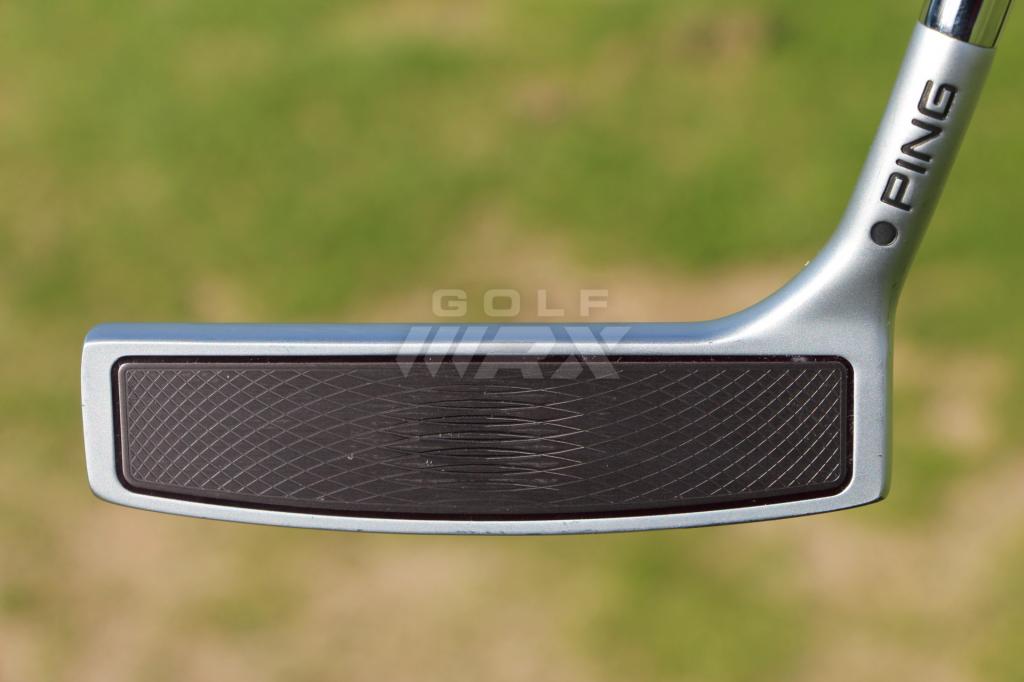
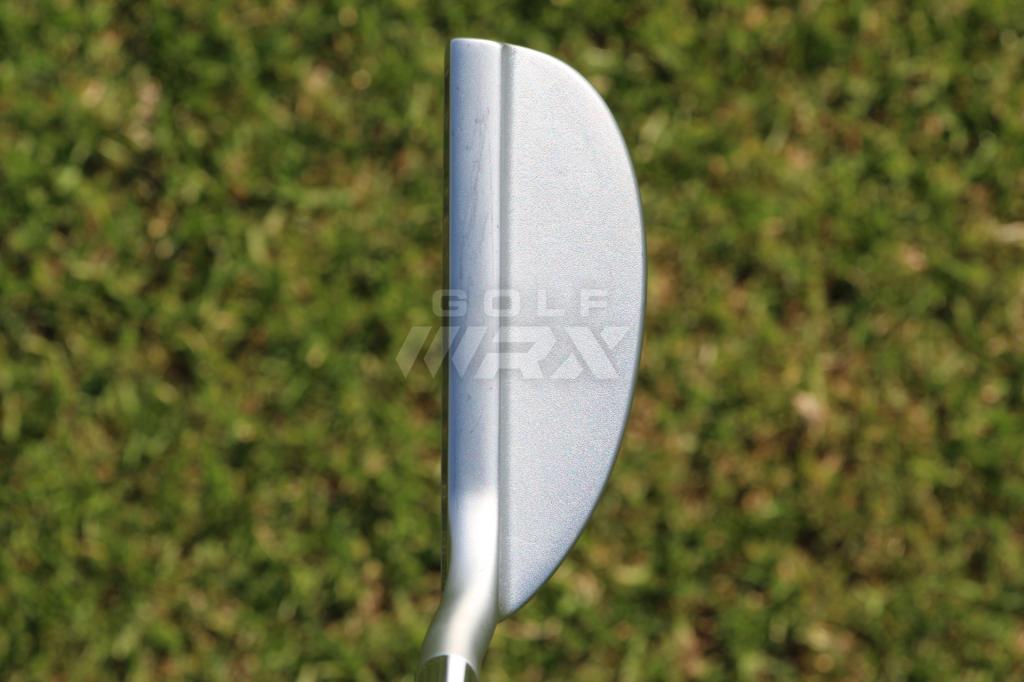
The Tess is what you’d consider a traditional blade with no sightline. It’s made for golfers with a strong arc and release.
B60
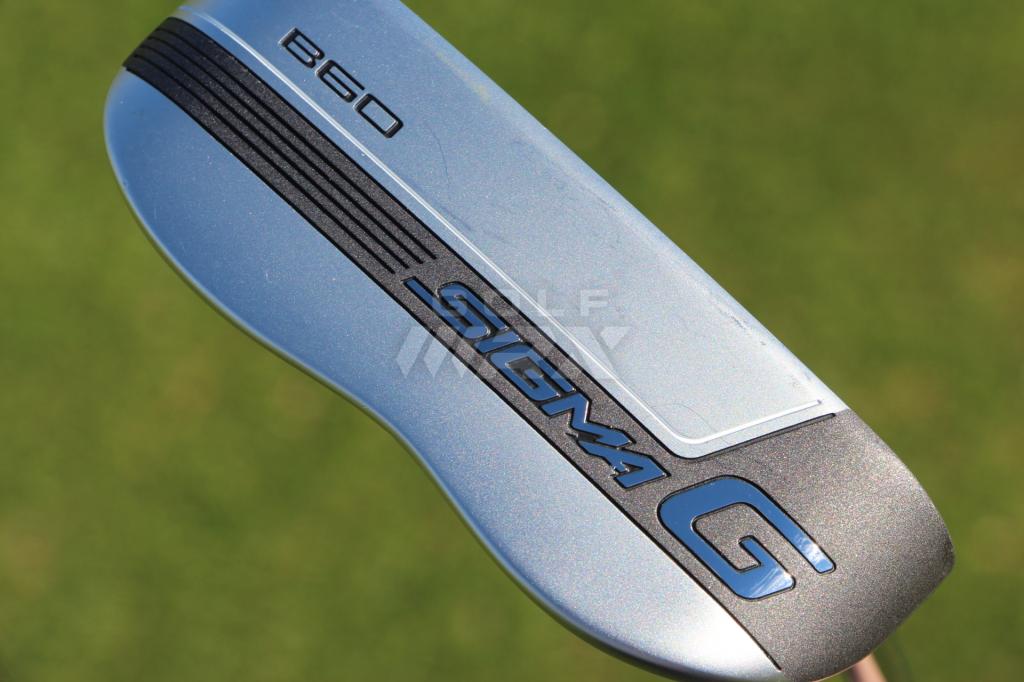


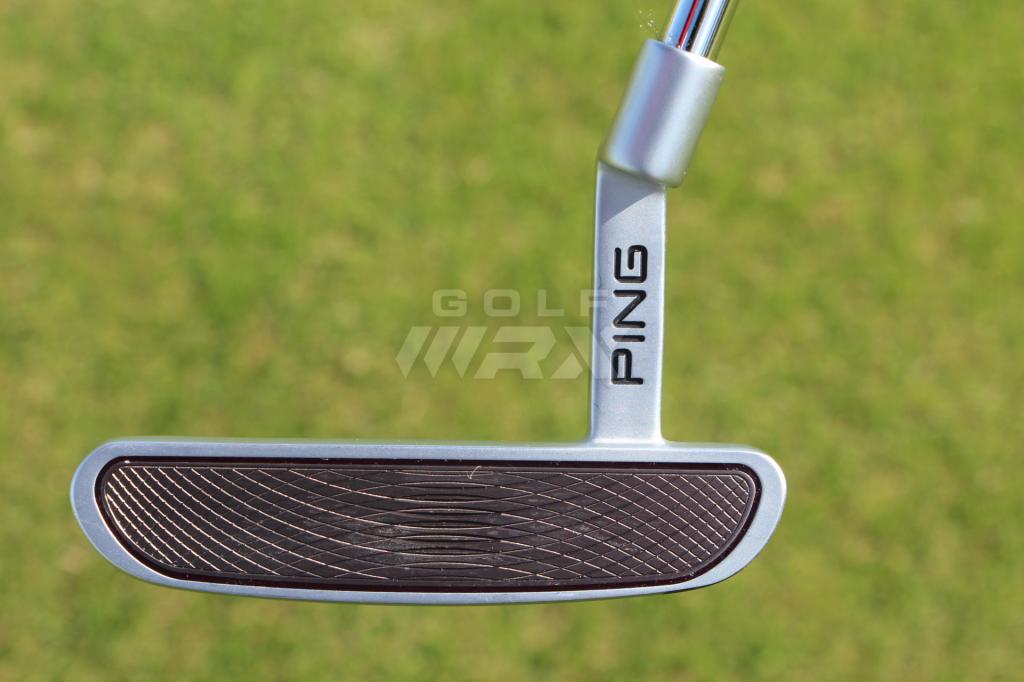
The Sigma G B60 takes the B60, one of Ping’s “most famous and top-selling putters,” and adds a modern look with a “sweeping back chamfer.” It still has the classic, heart-shaped back cavity, however, a design that Ping stresses makes it easier to scoop your ball from the surface.
Anser
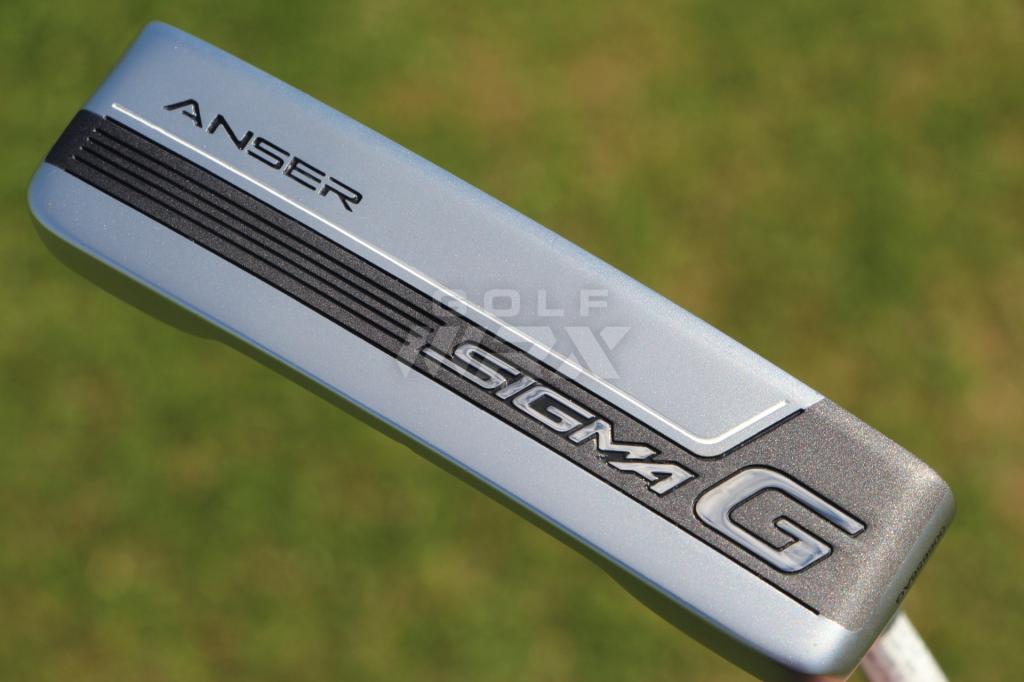
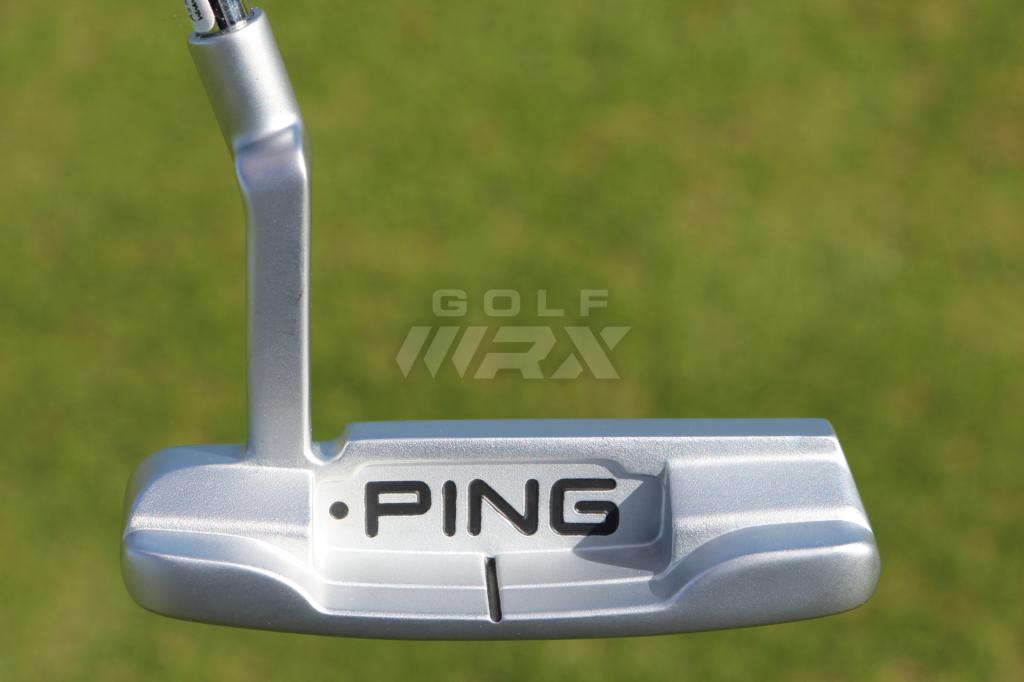
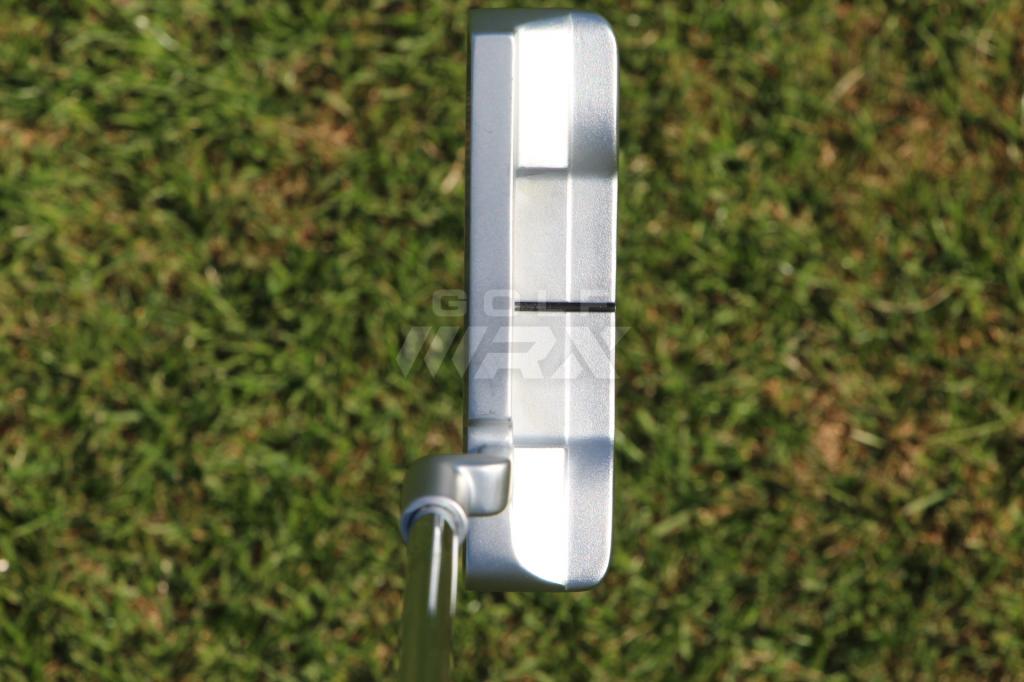
A head shape that needs no introduction has a slightly larger footprint than previous iterations. It’s said to have a higher MOI (moment of inertia), which means more forgiveness for the game-improvement player.
D66
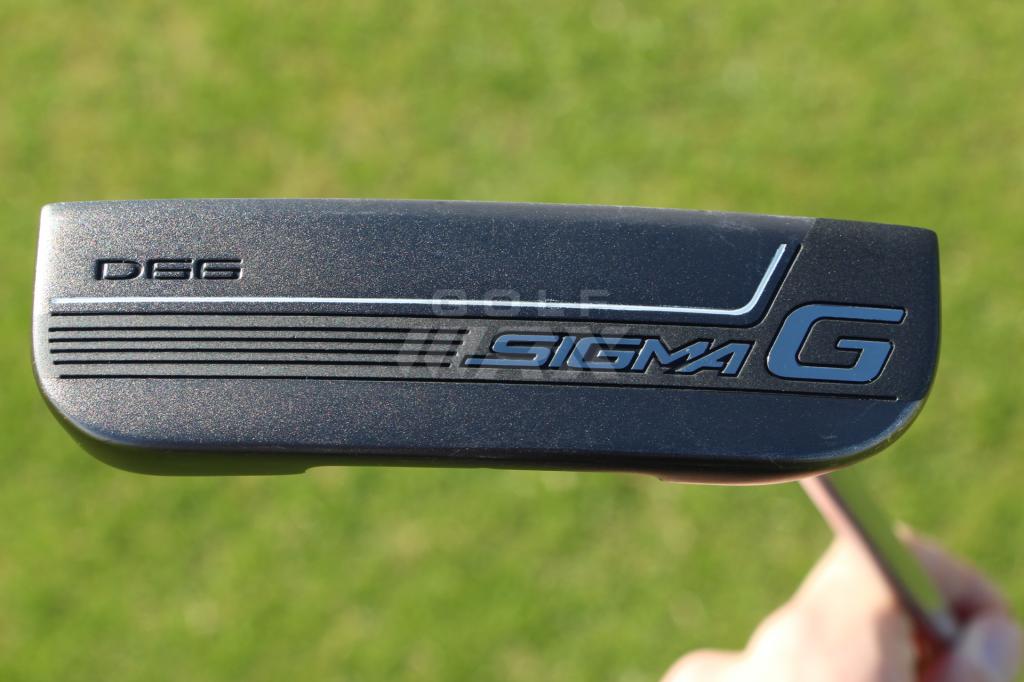
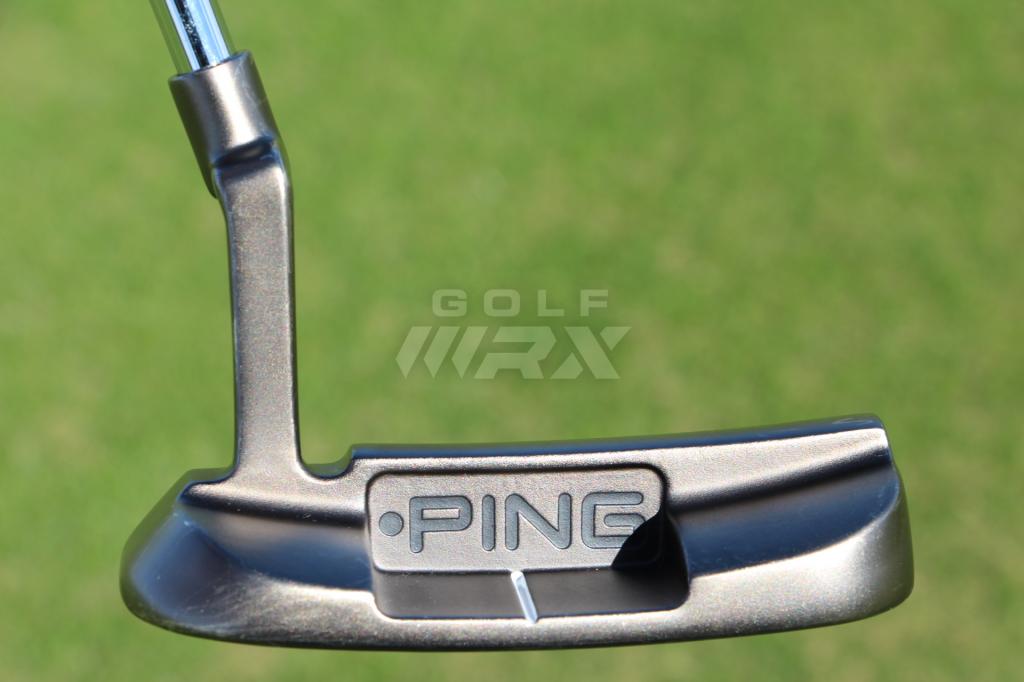
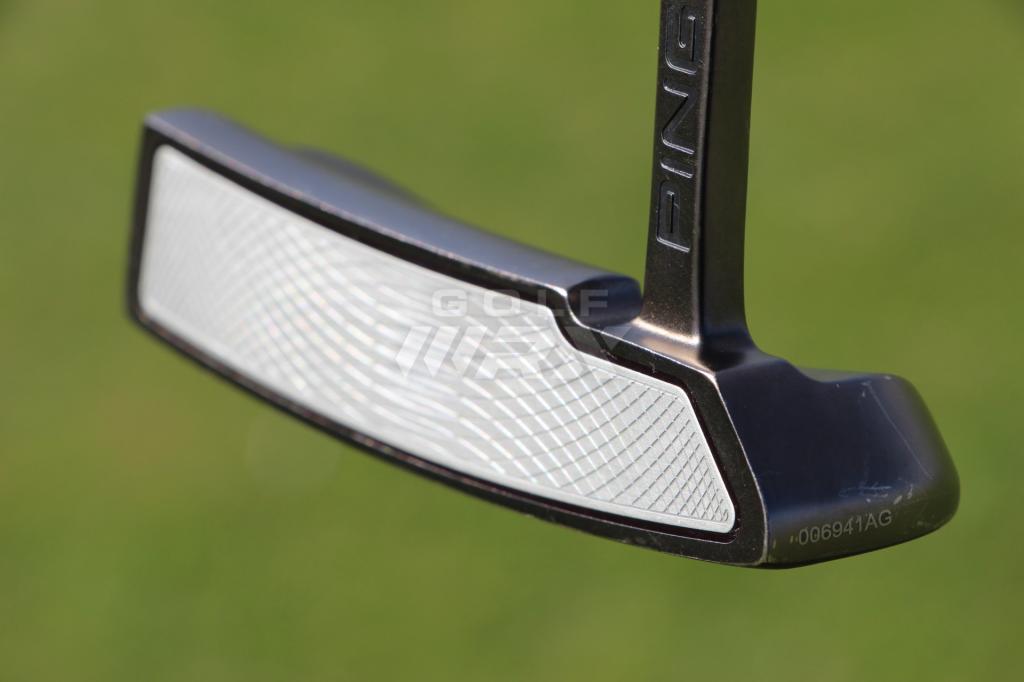

Inspired by D66, Voss and ZBS models from the company’s past, the new Sigma G D66 has a back cavity that’s the width of a golf ball and is designed for golfers who focus on the center cavity and sightline.
Kinloch
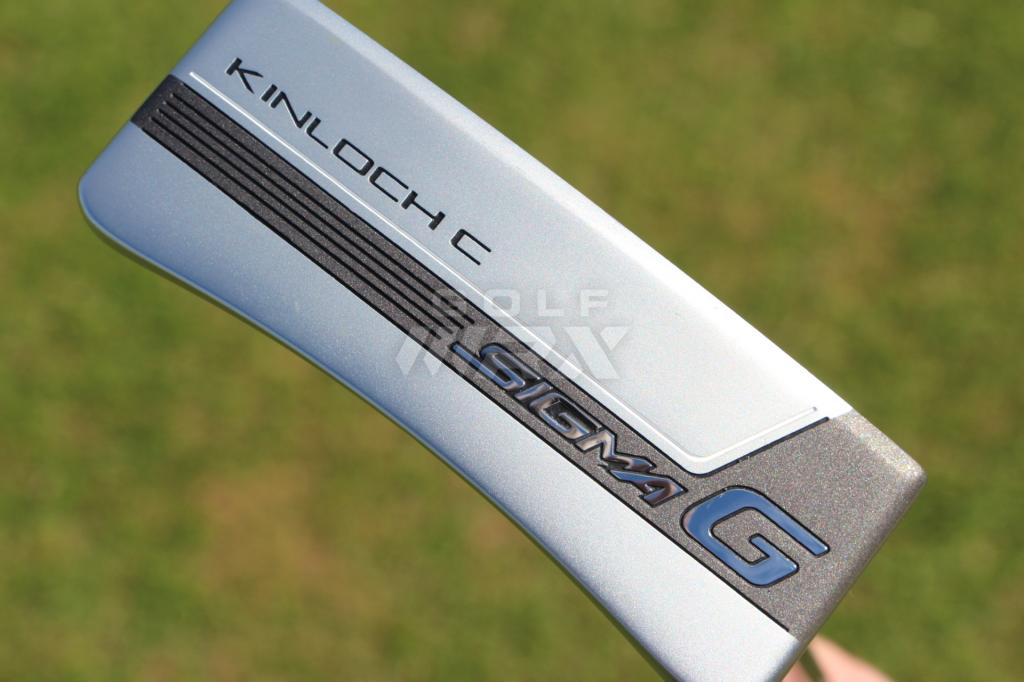
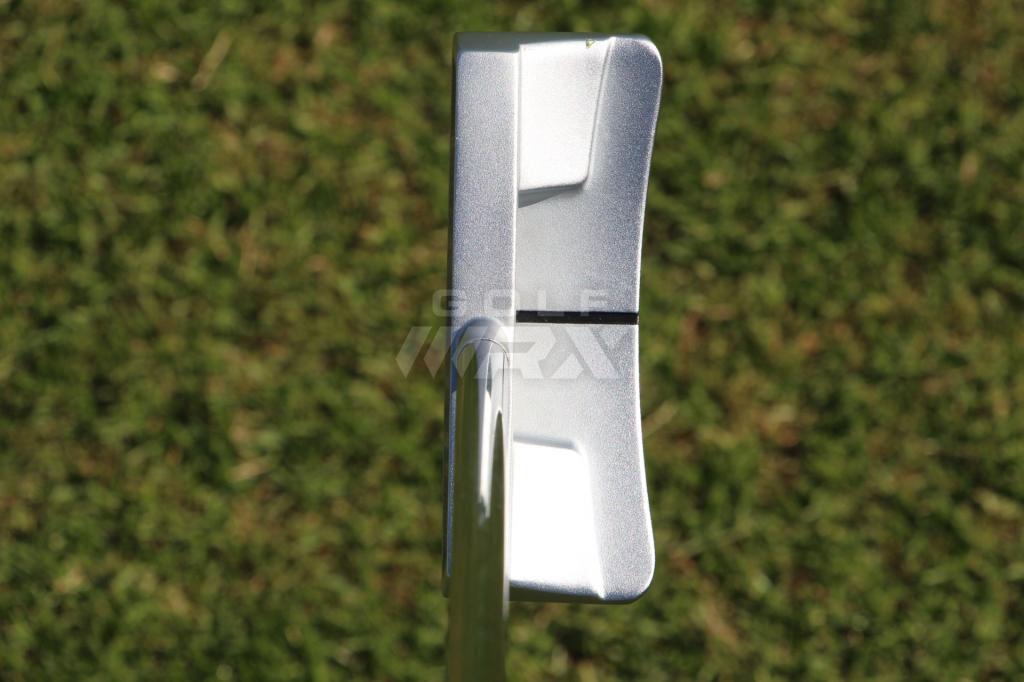
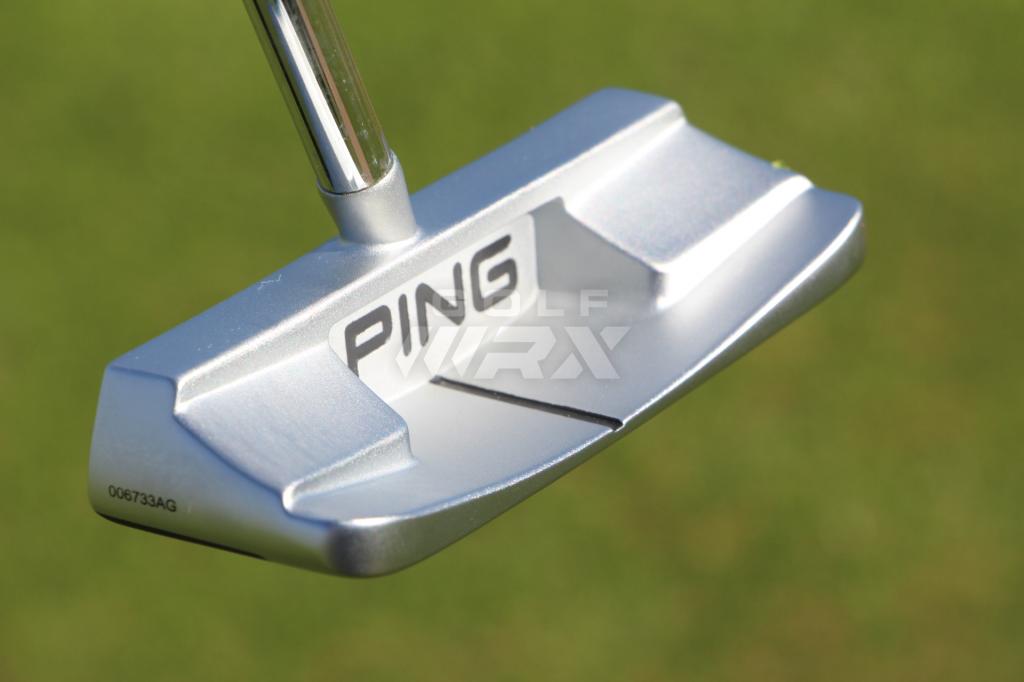
This new blade-style model mixes designs from the Anser with a styled ballast, center cavity and back surface geometry, according to Ping, which “converge toward the target” for better alignment.
Piper 3
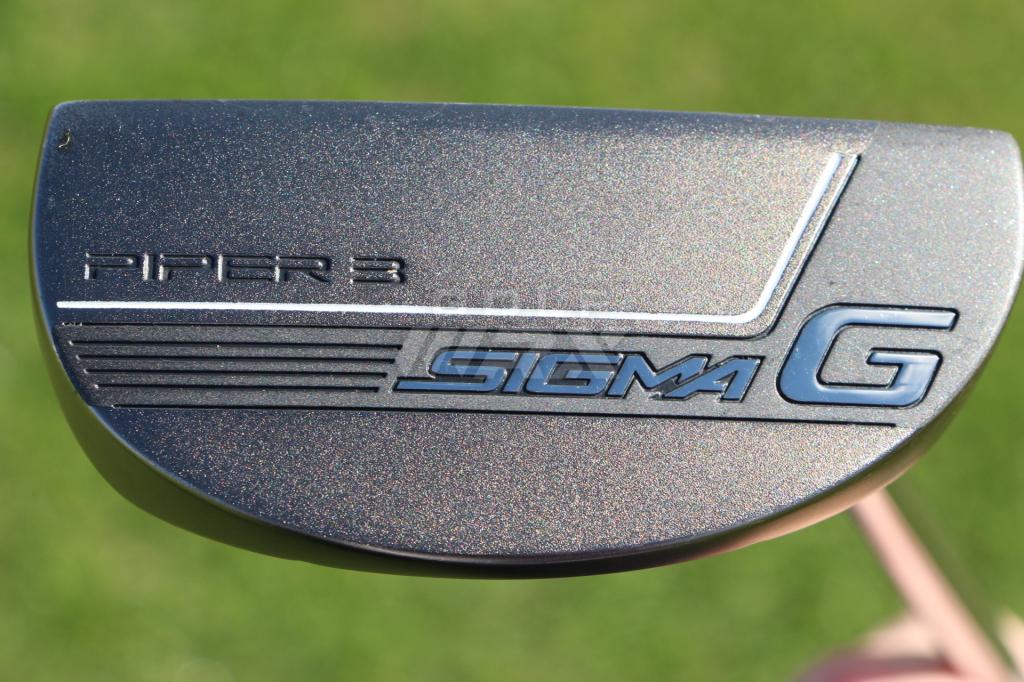
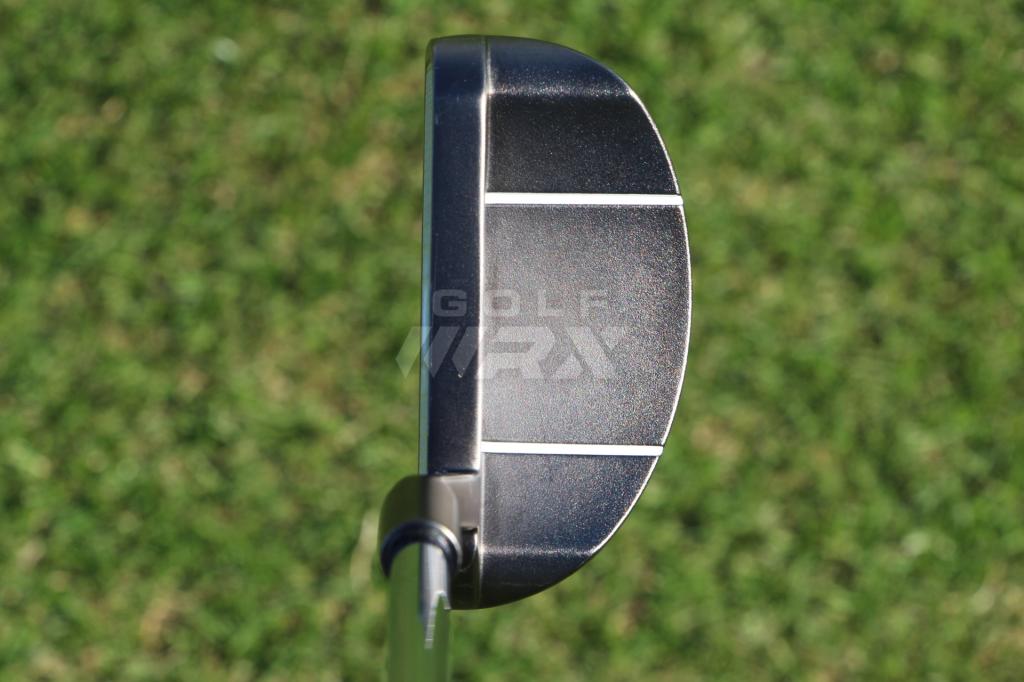
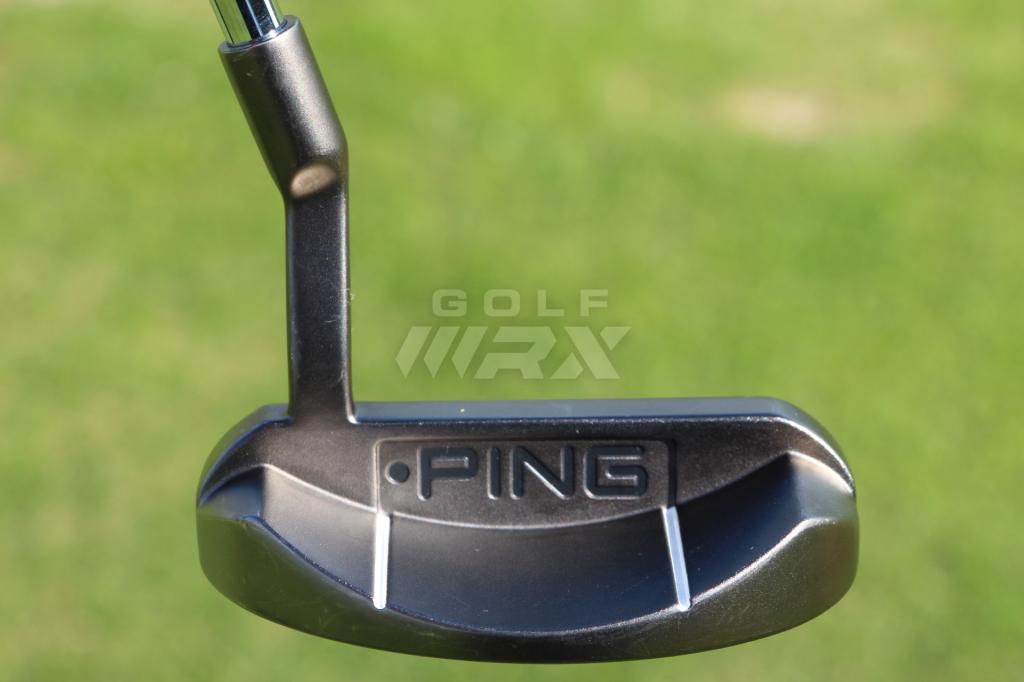
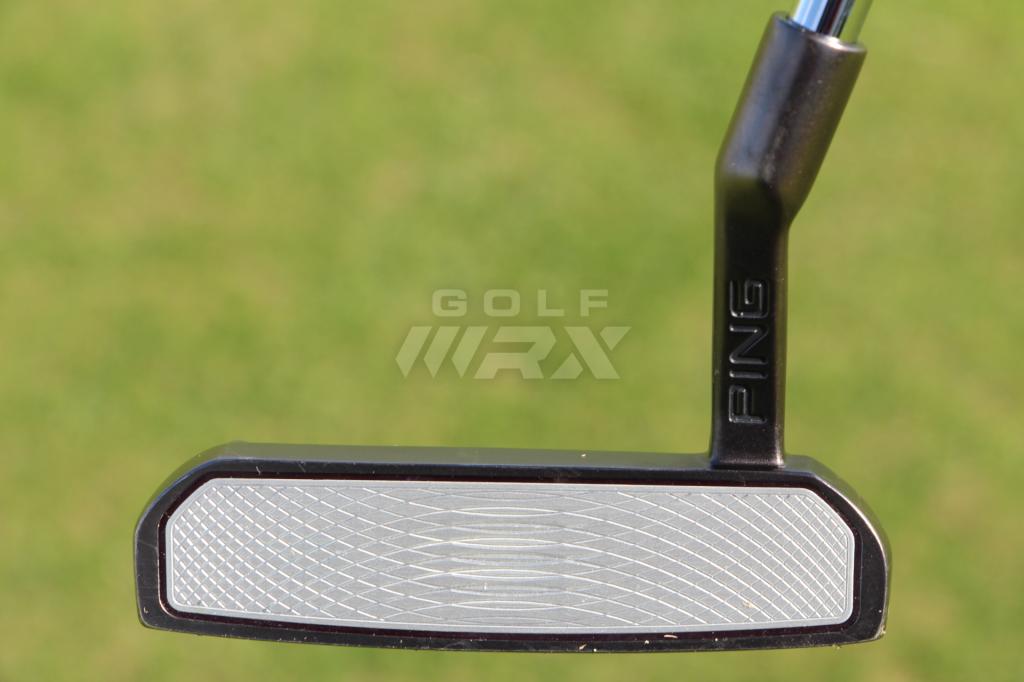
Based on Tour feedback, Ping’s Sigma G Piper putter has a remodeled mid-slant hosel and half-shaft offset.
Kushin

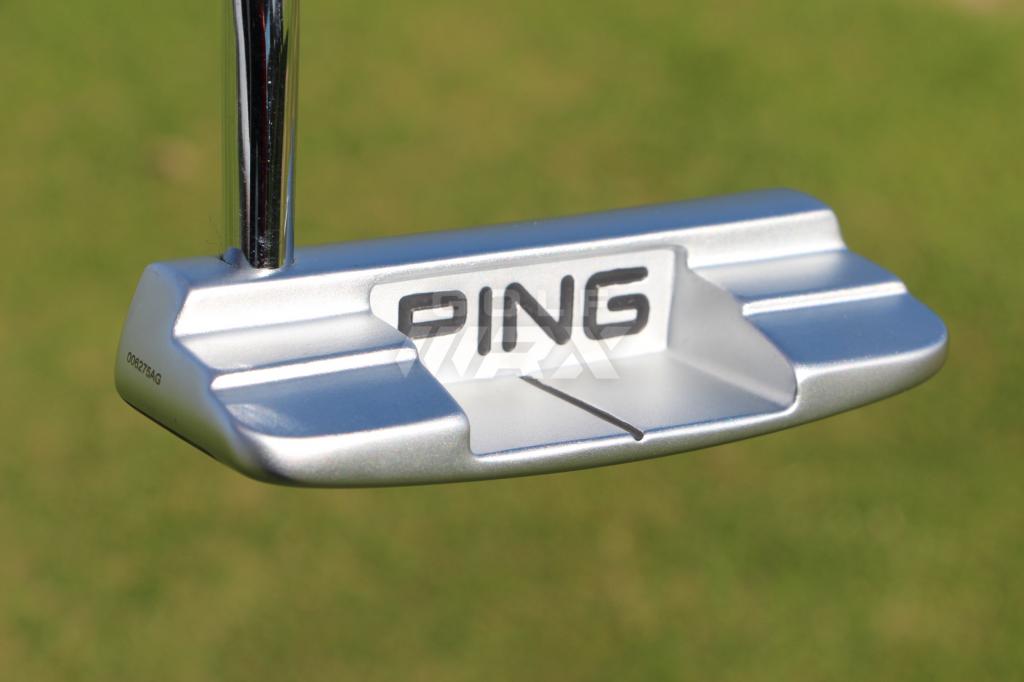
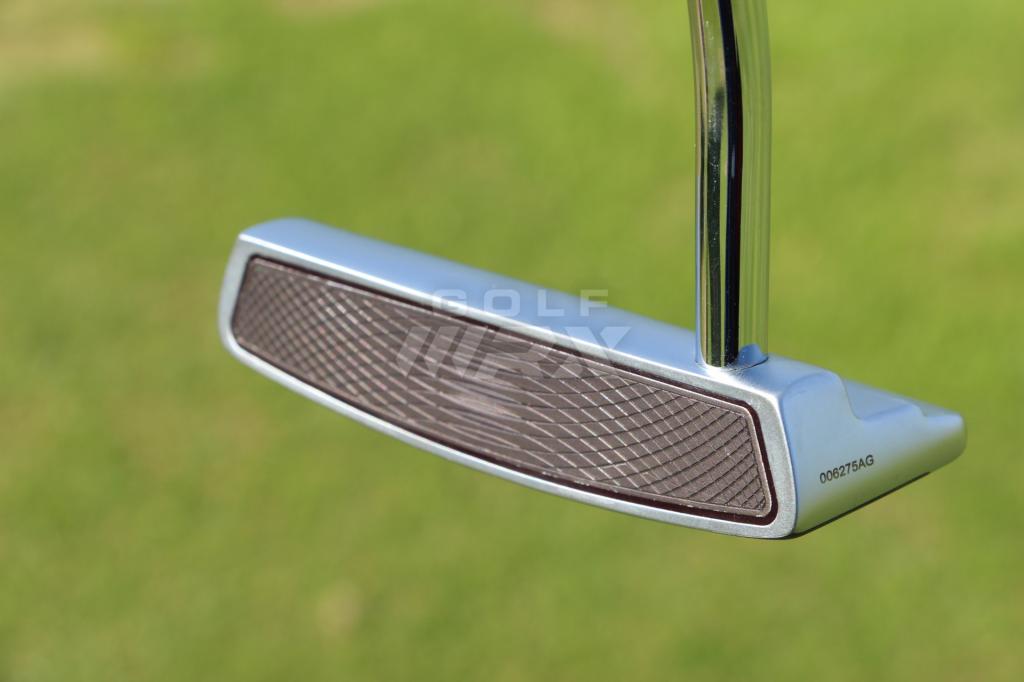
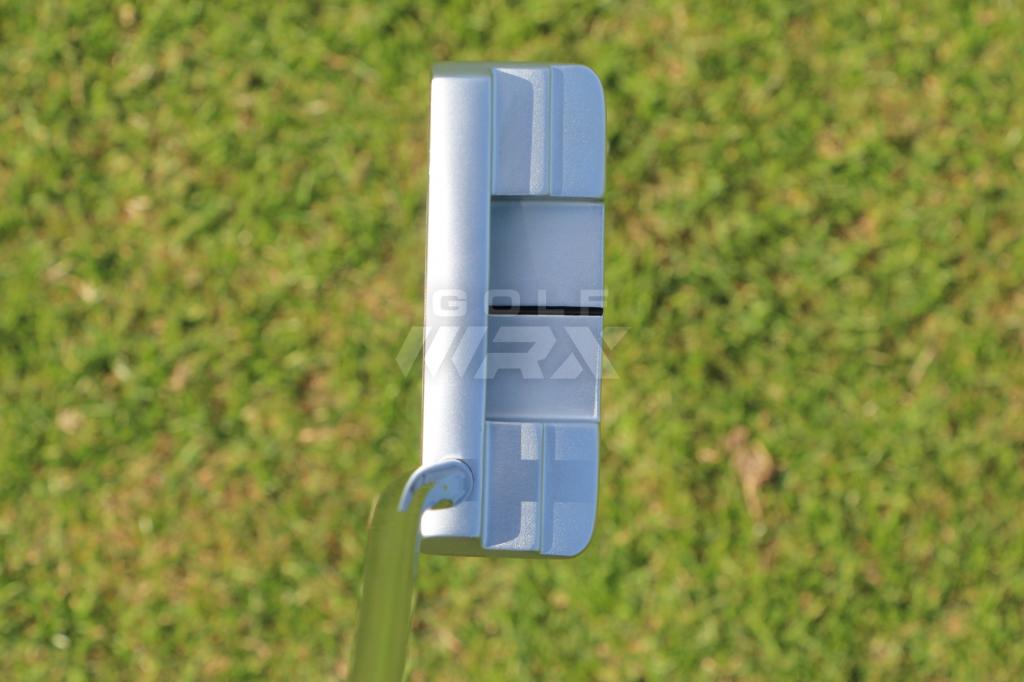
The Sigma G Kushin is inspired by Ping’s original Kushin putter. It’s a blade-style putter that has a double-bend shaft and half-shaft offset.
Shea H
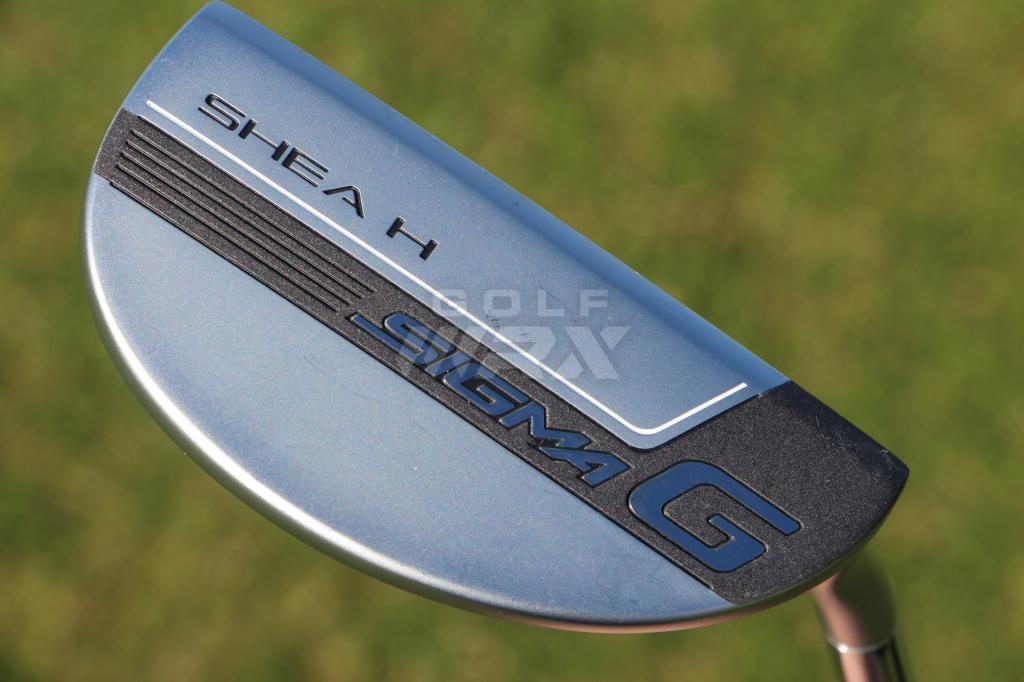
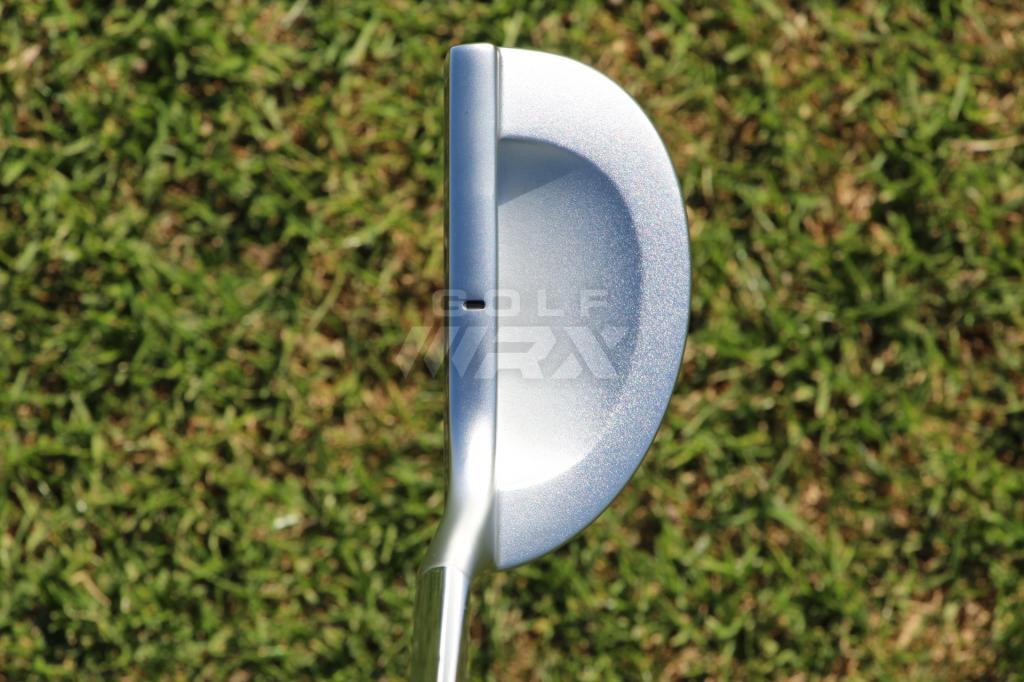

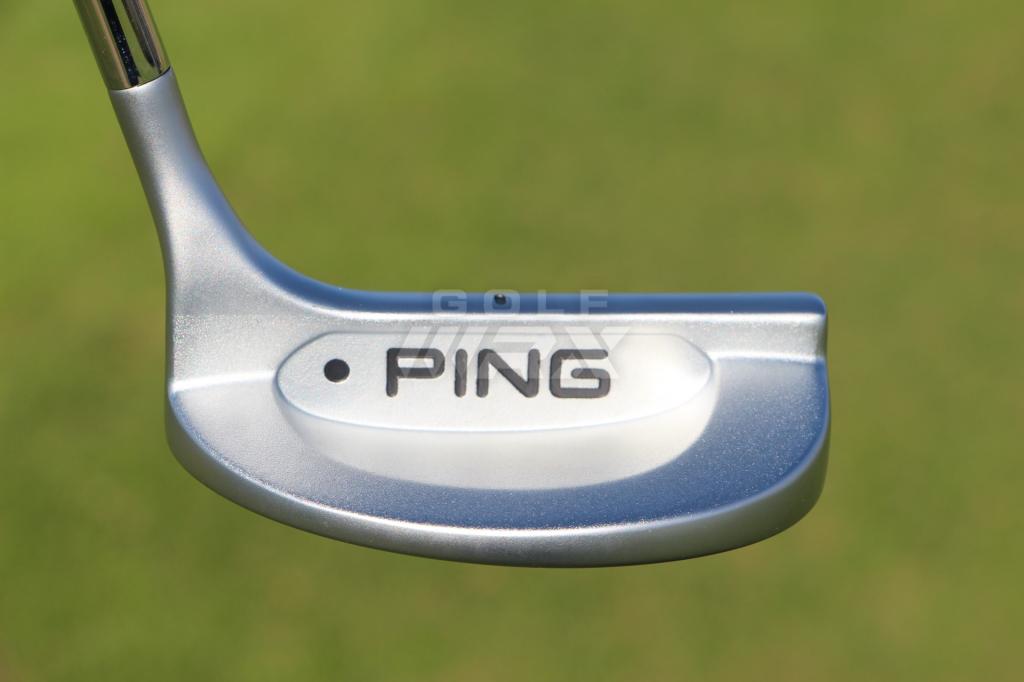
The Shea H takes a classic, mid-mallet Ping design and adds a top-rail notch alignment, a more defined cavity and a smoother hosel transition.
Kinloch C
The Kinloch C, which stands for “center shafted,” is what Ping calls a “bold, simple and strong new mallet.”
Kinloch CB
Ping also offers the Kinloch-style putter in a 400-gram, counter-balanced design for those who need added stability.
Ketsch B
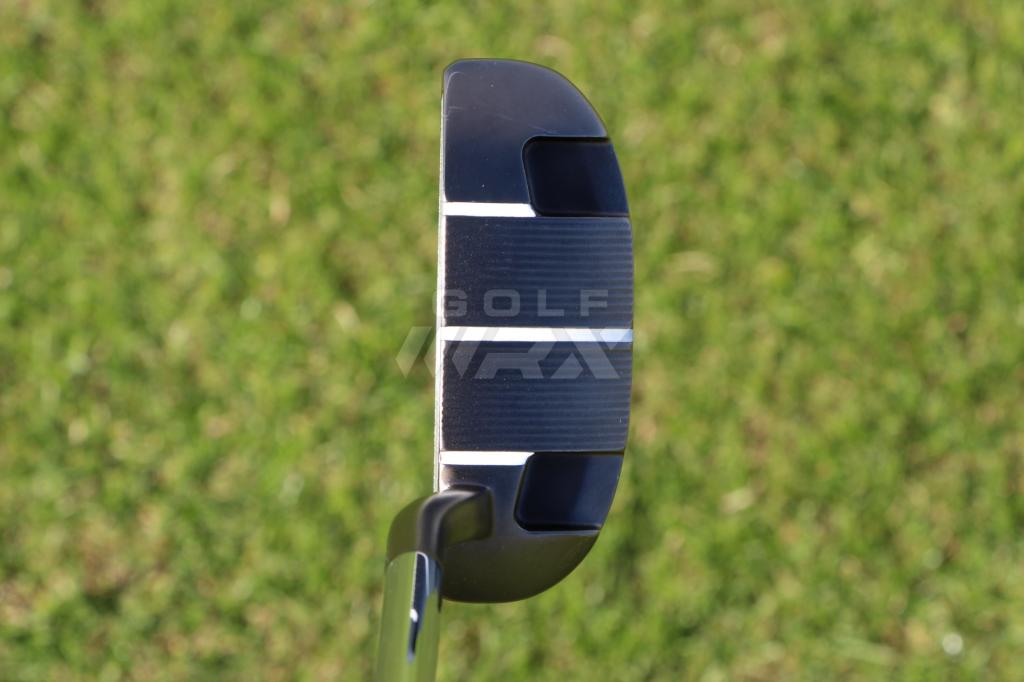
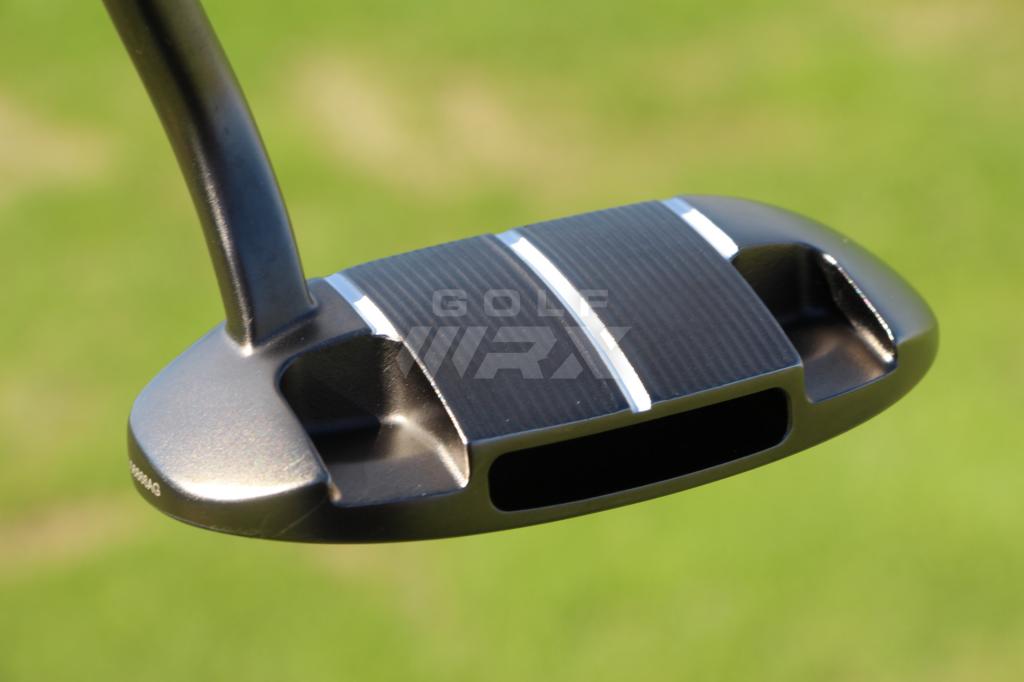
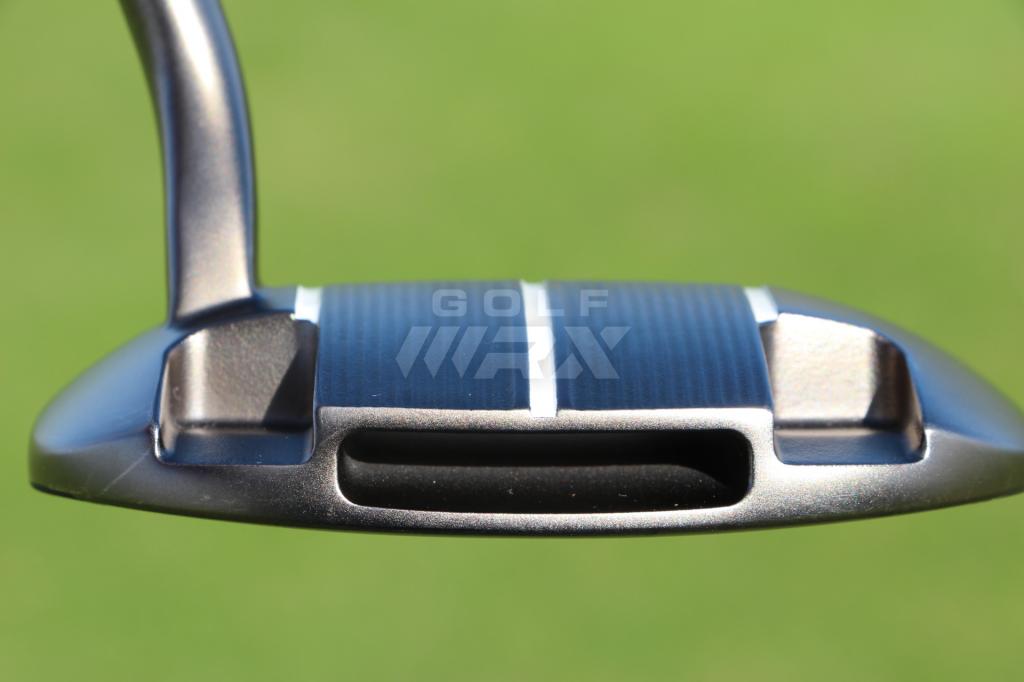
This new model from Ping features three sight lines, the outer two of which frame the outside edges of the golf ball. The Ketsch B is somewhat of a hybrid between a blade putter and a mallet.
Darby
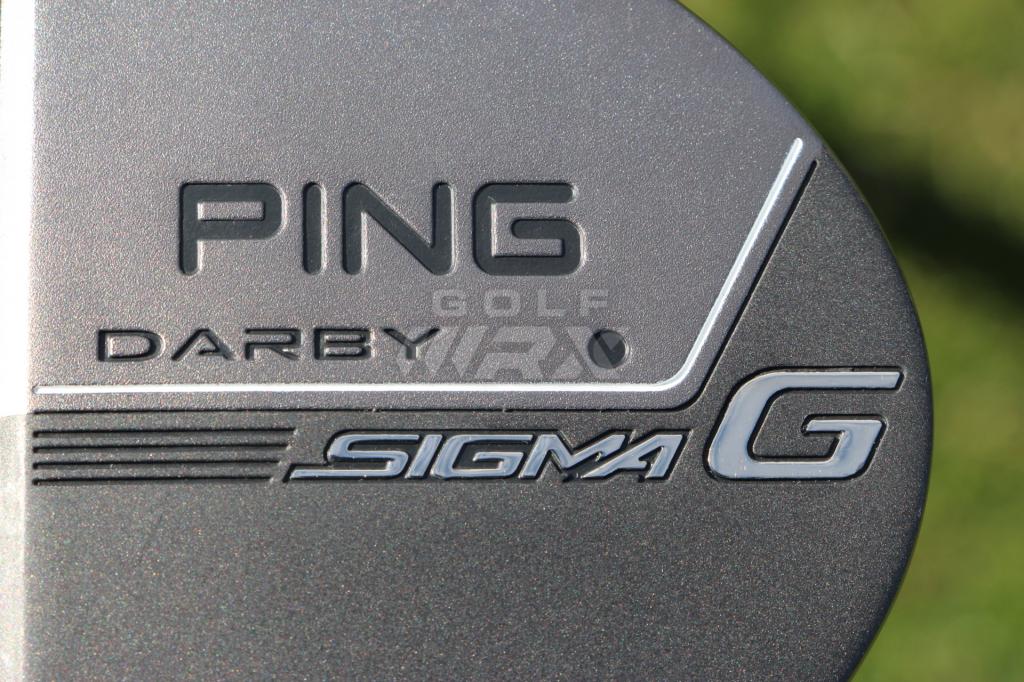

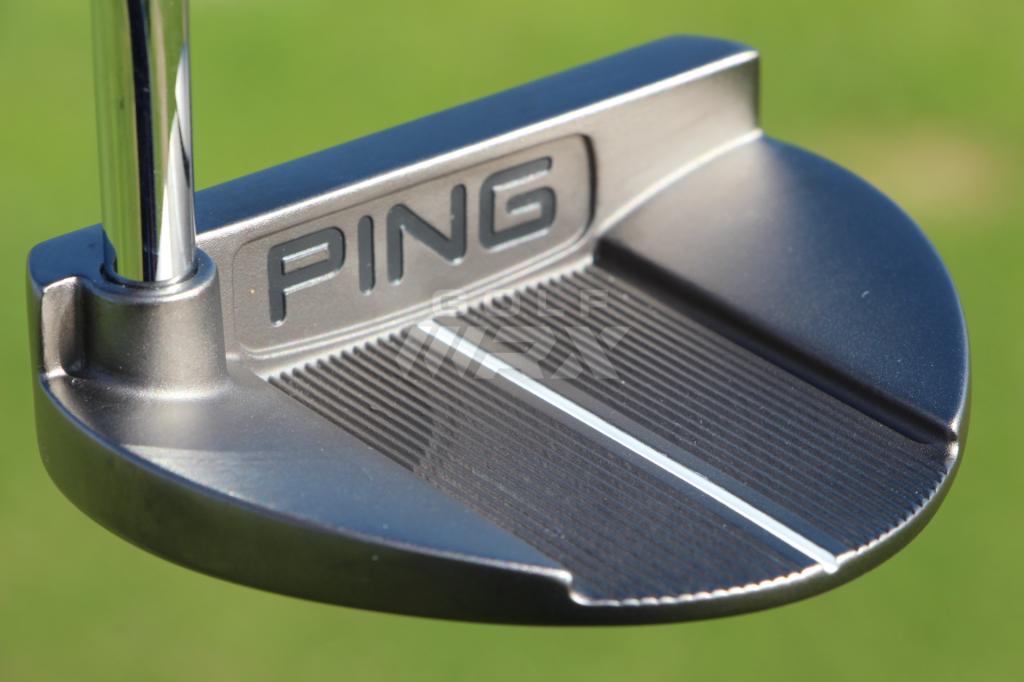
As a smaller mallet, the Darby has a bordered sightline that’s framed by “micro-lines” and clean heel and toe surfaces to better frame the golf ball.
Tyne
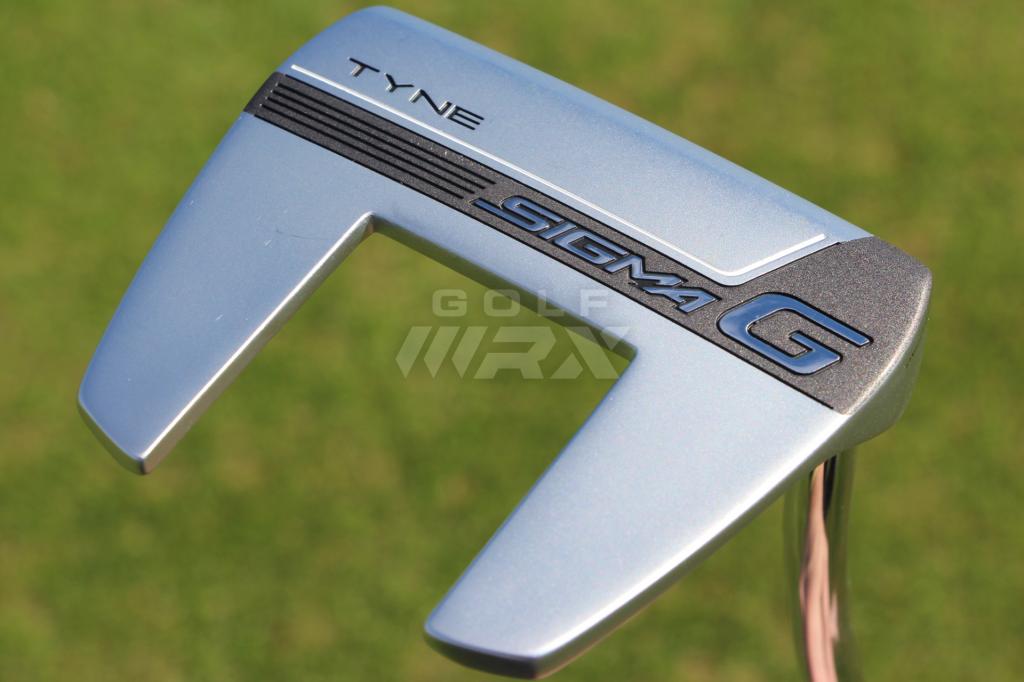
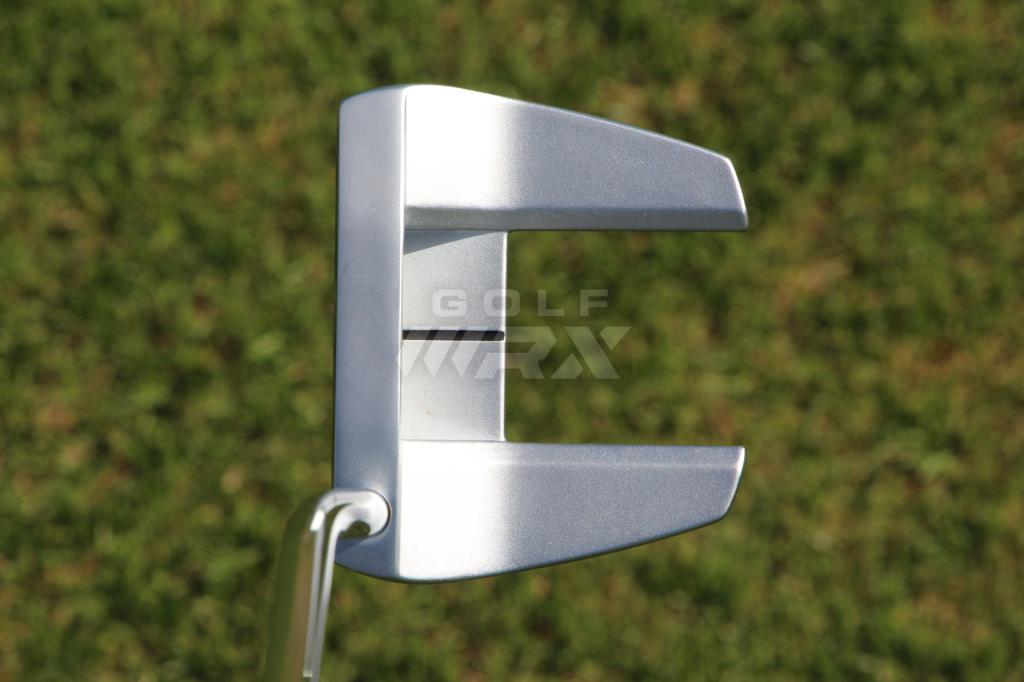
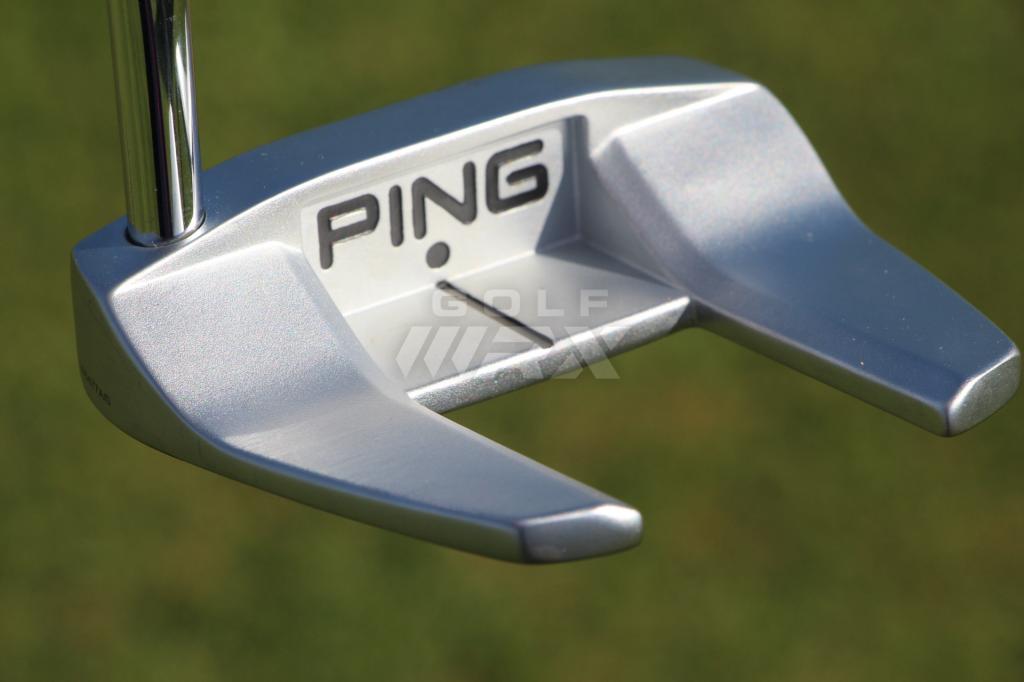
This new model is designed for greater forgiveness. It has a tall face with heel and toe wings that drive up MOI (moment of inertia, a measure of forgiveness).
Wolverine T
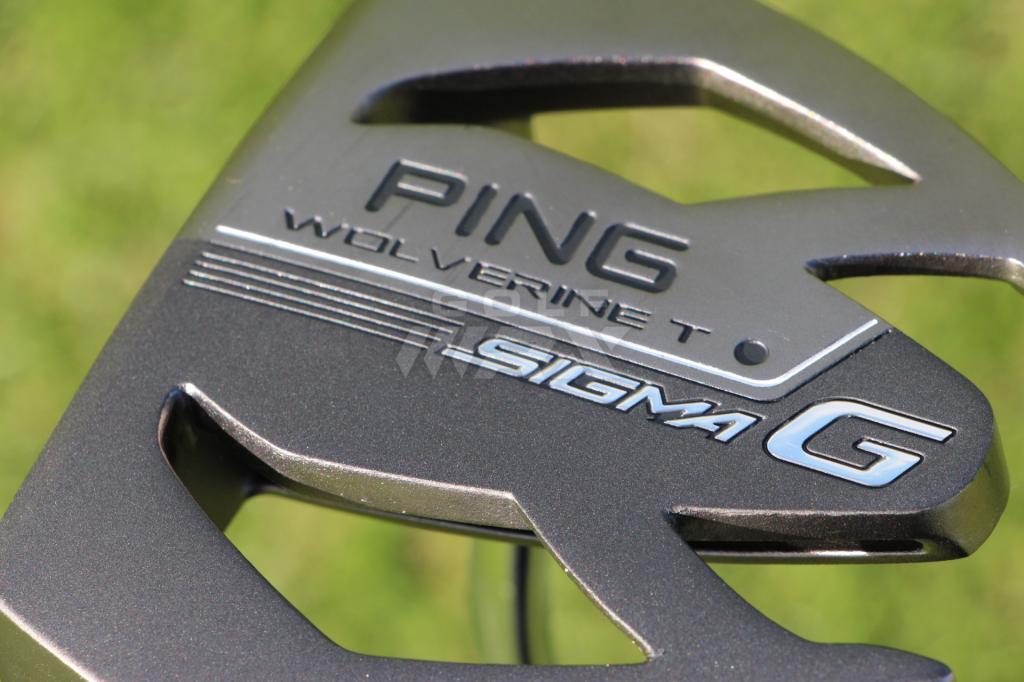

The Wolverine T putter uses a T-alignment system that has a sightline surrounded by micro-lines for better aim.
Doon
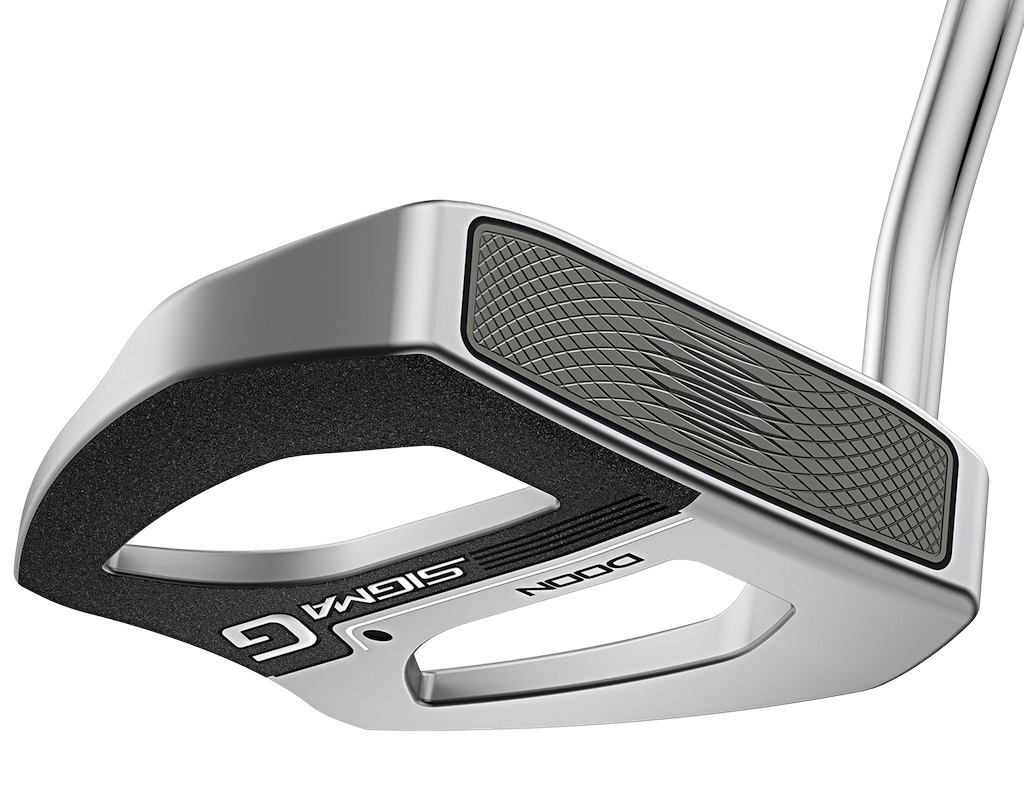
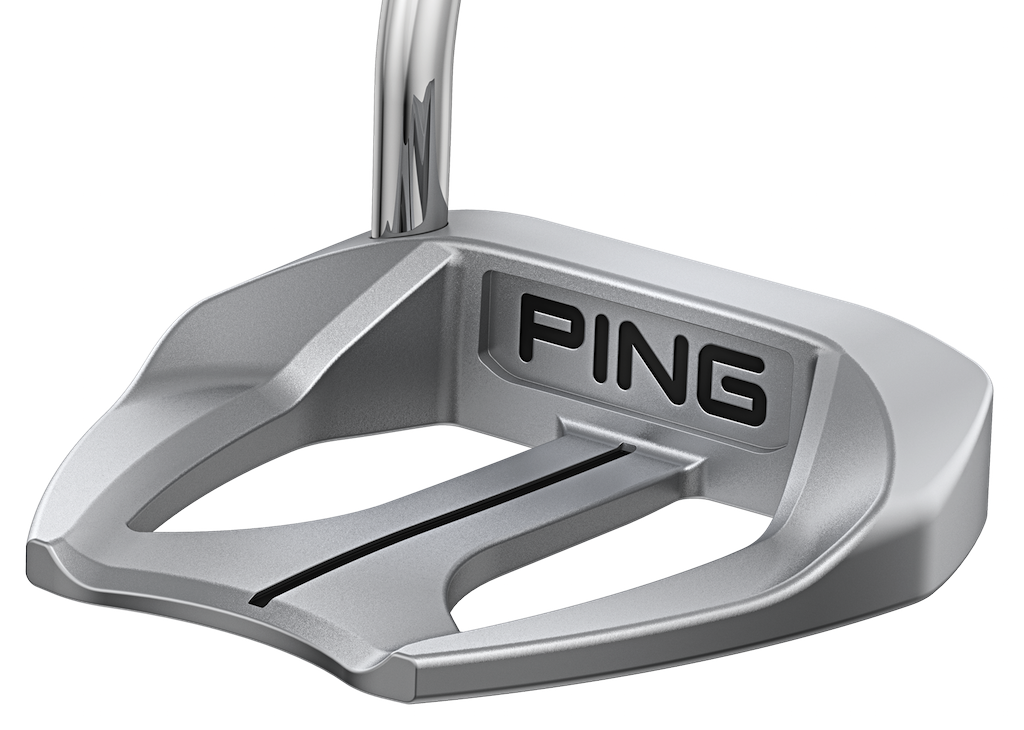
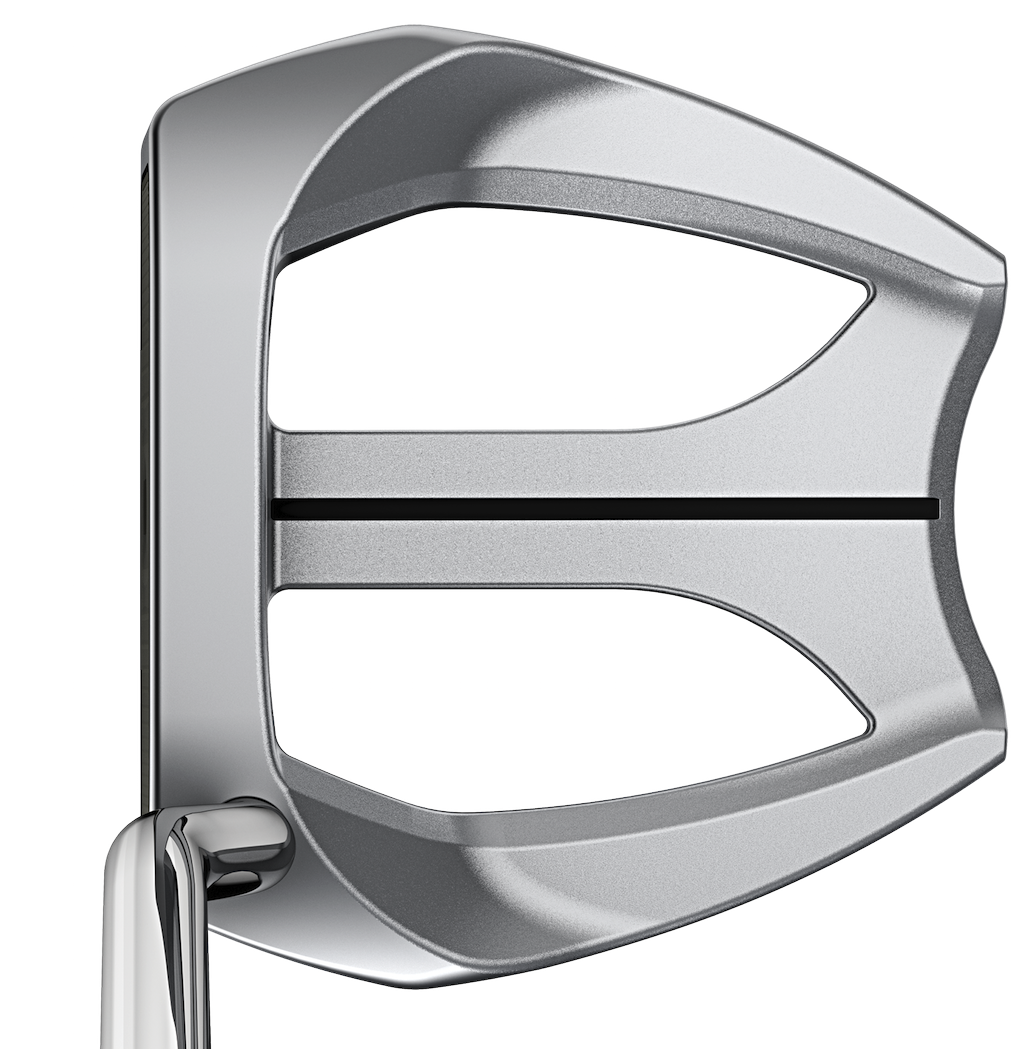
The Doon is a counter-balanced putter that’s made to be long front-to-back for more stability. It has a long sightline that offers a different look.
See what GolfWRX Members are saying about Ping’s new Sigma G putters in our forum.







Equipment
Then and now: Comparing Rory McIlroy’s current setup to his record-breaking 2019 Canadian Open victory

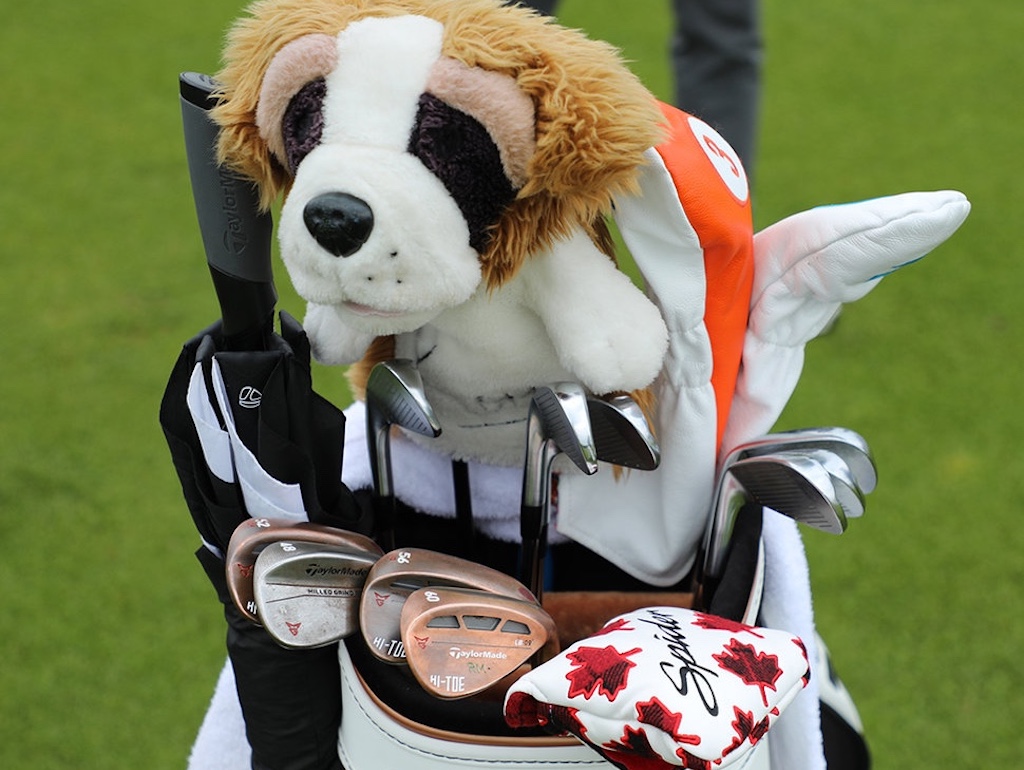
In Rory McIlroy’s first appearance at the 2019 RBC Canadian Open, he crushed the record books to earn his 16th PGA Tour title in dominating fashion, winning by seven shots over Shane Lowry and Webb Simpson.
McIlroy’s score of 22-under-par 258 is the lowest 72-hole score to date at the Canadian Open, and his closing 61 is also the best final-round score in the history of one of golf’s oldest tournaments. Finally, with his win in 2019, McIlroy became only the sixth player to win the career Triple Crown, adding to his victories at the U.S. Open in 2011 and The Open Championship in 2014, joining Tommy Armour, Walter Hagen, Arnold Palmer, Lee Trevino and Tiger Woods in a coveted list.
So, with that, why not compare his current setup to the clubs he used to break all the records?
Driver
2019: TaylorMade M5 (9 degrees), Shaft: Mitsubishi Tensei CK Pro White 70 TX
2026: TaylorMade Qi4D (9 degrees @8), Shaft: Fujikura Ventus Black 7X (45 5/8 inches)
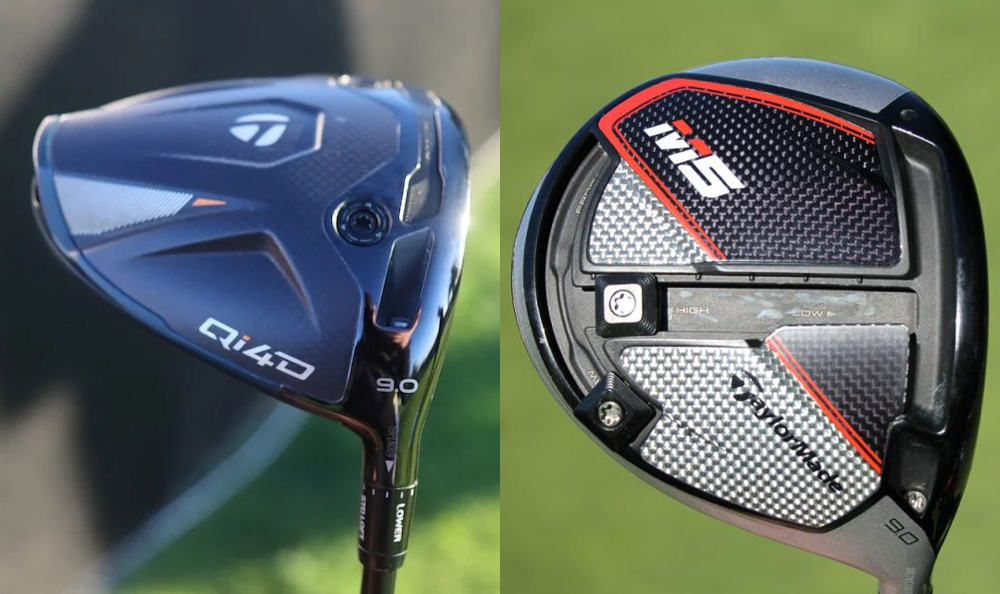
McIroy led the Tour in Strokes Gained: Off-the-Tee in 2019; he’s doing the same in 2026. Between now and then, McIlroy has switched from the Mitsubishi Tensei CK Pro White 70 TX (a shaft with slightly more feeling in the tip) to the original Fujikura Ventus Black 7X, having just made the change to the heavier version from playing the 60X.
What’s interesting about McIlroy’s 2019 setup is that the weighting on his driver is actually set in the high-draw setting, using the T-Track weighting system, whereas in the Qi4D, he’s currently using a heavily rear-weighted setup. (Two 13-gram weights in the rear and only two 4-gram front weights.)
The TaylorMade M5 driver he played in during his Canadian Open win was the company’s first head that they claimed to design to initially exceed the USGA’s COR limit, and then injected with tuning resin to bring it back in bounds.
Fairway woods
2019: TaylorMade M6 3-wood (15 degrees), Shaft: Mitsubishi Tensei CK Pro White 80 TX; TaylorMade M5 5-wood (19 degrees), Shaft: Mitsubishi Tensei CK Pro White 90 TX
2026: TaylorMade Qi4D 3-wood (15 degrees), Shaft: Fujikura Ventus Black 8X; TaylorMade Qi4D 5-wood (18 degrees), Shaft: Fujikura Ventus Black 9X

The TaylorMade M6 fairway wood that McIlroy was using during the 2019 season is still in the bag of some of the best golfers on Tour in 2026. Just check out Justin Rose’s winning setup from the Farmers Insurance Open earlier this year. This year, though, McIlroy has still been searching for his top-end-of-the-bag setup, having played both the new Qi4D and the Qi10, which he won the Masters with.

The same shaft swap can be seen in the fairway woods as the driver, along with slightly less loft on the 5-wood.
Irons
2019: TaylorMade P750 (4) Buy here, TaylorMade P730 (5-9), Shafts: Project X 7.0
2026: TaylorMade P760 (4), TaylorMade Rors Proto (5-9), Shafts: Project X 7.0

The biggest difference between McIlroy’s custom set and the stock P730s is the groove design. While the P730s were constructed with 14 MX-9 grooves on their milled faces, McIlroy’s proto heads instead use the higher-spinning, 16-groove layout of the TW2 grooves. Other big differences between the sets are that McIlroy’s 7- and 8-irons have thinner toplines, are 1 degree stronger in loft, and are 1/4 inch longer than the original P730 builds.
With McIlroy’s 4-iron, the switch from P750 to P760 sees a transition to a two-piece construction with Speed Foam in it, which allows McIlroy to launch the ball slightly higher, with more workability.
Wedges
2019: TaylorMade Milled Grind (48-09SB), TaylorMade MG Hi-Toe (52-09SB, 56-09SB, 60-LB09), Shafts: Project X Rifle 6.5
2026: TaylorMade MG5 (46-09SB, 50-09SB, 54-11SB, 60-08LB @61), Shafts: Project X 6.5 (46-54), Project X 6.5 Wedge (60)

Between 2019 and 2026, McIlroy’s focus on his short game has been much more apparent. It was the reason why he switched back to the TP5 golf ball, to help with launch, spin and control with his wedges leading up to his career Grand Slam victory in 2025. The most apparent changes to McIlroy’s wedge setup are his lofts and bounce. He’s slowly delofted his pitching to a sand wedge, but has increased the loft on the lob wedge, bending his current 60-degree to 61. With that, adding more loft to his lob wedge also slightly increases the bounce and leading-edge sit point, so, as a result, he plays a lower-bounce lob wedge compared to 2019. The MG5 wedges are also softer than the first Milled Grind option from 2019. McIlroy also no longer plays the full-face grooves found on the Hi-Toe.
Putter
2019: TaylorMade Spider X
2026: TaylorMade Spider Tour X
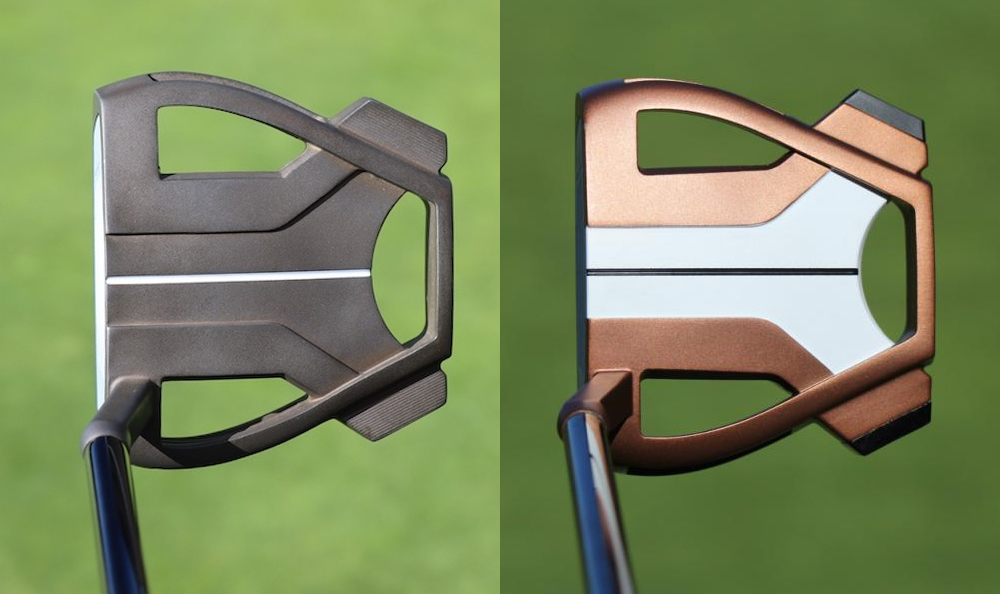
Notice anything similar. Yes, the copper finish on Rory McIlroy’s Spider X putter in 2019 is a slightly more reflective finish than the recently released torched PVD finish. McIlroy was using the True Path alignment system, but now uses only a single white sightline.
Ball
2019: 2019 TaylorMade TP5 (#22)
2026: 2025 TaylorMade TP5 (RORS)
As mentioned above, McIlroy had transitioned from the TP5 to TP5x golf ball since his victory in Canada in 2019, but now is black with the same style of golf ball as his victory at Hamilton Golf & Country Club.
Grips
2019: Golf Pride Tour Velvet Cord
2026: Golf Pride MCC
Interesting, McIlroy actually used Golf Pride’s Tour Velvet Cord grips during his victory in 2019 (it was during a 2+ year switch to the corded TV) as opposed to his usual MCC grips, which he has played for most of his career.


At GolfWRX, we are a community of like-minded individuals who all experience and express our enjoyment of the game in many ways.
It’s that sense of community that drives day-to-day interactions in the forums on topics that range from best driver to what marker you use to mark your ball. It even allows us to share another thing we all love – buying and selling equipment.
Currently, in our GolfWRX buy/sell/trade (BST) forum, @Putt4Dough is selling some prototype wedges from Vokey Wedgeworks. These include a 54 degree wedge with the M grind and a 60 degree wedge with a T grind.
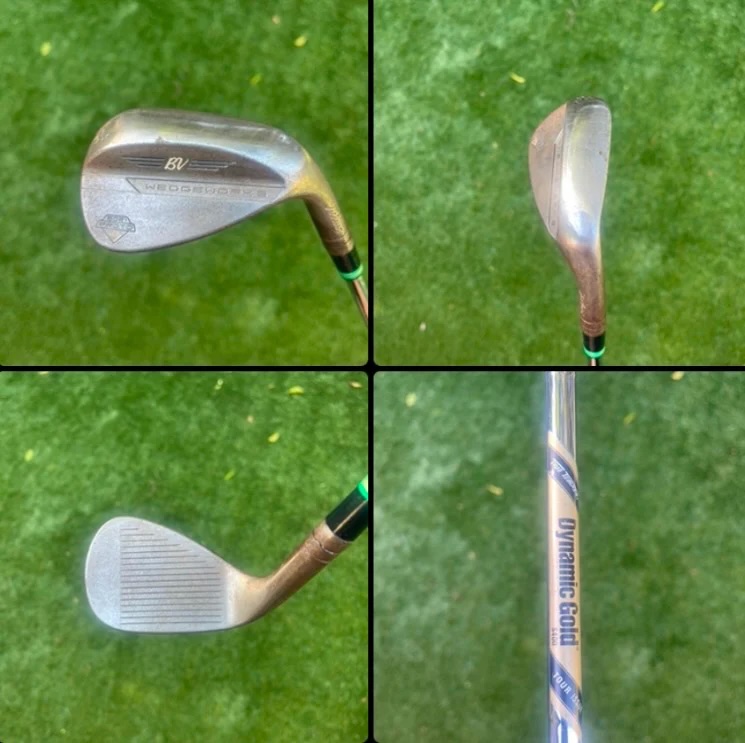
From the listing:
(1) Titleist Vokey Proto Wedge 54M with a Tour Issue DGS400 shaft and Golf Pride Tour Velvet (logo down). Standard length, lie, and loft. BB&F ferrule. Raw wedge in good condition. No initials. Price is $200 shipped. Buy both wedges for $380 shipped.
(2) Titleist Vokey Proto Wedge 60T with a KBS Tour 130X shaft and Golf Pride Tour Velvet. Standard length, lie, and loft. Raw wedge in good condition. No initials. Price is $200 shipped. Buy both wedges for $380 shipped.
To check out the full listing in our BST forum, head through the link. If you are curious about the rules to participate in the BST Forum, you can learn more here: GolfWRX BST Rules.
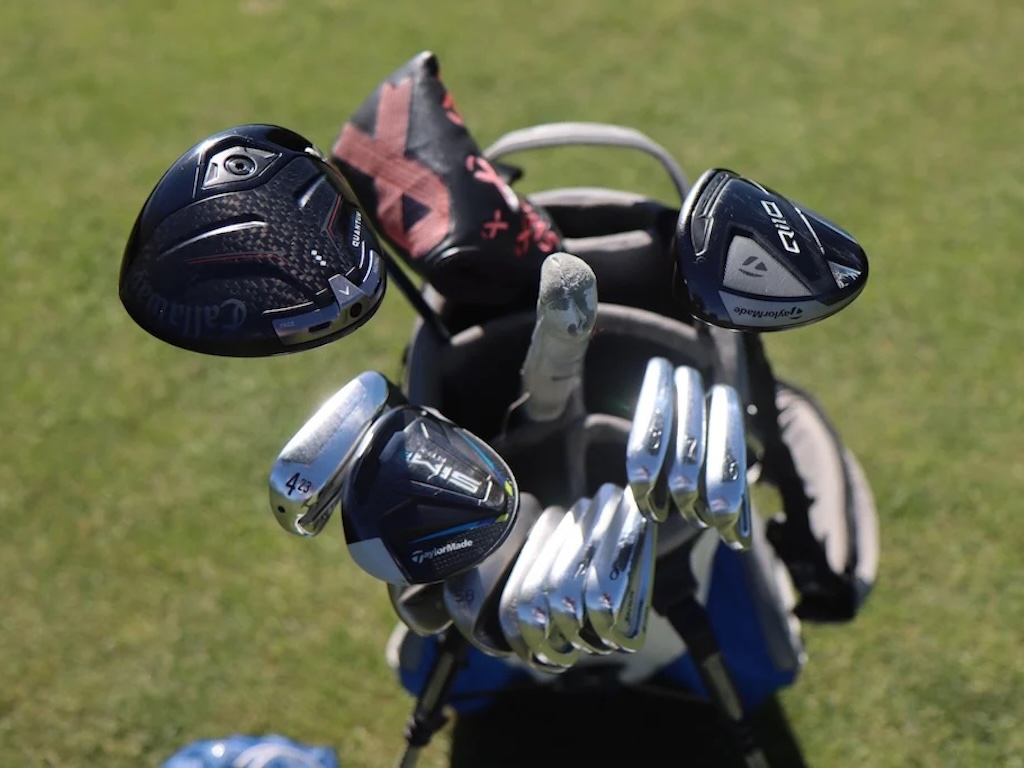
Driver: Callaway Quantum Triple Diamond (9 degrees)
Shaft: Project X HZRDUS Smoke Blue RDX 60 TX
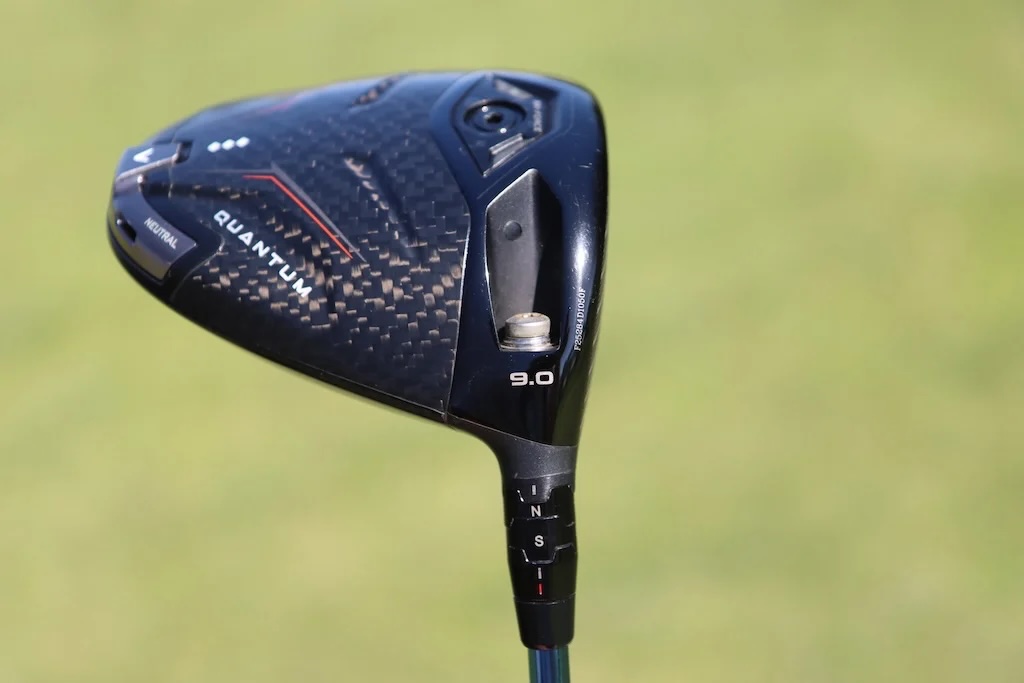
3-wood: TaylorMade Qi10 (15 degrees)
Shaft: Project X HZRDUS T1100 70 6.5
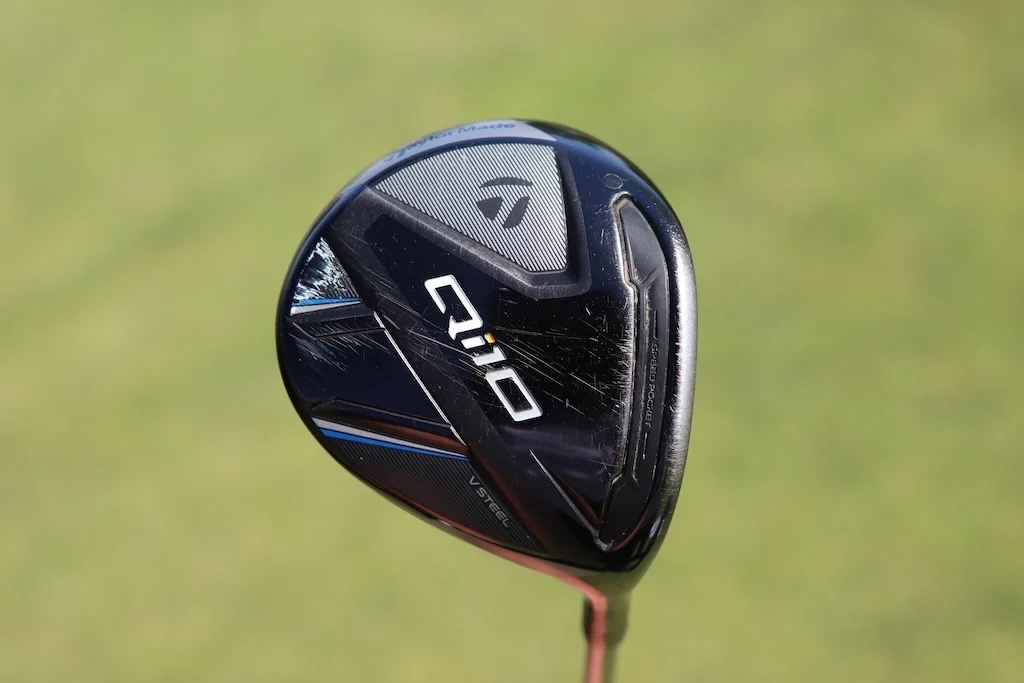
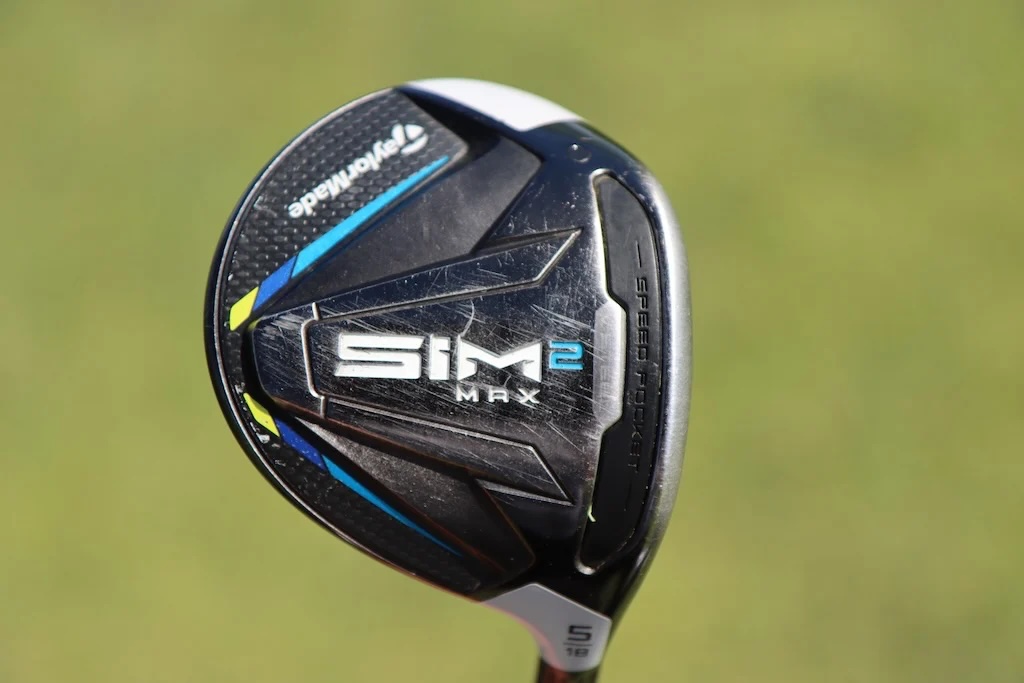
5-wood: TaylorMade SIM2 Max (18 degrees)
Shaft: Project X HZRDUS Smoke Black RDX 80 TX
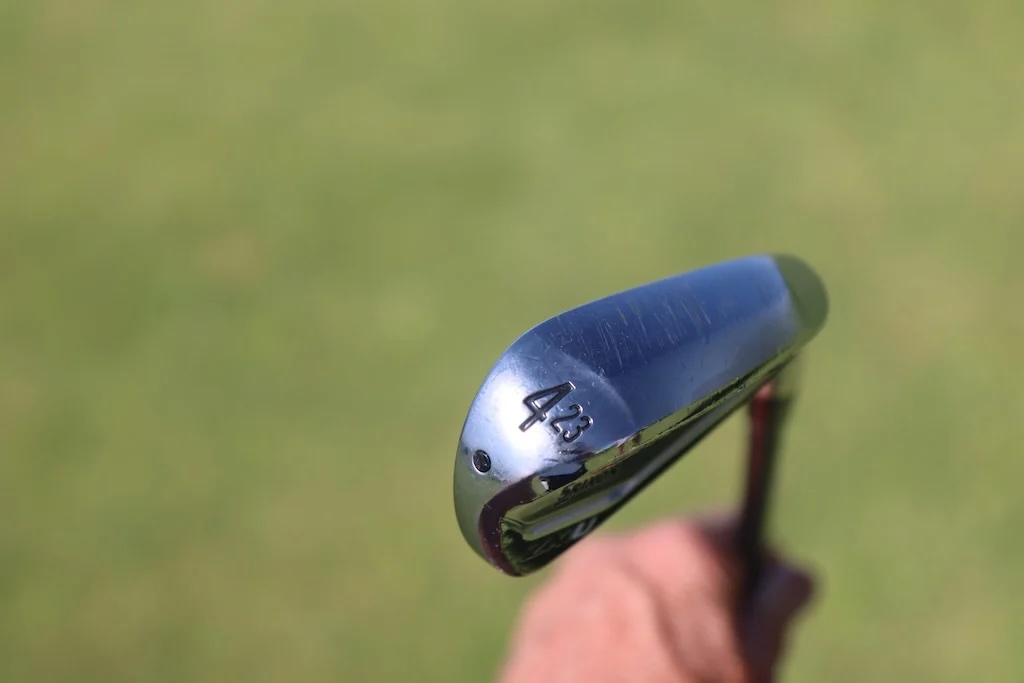
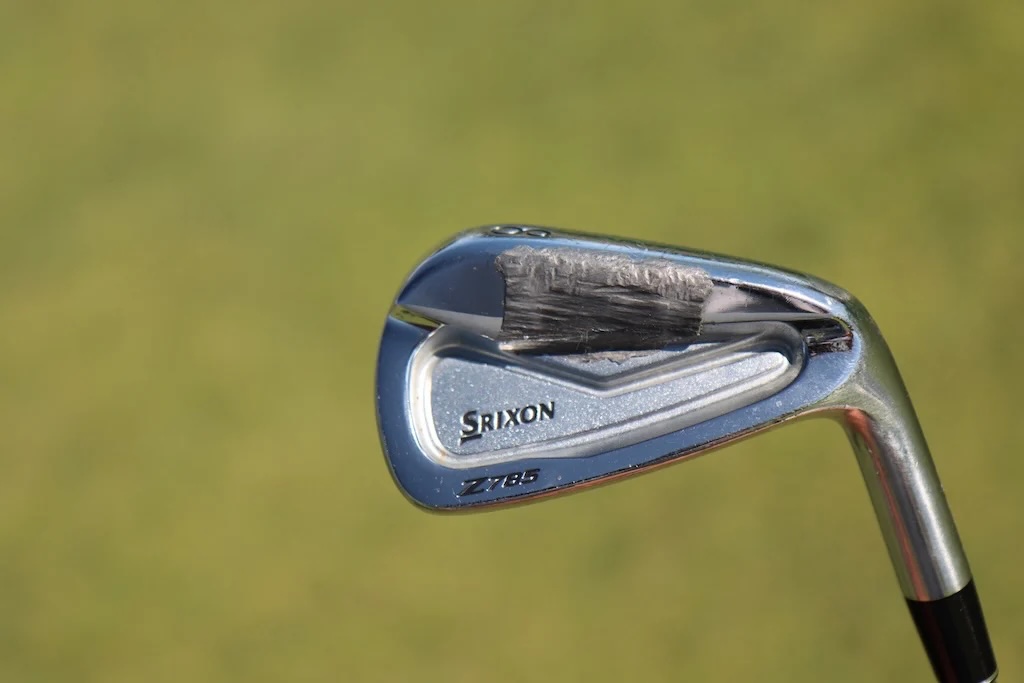
Irons: Srixon ZXiU (23 degrees), Srixon Z785 MB (5-PW)
Shafts: Project X HZRDUS Smoke Black RDX 100 6.5 (4), KBS Tour 130 X
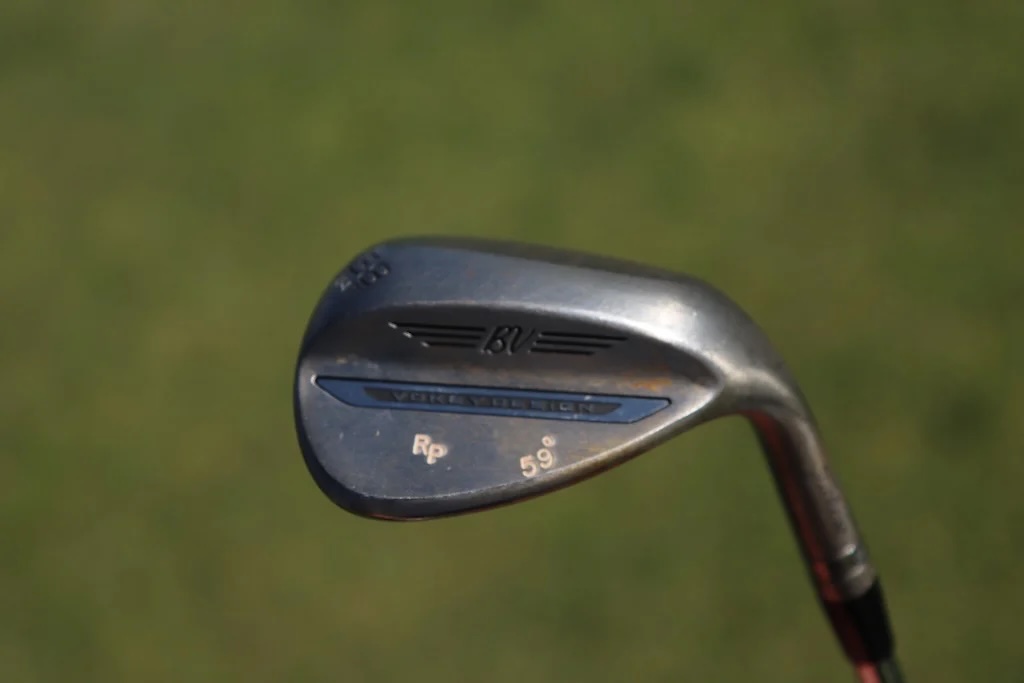
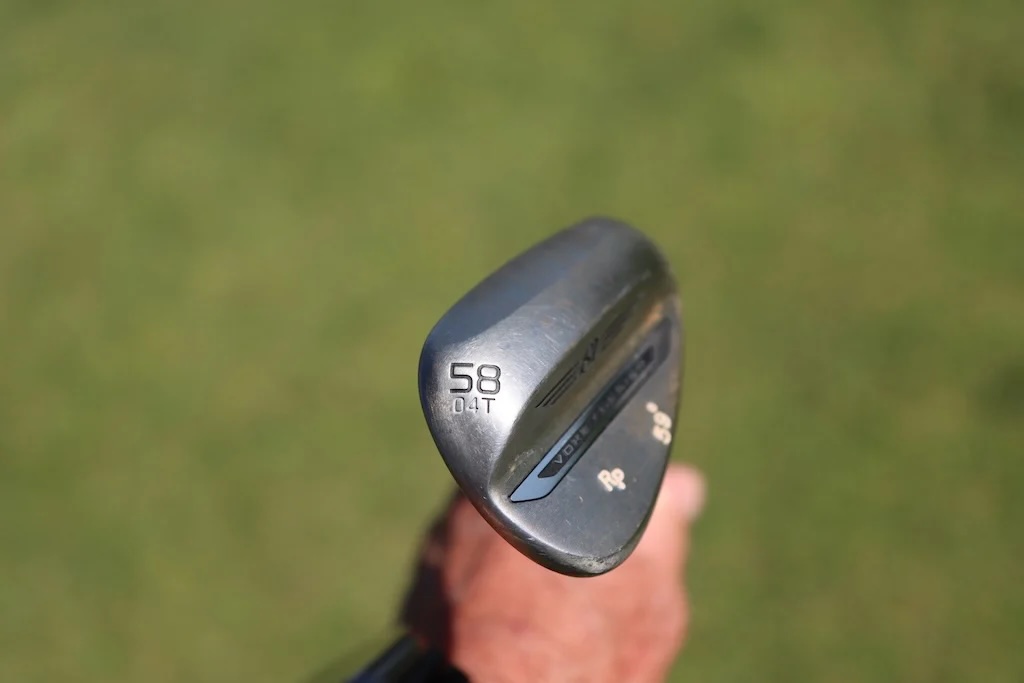
Wedges: Titleist Vokey Design SM11 (50-08F, 54-10S, 58-04T @59)
Shafts: KBS Tour 130 X
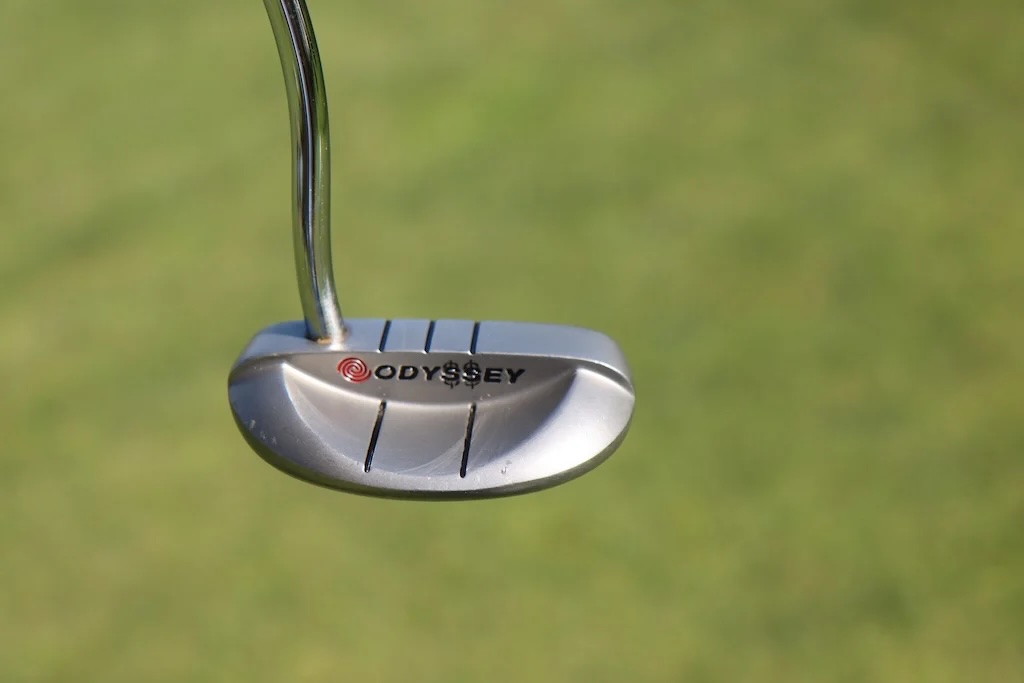
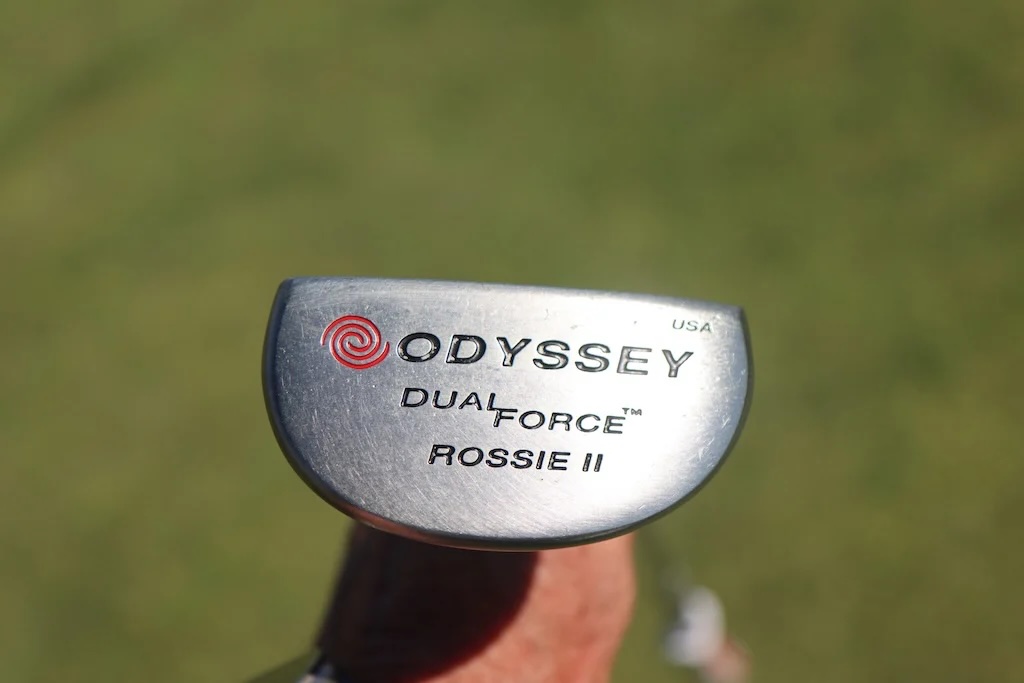
Putter: Odyssey Dual Force Rossie II
Ball: Titleist Pro V1x
Grips: Golf Pride Tour Velvet

What’s the story behind Webb Simpson’s custom-stamped irons?

Memorial Tournament Tour Report: Rory McIlroy, Cameron Young switch up drivers, and more

Cadillac Championship Tour Report: Spieth’s sizable changes, McLaren Golf launches, and more

Russell Henley’s winning WITB: 2026 Charles Schwab Challenge

Kristoffer Reitan’s winning WITB: 2026 Truist Championship

Best irons 2026: Best irons overall, most forgiving irons, and more

J.T. Poston’s winning WITB: 2026 Memorial Tournament

Aaron Rai’s winning WITB: 2026 PGA Championship

Cameron Young’s winning WITB: 2026 Cadillac Championship

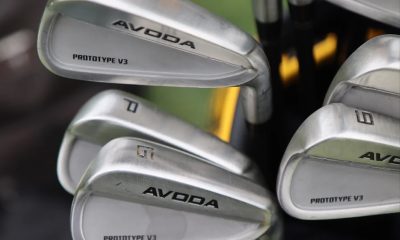
Details on Jason Day’s latest prototype Avoda iron setup


Ryan Palmer WITB 2026 (June)
Driver: Callaway Quantum Triple Diamond (9 degrees) Shaft: Project X HZRDUS Smoke Blue RDX 60 TX 3-wood: TaylorMade Qi10 (15 degrees) Shaft:...


Bud Cauley WITB 2026 (June)
Bud Cauley had >14 clubs in his bag when photographed prior to the Memorial Tournament. Driver: Titleist GTS2 (8 degrees) Shaft: Fujikura...


Hannah Green WITB 2026 (June)
Driver: Titleist GTS3 (10 degrees, D4 SureFit setting) Shaft: Mitsubishi Chemical Diamana RB 53 S 3-wood: Titleist GT3 (15 degrees,...


Asterisk Talley WITB 2026 (June)
Driver: TaylorMade Qi4D (9 degrees) Shaft: Fujikura Ventus Blue 6 S 3-wood: TaylorMade Qi4D (16.5 degrees) Shaft: Fujikura Ventus Blue...
-
 Equipment6 days ago
Memorial Tournament Tour Report: Rory McIlroy, Cameron Young switch up drivers, and more
-
 News2 weeks ago
Russell Henley’s winning WITB: 2026 Charles Schwab Challenge
-
 Equipment3 days ago
Best irons 2026: Best irons overall, most forgiving irons, and more
-
 Whats in the Bag4 days ago
J.T. Poston’s winning WITB: 2026 Memorial Tournament
-
 Equipment1 week ago
Details on Jason Day’s latest prototype Avoda iron setup
-
 Equipment3 weeks ago
CJ Cup Byron Nelson Tour Report: Koepka and Kim’s newest putters finally get hot
-

 News2 weeks ago
Charles Schwab Challenge Tour Report: MacIntyre, Åberg and Spaun all switch putters, TaylorMade launches new Spider
-
 Equipment2 weeks ago
Details on J.J. Spaun’s surprise putter switch


Phil
Jan 29, 2017 at 4:15 pm
Tyne or kushin? anyone have feedback? I was thinking the tyne for MOI boost, but i have a scotty squareback that i love the headshape of so the kushin would be an easier switch.
Marcello
Jan 26, 2017 at 2:17 pm
Hit the Kushin and it was great. The insert is the evolution of the TR design.
I’m ordering one.
Mat
Jan 26, 2017 at 5:12 am
You listed the Kinloch C twice.
Dave R
Jan 25, 2017 at 9:43 pm
What’s with the inserts . Awful looking
Mr.Nodoubt
Jan 25, 2017 at 4:43 pm
There’s about 4 models I want.
Christopher
Jan 25, 2017 at 1:48 pm
Not sure about the look of the insert (it doesn’t really go with a $200 putter), but it’s fantastic to see the Tess back in the line-up.