
Equipment
Ping Glide 2.0 wedges: What you need to know

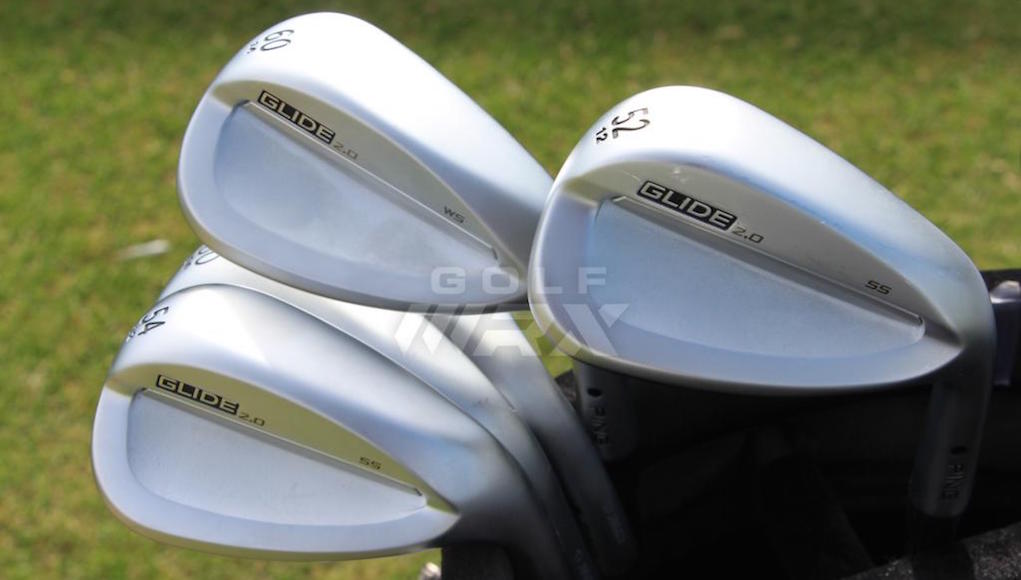
Ping’s Glide 2.0 wedges are the sequel to the company’s original Glide wedges, which were released in 2015 to critical acclaim. With big shoes to fill, the Glide 2.0’s are pushing the boundaries of groove sharpness, and offer several other upgrades over the originals to help improve performance and feel.
The Glide 2.0 wedges are currently available for pre-order: $150 per wedge with a steel shaft, $175 per wedge with a graphite shaft. Here are 6 more things you need to know about them.
1) Sharper Grooves, and More of Them
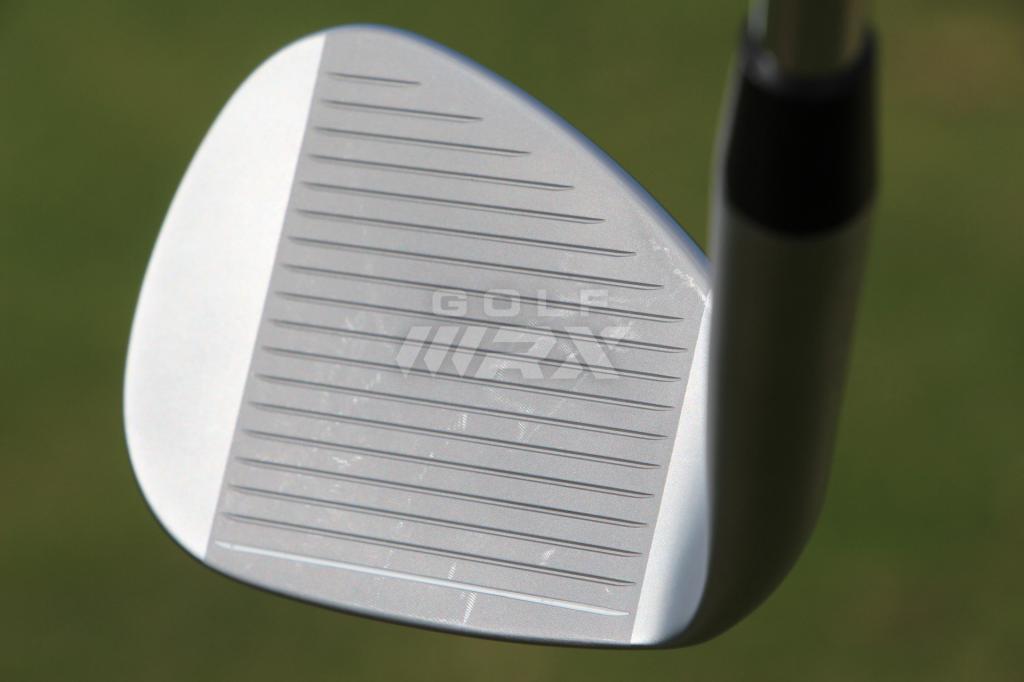
Ever since the USGA rolled back its rules on grooves at the turn of the decade, eliminating “square grooves,” golf equipment companies have been looking to create higher-spinning wedges through other means. With its Glide 2.0 wedges, Ping has upped the sharpness and number of its grooves to give golfers more spin. The company says the new grooves have “sharper groove edges than any previous Ping wedge.”
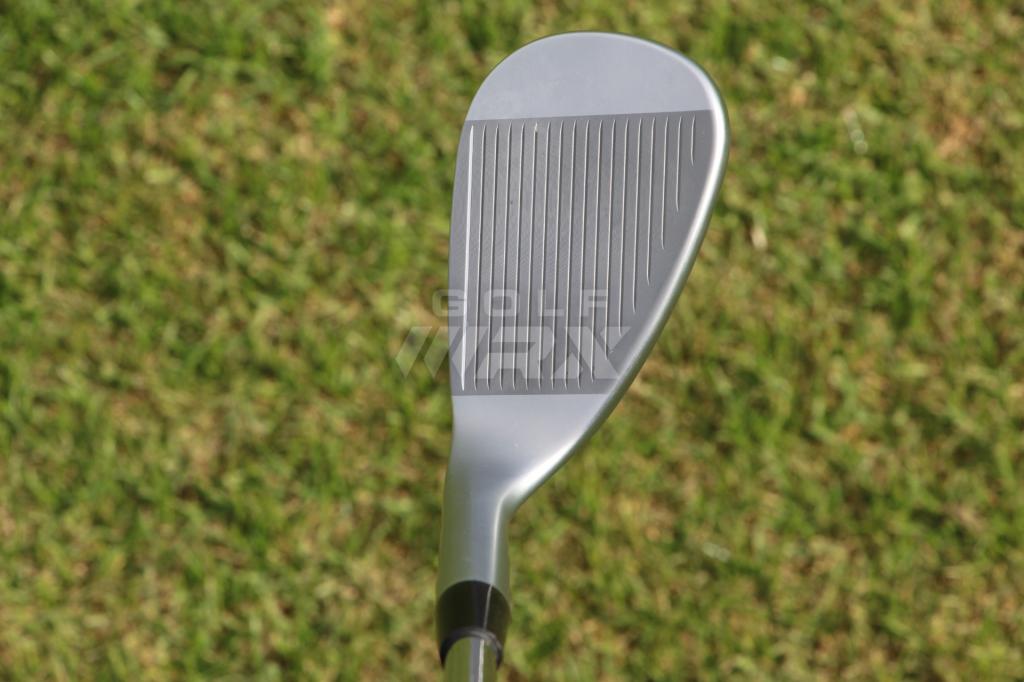
Working within the USGA’s groove rules, Ping uses a wheel-cut milling process to create the sharper groove edges, which interact more with the cover of the ball to produce more friction at impact… and thus more spin.
Ping also uses different groove designs based on a wedge’s loft.
- The lower-lofted wedges (46, 50 and 52 degrees) have 20-degree groove sidewalls with a 0.005-inch edge radius to improve full-shot performance.
- The higher-lofted wedges (54, 56, 58 and 60 degrees) have 28-degree sidewalls with a 0.004-inch edge radius to impart more spin on shots around the green.
The company also spaced its grooves closer together so it could add an additional groove to its lower-lofted wedges, and two additional grooves to its higher-lofted wedges. For average golfers and Tour players alike, the results will be more spin and consistency. Golfers should also see a slightly lower launch angle and a more penetrating flight, according to Ping.
“These grooves are better than square grooves,” says Marty Jertson, Senior Club Designer at Ping. “And they’re very close to the [legal] limit.”
2) Hydropearl Finish, 431 Stainless Steel
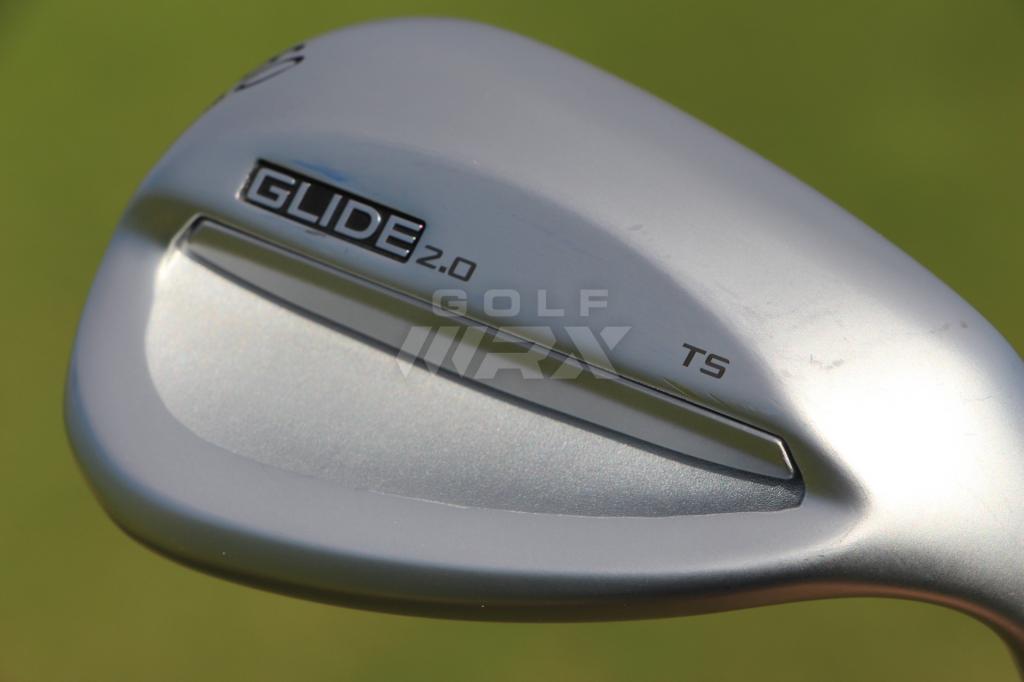
Ping used to design its wedges with what it called a “blast” finish, but the company discovered that a new “hydropearl” finish works better to fend off water and grass at impact, leading to more consistency.
The new finish has a high degree of “hydrophobicity,” or its ability to repel water. The finish is especially beneficial for golfers when they’re playing from thick grass, wet grass or in the morning dew.
Like the original Glide wedges, Glide 2.0 wedge heads are cast from 431 stainless steel.
3) Bounce Remains an Issue, Ping Clears It Up
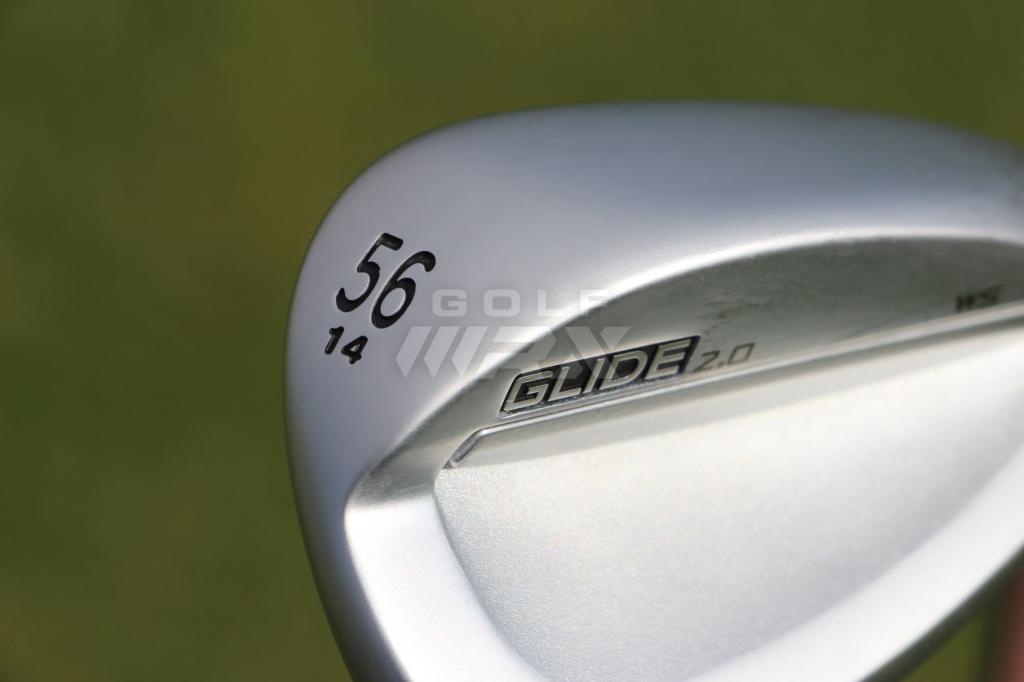
The two hottest issues in golf when it comes to wedges are grinds and bounce. Despite all the industry talk about those two words in recent years, Ping data suggests most golfers are still confused about them.
In an effort to clear it up, Ping has decided to advertise the bounce number on its wedges. The company encourages golfers to “use the bounce,” and make sure to get fit into a wedge that has the right bounce for their game and typical playing conditions.
4) All Four Grinds Available
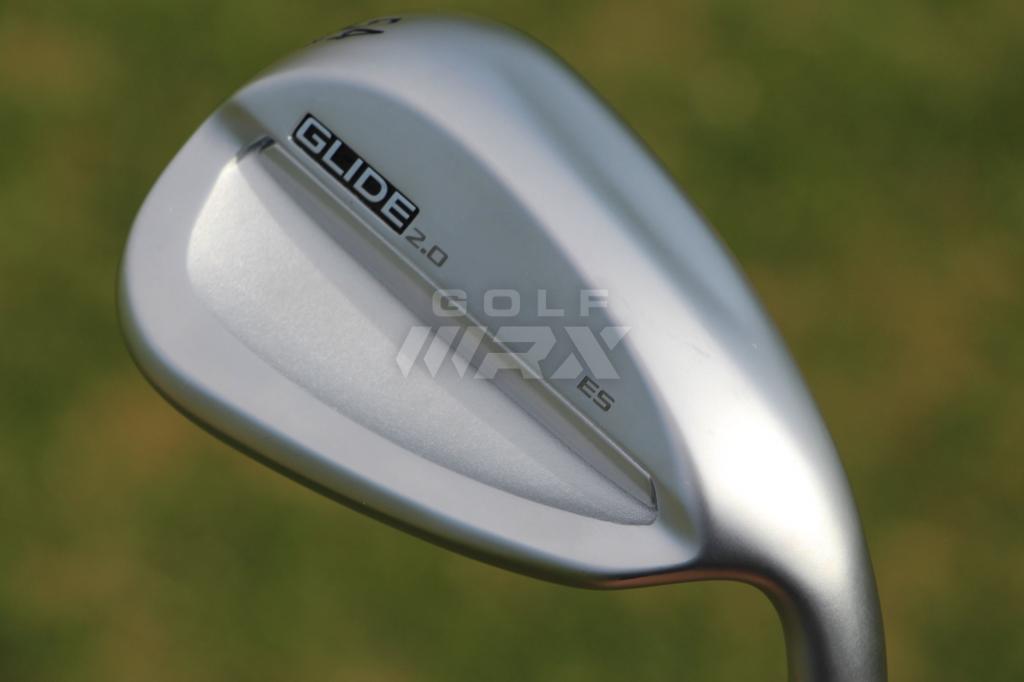
When Ping launched its original Glide wedges, it at first only released its three most popular grinds: Wide Sole (WS), Standard Sole (SS) and Thin Sole (TS). A few months later, it added its specialized Eye Sole (ES) grind. With the launch of the Glide 2.0 wedges, all four grinds are being offered from the start.
The ES (available in 54-08, 56-08, 58-08 and 60-08) is a bunker-specific grind inspired by the company’s Eye 2 wedge that can help golfers find more consistency. Its leading edge is made a bit sharper than Ping’s other wedges, but its sole has more bounce. That encourages the sole to dip below the below the surface of the sand and then glide through, which is particularly helpful on open-face shots from the sand or rough. Its thinner hosel also more easily moves through the sand, especially when the face is positioned opened.
Ping also made updates to the other three grind options in the line.
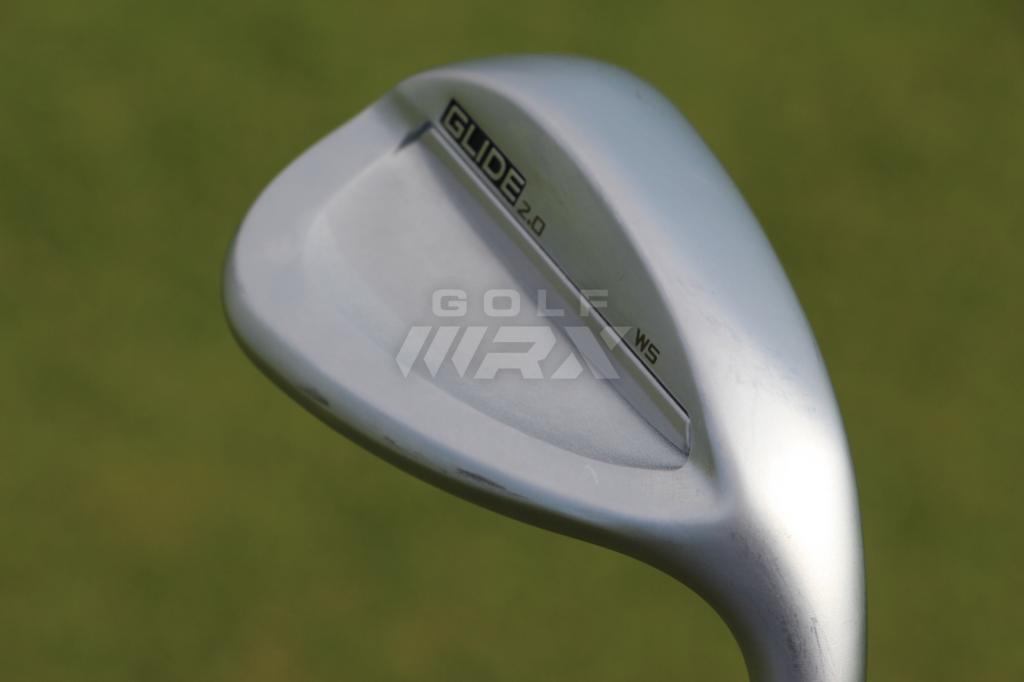
WS (56-14, 58-14, 60-14): The already wide sole has been widened, but the bounce has been toned back by 1 degree compared to the original “WS” design. The new sole will be especially effective in powdery or fluffy sand, according to Ping.
TS (58-06, 60-06): After much testing with Tour players, a lot of research and many prototypes, Ping’s WRX-inspired half-moon sole design was implemented into the TS grind in the Glide 2.0 wedges. It has much more heel and toe relief than the original TS grind.
SS (46-12, 50-12, 52-12, 54-12, 56-12, 58-10, 60-10): The standard sole, which is the best grind for the majority of golfers, underwent only minor changes to the heel relief and leading edge. Ping says the changes make them glide even a little more easily through the turf and sand than the original models.
5) Ping Encourages You to Grip Down
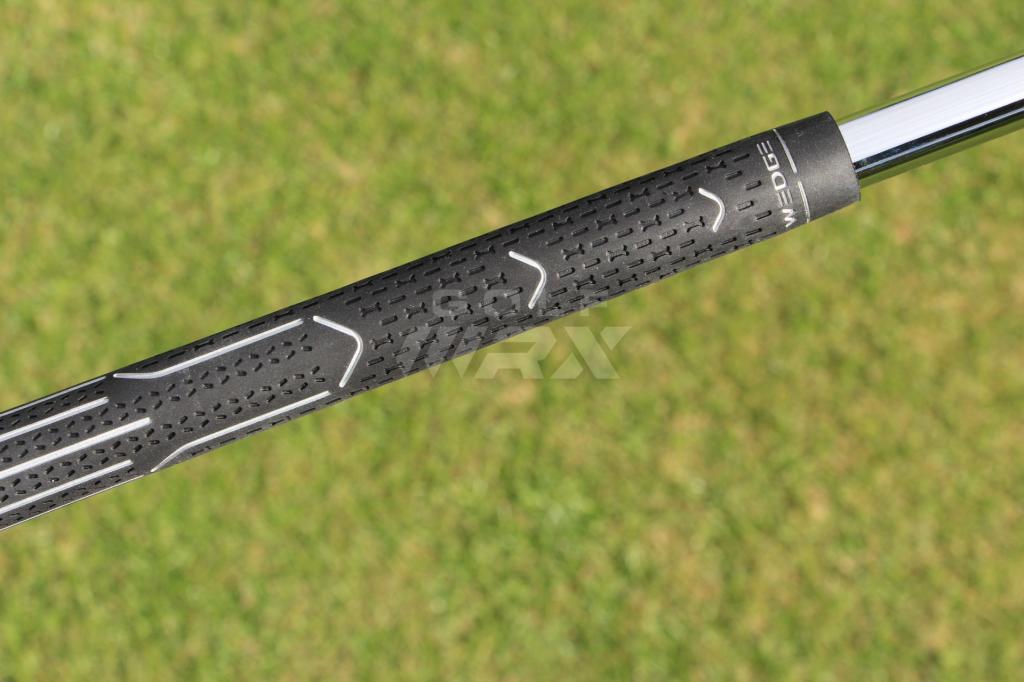
As seen on the original Glide wedge, the Glide 2.0 come with a grip that’s longer than your typical club grip — it measures about 0.75 inches longer than a typical grip. That’s because the company encourages golfers to grip down on the club more often to improve distance and club face control, and the lengthened grip allows golfers to do so.
6) Shafts, Specs and More
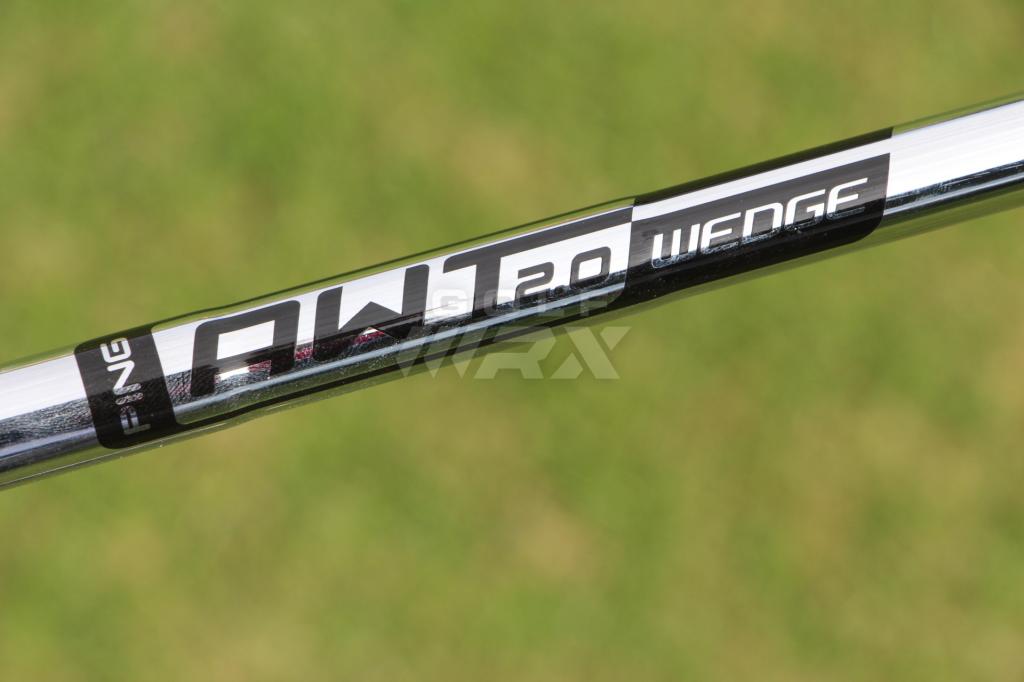
Glide 2.0 wedges come stock with a custom-engineered AWT 2.0 Wedge shaft that is optimized in weight (118 grams), flex and balance for wedge shots, according to Ping. Also available at no upcharge are the KBS Tour, True Temper Dynamic Dynamic Gold, Nippon N. S. Pro Modus 3 105, XP 95, and Project X shafts.
See more photos of the Glide 2.0 wedges in our forums, and join the discussion.









At GolfWRX, we are a community of like-minded individuals who all experience and express our enjoyment of the game in many ways.
It’s that sense of community that drives day-to-day interactions in the forums on topics that range from best driver to what marker you use to mark your ball. It even allows us to share another thing we all love – buying and selling equipment.
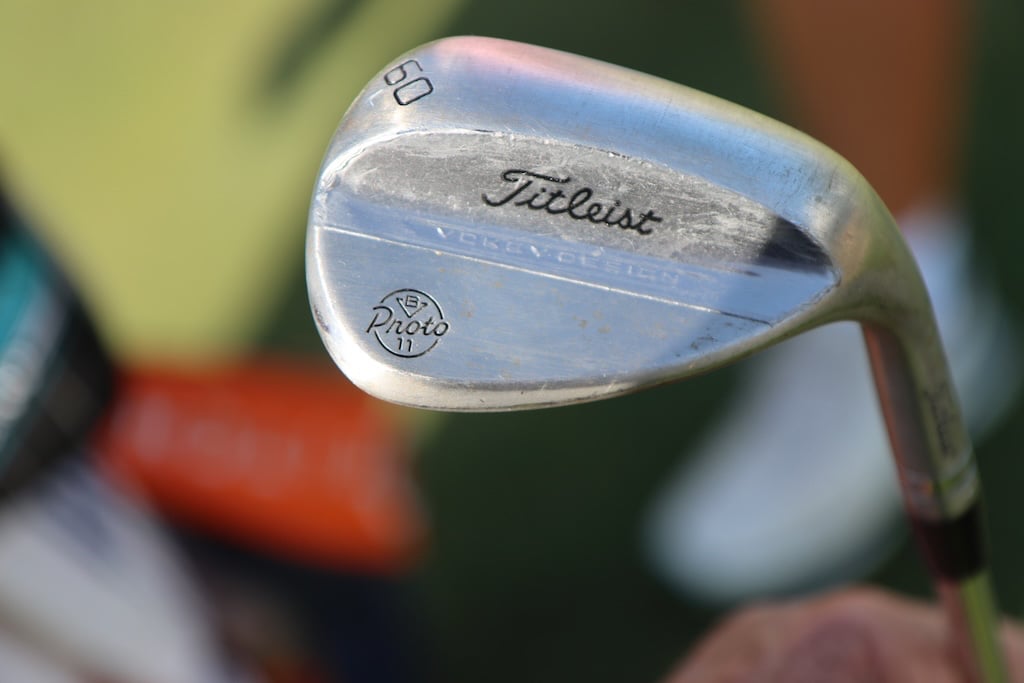
Currently, in our GolfWRX buy/sell/trade (BST) forum, @Putt4Dough is selling some prototype wedges from Vokey Wedgeworks. These include a 54 degree wedge with the M grind and a 60 degree wedge with a T grind.
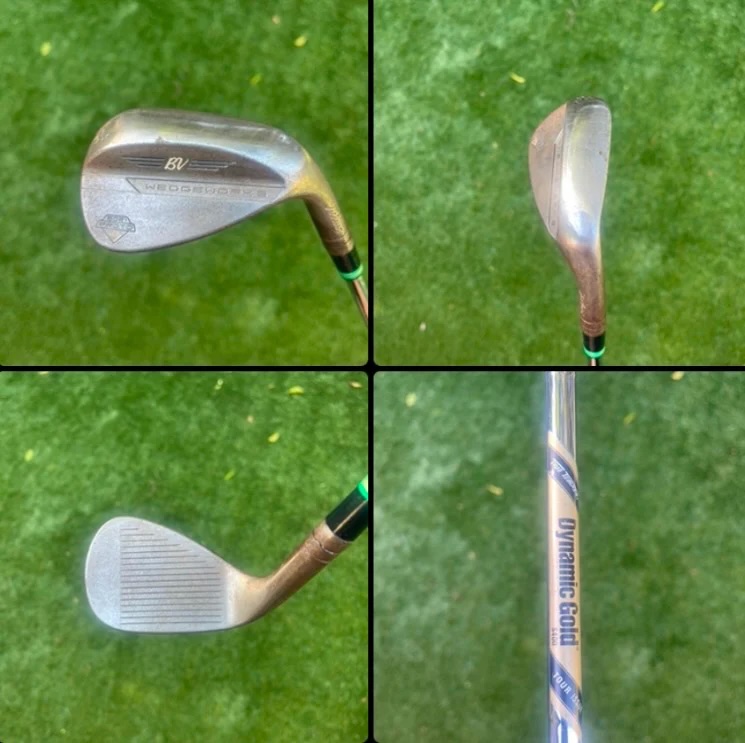
From the listing:
(1) Titleist Vokey Proto Wedge 54M with a Tour Issue DGS400 shaft and Golf Pride Tour Velvet (logo down). Standard length, lie, and loft. BB&F ferrule. Raw wedge in good condition. No initials. Price is $200 shipped. Buy both wedges for $380 shipped.
(2) Titleist Vokey Proto Wedge 60T with a KBS Tour 130X shaft and Golf Pride Tour Velvet. Standard length, lie, and loft. Raw wedge in good condition. No initials. Price is $200 shipped. Buy both wedges for $380 shipped.
To check out the full listing in our BST forum, head through the link. If you are curious about the rules to participate in the BST Forum, you can learn more here: GolfWRX BST Rules.
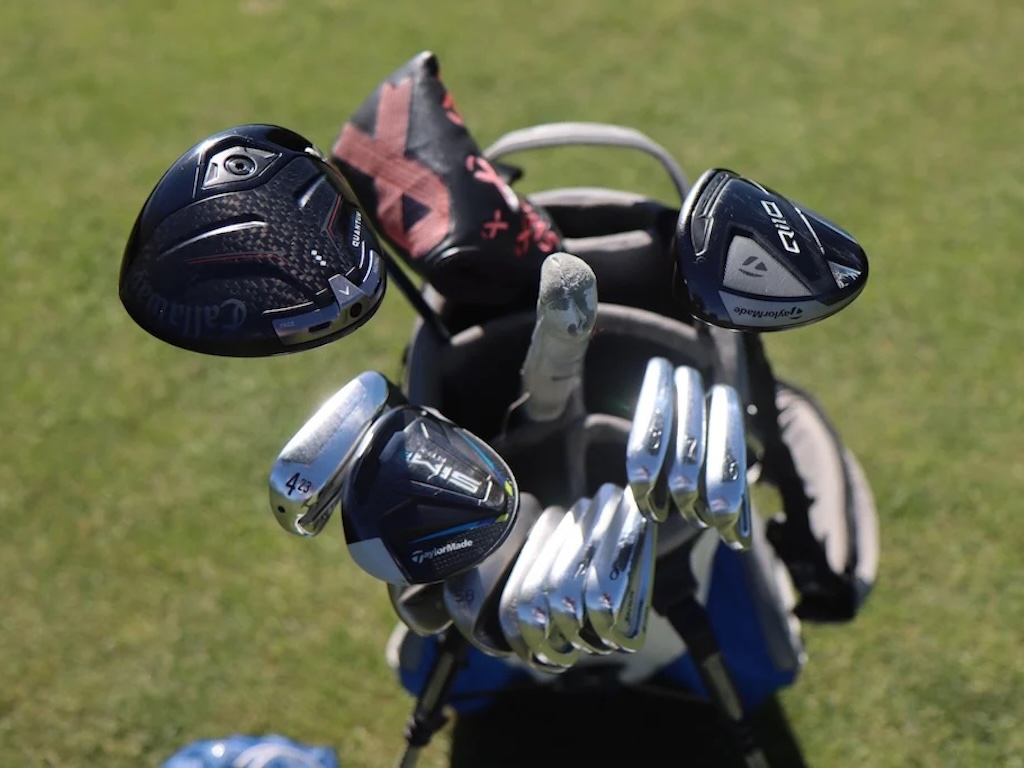
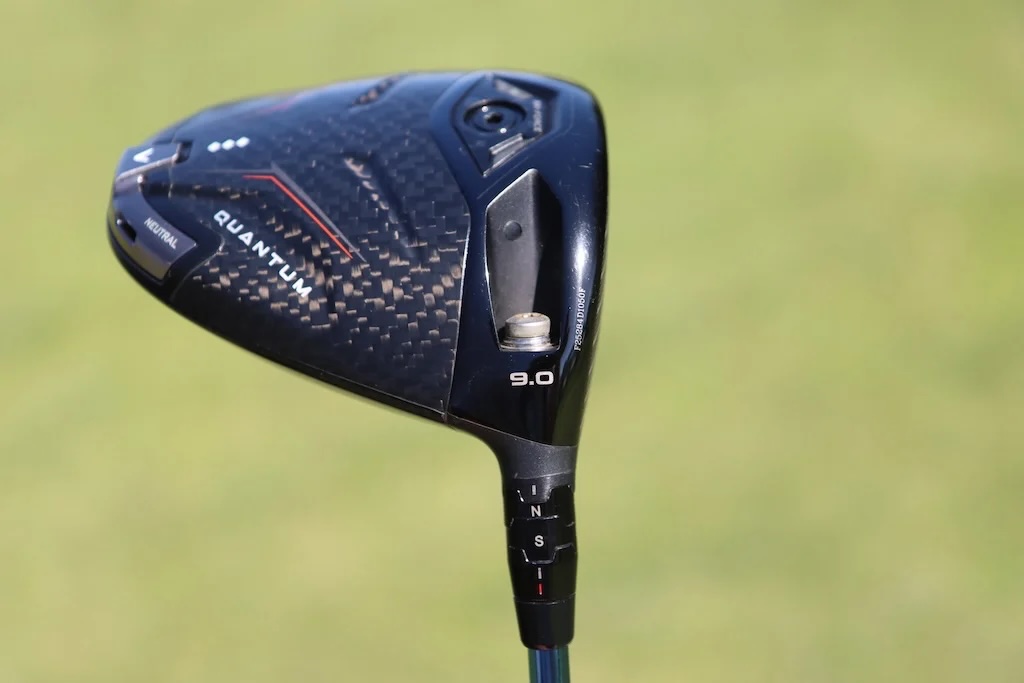
Driver: Callaway Quantum Triple Diamond (9 degrees)
Shaft: Project X HZRDUS Smoke Blue RDX 60 TX
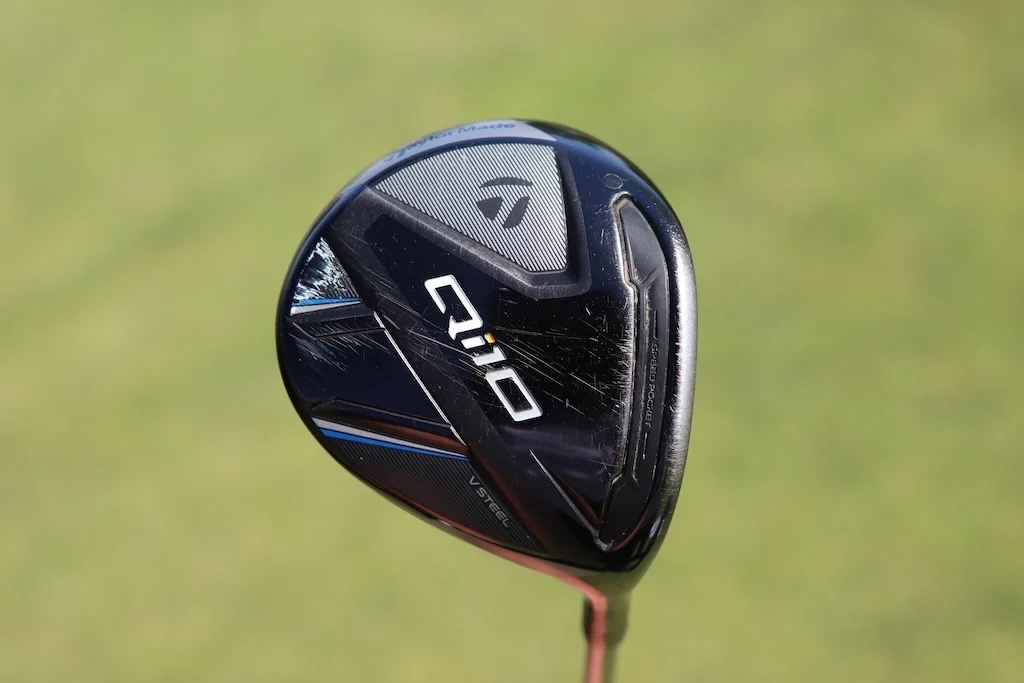
3-wood: TaylorMade Qi10 (15 degrees)
Shaft: Project X HZRDUS T1100 70 6.5
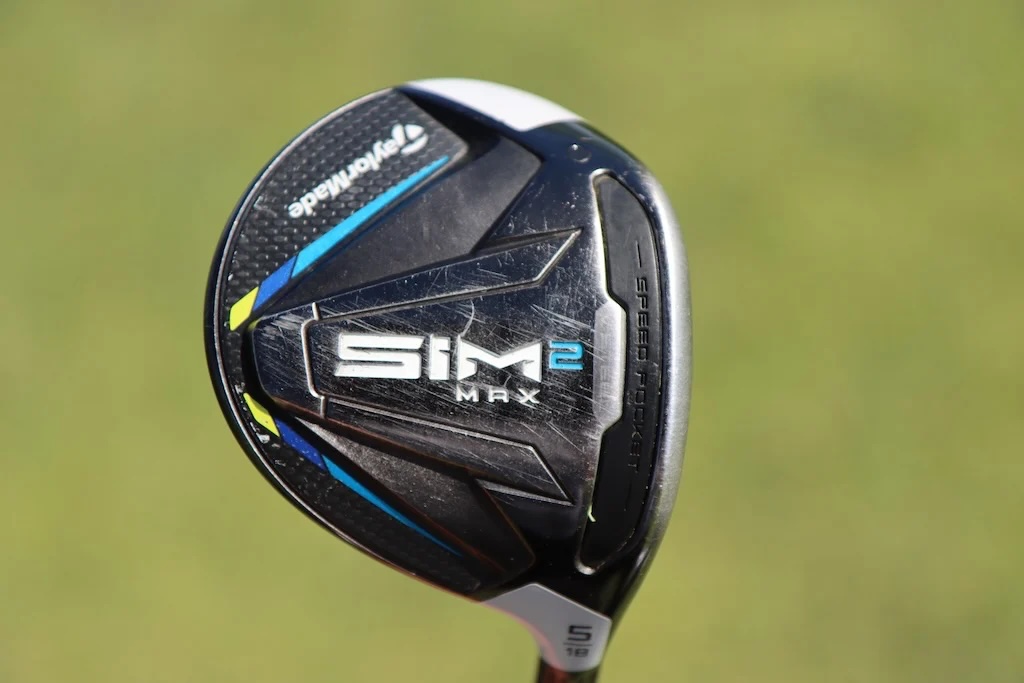
5-wood: TaylorMade SIM2 Max (18 degrees)
Shaft: Project X HZRDUS Smoke Black RDX 80 TX
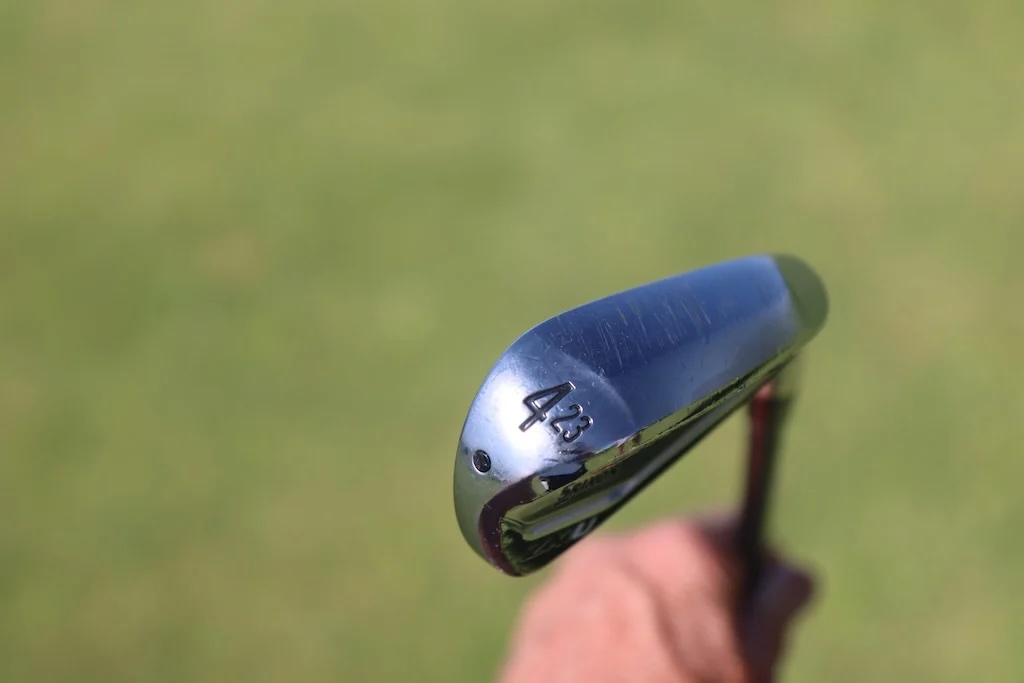
Irons: Srixon ZXiU (23 degrees), Srixon Z785 MB (5-PW)
Shafts: Project X HZRDUS Smoke Black RDX 100 6.5 (4), KBS Tour 130 X
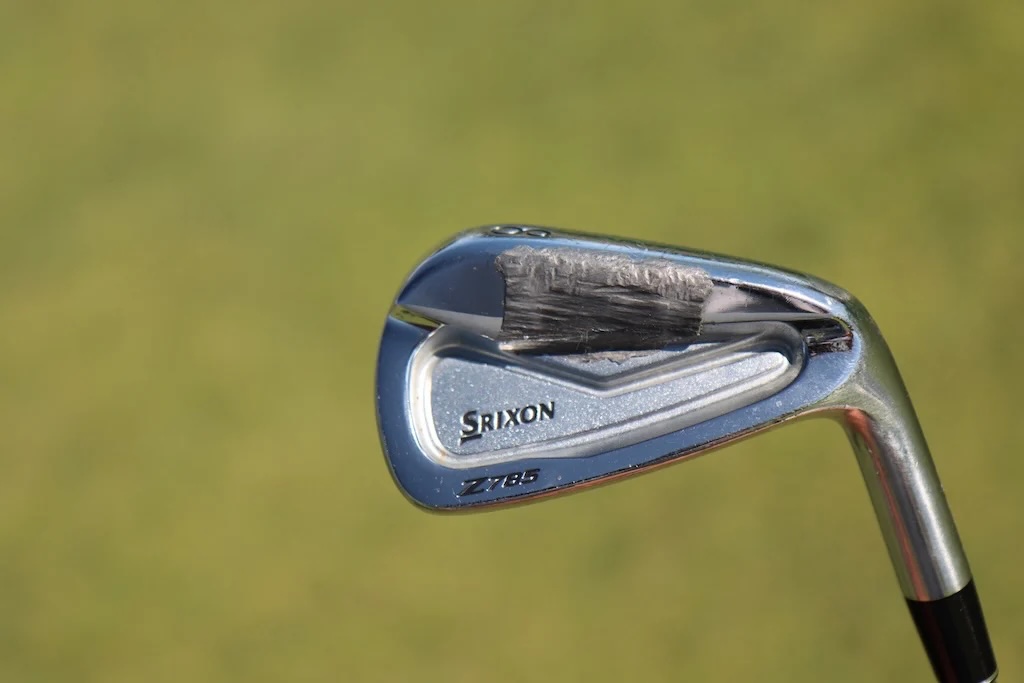
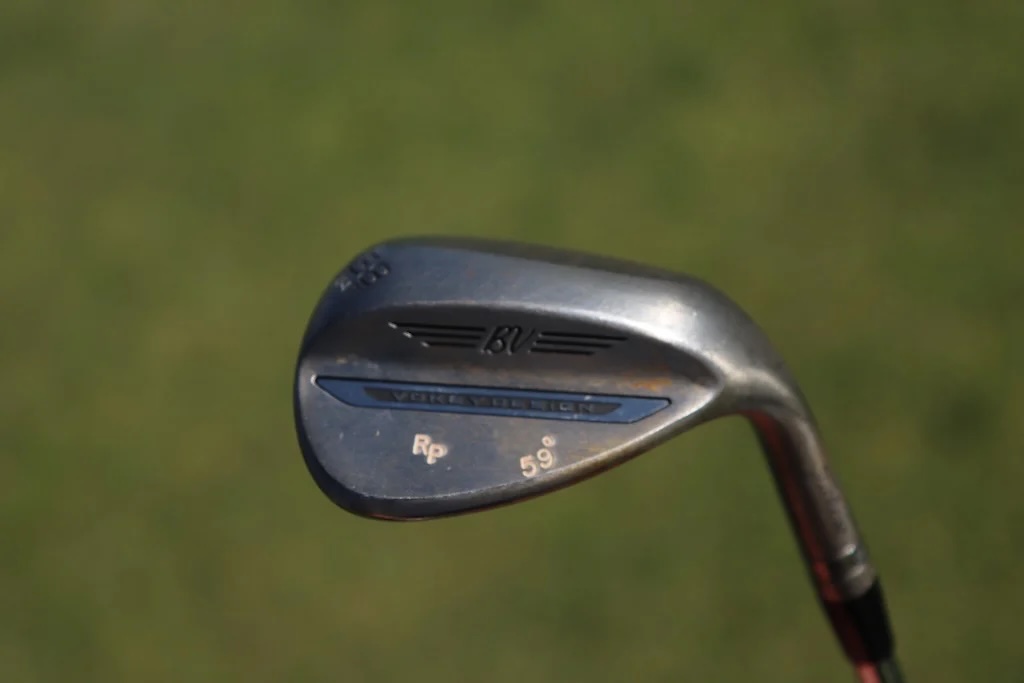
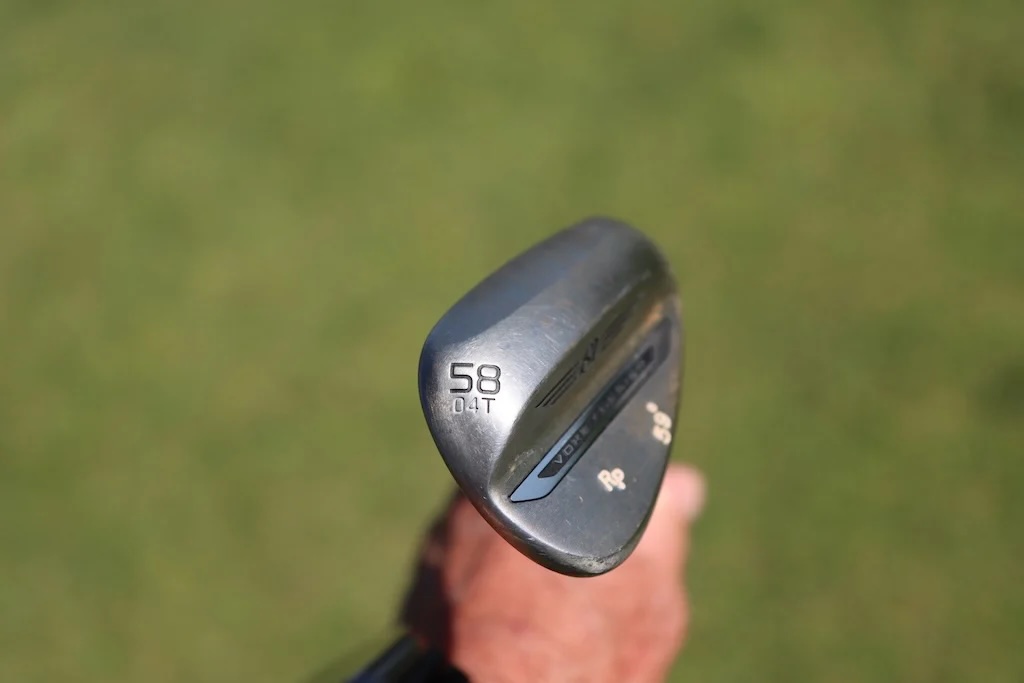
Wedges: Titleist Vokey Design SM11 (50-08F, 54-10S, 58-04T @59)
Shafts: KBS Tour 130 X
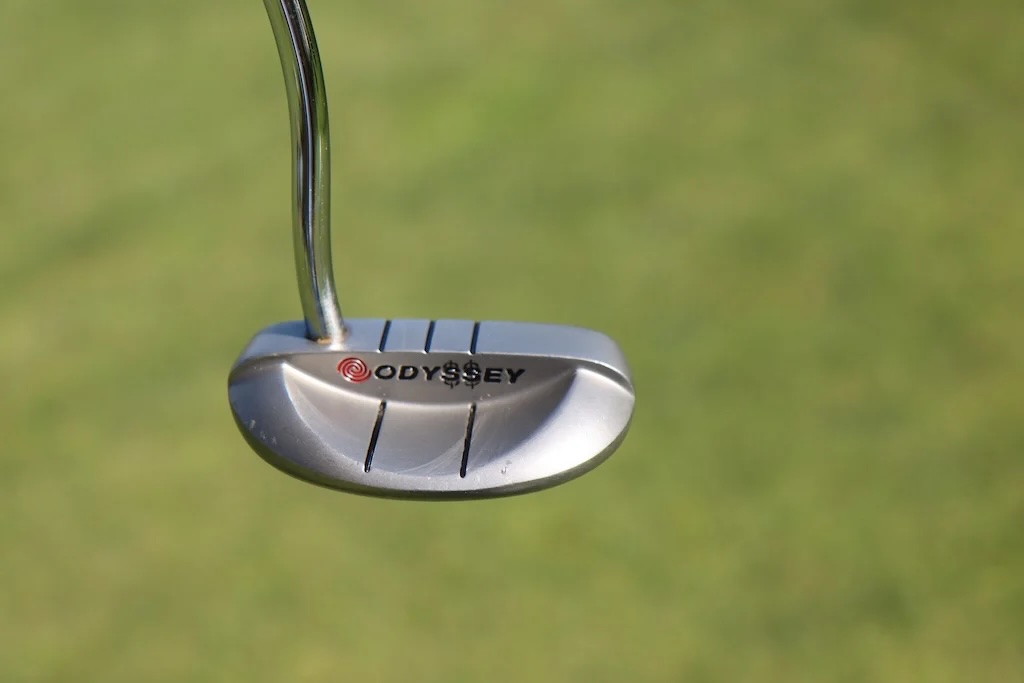
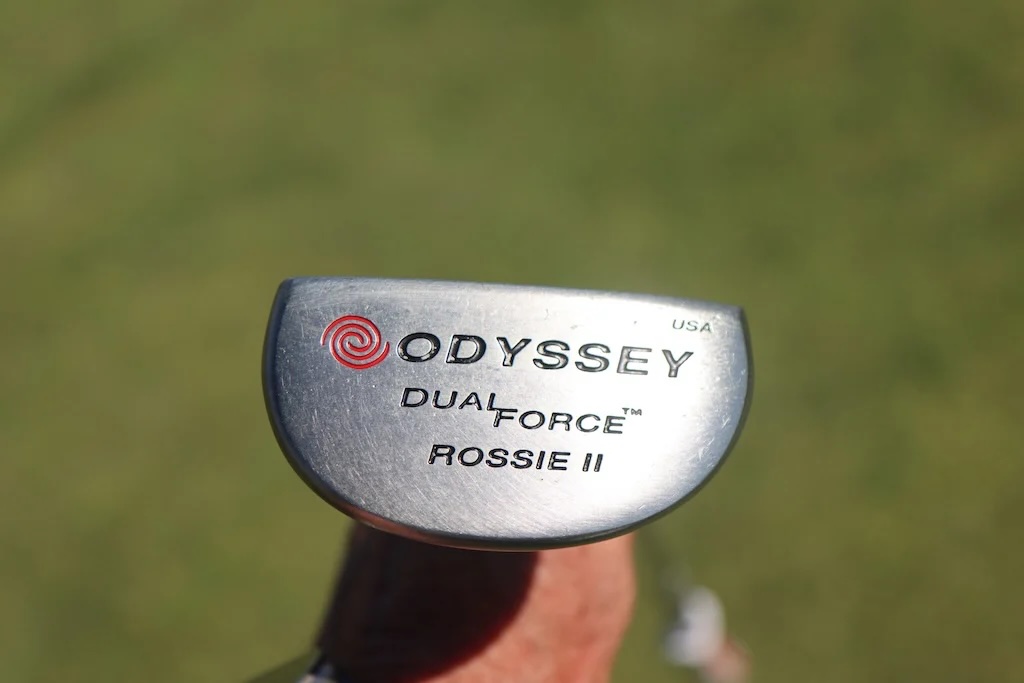
Putter: Odyssey Dual Force Rossie II
Ball: Titleist Pro V1x
Grips: Golf Pride Tour Velvet


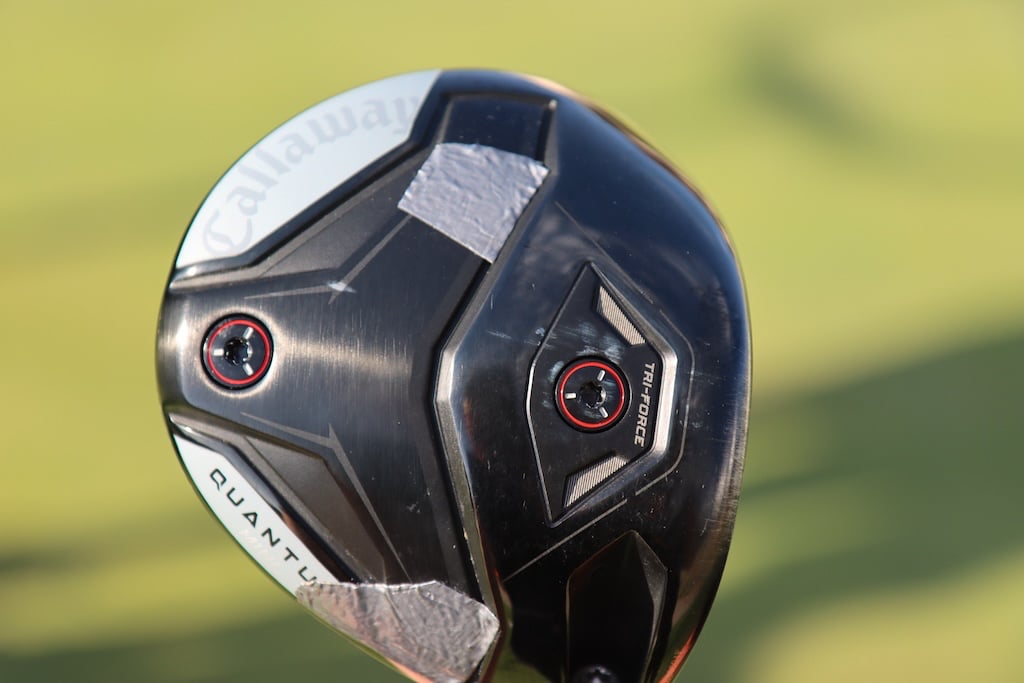
This week, we have our Tour Photographer, Greg Moore, on the ground at the OccuNet Classic at Tascosa Golf Club in Amarillo, Texas, for the 14th event of the 2026 Korn Ferry Tour season. With that, we see some great things in the Lead Tape Report as we roll into Amarillo.
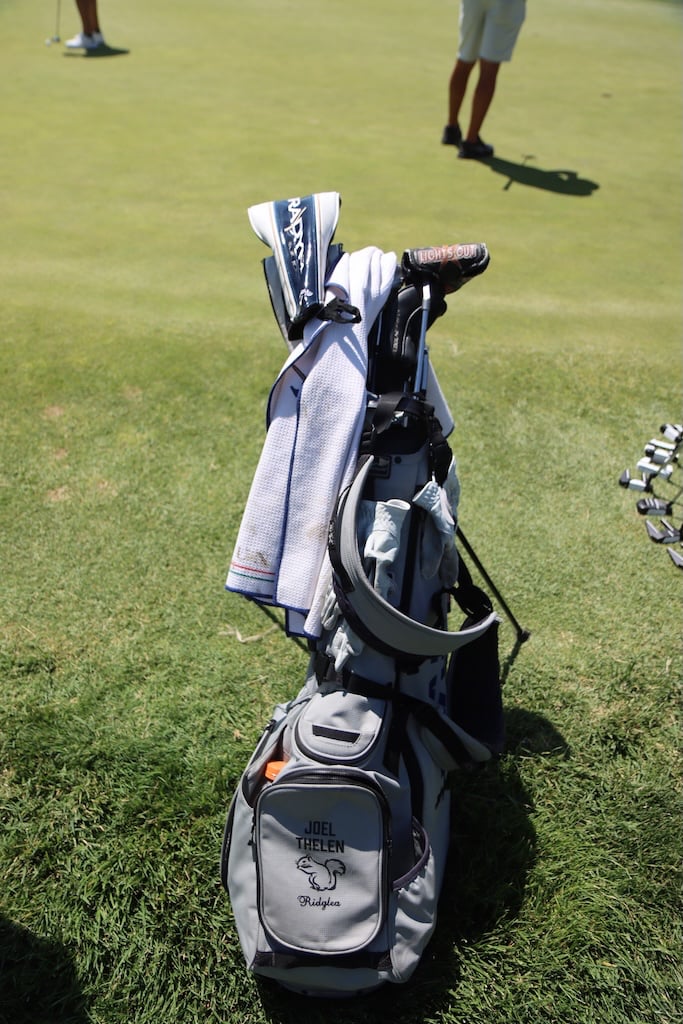
Joel Thelen
Monday Qualifier, Joel Thelen is in the field this week. He has played on the Korn Ferry Tour for a full season in 2023, and he is back in action this week. A couple of clubs caught my eye this week in his bag.
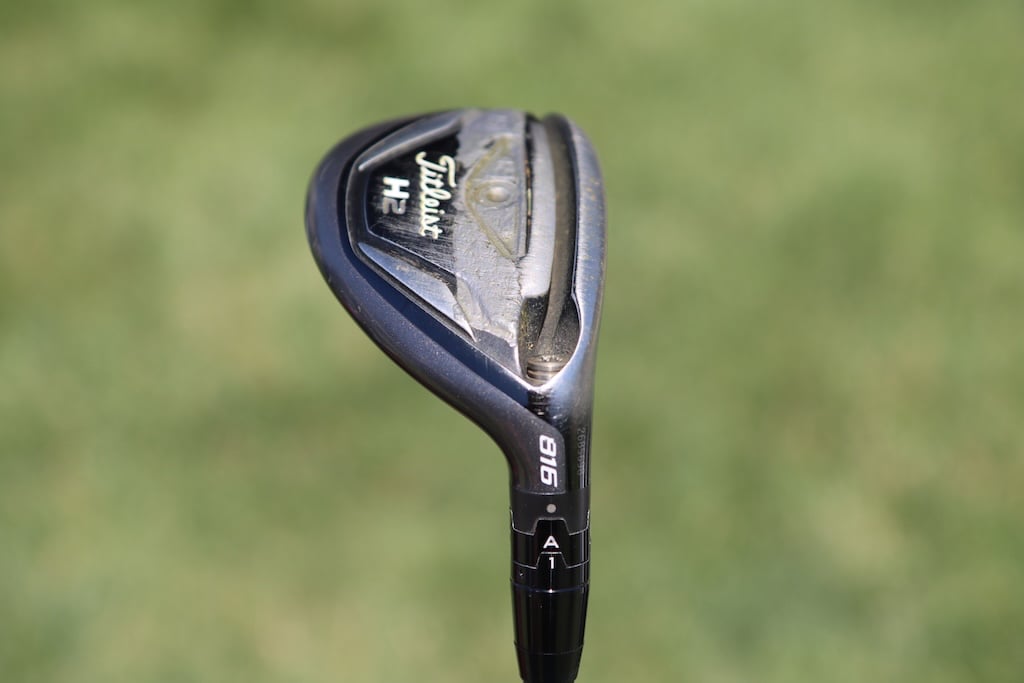
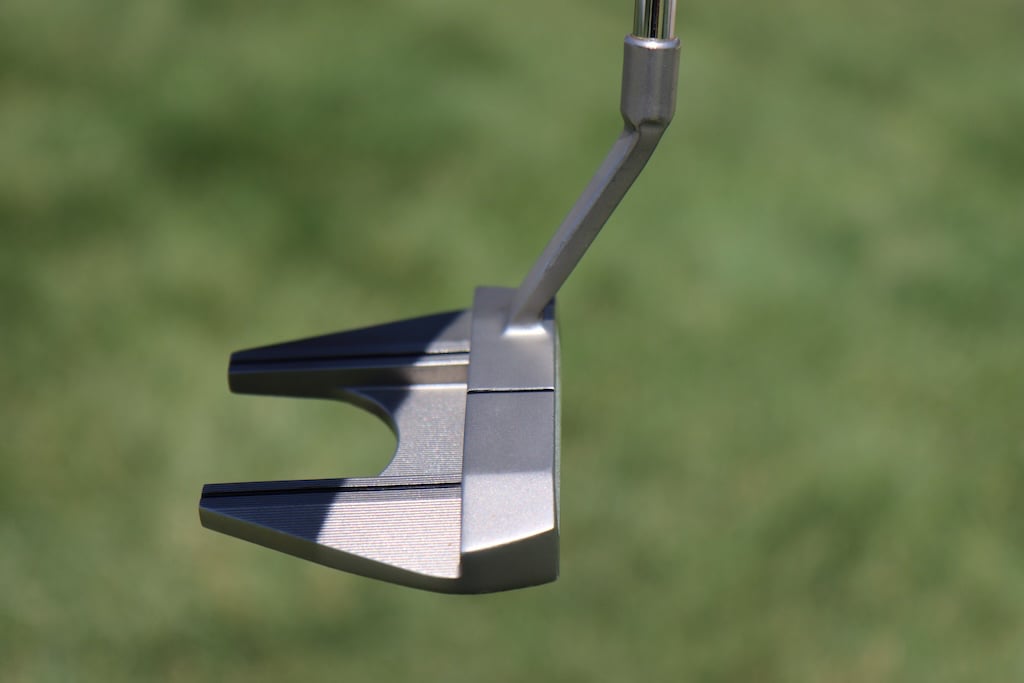
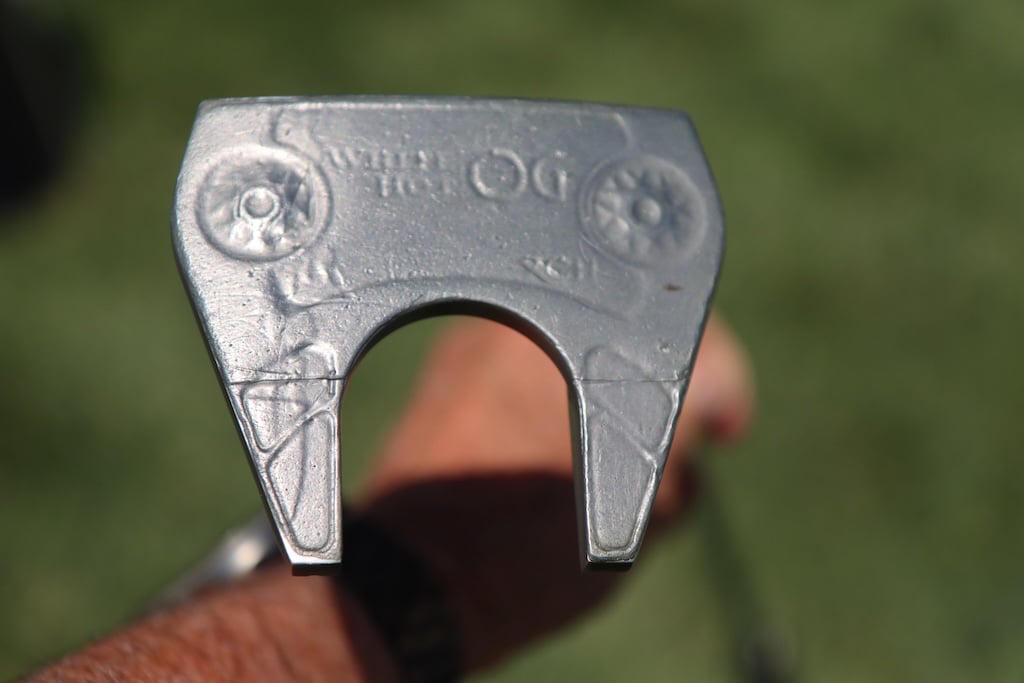
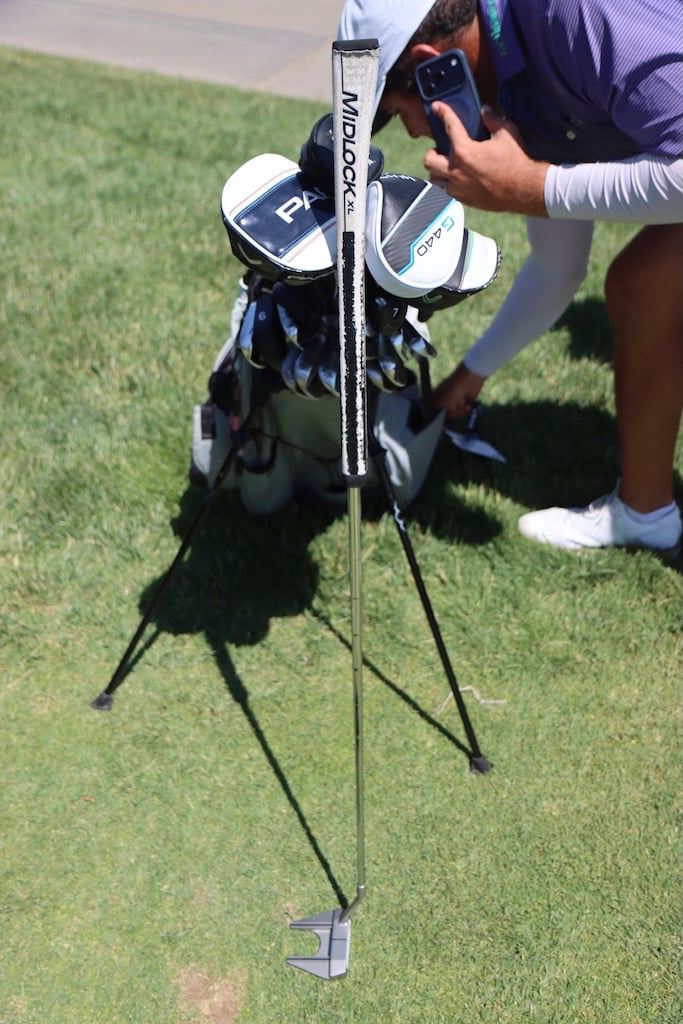
First off: His trusted Titleist 816 H2 hybrid. This club came out in October of 2015, and it still remains strong in the bag. Also, take a look at this Odyssey White Hot OG 7, putting a capital S in the 7S model. This custom neck has some impressive lean for an arm-lock-style putter. The bottom of the putter is covered in tape for optimal weighting.
Mitchell Meissner
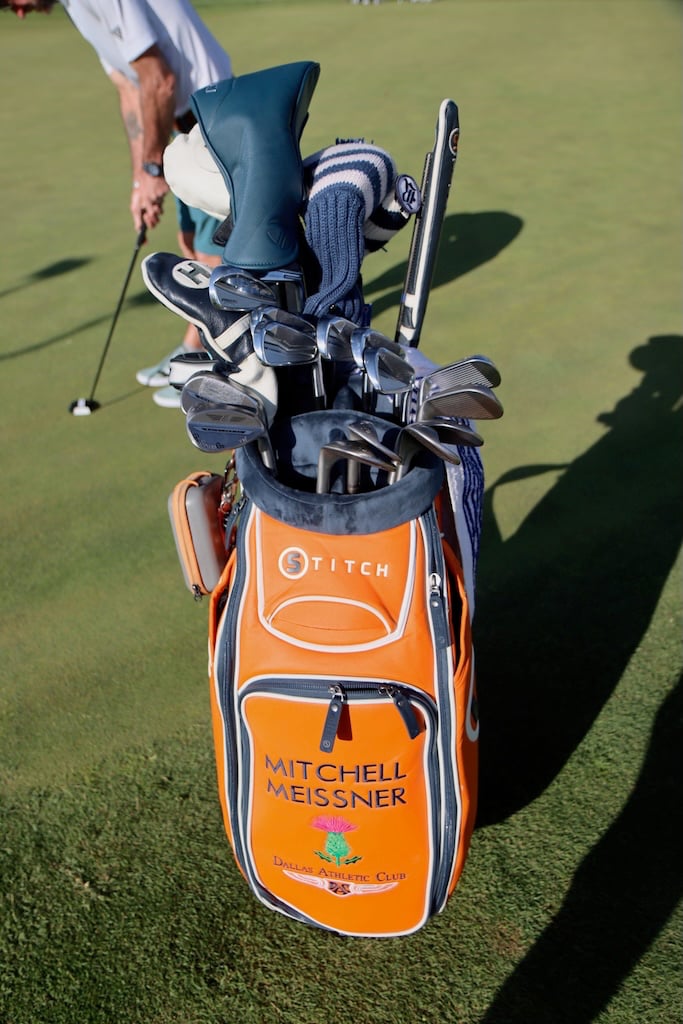
Taking a look at Mitchell Meissner’s bag this week, we have some great lead tape coverage. Top to bottom working from fairway metals, irons, and wedges. We can see on the short irons and wedges that there is tape at the base of the grip, adding a little counterbalance. Along with that, some tape on the short irons and wedges as well. Moving to his putter, he rolls the Odyssey 7 Bird putter. Meissner putts left-handed and strikes the ball right-handed.



Justin Rose WITB 2026 (April): Full WITB breakdown with new McLaren irons

What’s the story behind Webb Simpson’s custom-stamped irons?

Memorial Tournament Tour Report: Rory McIlroy, Cameron Young switch up drivers, and more

Cadillac Championship Tour Report: Spieth’s sizable changes, McLaren Golf launches, and more

Russell Henley’s winning WITB: 2026 Charles Schwab Challenge

Kristoffer Reitan’s winning WITB: 2026 Truist Championship

Best irons 2026: Best irons overall, most forgiving irons, and more

J.T. Poston’s winning WITB: 2026 Memorial Tournament

Aaron Rai’s winning WITB: 2026 PGA Championship

Cameron Young’s winning WITB: 2026 Cadillac Championship


Ryan Palmer WITB 2026 (June)
Driver: Callaway Quantum Triple Diamond (9 degrees) Shaft: Project X HZRDUS Smoke Blue RDX 60 TX 3-wood: TaylorMade Qi10 (15 degrees) Shaft:...


Bud Cauley WITB 2026 (June)
Bud Cauley had >14 clubs in his bag when photographed prior to the Memorial Tournament. Driver: Titleist GTS2 (8 degrees) Shaft: Fujikura...


Hannah Green WITB 2026 (June)
Driver: Titleist GTS3 (10 degrees, D4 SureFit setting) Shaft: Mitsubishi Chemical Diamana RB 53 S 3-wood: Titleist GT3 (15 degrees,...


Asterisk Talley WITB 2026 (June)
Driver: TaylorMade Qi4D (9 degrees) Shaft: Fujikura Ventus Blue 6 S 3-wood: TaylorMade Qi4D (16.5 degrees) Shaft: Fujikura Ventus Blue...
-
 Equipment6 days ago
Memorial Tournament Tour Report: Rory McIlroy, Cameron Young switch up drivers, and more
-
 News2 weeks ago
Russell Henley’s winning WITB: 2026 Charles Schwab Challenge
-
 Equipment3 days ago
Best irons 2026: Best irons overall, most forgiving irons, and more
-
 Whats in the Bag4 days ago
J.T. Poston’s winning WITB: 2026 Memorial Tournament
-
 Equipment1 week ago
Details on Jason Day’s latest prototype Avoda iron setup
-
 Equipment3 weeks ago
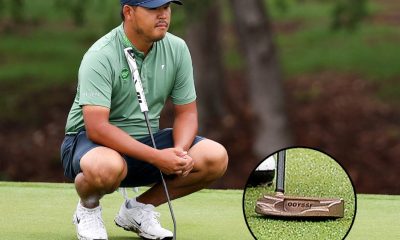
CJ Cup Byron Nelson Tour Report: Koepka and Kim’s newest putters finally get hot
-

 News2 weeks ago
Charles Schwab Challenge Tour Report: MacIntyre, Åberg and Spaun all switch putters, TaylorMade launches new Spider
-
 Equipment2 weeks ago
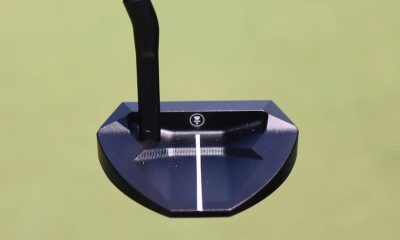
Details on J.J. Spaun’s surprise putter switch


Ball
Sep 8, 2019 at 2:20 pm
Some of the best wedges I’ve ever played, very forgiving