
Equipment
Latest patent filings: An adjustable golf ball and more

It’s been a little more than a month since we last had a look at the major OEM’s patent filings.
Last time we looked at designs from TaylorMade, Ping, Titleist, and Nike. In this installment, we have some truly interesting contraptions, including some inspired (or insane, depending on your view) efforts, including an adjustable golf ball.
We’ll also take a look at what Ping, TaylorMade, and Callaway are up to. Keep reading for our June survey of patent activity.
Ping: Driver
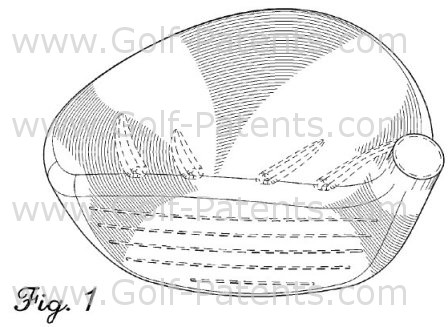
As David Dawsey of Golf-Patents.com writes, crown turbulators are a type of golf club technology that, in short, increase both club head speed and ball speed. In a study associated with another Ping club featuring turbulator technology, ball speed was more than 1 mph faster compared to an identical club sans turbulator.
Need more details? Check out the illustration and explanation below:
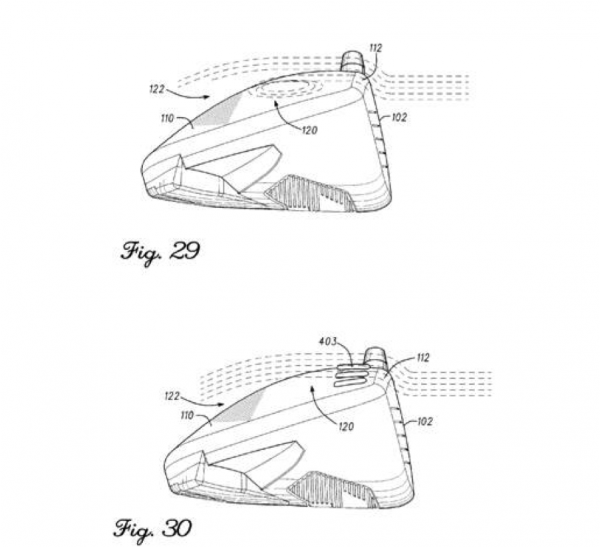
[0057] FIG. 29 shows a schematic view based on actual airflow visualization experiments of airflow over the club head 100 without turbulators, and FIG. 30 shows a schematic view based on actual airflow visualization experiments of airflow over the same club head with the turbulators 400. In FIG. 29, the streamlines representing airflow approach the club had 100 and are diverted over the club face toward the leading edge. The streamlines traverse over the leading edge 112 and flow over the crown 110. However, the airflow becomes detached from the crown 110 at the separation region 120, and creates a turbulent wake 122 over a substantial section of the crown 110. This turbulent wake 122 increases the drag thereby reducing the speed of the club head 100. Referring to FIG. 30, the ridges 401-408 are positioned downstream of the leading edge 112 and upstream of the separation region 120 of FIG. 29. Accordingly, the flow remains attached on a substantial portion of the crown 110 as is shown by the streamlines in FIG. 30. Therefore, the separation region 120 is moved farther aft on the crown 110.
Nike: Putter

Nike was granted a patent May 29th for a putter with an adjustable face. In contrast to putters that have had various faces that a golfer could effectively snap in, Nike’s new design features an “adjustable ball striking face insert [that] may be rotatably mounted within the putter head.
Further, the filing indicates “in some arrangements, the insert may be finely adjustable to alter the loft angle of the putter head.”
TaylorMade: Club Face

TaylorMade was granted a patent May 8th for a golf club “with cover having roughness pattern. As the filing states, “The face plate comprises a lay-up of multiple, composite prepreg plies.”
In other words, it seems a sublayer of the club’s face is, essentially, woven, in order to precisely control face thickness. The filing indicates past difficulty with variable-thickness composite plates and presents TMag’s fiber technology as the solution.
Detail of the face structure below.

Callaway: Adjustable Shaft/Hosel

According to a recent filing, Callaway is exploring “An adjustable shaft and hosel assembly allows for dependent and independent adjustment of a golf club’s face angle, loft angle, and lie angle.”
The filing lays out in great detail the ways in which technology in question allows greater adjustability than current adjustable drivers.
Ping: Club Face Plates

Ping has been granted a patent for “golf club face plates with internal cell lattices and related methods.” This seems similar to the TaylorMade layered face mentioned earlier.
This from the filing indicates the concern with mass redistribution that all manufacturers share: “The ability to alter or redistribute mass at or around locations of high stress and/or of limited thickness in a golf club head, however, has to be balanced with respect to structural resilience considerations.”
If the previous indicates areas of concern, then this portion of the filing suggests the upside in such technologies: “Considering the above, further developments in terms of weight redistribution will advance the playability characteristics of golf club heads.”
Nike: Adjustable Golf Ball

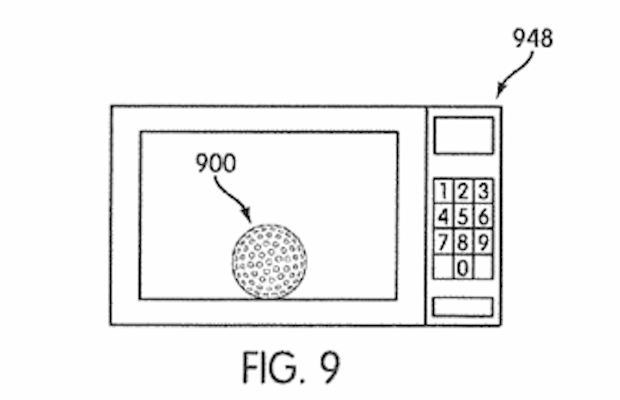
This is a real thing: Nike is developing a “golf ball with adjustable tackiness.” The filing also contains some of the greatest patent sketches of all time, including a golf ball in a microwave.
For the how and why of adjusting a ball’s tackiness, it’s worth quoting from the filing at length:
A golf ball is provided that includes a coating. The coating is designed to allow a golfer to modify or increase the tackiness of the coating. The coating changes tackiness when exposed to a soaking material. A method of determining a desirable length of soak is also disclosed.
Golf balls as typically constructed usually cannot be modified by the user to change their properties. In some cases, the lack of modifiability is due to a desire to prevent the user from changing the ball’s properties in such a way that they no longer conform to USGA regulations. However, in other cases, it may be desirable to allow a user to modify the properties of the golf ball to enhance play, particularly when the ball is not being used in a competitive environment.
Among the obstacles that are faced by golfers is moisture on the course. Often the moisture takes the form of dew or rain on the grass and rain or other precipitation falling from the sky. This moisture can wet the ball and the club face. When there is moisture between the ball and club, the ball is likely to slip while in contact with the club more than when golfing in a dry situation. This slipping may cause the ball to have reduced spin after impact and may otherwise negatively affect the flight path of the ball.
In addition, other changes to a golfer’s clubs may affect the degree of slip between the ball and the club. For example, if a new set of clubs is used, the surface of a new club face may have a reduced friction because it has not been used heavily and become abraded. Further, if a golfer begins to use a club with a different groove profile, the coefficient of friction of the club face may be reduced.
When these types of changes occur, it can cause a golfer to become flustered and mishit the ball to an even greater degree than caused by the equipment or conditions. Minimizing these effects may be helpful in the golfer having a pleasant golfing experience.
Accordingly, it may be desirable to provide a ball where the user can adjust the tackiness depending on the equipment and weather conditions.
Nike: Automatic Club Setting and Ball Flight Optimization

As though the microwavable ball isn’t outlandish (or perhaps brilliant) enough, Nike is also working on a golf club that adjusts automatically.
This filing, too, is worth quoting at length:
[The filing concerns] Systems, methods, and computer readable media for changing and controlling settings … Such setting adjustment systems may alter one or more of: lie angle, loft angle, face angle, shaft stiffness, shaft kickpoint location, weighting, weight positioning, face flexibility, maximum face flex location, etc.
These systems and methods may use various types of information to determine the appropriate settings, such as: ball launch monitor data, swing path data, weather input data, course condition input data for a location of play, course design input data for a location of play, daily course layout input data for a location and a time of play, golfer past performance data (e.g., recent past performance, past performances at the location of play, past performance during an ongoing round of golf (i.e., on earlier played holes), etc.), current adjustable club setting information, and information indicating specific holes to be played.
Callaway: Adjustable Driver

In a filing that shows the Big Bertha II design, Callaway also includes sketches of this club with an adjustable sliding weight that allows golfers to move the center of gravity low and forward (like TaylorMade’s SLDR driver) or low and rearward (like Ping’s G25 driver). This technology is significant because of its affect on a club’s moment of inertia, which is a measure of a club’s forgiveness.
The marketplace is currently divided between the benefits of a driver with a low and forward CG, which reduces spin and can allow for more carry distance and roll, and one with a rearward CG, which improves the consistency of ball speed on off-center hits and leads to a higher launch, given the same loft. With this technology, a golfer could fit themselves to a blend of low-spin performance and forgiveness that makes sense for their game at that time.





Equipment
Then and now: Comparing Rory McIlroy’s current setup to his record-breaking 2019 Canadian Open victory

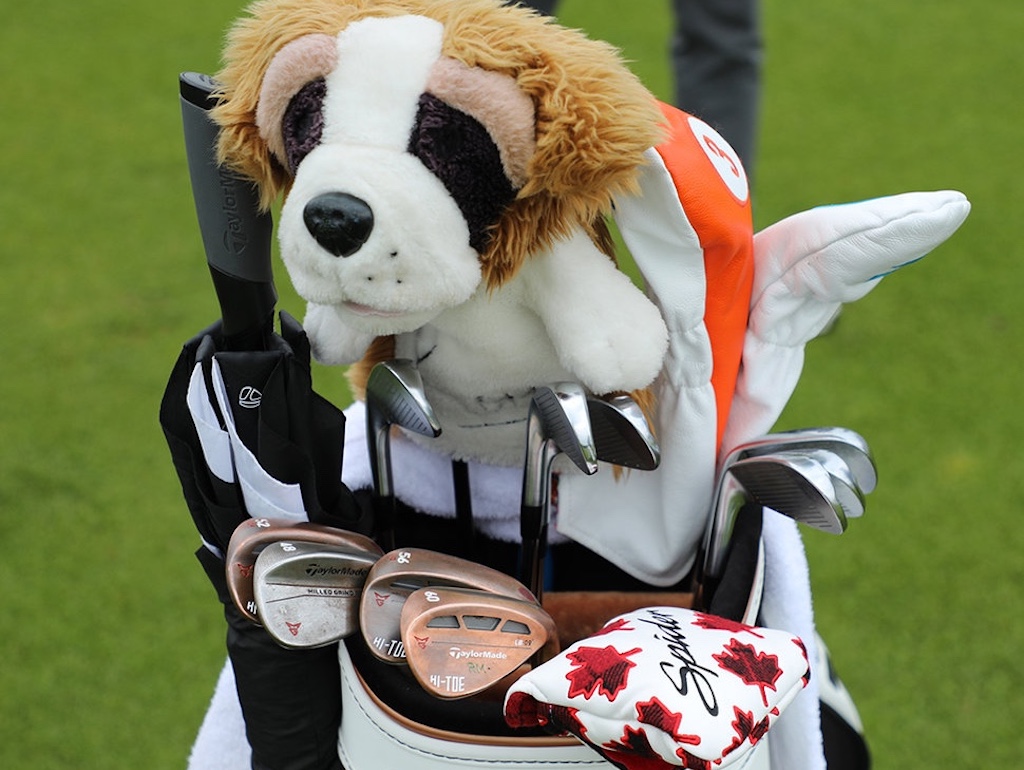
In Rory McIlroy’s first appearance at the 2019 RBC Canadian Open, he crushed the record books to earn his 16th PGA Tour title in dominating fashion, winning by seven shots over Shane Lowry and Webb Simpson.
McIlroy’s score of 22-under-par 258 is the lowest 72-hole score to date at the Canadian Open, and his closing 61 is also the best final-round score in the history of one of golf’s oldest tournaments. Finally, with his win in 2019, McIlroy became only the sixth player to win the career Triple Crown, adding to his victories at the U.S. Open in 2011 and The Open Championship in 2014, joining Tommy Armour, Walter Hagen, Arnold Palmer, Lee Trevino and Tiger Woods in a coveted list.
So, with that, why not compare his current setup to the clubs he used to break all the records?
Driver
2019: TaylorMade M5 (9 degrees), Shaft: Mitsubishi Tensei CK Pro White 70 TX
2026: TaylorMade Qi4D (9 degrees @8), Shaft: Fujikura Ventus Black 7X (45 5/8 inches)
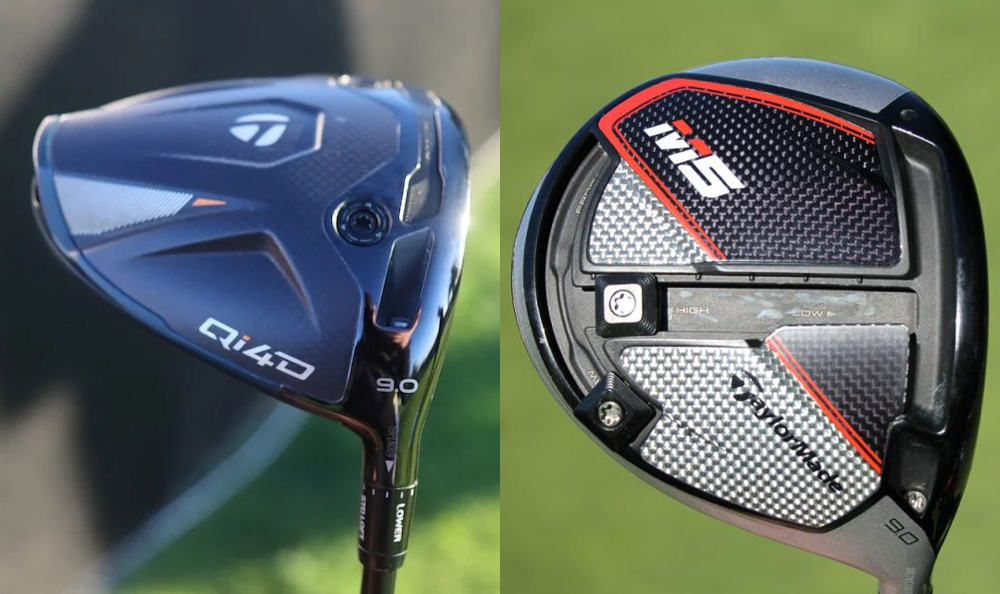
McIroy led the Tour in Strokes Gained: Off-the-Tee in 2019; he’s doing the same in 2026. Between now and then, McIlroy has switched from the Mitsubishi Tensei CK Pro White 70 TX (a shaft with slightly more feeling in the tip) to the original Fujikura Ventus Black 7X, having just made the change to the heavier version from playing the 60X.
What’s interesting about McIlroy’s 2019 setup is that the weighting on his driver is actually set in the high-draw setting, using the T-Track weighting system, whereas in the Qi4D, he’s currently using a heavily rear-weighted setup. (Two 13-gram weights in the rear and only two 4-gram front weights.)
The TaylorMade M5 driver he played in during his Canadian Open win was the company’s first head that they claimed to design to initially exceed the USGA’s COR limit, and then injected with tuning resin to bring it back in bounds.
Fairway woods
2019: TaylorMade M6 3-wood (15 degrees), Shaft: Mitsubishi Tensei CK Pro White 80 TX; TaylorMade M5 5-wood (19 degrees), Shaft: Mitsubishi Tensei CK Pro White 90 TX
2026: TaylorMade Qi4D 3-wood (15 degrees), Shaft: Fujikura Ventus Black 8X; TaylorMade Qi4D 5-wood (18 degrees), Shaft: Fujikura Ventus Black 9X

The TaylorMade M6 fairway wood that McIlroy was using during the 2019 season is still in the bag of some of the best golfers on Tour in 2026. Just check out Justin Rose’s winning setup from the Farmers Insurance Open earlier this year. This year, though, McIlroy has still been searching for his top-end-of-the-bag setup, having played both the new Qi4D and the Qi10, which he won the Masters with.

The same shaft swap can be seen in the fairway woods as the driver, along with slightly less loft on the 5-wood.
Irons
2019: TaylorMade P750 (4) Buy here, TaylorMade P730 (5-9), Shafts: Project X 7.0
2026: TaylorMade P760 (4), TaylorMade Rors Proto (5-9), Shafts: Project X 7.0

The biggest difference between McIlroy’s custom set and the stock P730s is the groove design. While the P730s were constructed with 14 MX-9 grooves on their milled faces, McIlroy’s proto heads instead use the higher-spinning, 16-groove layout of the TW2 grooves. Other big differences between the sets are that McIlroy’s 7- and 8-irons have thinner toplines, are 1 degree stronger in loft, and are 1/4 inch longer than the original P730 builds.
With McIlroy’s 4-iron, the switch from P750 to P760 sees a transition to a two-piece construction with Speed Foam in it, which allows McIlroy to launch the ball slightly higher, with more workability.
Wedges
2019: TaylorMade Milled Grind (48-09SB), TaylorMade MG Hi-Toe (52-09SB, 56-09SB, 60-LB09), Shafts: Project X Rifle 6.5
2026: TaylorMade MG5 (46-09SB, 50-09SB, 54-11SB, 60-08LB @61), Shafts: Project X 6.5 (46-54), Project X 6.5 Wedge (60)

Between 2019 and 2026, McIlroy’s focus on his short game has been much more apparent. It was the reason why he switched back to the TP5 golf ball, to help with launch, spin and control with his wedges leading up to his career Grand Slam victory in 2025. The most apparent changes to McIlroy’s wedge setup are his lofts and bounce. He’s slowly delofted his pitching to a sand wedge, but has increased the loft on the lob wedge, bending his current 60-degree to 61. With that, adding more loft to his lob wedge also slightly increases the bounce and leading-edge sit point, so, as a result, he plays a lower-bounce lob wedge compared to 2019. The MG5 wedges are also softer than the first Milled Grind option from 2019. McIlroy also no longer plays the full-face grooves found on the Hi-Toe.
Putter
2019: TaylorMade Spider X
2026: TaylorMade Spider Tour X
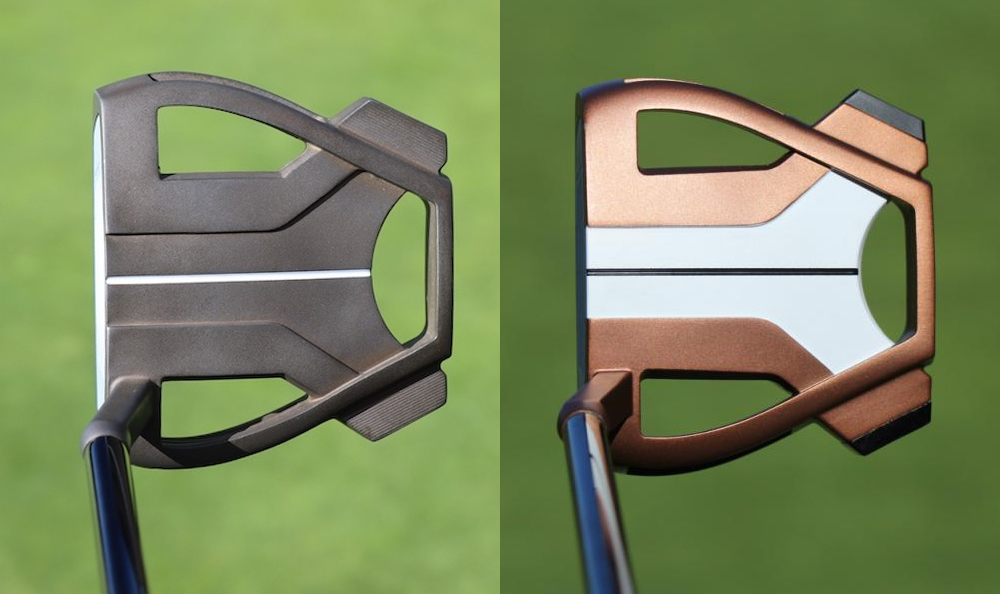
Notice anything similar. Yes, the copper finish on Rory McIlroy’s Spider X putter in 2019 is a slightly more reflective finish than the recently released torched PVD finish. McIlroy was using the True Path alignment system, but now uses only a single white sightline.
Ball
2019: 2019 TaylorMade TP5 (#22)
2026: 2025 TaylorMade TP5 (RORS)
As mentioned above, McIlroy had transitioned from the TP5 to TP5x golf ball since his victory in Canada in 2019, but now is black with the same style of golf ball as his victory at Hamilton Golf & Country Club.
Grips
2019: Golf Pride Tour Velvet Cord
2026: Golf Pride MCC
Interesting, McIlroy actually used Golf Pride’s Tour Velvet Cord grips during his victory in 2019 (it was during a 2+ year switch to the corded TV) as opposed to his usual MCC grips, which he has played for most of his career.


At GolfWRX, we are a community of like-minded individuals who all experience and express our enjoyment of the game in many ways.
It’s that sense of community that drives day-to-day interactions in the forums on topics that range from best driver to what marker you use to mark your ball. It even allows us to share another thing we all love – buying and selling equipment.
Currently, in our GolfWRX buy/sell/trade (BST) forum, @Putt4Dough is selling some prototype wedges from Vokey Wedgeworks. These include a 54 degree wedge with the M grind and a 60 degree wedge with a T grind.
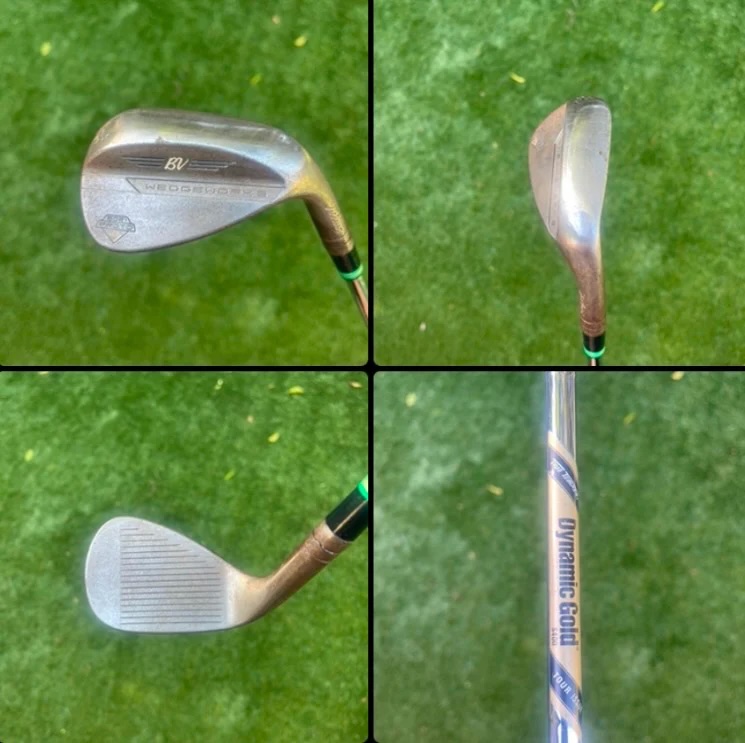
From the listing:
(1) Titleist Vokey Proto Wedge 54M with a Tour Issue DGS400 shaft and Golf Pride Tour Velvet (logo down). Standard length, lie, and loft. BB&F ferrule. Raw wedge in good condition. No initials. Price is $200 shipped. Buy both wedges for $380 shipped.
(2) Titleist Vokey Proto Wedge 60T with a KBS Tour 130X shaft and Golf Pride Tour Velvet. Standard length, lie, and loft. Raw wedge in good condition. No initials. Price is $200 shipped. Buy both wedges for $380 shipped.
To check out the full listing in our BST forum, head through the link. If you are curious about the rules to participate in the BST Forum, you can learn more here: GolfWRX BST Rules.
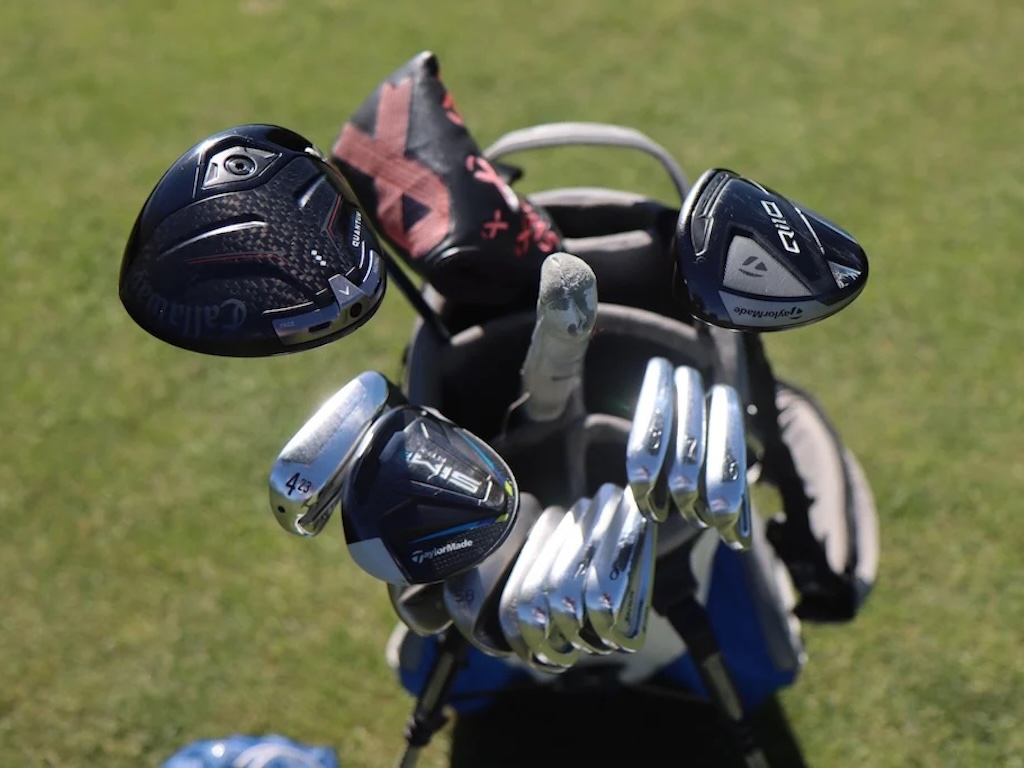
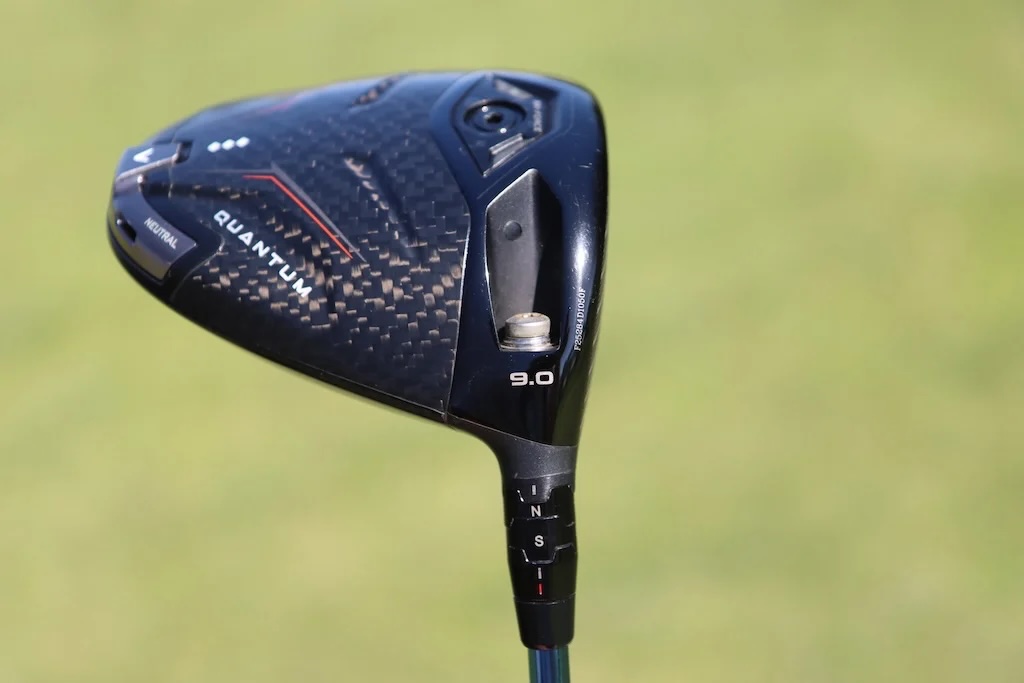
Driver: Callaway Quantum Triple Diamond (9 degrees)
Shaft: Project X HZRDUS Smoke Blue RDX 60 TX
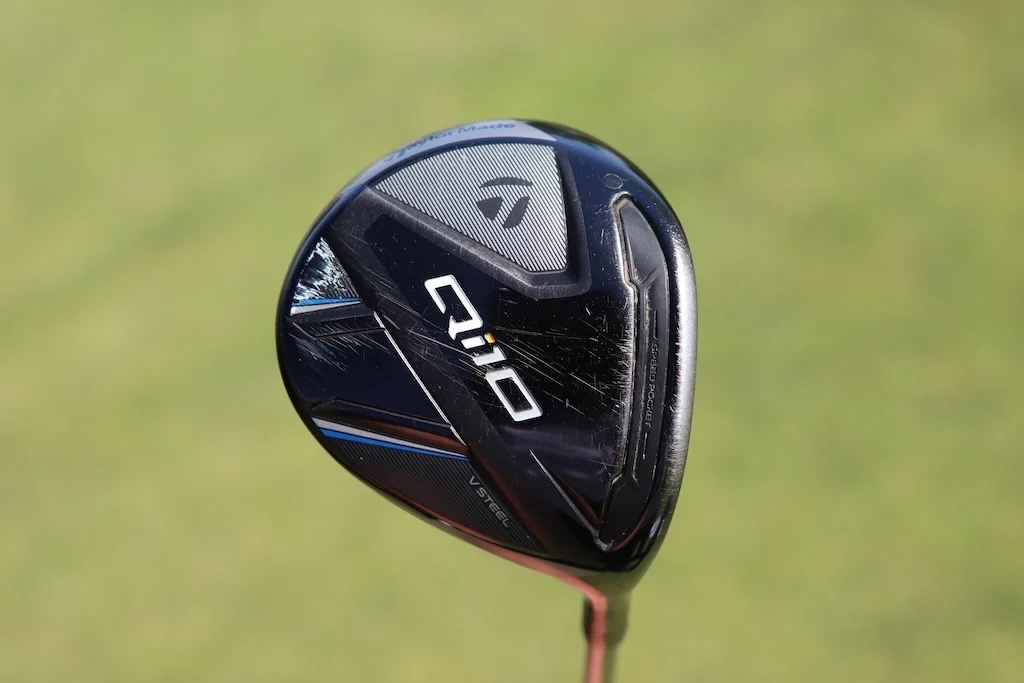
3-wood: TaylorMade Qi10 (15 degrees)
Shaft: Project X HZRDUS T1100 70 6.5
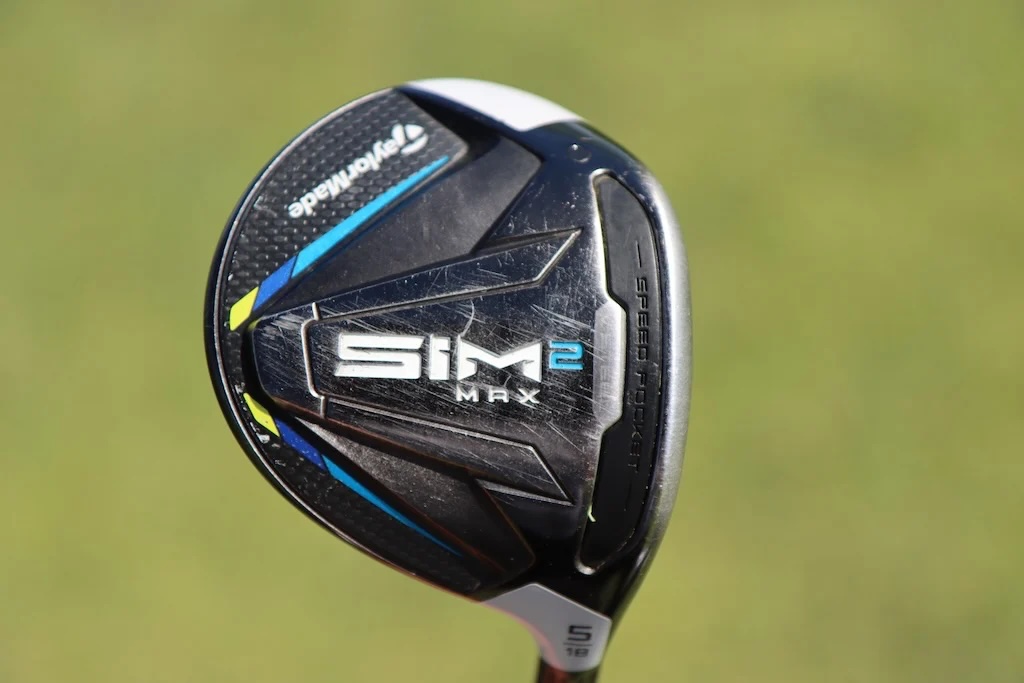
5-wood: TaylorMade SIM2 Max (18 degrees)
Shaft: Project X HZRDUS Smoke Black RDX 80 TX
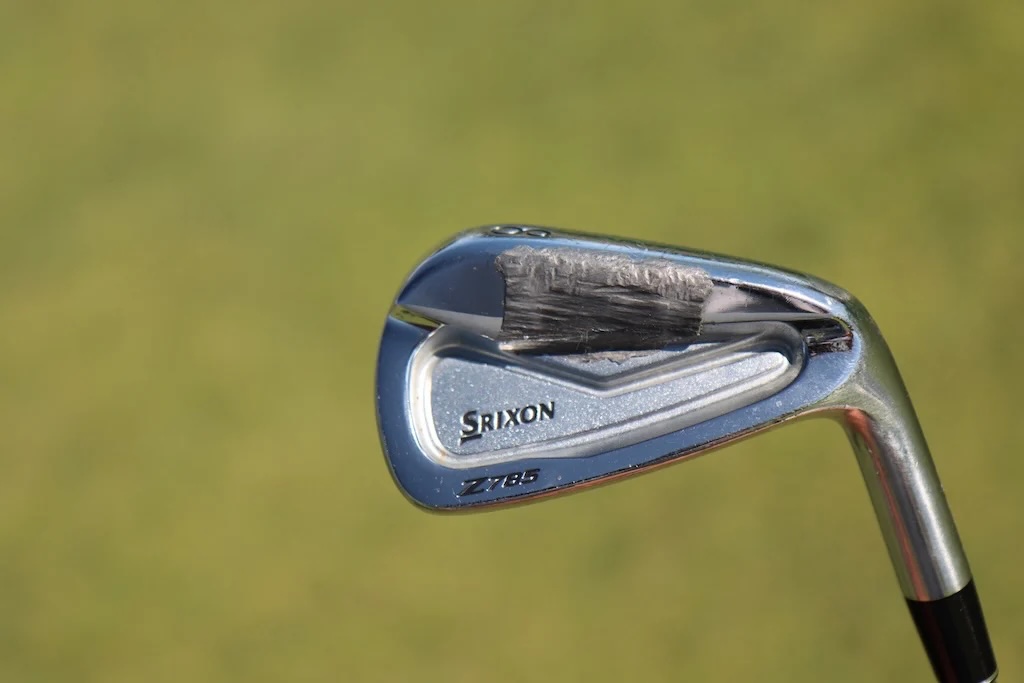
Irons: Srixon ZXiU (23 degrees), Srixon Z785 MB (5-PW)
Shafts: Project X HZRDUS Smoke Black RDX 100 6.5 (4), KBS Tour 130 X
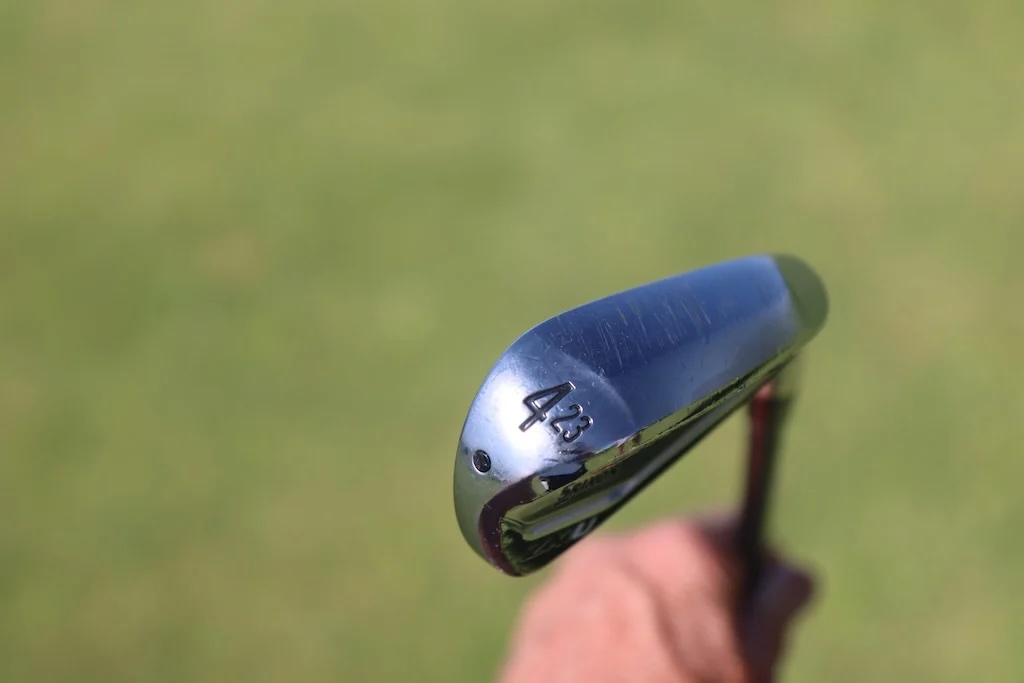
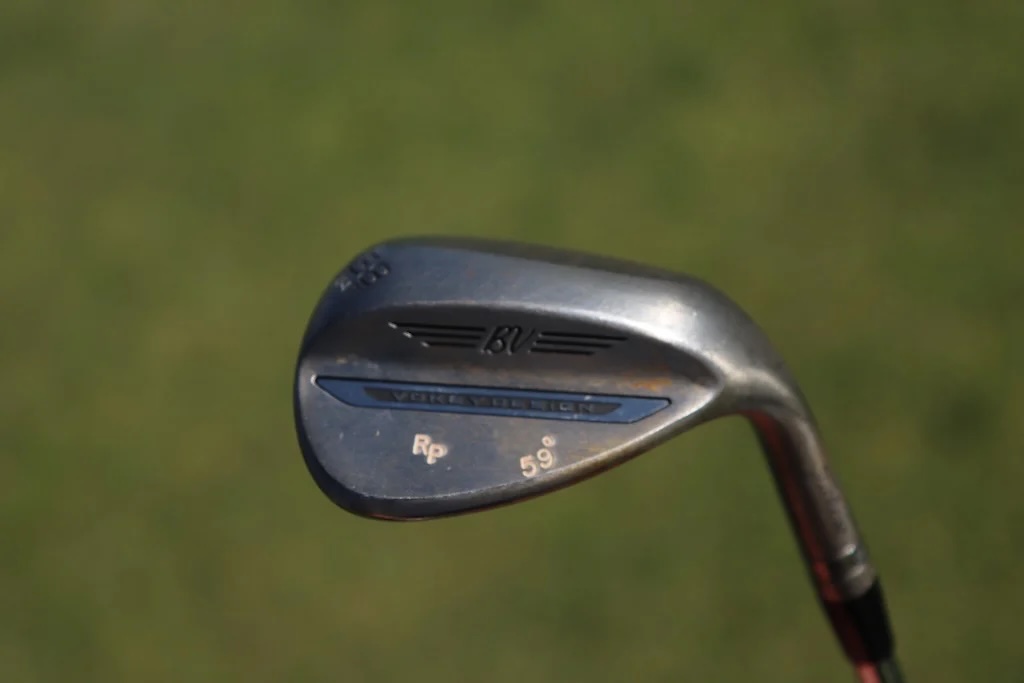
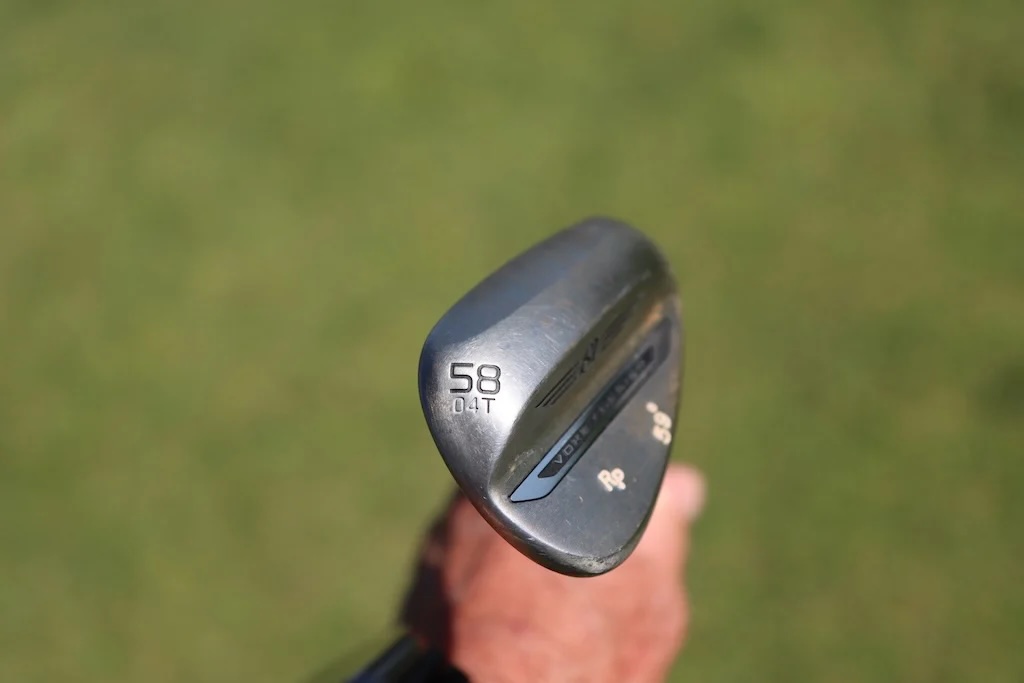
Wedges: Titleist Vokey Design SM11 (50-08F, 54-10S, 58-04T @59)
Shafts: KBS Tour 130 X
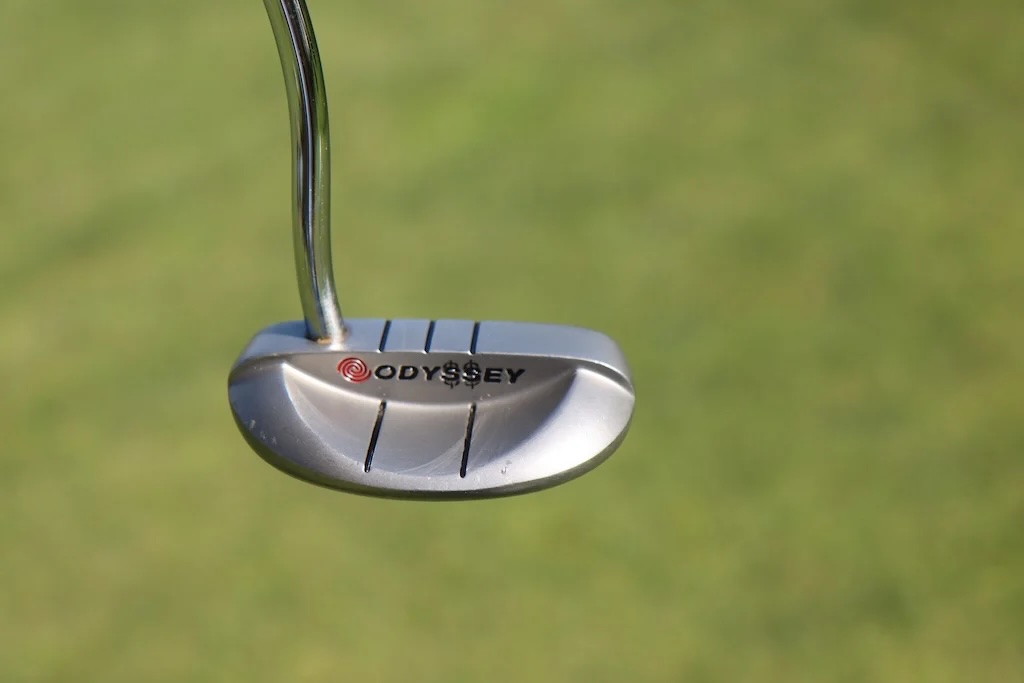
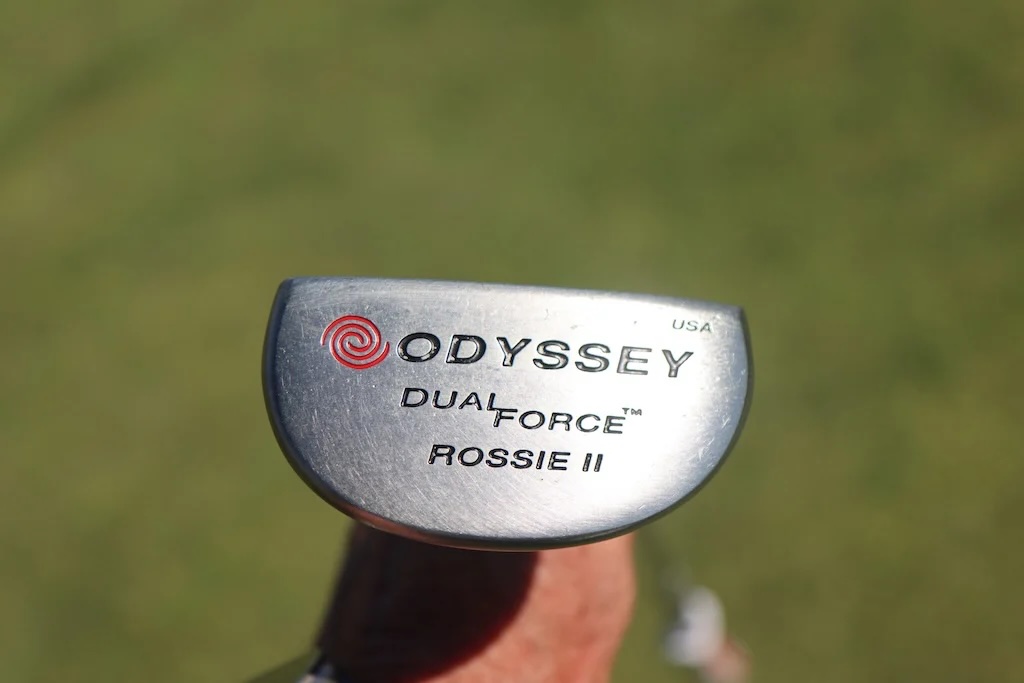
Putter: Odyssey Dual Force Rossie II
Ball: Titleist Pro V1x
Grips: Golf Pride Tour Velvet

What’s the story behind Webb Simpson’s custom-stamped irons?

Memorial Tournament Tour Report: Rory McIlroy, Cameron Young switch up drivers, and more

Cadillac Championship Tour Report: Spieth’s sizable changes, McLaren Golf launches, and more

Russell Henley’s winning WITB: 2026 Charles Schwab Challenge

Kristoffer Reitan’s winning WITB: 2026 Truist Championship

Best irons 2026: Best irons overall, most forgiving irons, and more

J.T. Poston’s winning WITB: 2026 Memorial Tournament

Aaron Rai’s winning WITB: 2026 PGA Championship

Cameron Young’s winning WITB: 2026 Cadillac Championship

Details on Jason Day’s latest prototype Avoda iron setup


Ryan Palmer WITB 2026 (June)
Driver: Callaway Quantum Triple Diamond (9 degrees) Shaft: Project X HZRDUS Smoke Blue RDX 60 TX 3-wood: TaylorMade Qi10 (15 degrees) Shaft:...


Bud Cauley WITB 2026 (June)
Bud Cauley had >14 clubs in his bag when photographed prior to the Memorial Tournament. Driver: Titleist GTS2 (8 degrees) Shaft: Fujikura...


Hannah Green WITB 2026 (June)
Driver: Titleist GTS3 (10 degrees, D4 SureFit setting) Shaft: Mitsubishi Chemical Diamana RB 53 S 3-wood: Titleist GT3 (15 degrees,...


Asterisk Talley WITB 2026 (June)
Driver: TaylorMade Qi4D (9 degrees) Shaft: Fujikura Ventus Blue 6 S 3-wood: TaylorMade Qi4D (16.5 degrees) Shaft: Fujikura Ventus Blue...
-
 Equipment6 days ago
Memorial Tournament Tour Report: Rory McIlroy, Cameron Young switch up drivers, and more
-
 News2 weeks ago
Russell Henley’s winning WITB: 2026 Charles Schwab Challenge
-
 Equipment3 days ago
Best irons 2026: Best irons overall, most forgiving irons, and more
-
 Whats in the Bag4 days ago
J.T. Poston’s winning WITB: 2026 Memorial Tournament
-
 Equipment1 week ago
Details on Jason Day’s latest prototype Avoda iron setup
-
 Equipment3 weeks ago
CJ Cup Byron Nelson Tour Report: Koepka and Kim’s newest putters finally get hot
-

 News2 weeks ago
Charles Schwab Challenge Tour Report: MacIntyre, Åberg and Spaun all switch putters, TaylorMade launches new Spider
-
 Equipment2 weeks ago
Details on J.J. Spaun’s surprise putter switch


SPSM
Jun 5, 2014 at 1:22 pm
Somebody please stop Nike.
Tom
Jun 6, 2014 at 1:01 am
USGA to the rescue!
Mike
Jun 5, 2014 at 8:48 am
Golfer: “@#$%^, it’s starting to rain. Quick, find a microwave and zap these Nikes. You know I’m going to lose spin off these wet clubfaces.”
Caddy: “Uh, why don’t you just land it a couple of yards shorter?”
RG
Jun 4, 2014 at 6:12 pm
Bet those Nike balls will be hot…
Fred
Jun 4, 2014 at 4:57 pm
I bet those new Nike balls come in a mesh pouch with a string and a paper tag. “Try the all-new Nike Tee Bag!” the ad will say, and a million dudes will adjust their junk absentmindedly.
RAT
Jun 4, 2014 at 4:36 pm
I have already tried the cooking of the RZN ball and no doubt this was the idea from Nike all along when they designed the ball..But not sooo fast ,it’s much harder to do than you think..You over cook it and the cover melts, under cook it and it dumbs the ball won’t travel well flys like a dying quail!! They should drop this idea because everyone will try it even in tourny’s..Must be a way to id these better yet don’t make them..
LorenRobertsFan
Jun 4, 2014 at 3:54 pm
Hey Nike, did you forget about the flop Odyssey had? Flip Face.. But this will probably do better if it comes to market. The open area in the middle of the Odyssey putters looked ugly. This appears more seamless
Double Mocha Man
Jun 4, 2014 at 3:42 pm
I think Nike’s idea is pretty tacky.
paul
Jun 4, 2014 at 2:14 pm
I like callaways idea the most. I love the big bertha, and love the sldr. So lets put em together.
Richard L Cox III
Jun 4, 2014 at 12:43 pm
talk about “straight out of The Oven.”
(ba-dum-cha)
tim
Jun 4, 2014 at 12:35 pm
I can just picture Nike’s campaign, “Microwave Technology”.
TJ
Jun 5, 2014 at 10:25 am
Nike The Oven
Nike The Microwave
Nike The Barbecue?
This stuff writes itself
Danny
Jun 4, 2014 at 12:19 pm
Lol Nike tries way too hard to be noticed