
Equipment
Keegan proves he’s still a pro with a short putter

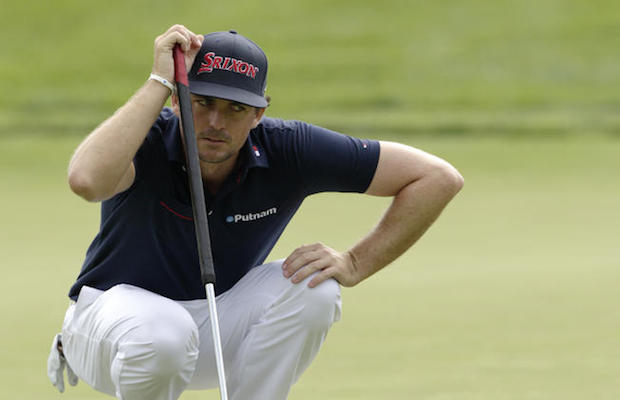
Spend enough time listening to golf’s traditionalists, and you might just start to believe what they have to say about long and belly putters.
“It’s cheating,” says the faction who rallied behind the USGA’s anchored putter ban, which will go into effect on January 1, 2016.
“It’s not in the true spirit of the game,” say the slightly less fervent traditionalists, which includes golfers who are OK with metalwood technology that allow them to never hit the sweet spot and still hit longer and straighter drives than their fathers.
“It just looks terrible,” says, well… everybody, because sticking the butt end of an oversized putter into your belly button or sternum does look pretty strange.
I’m not saying that these arguments aren’t valid, because for some golfers, anchored putting does make putting easier. As a golfer who used an anchored putter throughout my years as a college golfer, I don’t need any more proof than myself to understand that.
And yes, anchoring a golf club to your body does seem to take away from golf in its simplest form, a philosophy that’s come to be know as caveman golf — “hit it, find it and hit it again” — that loses its flow when golfers become concerned with finding the perfect anchor point.
Since the anchored putting ban went into effect, however, I’ve heard arguments from all sorts of people — traditionalists, non-traditionalists and even non-golfers — who say that players such as Keegan Bradley, Webb Simpson and Adam Scott will have “no chance” once their anchored putters are stripped from their midsections.
“They better win all they can before 2016, because after that it’s all done,” they say.
In yesterday’s first round at the Memorial Tournament, Bradley used a short putter for the first time on the PGA Tour since 2010 and he putted great. Bradley’s first-round 67 included five birdies and no bogeys. That’s right, he didn’t miss a single short one for par, and was the sixth-best putter on the course yesterday according to the PGA Tour’s Strokes Gained-Putting statistic.
To navigate Muirfield Village’s greens, Bradley used a 41-inch Odyssey White Hot XG Sabertooth putter with a 40-gram weight attached under its grip. It was basically the same setup as his belly putter except for its shorter length, which kept the putter from touching his midsection.
After the round, Bradley didn’t speak much about the technical changes and time he needed with the short putter as much as the stigma that he knew would be associated with the change. And what the 2011 PGA Championship winner did say about switching to a short putter was mostly positive.
“I have a lot more touch on the greens,” he said. “On a course like this or Augusta or any major championship that I play on, I felt like I’ve needed a little more touch than I’ve had. And so the positives of this putter are I can hit softer putts. My long lag putts are a ton easier.”
The biggest negative, Bradley said, was that he was “aware that people are watching me. And that’s the hardest part.”
Before we dismiss the skills of anchored putter users like Bradley, Simpson and Scott, golfers need to consider a few things:
- Anchored-putter users have more than a full season to learn a non-anchored style.
- They have the best tools, teachers and technology at their disposal to make the switch.
- They are usually top-tier ballstrikers on the PGA Tour, which means they can afford to putt poorly from time-to-time.
Of course, there are challenges associated with changing putting styles that can’t be solved by technology, such as the mental hurdles Bradley will face every time he feels unsure of himself over a short putt. Every time he misses one, even if it was caused by a misread or a spike mark, many fans and broadcasters will be quick to point out that he may have made that putt if he had his belly putter.
But Bradley, like most professional golfers, is willing to go to great lengths to create a training regime to help him with the pressure. He enlisted Michael Jordan, one of the most intimidating sports figures on the planet in his prime, to keep him mentally sharp.
“I played 36 holes a day with M.J. last week, and I told him I really wanted him to chirp at me, make me uncomfortable, which he’s good at,” Bradley said.
Bradley will have bad days going forward with whatever putter he decides to use, as will Scott and Simpson, but to relegate their putting skills to the depths of the PGA Tour because of their anchored putting styles is to not fully understand how truly gifted these players are.
Time will tell just how much of a difference the anchored putter ban will have on these players, but my bet is on it not having much of an effect at all. It will focus these great players on a specific task that they’ll want to perfect. Maybe most important in all this is that these players will have something to prove: they can putt great without anchoring, and that their major championship wins were a result of them being champions, not cheaters.
Extra motivation for talented millionaires who like nothing more in life than winning golf tournaments? I like those odds for success.


Equipment
Then and now: Comparing Rory McIlroy’s current setup to his record-breaking 2019 Canadian Open victory

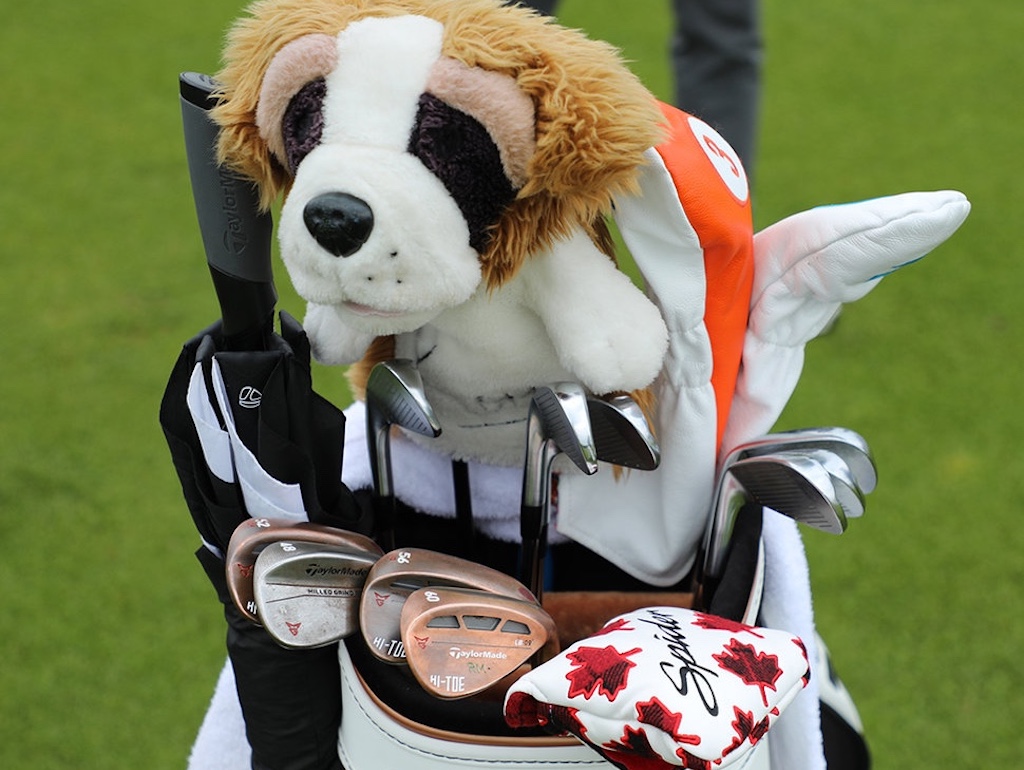
In Rory McIlroy’s first appearance at the 2019 RBC Canadian Open, he crushed the record books to earn his 16th PGA Tour title in dominating fashion, winning by seven shots over Shane Lowry and Webb Simpson.
McIlroy’s score of 22-under-par 258 is the lowest 72-hole score to date at the Canadian Open, and his closing 61 is also the best final-round score in the history of one of golf’s oldest tournaments. Finally, with his win in 2019, McIlroy became only the sixth player to win the career Triple Crown, adding to his victories at the U.S. Open in 2011 and The Open Championship in 2014, joining Tommy Armour, Walter Hagen, Arnold Palmer, Lee Trevino and Tiger Woods in a coveted list.
So, with that, why not compare his current setup to the clubs he used to break all the records?
Driver
2019: TaylorMade M5 (9 degrees), Shaft: Mitsubishi Tensei CK Pro White 70 TX
2026: TaylorMade Qi4D (9 degrees @8), Shaft: Fujikura Ventus Black 7X (45 5/8 inches)
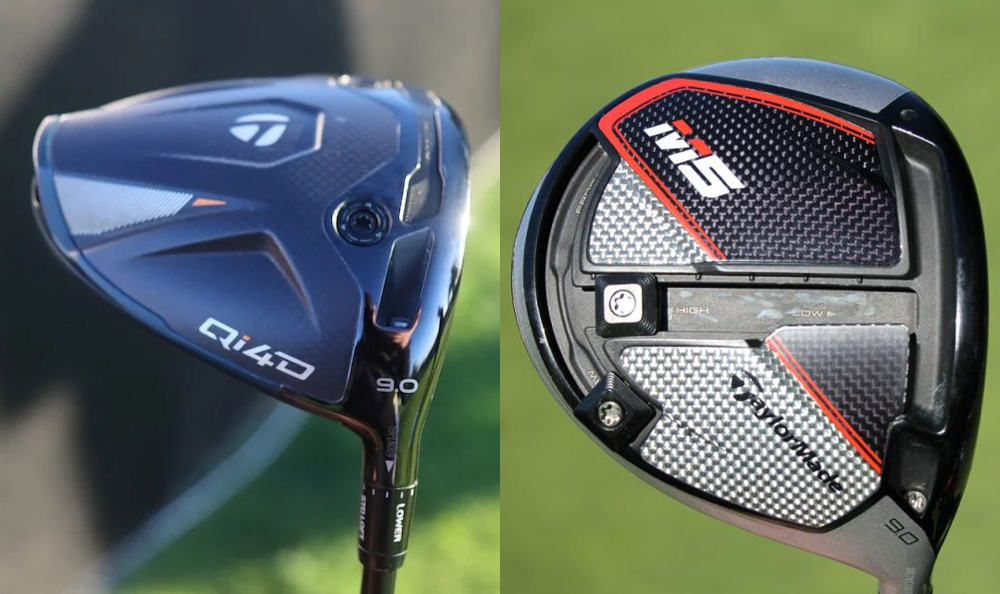
McIroy led the Tour in Strokes Gained: Off-the-Tee in 2019; he’s doing the same in 2026. Between now and then, McIlroy has switched from the Mitsubishi Tensei CK Pro White 70 TX (a shaft with slightly more feeling in the tip) to the original Fujikura Ventus Black 7X, having just made the change to the heavier version from playing the 60X.
What’s interesting about McIlroy’s 2019 setup is that the weighting on his driver is actually set in the high-draw setting, using the T-Track weighting system, whereas in the Qi4D, he’s currently using a heavily rear-weighted setup. (Two 13-gram weights in the rear and only two 4-gram front weights.)
The TaylorMade M5 driver he played in during his Canadian Open win was the company’s first head that they claimed to design to initially exceed the USGA’s COR limit, and then injected with tuning resin to bring it back in bounds.
Fairway woods
2019: TaylorMade M6 3-wood (15 degrees), Shaft: Mitsubishi Tensei CK Pro White 80 TX; TaylorMade M5 5-wood (19 degrees), Shaft: Mitsubishi Tensei CK Pro White 90 TX
2026: TaylorMade Qi4D 3-wood (15 degrees), Shaft: Fujikura Ventus Black 8X; TaylorMade Qi4D 5-wood (18 degrees), Shaft: Fujikura Ventus Black 9X

The TaylorMade M6 fairway wood that McIlroy was using during the 2019 season is still in the bag of some of the best golfers on Tour in 2026. Just check out Justin Rose’s winning setup from the Farmers Insurance Open earlier this year. This year, though, McIlroy has still been searching for his top-end-of-the-bag setup, having played both the new Qi4D and the Qi10, which he won the Masters with.

The same shaft swap can be seen in the fairway woods as the driver, along with slightly less loft on the 5-wood.
Irons
2019: TaylorMade P750 (4) Buy here, TaylorMade P730 (5-9), Shafts: Project X 7.0
2026: TaylorMade P760 (4), TaylorMade Rors Proto (5-9), Shafts: Project X 7.0

The biggest difference between McIlroy’s custom set and the stock P730s is the groove design. While the P730s were constructed with 14 MX-9 grooves on their milled faces, McIlroy’s proto heads instead use the higher-spinning, 16-groove layout of the TW2 grooves. Other big differences between the sets are that McIlroy’s 7- and 8-irons have thinner toplines, are 1 degree stronger in loft, and are 1/4 inch longer than the original P730 builds.
With McIlroy’s 4-iron, the switch from P750 to P760 sees a transition to a two-piece construction with Speed Foam in it, which allows McIlroy to launch the ball slightly higher, with more workability.
Wedges
2019: TaylorMade Milled Grind (48-09SB), TaylorMade MG Hi-Toe (52-09SB, 56-09SB, 60-LB09), Shafts: Project X Rifle 6.5
2026: TaylorMade MG5 (46-09SB, 50-09SB, 54-11SB, 60-08LB @61), Shafts: Project X 6.5 (46-54), Project X 6.5 Wedge (60)

Between 2019 and 2026, McIlroy’s focus on his short game has been much more apparent. It was the reason why he switched back to the TP5 golf ball, to help with launch, spin and control with his wedges leading up to his career Grand Slam victory in 2025. The most apparent changes to McIlroy’s wedge setup are his lofts and bounce. He’s slowly delofted his pitching to a sand wedge, but has increased the loft on the lob wedge, bending his current 60-degree to 61. With that, adding more loft to his lob wedge also slightly increases the bounce and leading-edge sit point, so, as a result, he plays a lower-bounce lob wedge compared to 2019. The MG5 wedges are also softer than the first Milled Grind option from 2019. McIlroy also no longer plays the full-face grooves found on the Hi-Toe.
Putter
2019: TaylorMade Spider X
2026: TaylorMade Spider Tour X
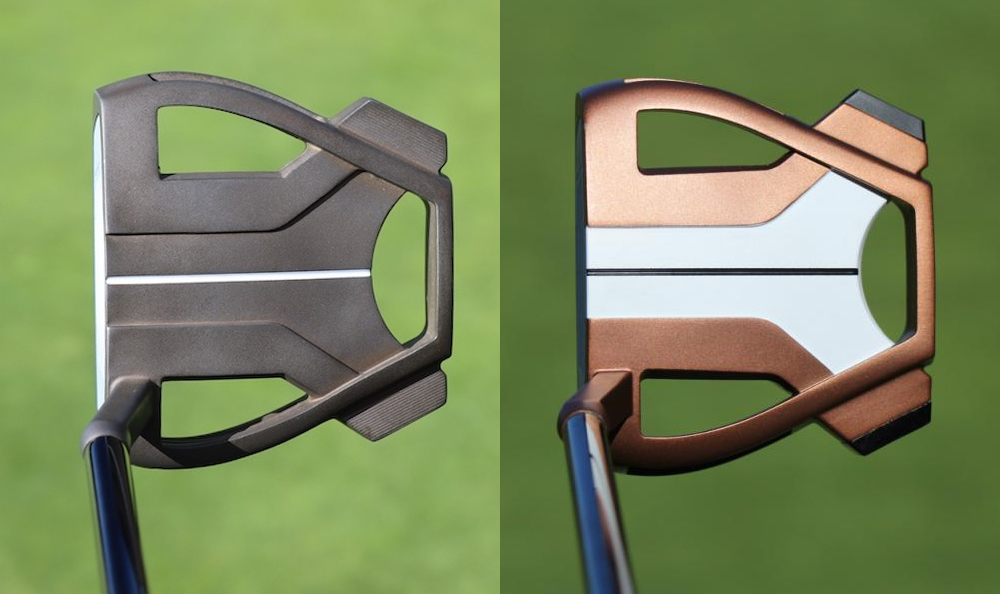
Notice anything similar. Yes, the copper finish on Rory McIlroy’s Spider X putter in 2019 is a slightly more reflective finish than the recently released torched PVD finish. McIlroy was using the True Path alignment system, but now uses only a single white sightline.
Ball
2019: 2019 TaylorMade TP5 (#22)
2026: 2025 TaylorMade TP5 (RORS)
As mentioned above, McIlroy had transitioned from the TP5 to TP5x golf ball since his victory in Canada in 2019, but now is black with the same style of golf ball as his victory at Hamilton Golf & Country Club.
Grips
2019: Golf Pride Tour Velvet Cord
2026: Golf Pride MCC
Interesting, McIlroy actually used Golf Pride’s Tour Velvet Cord grips during his victory in 2019 (it was during a 2+ year switch to the corded TV) as opposed to his usual MCC grips, which he has played for most of his career.


At GolfWRX, we are a community of like-minded individuals who all experience and express our enjoyment of the game in many ways.
It’s that sense of community that drives day-to-day interactions in the forums on topics that range from best driver to what marker you use to mark your ball. It even allows us to share another thing we all love – buying and selling equipment.
Currently, in our GolfWRX buy/sell/trade (BST) forum, @Putt4Dough is selling some prototype wedges from Vokey Wedgeworks. These include a 54 degree wedge with the M grind and a 60 degree wedge with a T grind.
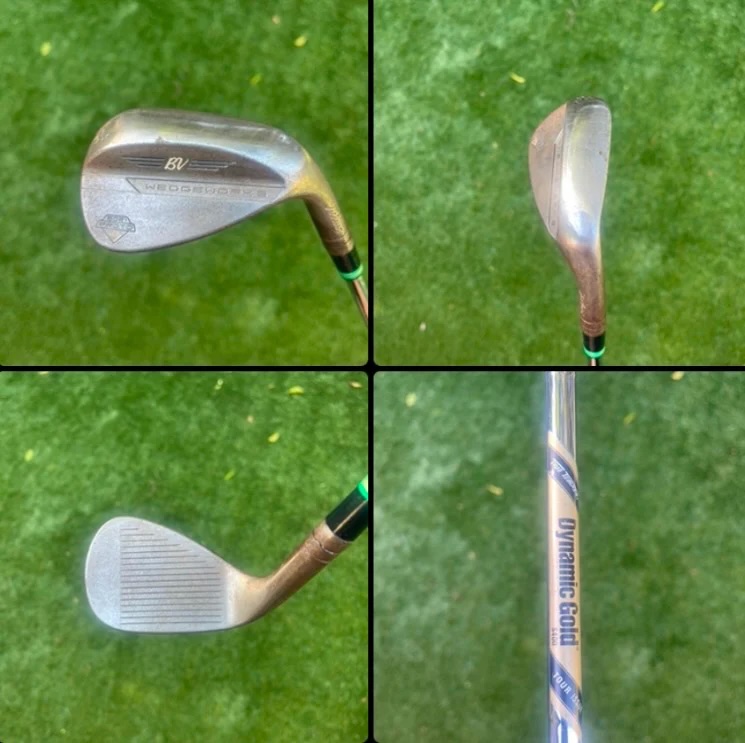
From the listing:
(1) Titleist Vokey Proto Wedge 54M with a Tour Issue DGS400 shaft and Golf Pride Tour Velvet (logo down). Standard length, lie, and loft. BB&F ferrule. Raw wedge in good condition. No initials. Price is $200 shipped. Buy both wedges for $380 shipped.
(2) Titleist Vokey Proto Wedge 60T with a KBS Tour 130X shaft and Golf Pride Tour Velvet. Standard length, lie, and loft. Raw wedge in good condition. No initials. Price is $200 shipped. Buy both wedges for $380 shipped.
To check out the full listing in our BST forum, head through the link. If you are curious about the rules to participate in the BST Forum, you can learn more here: GolfWRX BST Rules.
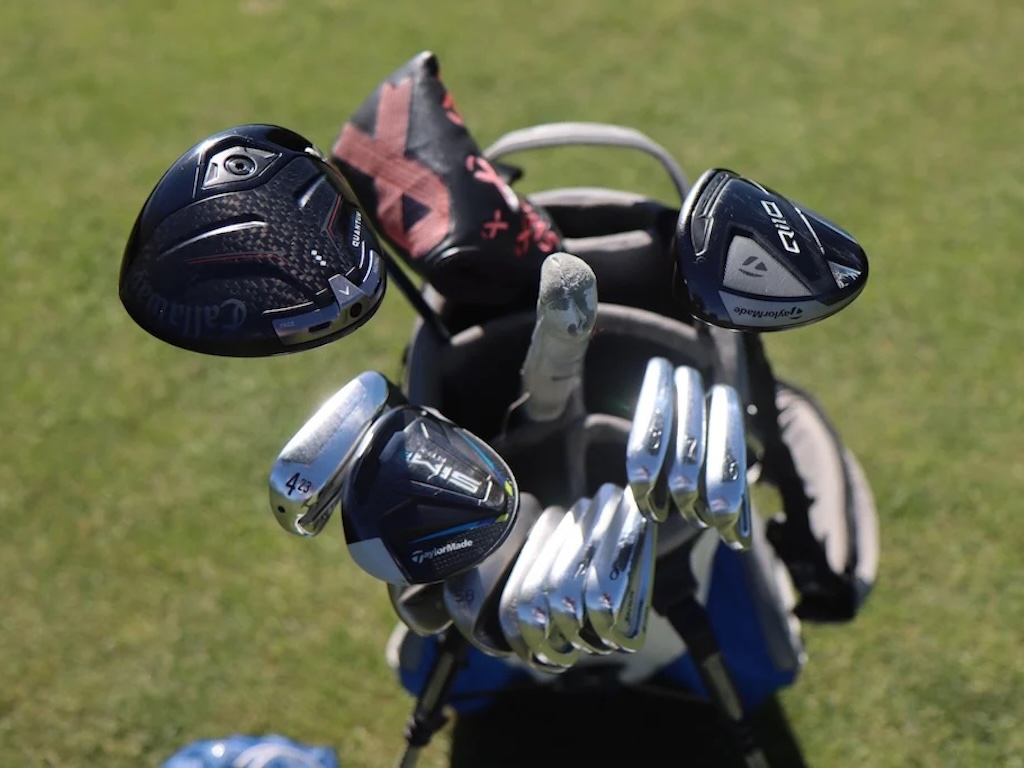
Driver: Callaway Quantum Triple Diamond (9 degrees)
Shaft: Project X HZRDUS Smoke Blue RDX 60 TX
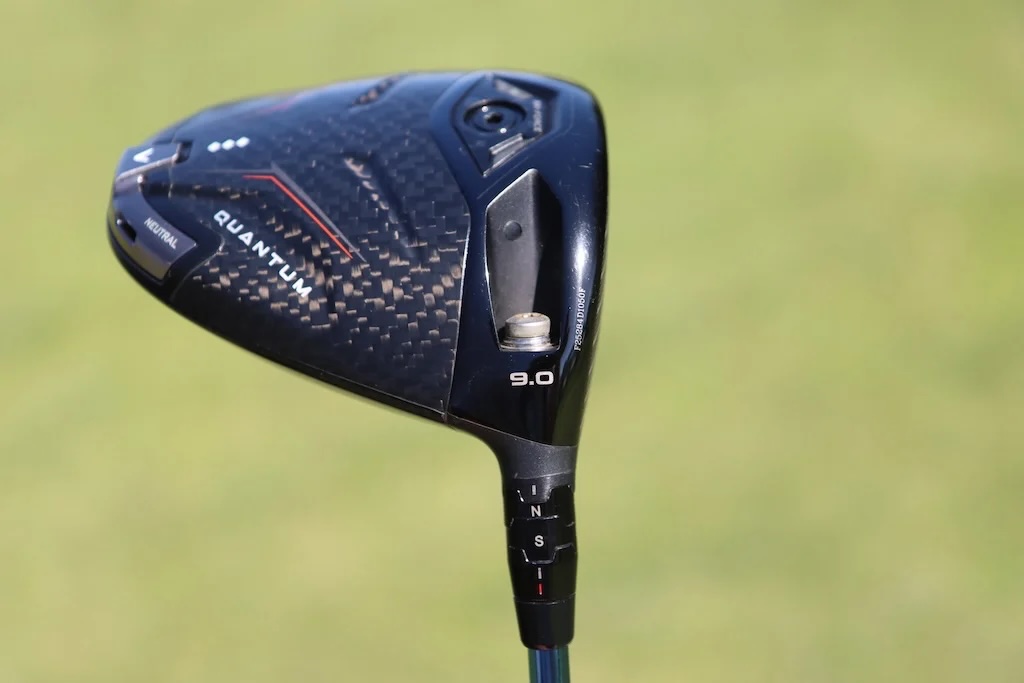
3-wood: TaylorMade Qi10 (15 degrees)
Shaft: Project X HZRDUS T1100 70 6.5
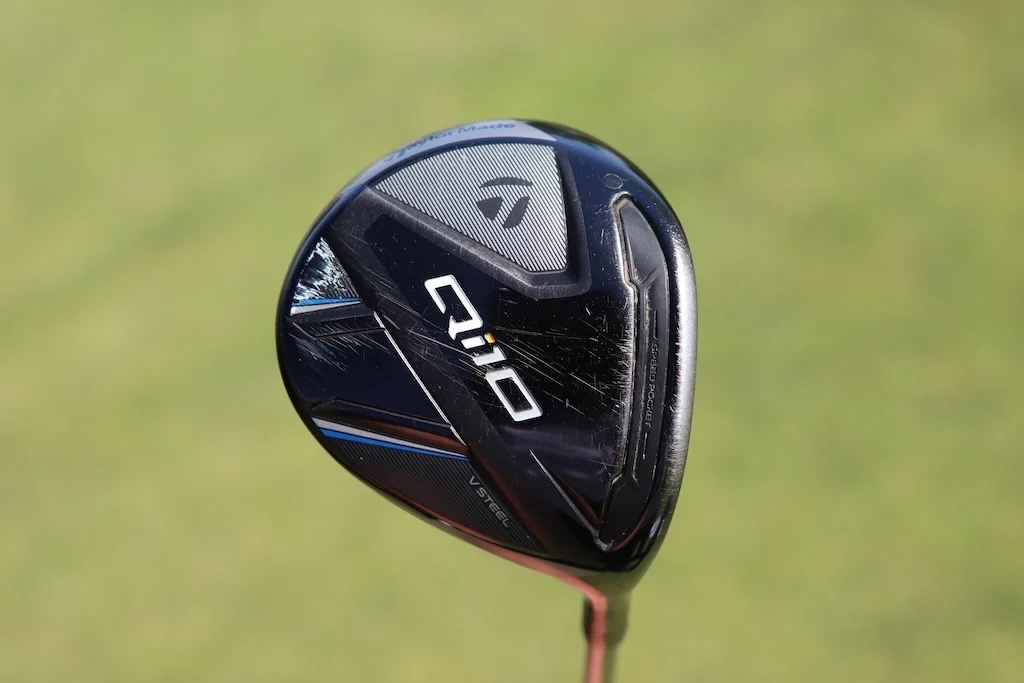
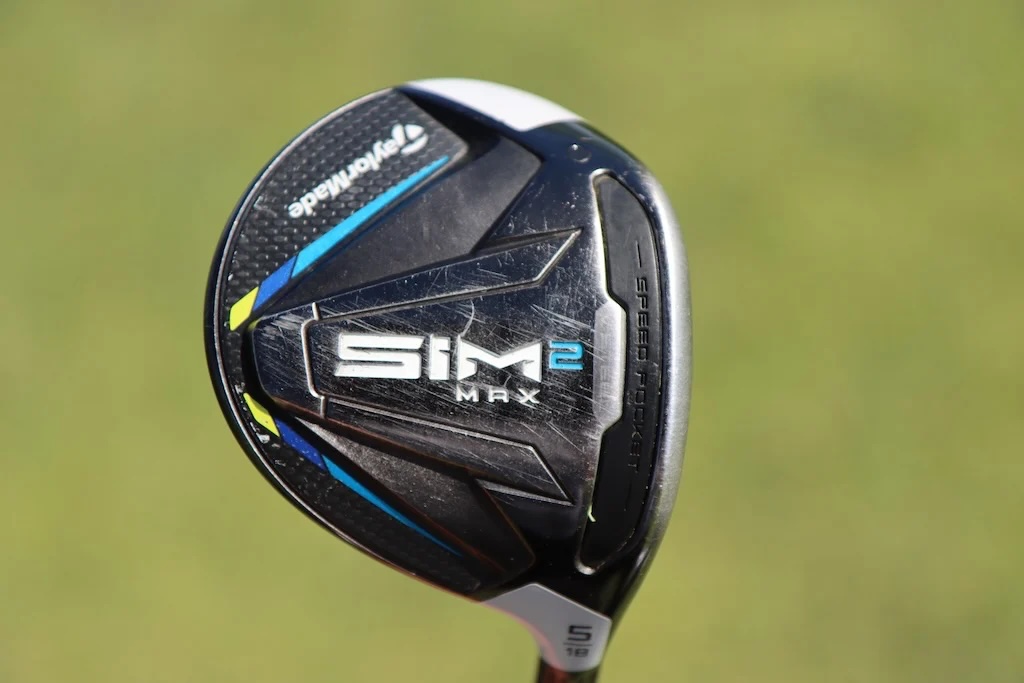
5-wood: TaylorMade SIM2 Max (18 degrees)
Shaft: Project X HZRDUS Smoke Black RDX 80 TX
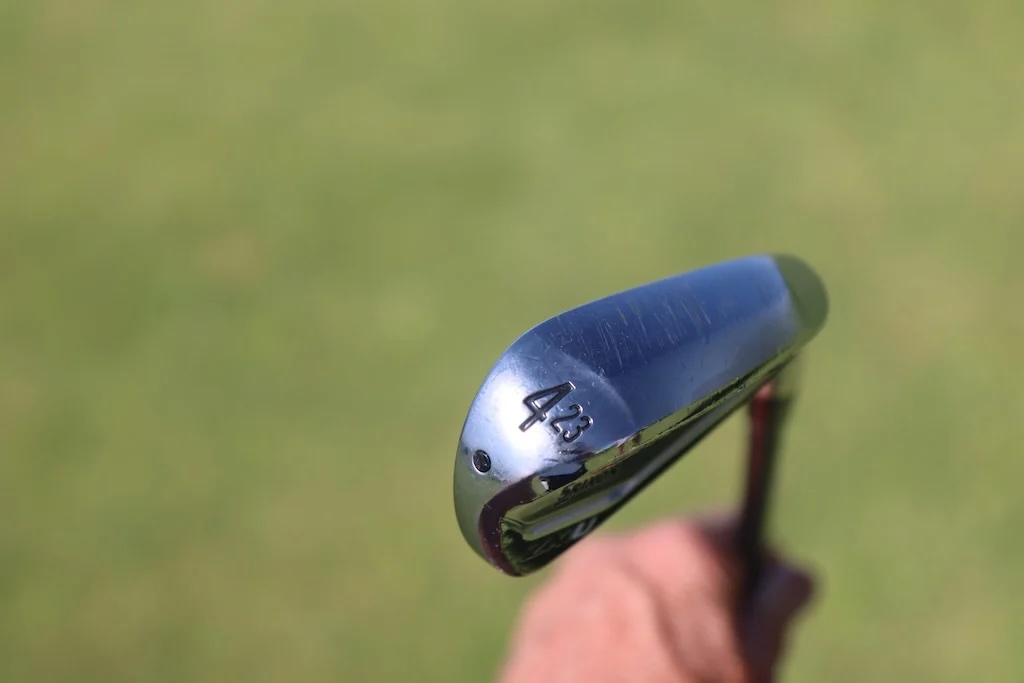
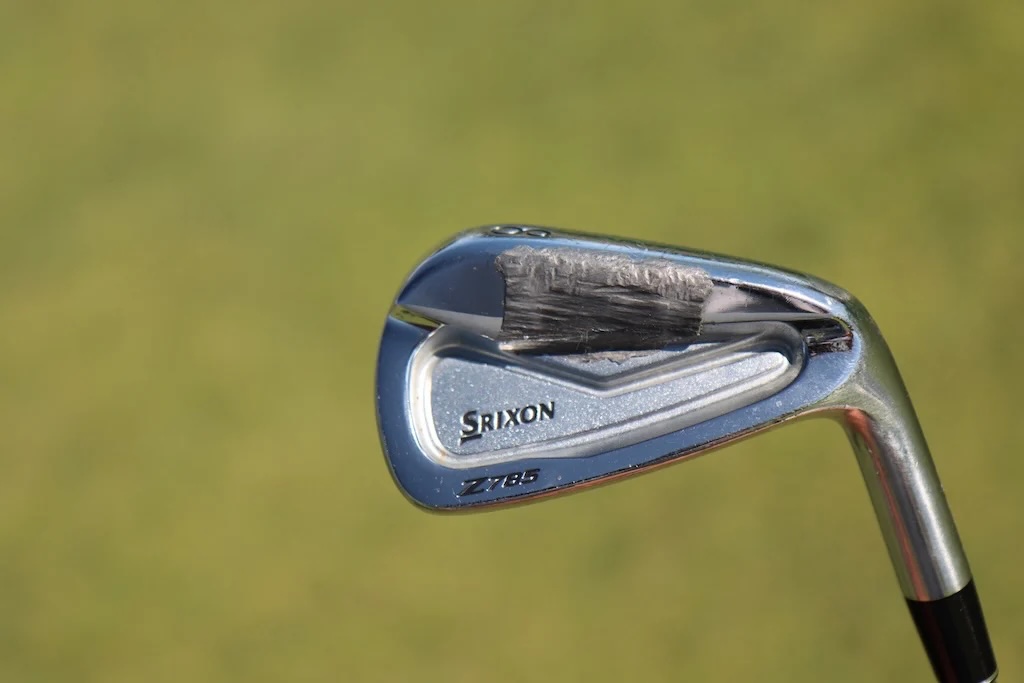
Irons: Srixon ZXiU (23 degrees), Srixon Z785 MB (5-PW)
Shafts: Project X HZRDUS Smoke Black RDX 100 6.5 (4), KBS Tour 130 X
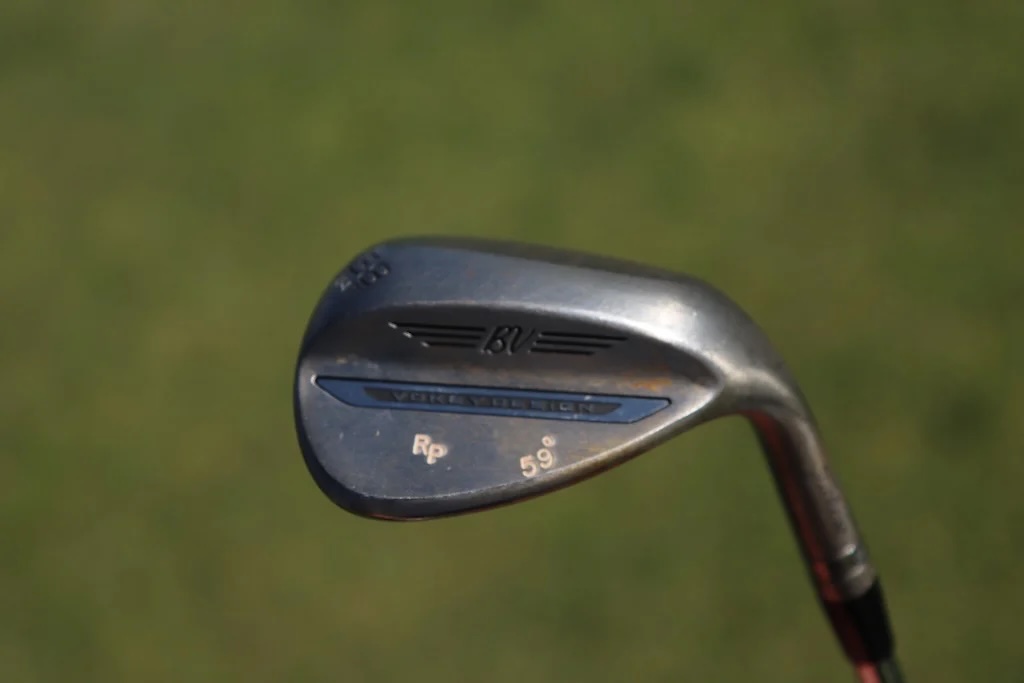
Wedges: Titleist Vokey Design SM11 (50-08F, 54-10S, 58-04T @59)
Shafts: KBS Tour 130 X
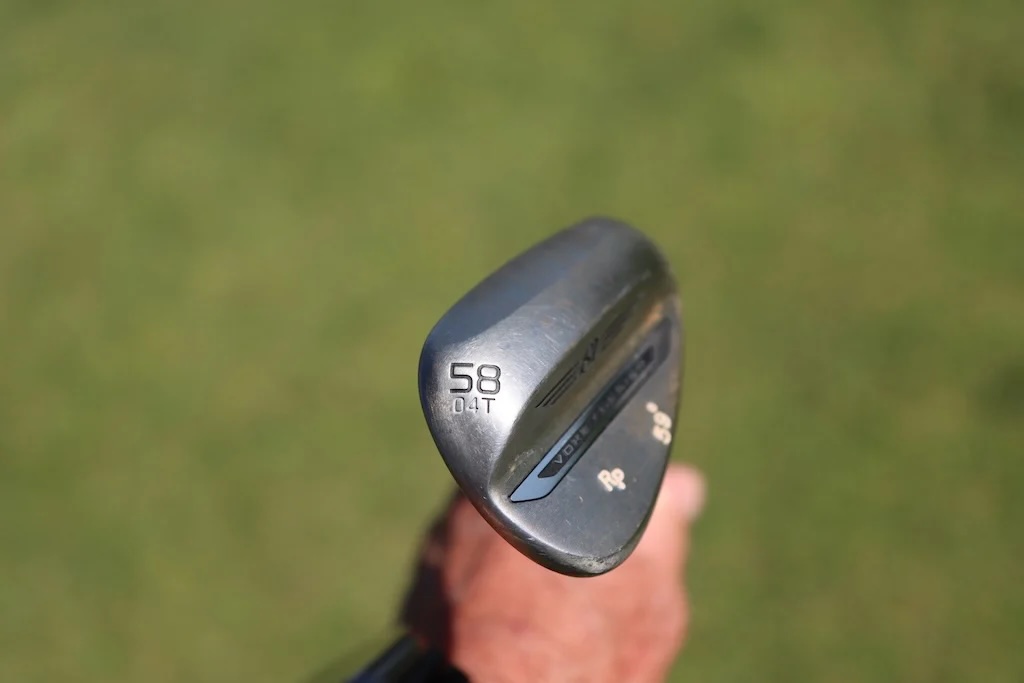
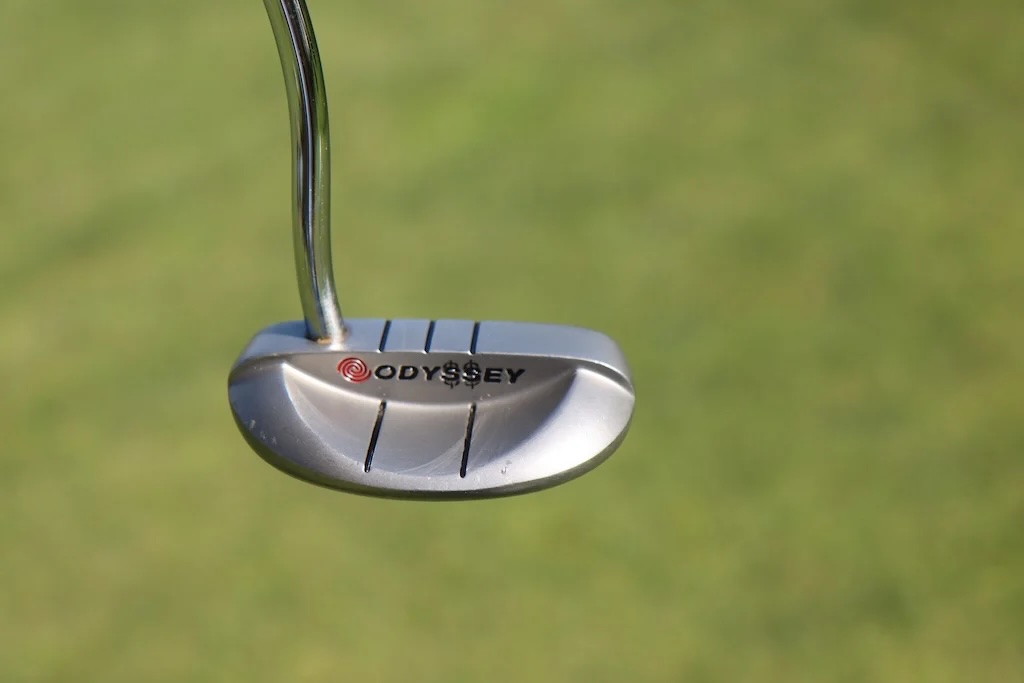
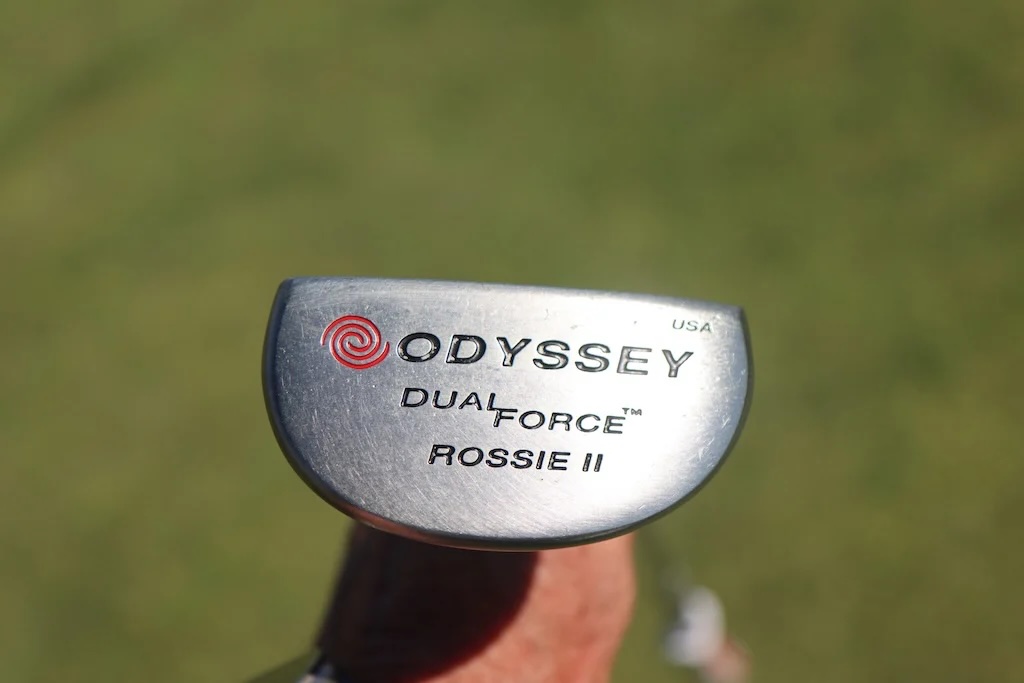
Putter: Odyssey Dual Force Rossie II
Ball: Titleist Pro V1x
Grips: Golf Pride Tour Velvet

Justin Rose WITB 2026 (April): Full WITB breakdown with new McLaren irons

What’s the story behind Webb Simpson’s custom-stamped irons?

Memorial Tournament Tour Report: Rory McIlroy, Cameron Young switch up drivers, and more

Cadillac Championship Tour Report: Spieth’s sizable changes, McLaren Golf launches, and more

Russell Henley’s winning WITB: 2026 Charles Schwab Challenge

Kristoffer Reitan’s winning WITB: 2026 Truist Championship

Best irons 2026: Best irons overall, most forgiving irons, and more

J.T. Poston’s winning WITB: 2026 Memorial Tournament

Aaron Rai’s winning WITB: 2026 PGA Championship

Cameron Young’s winning WITB: 2026 Cadillac Championship


Ryan Palmer WITB 2026 (June)
Driver: Callaway Quantum Triple Diamond (9 degrees) Shaft: Project X HZRDUS Smoke Blue RDX 60 TX 3-wood: TaylorMade Qi10 (15 degrees) Shaft:...


Bud Cauley WITB 2026 (June)
Bud Cauley had >14 clubs in his bag when photographed prior to the Memorial Tournament. Driver: Titleist GTS2 (8 degrees) Shaft: Fujikura...


Hannah Green WITB 2026 (June)
Driver: Titleist GTS3 (10 degrees, D4 SureFit setting) Shaft: Mitsubishi Chemical Diamana RB 53 S 3-wood: Titleist GT3 (15 degrees,...


Asterisk Talley WITB 2026 (June)
Driver: TaylorMade Qi4D (9 degrees) Shaft: Fujikura Ventus Blue 6 S 3-wood: TaylorMade Qi4D (16.5 degrees) Shaft: Fujikura Ventus Blue...
-
 Equipment6 days ago
Memorial Tournament Tour Report: Rory McIlroy, Cameron Young switch up drivers, and more
-
 News2 weeks ago
Russell Henley’s winning WITB: 2026 Charles Schwab Challenge
-
 Equipment3 days ago
Best irons 2026: Best irons overall, most forgiving irons, and more
-
 Whats in the Bag4 days ago
J.T. Poston’s winning WITB: 2026 Memorial Tournament
-
 Equipment1 week ago
Details on Jason Day’s latest prototype Avoda iron setup
-
 Equipment3 weeks ago
CJ Cup Byron Nelson Tour Report: Koepka and Kim’s newest putters finally get hot
-

 News2 weeks ago
Charles Schwab Challenge Tour Report: MacIntyre, Åberg and Spaun all switch putters, TaylorMade launches new Spider
-
 Equipment2 weeks ago
Details on J.J. Spaun’s surprise putter switch


Kent
Jun 1, 2014 at 11:13 am
Not sure that Adam Scott has ever been irrelevant, but did struggle with putting consistently. Before making the switch in 2010, Scott was outside the top 50 OWGR, and 168th in strokes gained putting. Fast forward…Number one in the world, yet still not a great putter. He’s never broken the top 100 in strokes gained putting. So, sounds to me like he’s a below average putter anyways, and that won’t likely change. But, I’m curious to see how his confidence on the short ones is affected once he is forced to make the switch.
Hugh C. Manutz
May 31, 2014 at 4:10 pm
My spider sense tells me that this whole thing will go like the groove change which became a non-story in very short order.
Jimmy D
May 31, 2014 at 9:49 am
It’s a shame that the USGA and R&A implemented a controversial rule change simply because their respective Opens were finally won by players using a method that doesn’t look “right”. The absurdity of their decision making is evidenced by the fact that ALL long putters will still be 100% legal in 2016 – they just can’t be anchored. So moving the grip fractionally away from the body makes it look better? And Kuchar-style anchoring will still be allowed, since that doesn’t look that bad (and no major wins). Nice Job…Way to protect the game!
Derek
Jun 2, 2014 at 10:34 pm
You are obviously misinformed Jimmy D.
The ban came about by the USGA and R&A because it fundamentally CHANGED the putting stroke. As mentioned several times below our comments, ANCHORING the putter was the issue. Not how it looked… It never had ANYTHING to do with how it looked. Anchoring the putter is fundamentally different from a golf “swing” because it is anchored to the body and more easily and securely moved from one position to the next.
Never once did the USGA or R&A officially state that they banned it because it looked “silly.”
They banned it because it is not a golf swing. Period. Agree or disagree, you’re not a PGA Tour player so you can still use them as much as you like and thats what I think is most important. It only affects pros. If amateurs want to use it because it makes putting easier for them and makes Golf more enjoyable and keeps/brings more players to the game then by all means use them.
But for a pro to anchor the putter and fundamentally make a secure stroke easier than that’s fine. (remember, it doesn’t make them any better at reading putts or hitting them the right weight. It just makes it easier to start it on whatever line you happen to be aiming down.)
Nevin
May 31, 2014 at 9:13 am
Overall I think it is a good thing that pro’s and top amateurs can’t anchor the putter. It definitely stablized the stroke and made it a bit easier, especially under pressure. If you are an amateur who doesn’t play in the top tournaments, and anchoring makes the game more fun, there is nothing to stop from continuing to use these clubs,
Derek
Jun 2, 2014 at 10:31 pm
I agree whole heartedly with your comment.
Gaz
May 31, 2014 at 7:33 am
It is disappointing to think that this putting style needs outlawing after 30 plus years. No body cared until recent times! People have started having some success with this style of putting recently and as it is different, we need to abandon it? Why now and not before people met with some success? If it looks so bad and is not conventional then how did it get a leg up in the beginning….. Such a traditionalist sport we play……. But however we accept titanium 460cc drivers, shaft lengths at 46″ to match drivers that are almost impossible to use accurately. A slick coated hard/ durable golf ball that flies further and more straight than ever. Perimeter weighted irons……..who remembers persimmon blocks and blade irons? Hell we even played acushnet brass putters, zebra’s and a Ping anser putter was a luxury….. Get over yourselves, accept it and realise that golf is moving on….We play a difficult game and I believe as a PGA Golf Professional and coach of students for more than 20 years, we need to move with the times. Titanium drivers? Broomstick or belly putter, get over it.
It is ridiculous to suggest those who have won big tournaments in the past ( Adam Scott ) can not do so again in the future with a short flat stick should they need to…….I personally do not know why they should have to consider it!
Derek
May 30, 2014 at 8:10 pm
Hey just thought I’d throw in my 2 cents.
2 everyone that says that people who switched to longer putters are no better/worse are sadly mistaken.
Multiple players since switching to longe putters have won big tournaments (Majors) Bradley and Scott included. I’m not going to sit here and pretend that either player was irrelevant before switching because that’s completely false. However, I will sit here and tell you that their PUTTING has improved to a level that allowed them to win a Major tournament.
Will they get better or worse now that they have to go back? Who really knows. Maybe the confidence that the longer putters gave them will sustain them throughout their careers. Any real golfer knows that this game is 90% mental. So that argument is a moot point anyways.
My biggest concern with putting is that it fundamentally makes putting easier. Whether you suck at judging weight or read is a different matter. But it essentially makes a stable putting stroke easier. Moreover, NO OTHER CLUB is anchored to the body which technically removes the “swing” aspect out of golf. Which I also don’t agree with.
Love or hate, as stated in the article, pros will do what they can with the very best available to continue to be the best premier golfers on the planet. I am in full agreement with the ban on the PGA Tour but feel as though anything below Web.com and NCAA golfers should be allowed to use (Tourny or non-Tourny)
Just my (educated) 2 cents.
Thanks!
Bob
May 31, 2014 at 8:43 am
Robert Garrigus won after switching from long anchored putter to conventional length and style.
momo
May 30, 2014 at 4:21 pm
Don’t get me wrong, I love the guy. Love watching him play. BUT he was a miserable putter until 2011. He was always great from tee to green. He was really slumping prior to using the long putter.
TheLegend
May 30, 2014 at 2:20 pm
Well lets talk about what traditional golf really is. Since the beginning of golf we have tried to find better rocks to hit better sticks to hit the rock with and so on. The game has always been that way. That is one of the fun parts about this game. Now we are gonna tell people how they can play? This is very wrong. Its really not how golf was meant to be played. I guess im gonna go around now and tell people you cant hit cuts and you can only use this kinda ball and everyone has to play the same clubs. This rule only takes the magic out of the game. Theses people have NOOOOOOO evidence that an ancored putter helps.
Jim
May 30, 2014 at 10:35 pm
Actually the rules of golf already dictate how to play with some clubs. You arent allowed to putt using a croquet “between the legs” stroke either, and by extension you cant use a club specially created to support that stroke. I dont know when that rule came in, but my point is that refining those existing rules for another stroke / club is not new. So yes, I support flexibility and imagination and choice of compliant equipment, but I also acknowledge that the game has always had constraints on how far you could go with that.
Momo
May 30, 2014 at 12:08 pm
Im glad to see he made the change. Scott will have to do the same. I do beleive Scott will drop in the rankings once he shortens his putter. Scott was irrelevant before he started anchoring his putter.
Clemson Sucks
May 30, 2014 at 12:20 pm
He’s won a 1 major since anchoring his putter. He won a Player’s Championship with a shorter putter. Shouldn’t affect him that much.
thefullsp
May 30, 2014 at 12:56 pm
Saying Adam Scott was irrelevant before the long putter is a little harsh methinks.
MHendon
May 30, 2014 at 4:51 pm
Not only harsh but a little ignorant. Tells me he didn’t know much about the guy before he switched.
West
May 30, 2014 at 5:48 pm
Maybe a little harsh, but will be interesting to see how he is able to adjust…