
Equipment
Best driver 2026: The best drivers for high, mid, low swing speed golfers

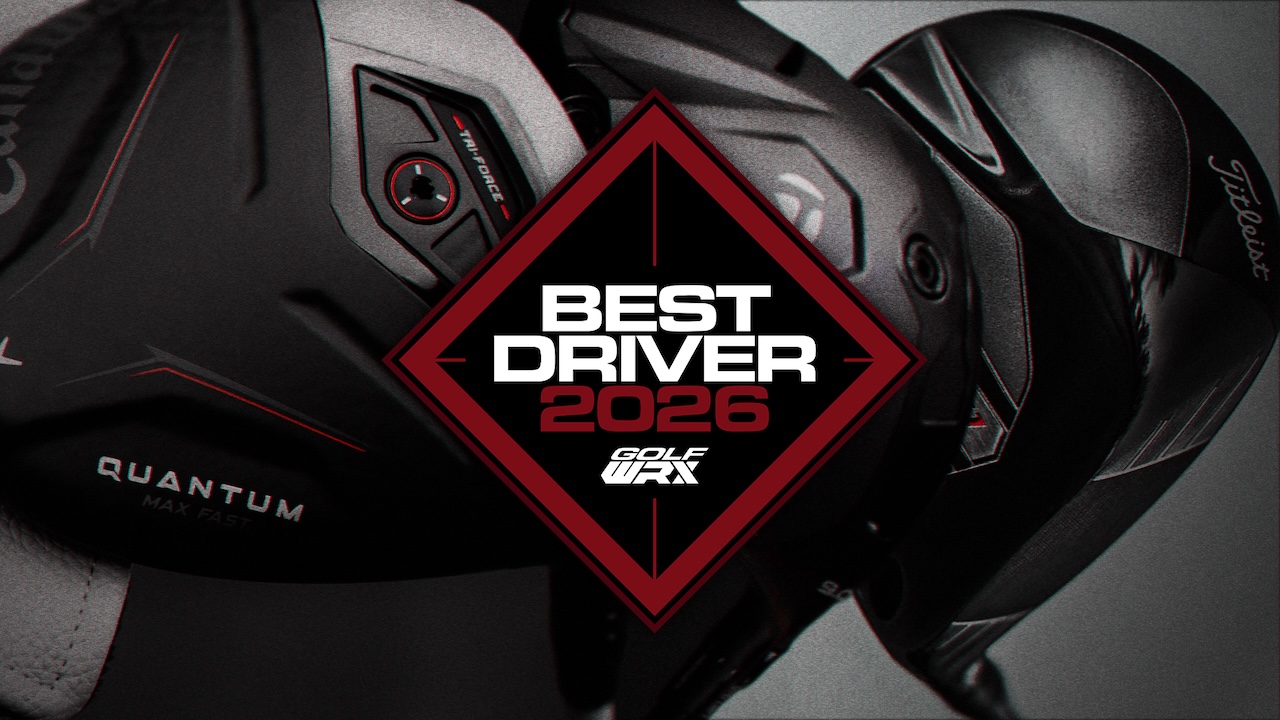
What’s the best driver of 2026? Well, it depends on your swing speed — and plenty of other factors, best determined in a professional club fitting. However, we know many golfers will insist on grabbing something off the rack to test. If that’s your preference, we have you covered with our short list of models most likely suited to you.
Best driver 2026: How we did it
For the past couple of incarnations of “best driver,” we have pointed out that we continue to exist in an era of not just maximizing distance but also minimizing the penalty of common misses for each player with the driver. Discretionary weight within the driver is also at an all-time high, so engineers can provide the widest range of performance characteristics in the metalwood era. Additionally, all manufacturers continue to lean further into a component approach to the driver, seeking to improve the crown, the sole, the face, the hosel, etc, independently.
 We have again broken our 2026 best drivers list into four total categories. Three are swing speed-based, and the other is forgiveness.
When we reconfigured our Best Driver process in 2021, we reached out to our trusted fitters to discuss how they sort through the endless head combinations available to golfers. Time after time, swing speed and forgiveness were the highest-ranked choices. We reconfirmed this for 2026.
We continue to select this format because every golfer fits into one of these categories regardless of age, handicap, or gender, and for a lot of golfers, forgiveness is the number one factor when selecting a driver.
Without further ado: Best driver 2026.

Best driver for high swing speed
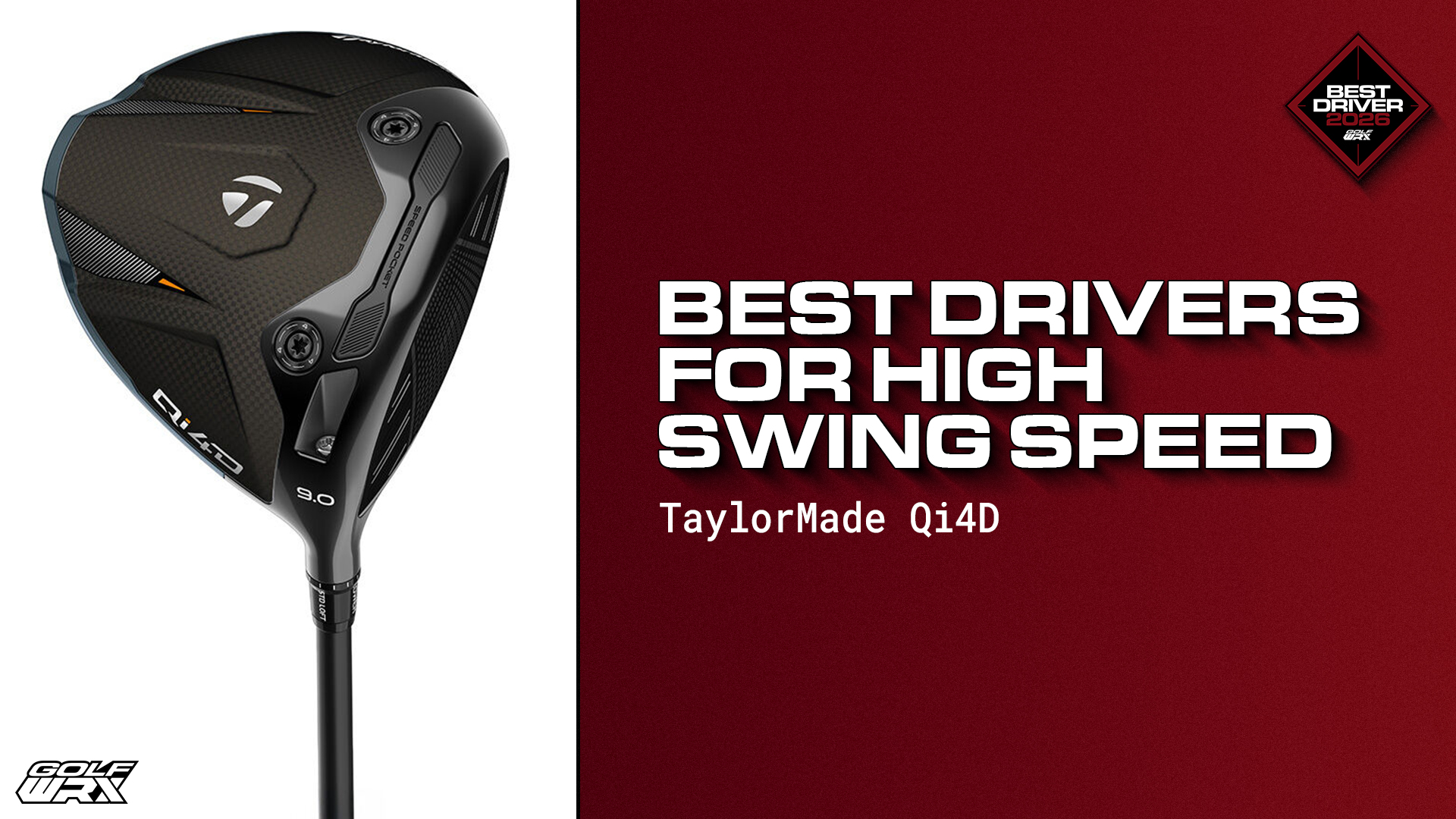
TaylorMade Qi4D
From our launch piece: “As has been the case throughout the company’s “Carbonwood Era,” the Qi4D lineup is built around a carbon face design that TaylorMade emphasizes is lighter than titanium and more efficient at generating ball speed. For the Qi4D, the face has been redesigned with a new roll radius intended to reduce spin variability on high and low strikes. This improves launch and distance consistency across the vertical impact area. Additionally, a redesigned cut-through Speed Pocket, which was developed using finite element analysis, aims to improve face flexibility low on the face, an area where many players tend to miss.”
For the technology breakdown, check out the full story.
Fitter notes
Pro:
- High degree of spin control with the ability to go higher in loft than normally needed. Still offers forgiveness when fit correctly.
- This is the best TaylorMade driver in the last 5 years. Very stable and very fast compared to the 2026 lineup.
- The consistency this driver has while also having the 4 different weight ports is awesome from a fitting standpoint. Match that up with TaylorMade’s adapter settings. It’s a threat to be reckoned with. This driver is the driver TaylorMade needed for the past 2 seasons.
Con:
- The biggest negative to this driver is the fact that the fitting equipment looks different than the consumer model.
- The biggest con I have gotten from customers is the color of the head.
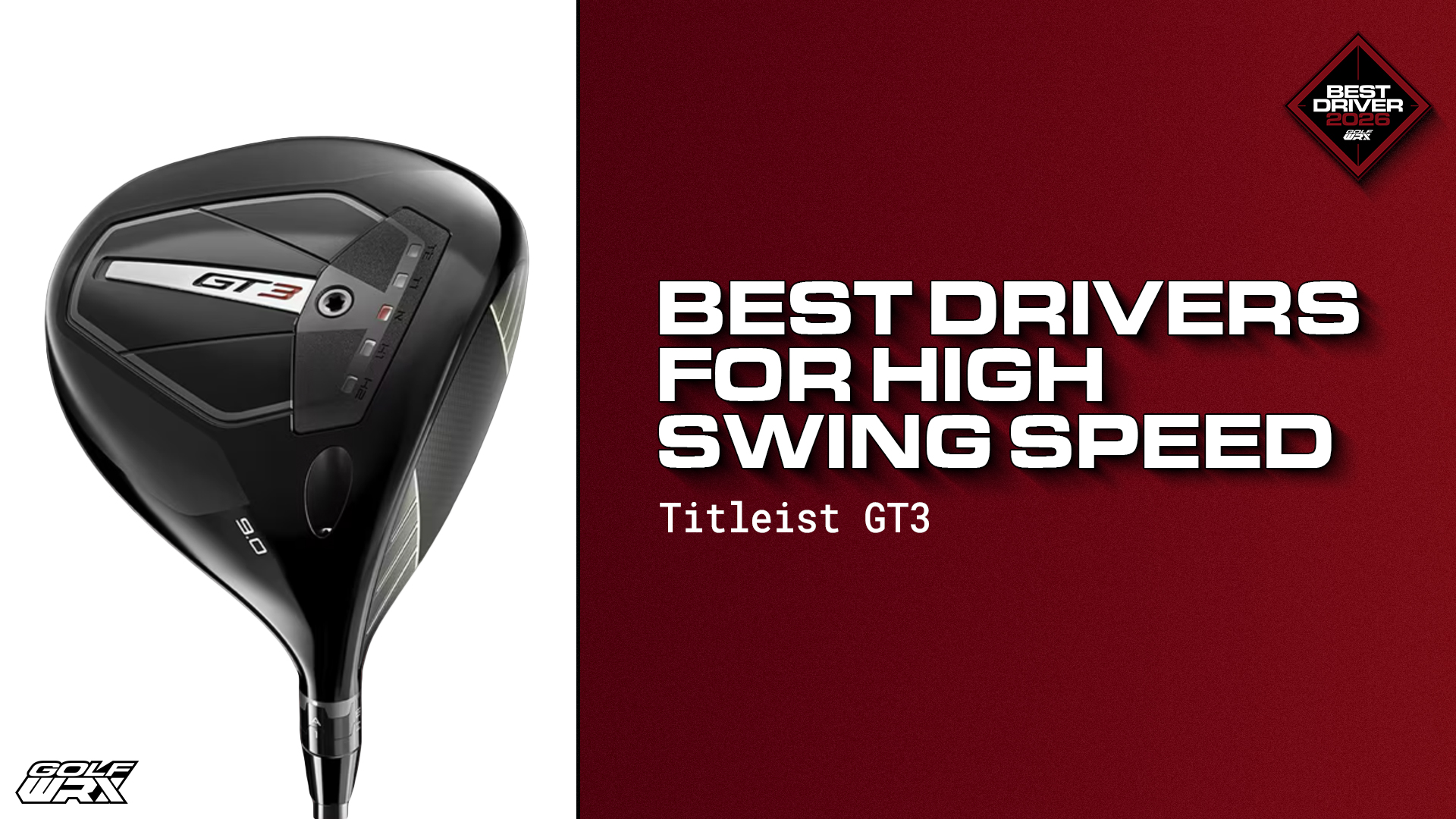
Titleist GT3
From our launch piece: “Titleist emphasizes it is pursuing total driver performance with its new GT line of drivers (in contrast to the market trend of designing primarily for consistency and forgiveness). That’s right, following the Titleist Speed Project, the folks in Fairhaven are still chasing (and delivering) ball speed, billing GT drivers as “faster, longer, straighter and more forgiving across the face” than previous offerings.:
For the technology breakdown, check out the full story.
Fitter notes
Pro:
- This is the perfect driver for those demanding speed, precision, and adjustability. An extremely fast face paired with a forward CG sliding weight and Surefit sleeve – the possibilities are endless. Great spin control is always a pro, and Titleist has knocked it out of the park here.
- Excellent ball speeds on off-center strikes. A true distance monster.
- Great ball speed for the faster swinger. Great adjustments.
Con:
- Maybe spins a bit much.
- A little too draw bias for some players
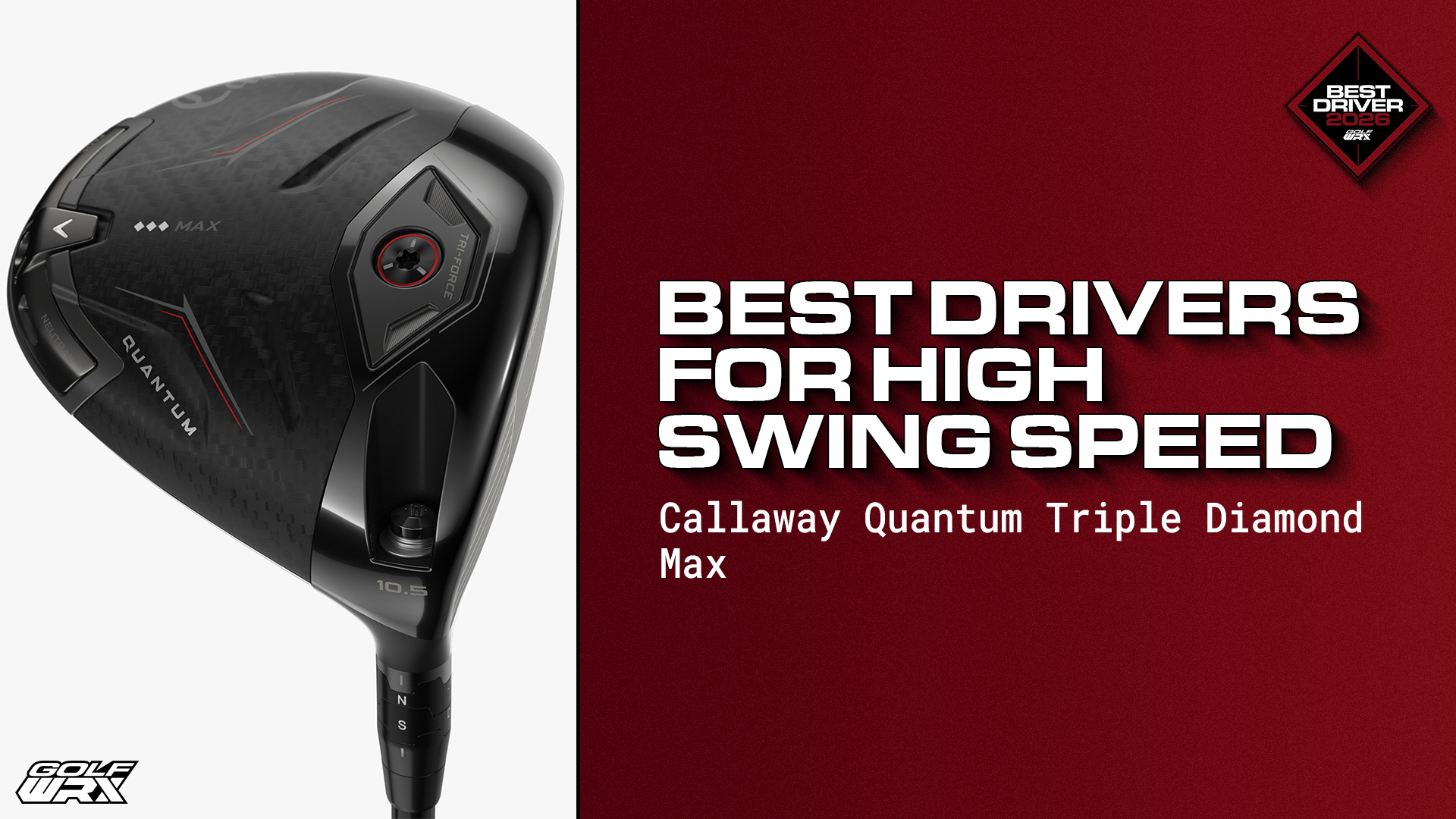
Callaway Quantum Triple Diamond Max
From our launch piece: “The headline innovation in the Quantum driver family is the Tri-Force Face. Callaway engineers layered titanium, a military-grade polymer, and carbon fiber into a fully integrated speed-producing system, and each material serves a specific purpose.”
For the technology breakdown, check out the full story.
Fitter notes
Pro:
- Extremely stable for a low spin driver, high ball speeds, and consistent.
- Great head and look at address. Ball speed and spin rate are much better this year.
- This driver is low spin with high ball speed. It offers great forgiveness on off-center strikes.
Con:
- Can get a bit spinny on low/heel strikes.
- Only con is that you can only move the back weight neutral or fade. Still needs a draw option for some players.
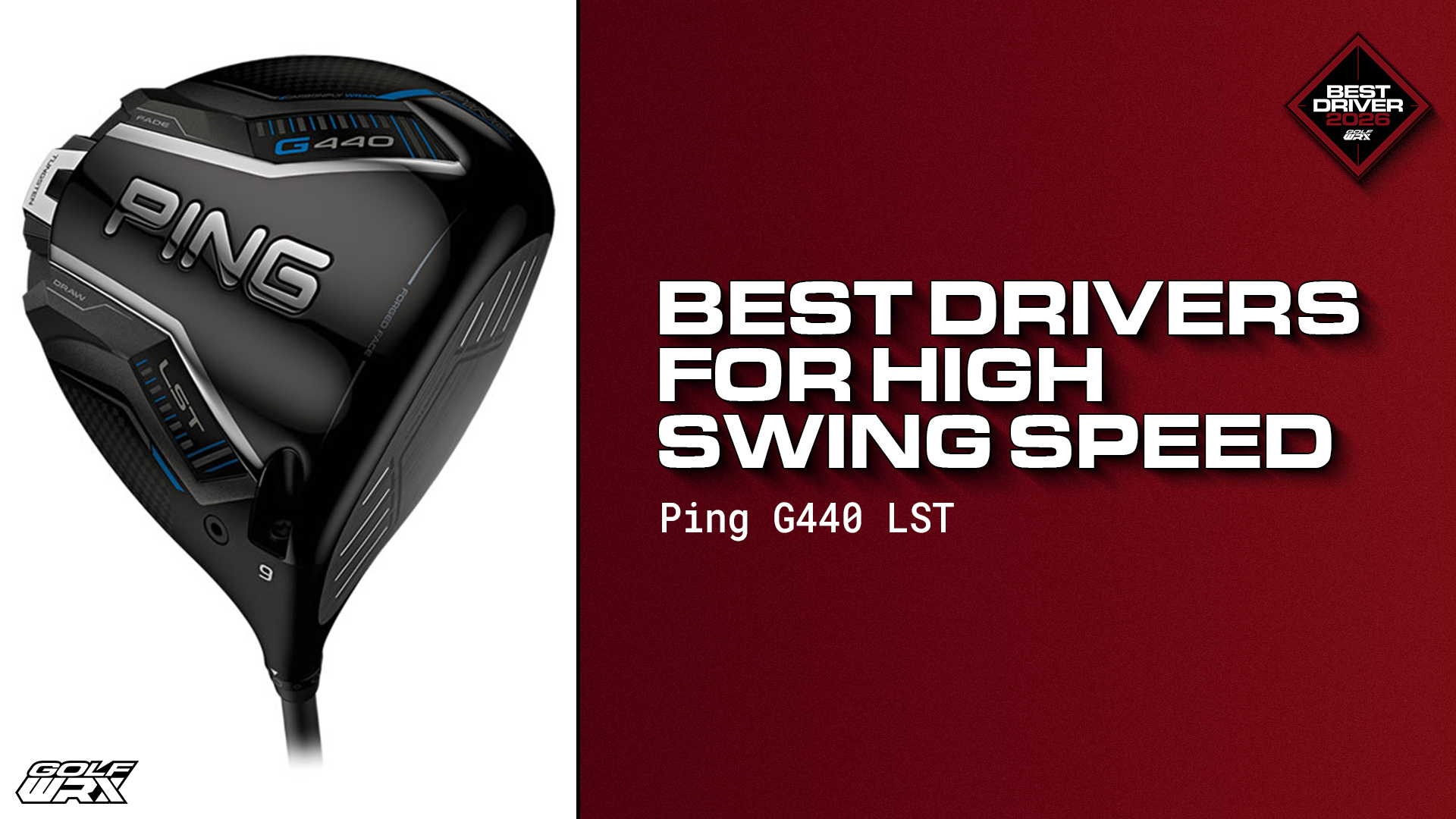
Ping G440 LST
From our launch piece: “Ping substantially refined the cosmetics of its flagship driver line with new G440 drivers. These don’t look like G430, G425, etc. The lowest center of gravity (CG) in company history and more speed are the key storylines for these sleeker-looking Ping woods. The low-spin driver also features a 29-gram rear weight in a 450cc design targeting faster swing speed players.”
For the technology breakdown, check out the full story.
Fitter notes
Pro:
- Very straight and forgiving for an LS head. Easy to hit.
- Most well-rounded driver. Uber consistent spin numbers, forgiving enough to give to different level golfers. Less distance oriented at times, but elite dispersion.
- Fairway finder with a ton of distance. Do not sleep on Ping.
Con:
- Ball speeds a little slower than the rest in this category.
- The con is that it’s always heavy, and it can create some inconsistency on the face.

Callaway Quantum Triple Diamond
From our launch piece: “Continuing to leverage artificial intelligence, Callaway, of course, is not just relying on innovative materials, and its Tri-Force Face is paired with next-generation artificial intelligence modeling. As it began with its Paradym Ai-Smoke drivers, Callaway has again used AI to precisely tune the entire driver face to optimize speed, launch angle, and spin consistency based on real player impact patterns.”
For the technology breakdown, check out the full story.
Fitter notes
Pro
- Great speed with this driver. The look of the head is much better than the previous TD model, and it can be low spin with the right player.
- The proverbial king of distance and accuracy. Callaway year after year somehow finds a way to make their drivers even better than the last. Fast, forgiving, good feel, great look. It does it all for the high-speed player.
- Perfect for the right high-speed guy. Probably best for the fastest drivers.
Con
- An absolute spin killer, but might be too draw-biased for some.
- Less forgiving and is tougher to fit the player who struggles with the block or slice miss, but wants to see something slightly smaller.
Best driver for mid swing speed
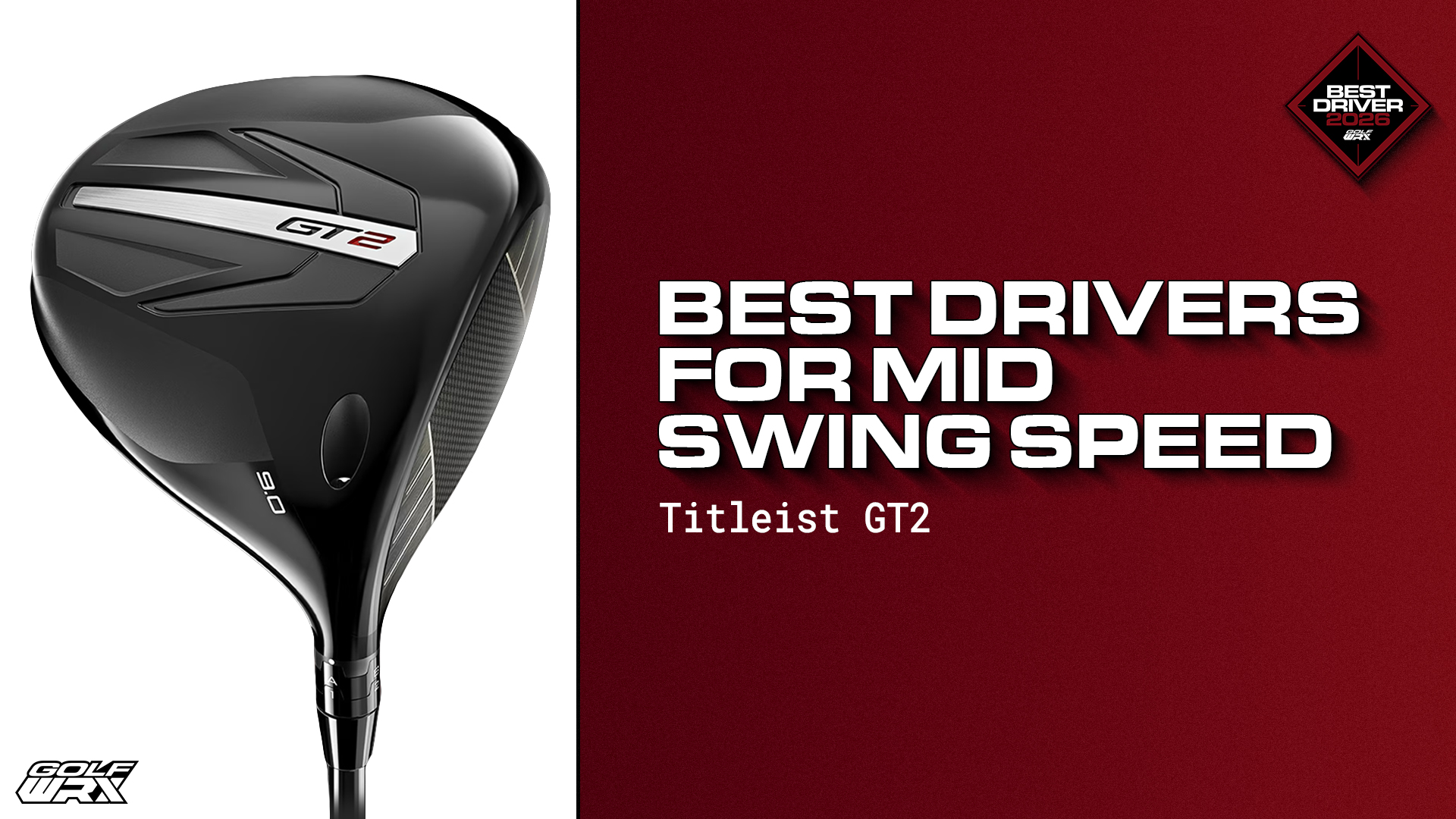
Titleist GT2
From our launch piece: “Titleist emphasizes it is pursuing total driver performance with its new GT line of drivers (in contrast to the market trend of designing primarily for consistency and forgiveness). That’s right, following the Titleist Speed Project, the folks in Fairhaven are still chasing (and delivering) ball speed, billing GT drivers as “faster, longer, straighter and more forgiving across the face” than previous offerings.:
For the technology breakdown, check out the full story.
Fitter notes
Pro:
- Titleist has delivered with the GT lineup. Classic black Titleist look with adjustability, and the best face technology they have ever had. Feel and performance have met in the middle.
- This driver is so fast. It has enough forgiveness that any player level could hit it with consistency. The multiple material constructions also provides familiar feel with low spin.
- Fast. Actually, very fast. Great launch condition when dialed with adjustability.
Con:
- Some think Titleist means hard to hit or for better players only, when that’s not the case.
- Size is large, and needs to be. Not as fast as the core model, which is very forgiving as well.
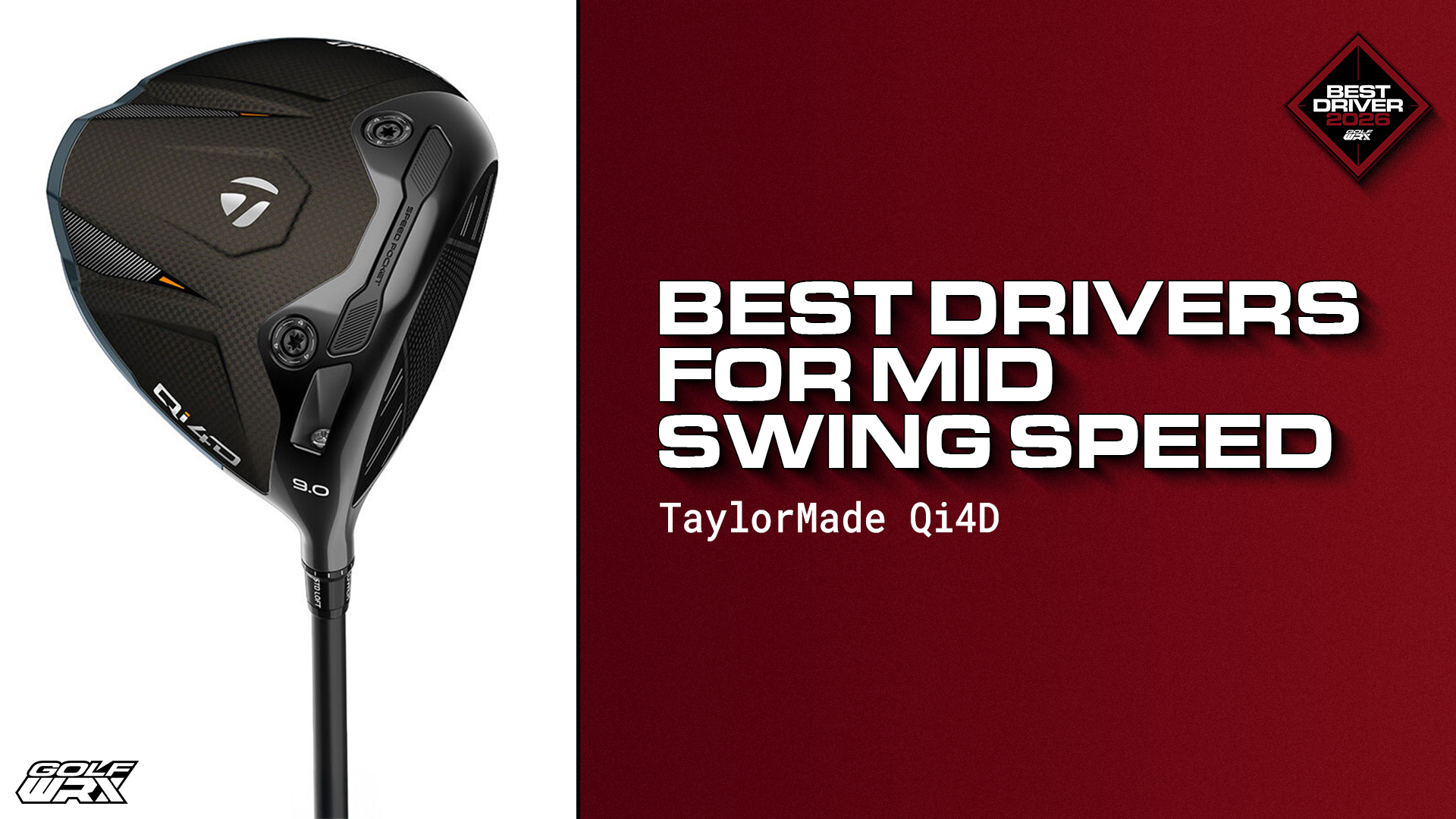
TaylorMade Qi4D
From our launch piece: “As has been the case throughout the company’s “Carbonwood Era,” the Qi4D lineup is built around a carbon face design that TaylorMade emphasizes is lighter than titanium and more efficient at generating ball speed. For the Qi4D, the face has been redesigned with a new roll radius intended to reduce spin variability on high and low strikes. This improves launch and distance consistency across the vertical impact area. Additionally, a redesigned cut-through Speed Pocket, which was developed using finite element analysis, aims to improve face flexibility low on the face, an area where many players tend to miss.”
For the technology breakdown, check out the full story.
Fitter notes
Pro:
- Solid feel and tight dispersion down range. Very hot across all areas of the face.
- They did a great job with basically releasing the dot head from last year on tour to the public in the core model. Spin is a little lower, sounds great, and is really consistent.
- Best driver on the market.
Con:
- I wish there was a greater variation in weights in the stock head 4 and 6 grams. They should have at least made it 8 and 2 grams.
- Can be a little inefficient with ball speed.
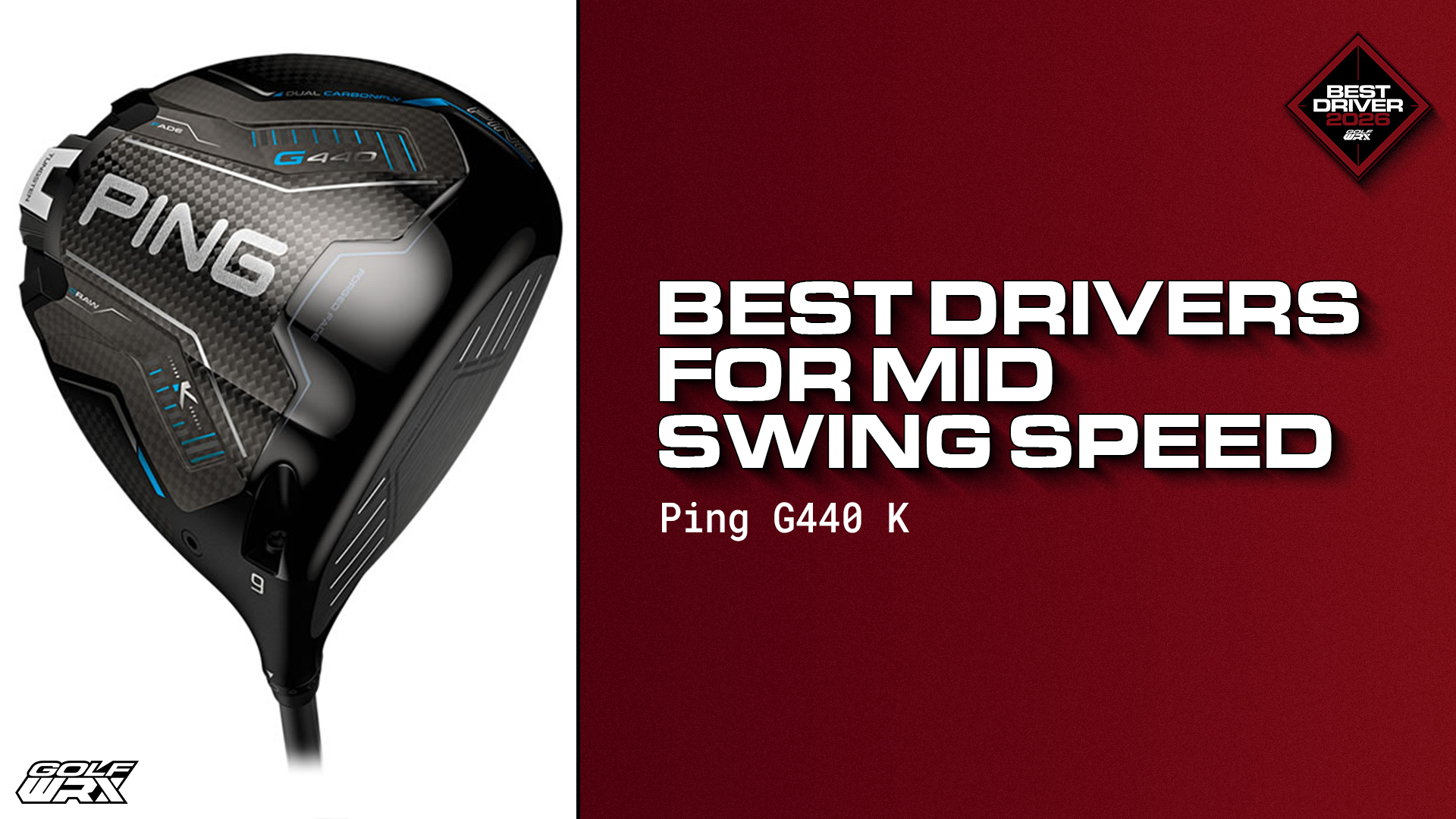
Ping G440 K
From our launch piece: “The first thing you will notice about the new driver is the extensive use of carbon fiber on the club’s sole. Ping created Dual Carbonfly Wrap in order to save additional weight for use around the perimeter of the head. This combination of titanium and carbon helps push the center of gravity deeper and lower in order to dial in the launch and spin. Typically, max forgiveness drivers have high launch and spin, but that can limit the types of golfers who find success with a driver.”
For the technology breakdown, check out the full story.
Fitter notes
Pro:
- This driver is great. It is incredibly stable. If the player is looking to hit more fairways and do so with a swing that has left them guessing, this driver is the one. It is long (not the longest) given how easy it is to swing.
- Really consistent and keeps ball in play really well.
- Just easy to hit. As easy as it gets.
Con:
- Little slower ball speed.
- Size is big, for obviously good reason. The spin can be hard for some swings to stay in line, but it will find fairways.
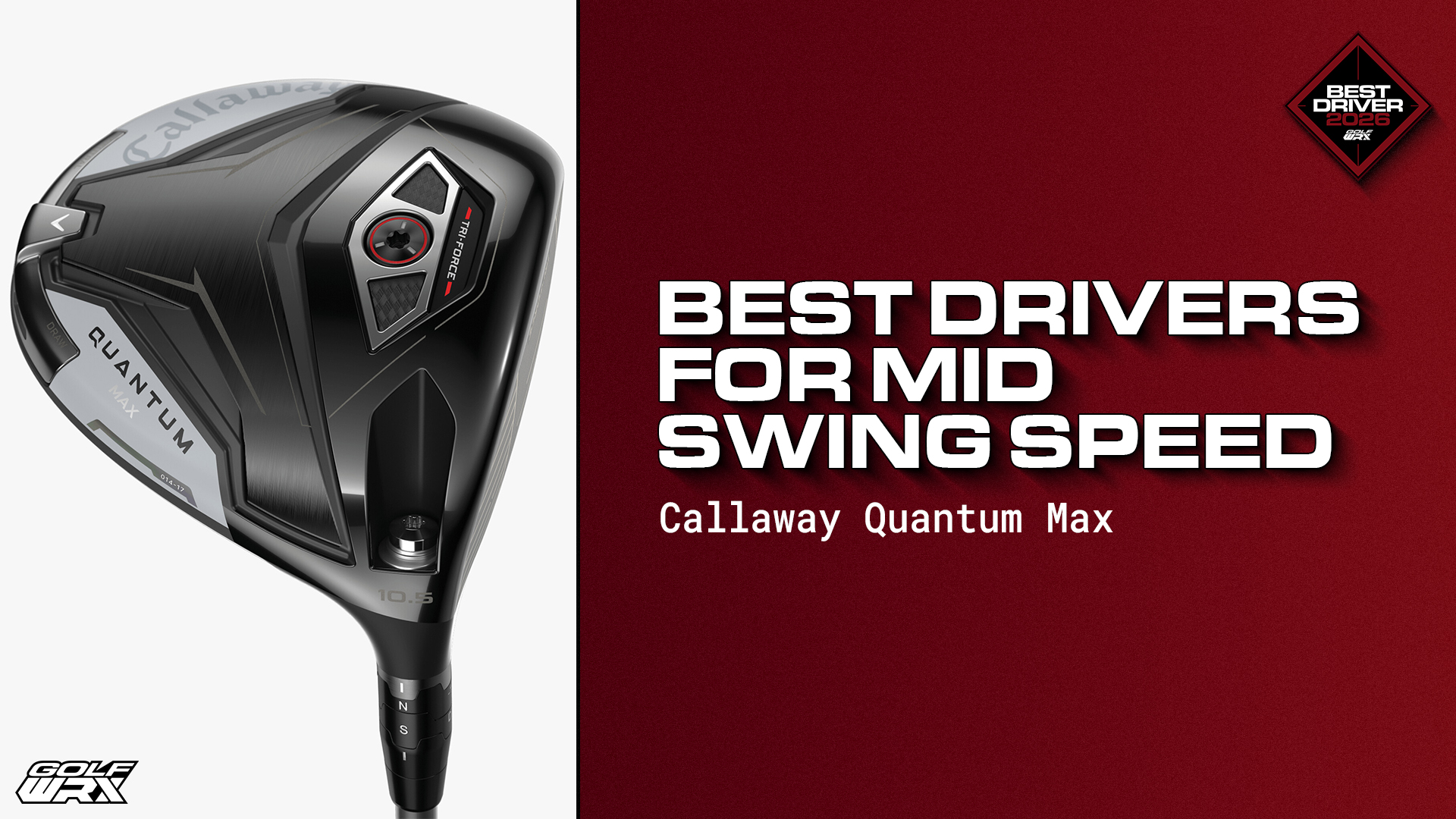
Callaway Quantum Max
From our launch piece: “The ultra-thin, high-strength titanium layer is engineered for ball speed off the face. Binding these layers together is Poly Mesh, a military-grade polymer that ensures structural integrity while still allowing the face to perform at its peak. Carbon fiber reinforcement is the third of the material, which is designed to allow the face structure to flex more at impact and recover faster, which maximizes energy transfer to the golf ball.”
For full technology breakdown, check out the full story.
Fitter notes
Pro:
- Similar ball speed to Triple Diamond Max with more forgiveness.
- Looks great at address and is easy to hit with consistent lower spin rates all across the face.
- Great speed and forgiveness across the face.
Con:
- Can lack a little distance compared to other drivers.
- Need to be able to make the weight in a fade position for this head.
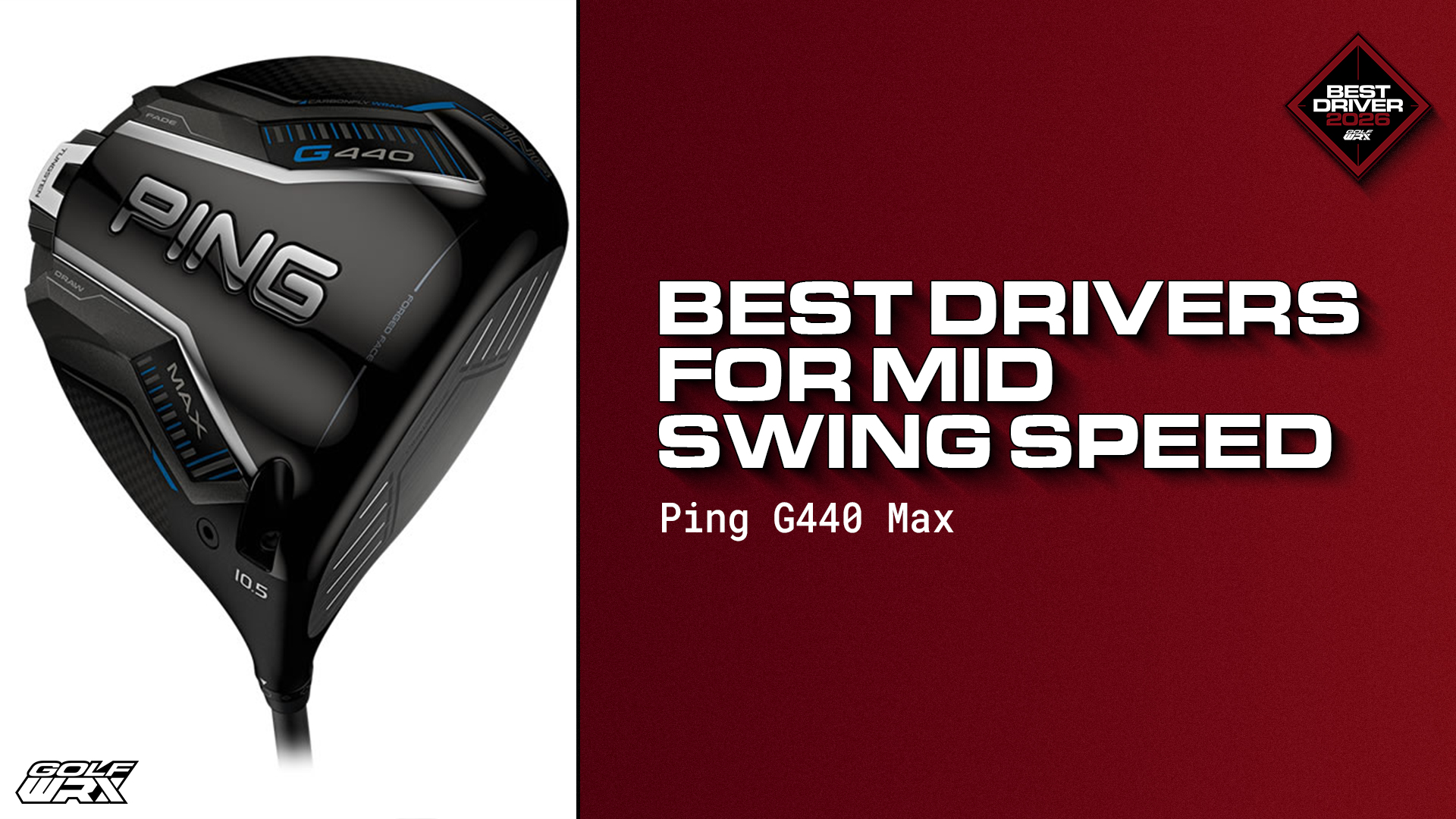
Ping G440 Max
From our launch piece: “Ping substantially refined the cosmetics of its flagship driver line with new G440 drivers. These don’t look like G430, G425, etc. The lowest center of gravity (CG) in company history and more speed are the key storylines for these sleeker-looking Ping woods. The most forgiving model in the lineup, this 460cc design features a three-position, 29-gram weight in the rear of the club.”
For the full technology breakdown, check out our launch piece.
Fitter notes
Pro:
- Easy to launch. Speed is there on center strikes. Sounds powerful. Very forgiving and very consistent with spin across the whole face.
- The most stable feeling head on the list, ball speed is better than the previous Ping drivers.
- Ping, I believe, is the golden standard in this category of 95-105 mph. With Ping’s stability and forgiveness, I believe it is unmatched compared to other brands. A Ping will always be in the Top 5 category for me for any skill level of golfer.
Con:
- Misses can fall short if loft is added at impact.
- I wish it would spin a little less.
Best driver for low swing speed

Ping G440 K
From our launch piece: “…The other advantage to using Dual Carbonfly Wrap is the added adjustability of the head so fitters and players can really make this driver perform for a certain swing or ball flight. The 32-gram weight is located at the back of the head and has 3 positions for a neutral, fade, or draw bias flight. Pushing that much weight back in the head increases the MOI and adds adjustability, something the G430 Max 10K didn’t have.”
For the technology breakdown, check out the full story.
Fitter notes
Pro:
- If you can embrace the styling, the 440K can get the ball downrange accurately with a lot of roll. For players in the 135-ball speed range, exceeding 240 yards is most effectively achieved with a roll-out on the fairway. The 440k will give you the best chance of consistently doing that.
- Absolutely the king here.
- Straight, fast, reliable like an old wrench. You gotta try this one for sure.
Con:
- Spins too much for any other category. Had little success outside of slower swing speeds.
- Even with a lighter shaft, it tends to be a bit heavy, but it is a very forgiving club.
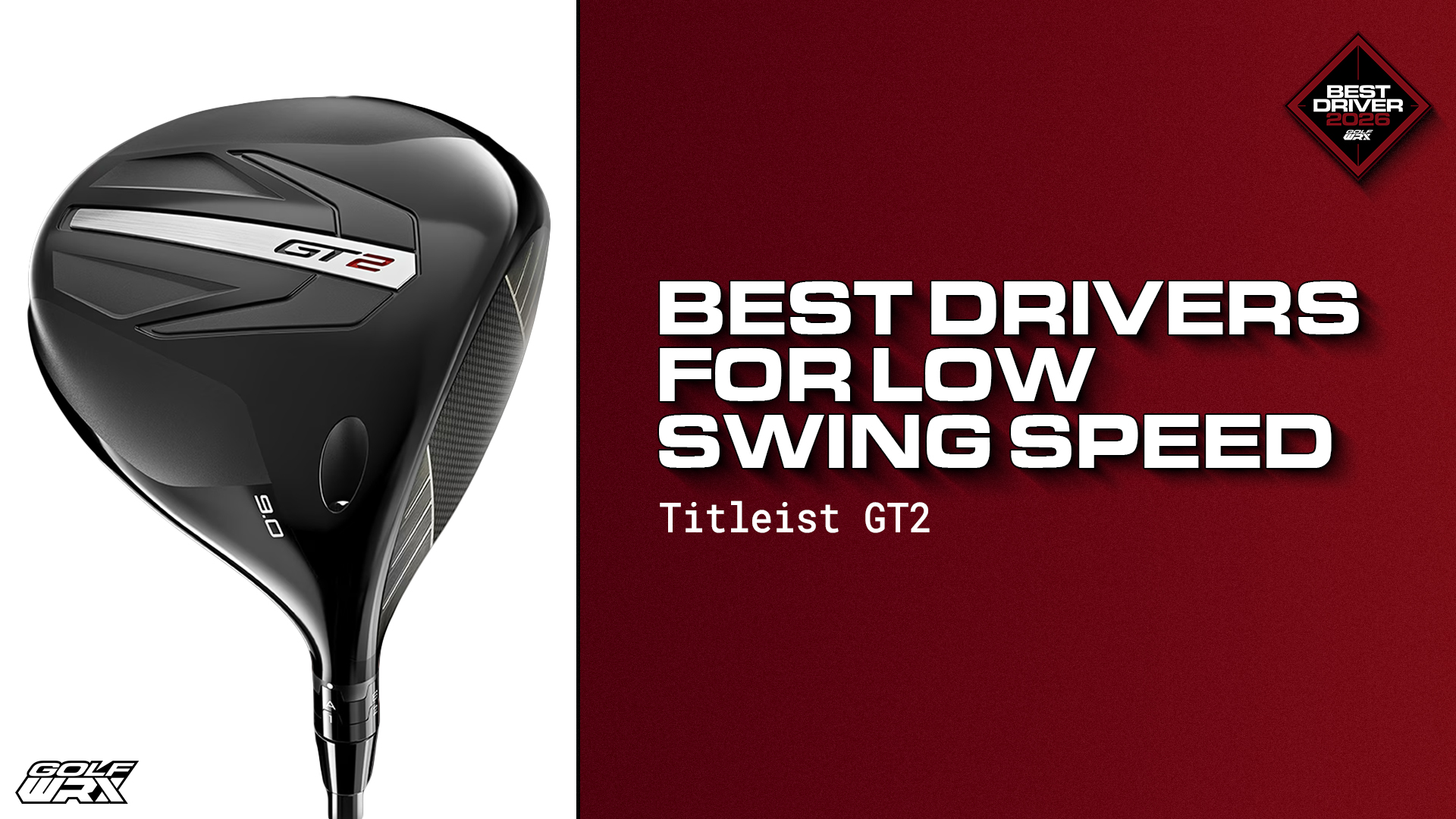
Titleist GT2
From our launch piece: “Titleist emphasizes it is pursuing total driver performance with its new GT line of drivers (in contrast to the market trend of designing primarily for consistency and forgiveness). That’s right, following the Titleist Speed Project, the folks in Fairhaven are still chasing (and delivering) ball speed, billing GT drivers as “faster, longer, straighter and more forgiving across the face” than previous offerings.:
For the technology breakdown, check out the full story.
Fitter notes
Pro:
- Great all-around head, could probably play this head at any speed.
- All around solid performer with the correct loft.
- Great distance, look, and forgiveness, and now at a lower price than the competition.
Con:
- May need a higher loft for a slower player.
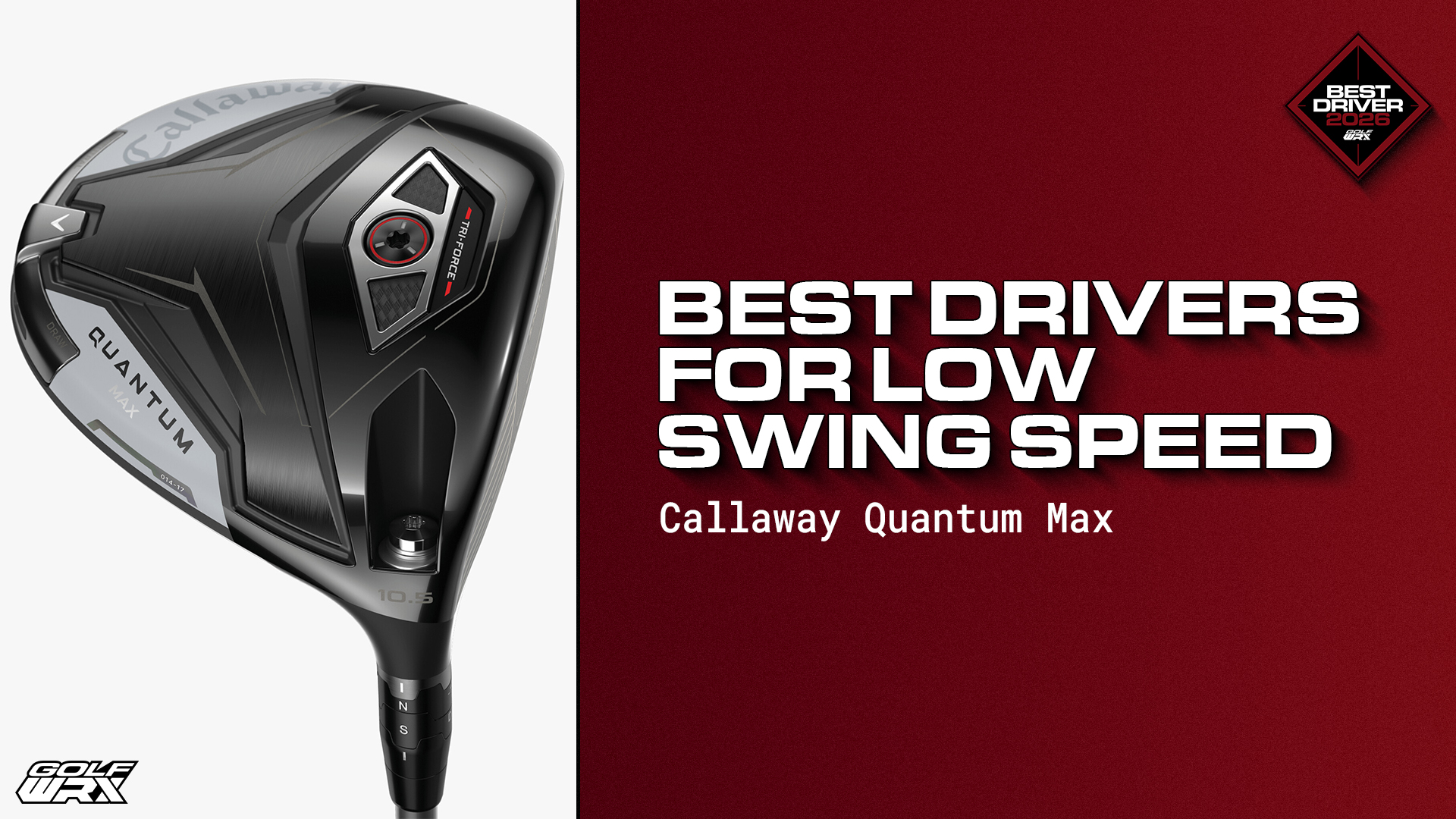
Callaway Quantum Max
From our launch piece: “Callaway’s new Quantum driver features centerpiece Tri-Force Face technology. With this multi-material, Callaway has, for the first time, integrated three distinct materials into a single driver face.
For the full technology breakdown, check out the full story.
Fitter notes
Pro:
- Forgiving and fast. Hard combo to beat.
- Looks great at address and is easy to hit with consistent lower spin rates all across the face.
- Super consistent, great sound and look, good blend of everything this player is looking for.
Con:
- It’s a little too low spin for some golfers.
- Need to be able to make the weight in a fade position for this head.
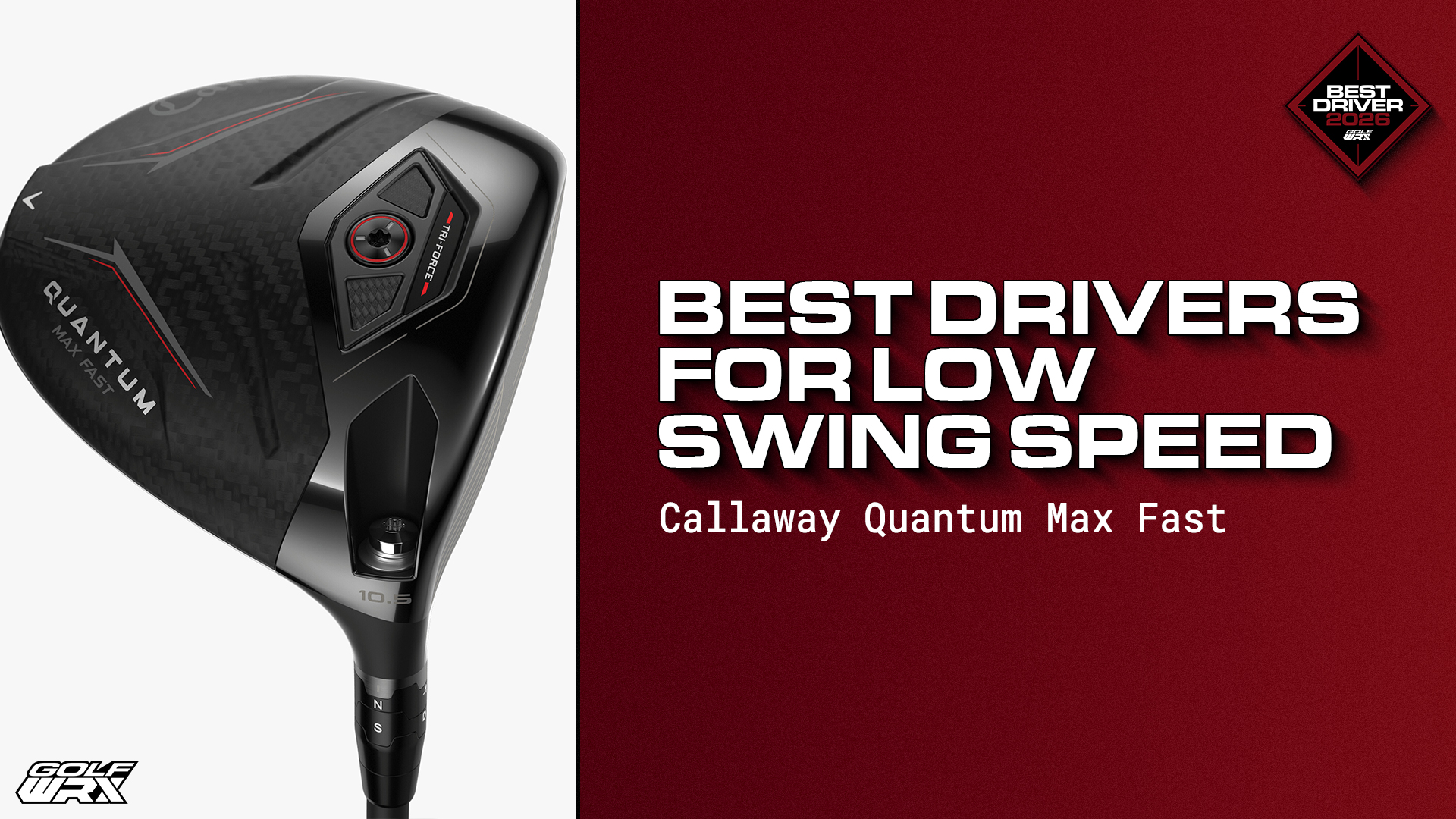
Callaway Quantum Max Fast
From our launch piece: “Specifically engineered for players seeking greater speed through a lighter overall system. The lightweight construction and high-MOI design, combined with a shallower face profile, help generate increased clubhead speed without requiring extra effort.”
For the technology breakdown, check out the full story.
Fitter notes
Pro:
- If light weight is needed, which at this club speed can be, the adjustability with this club is great. The face generates a lot of consistency with mishits.
- Allows the slower swinger to get more ball speed for longer tee shots.
- The proverbial king of distance and accuracy. Callaway, year after year, somehow finds a way to make their drivers even better than the last. Fast, forgiving, good feel, great look. The Max Fast line is great for the lower club head speed players. The lightweight carbon design with a fast face generates distance and height for players at lower speeds.
Con:
- The club can look closed at address.
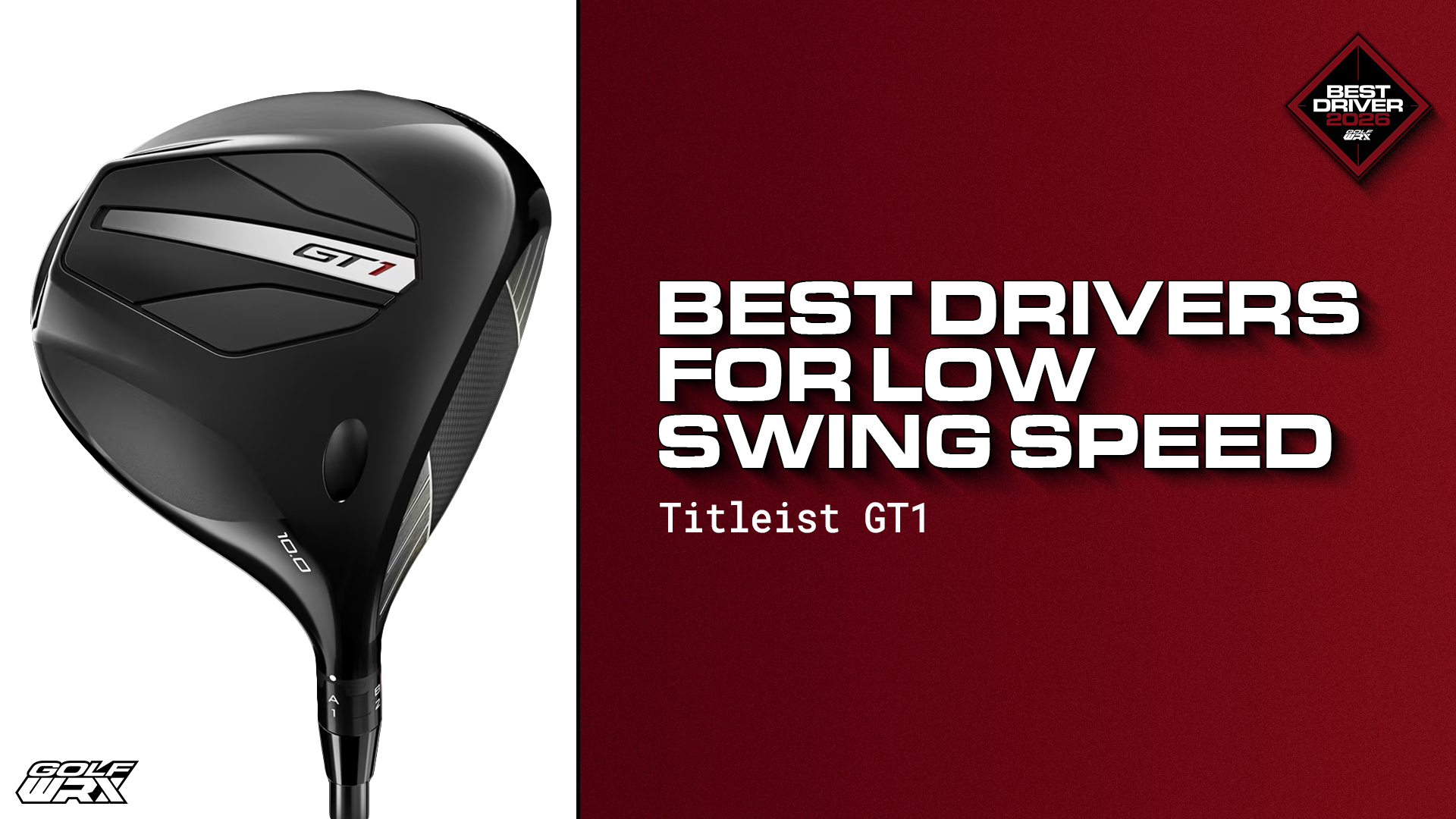
Titleist GT1
From our launch piece: “Breaking with titanium tradition, Titleist leveraged an ultra-light Proprietary Matrix Polymer for the crown of the club to allow for precise mass placement for the unique objectives of each model in the GT line. Tuning PMP materials also allowed engineers to deliver “Titleist sound and feel.” Engineers wrapped the crown to the sole via an “advanced thermoforming process,” which eliminates any visible seam between the materials for a cleaner look in the three-times-lighter-than-titanium crown.”
For the technology breakdown, check out the full story.
Fitter notes
Pro:
- Most forgiving Titleist driver and easy to launch.
- Titleist has delivered with the GT lineup. Classic black Titleist look with adjustability, and the best face technology they have ever had. Feel and performance have met in the middle. With GT1, Titleist has brought this driver’s performance in line with its higher-speed cohorts in the GT line with ease.
- Lightweight design helps generate a bit more speed, while the head shape allows for a wider contact area.
Con:
- Lots of spin.
Most forgiving driver

Ping G440 K
From our launch piece: “Like the current Ping G440 driver line, the G440 K is built on a cast titanium 811 body with a T9S+ titanium face. This construction makes a strong head with a fast, flexible face for increased speed across the entire area. I think the G440 models offer some of the best sound Ping has ever engineered into a head, and the G440 K keeps with that tradition. Sole ribs and a crown bridge mute the sound waves and vibrations to give the driver a muted sound and soft feel.”
For the technology breakdown, check out the full story.
Fitter notes
Pro:
- It’s literally maximized the math and created the best balance of forgiveness and low spin. A true fly swatter with unmatched driving stats.
- The Ping G440 K is super easy to hit and has great spin consistency. I am glad they made the weight movable this year. No cons.
- Super straight and stable driver. This thing is a fairway finder.
Con:
- Lighter vs the past, this may feel different if playing a Ping, trying this one for the first time
- I wish it would spin a little less.
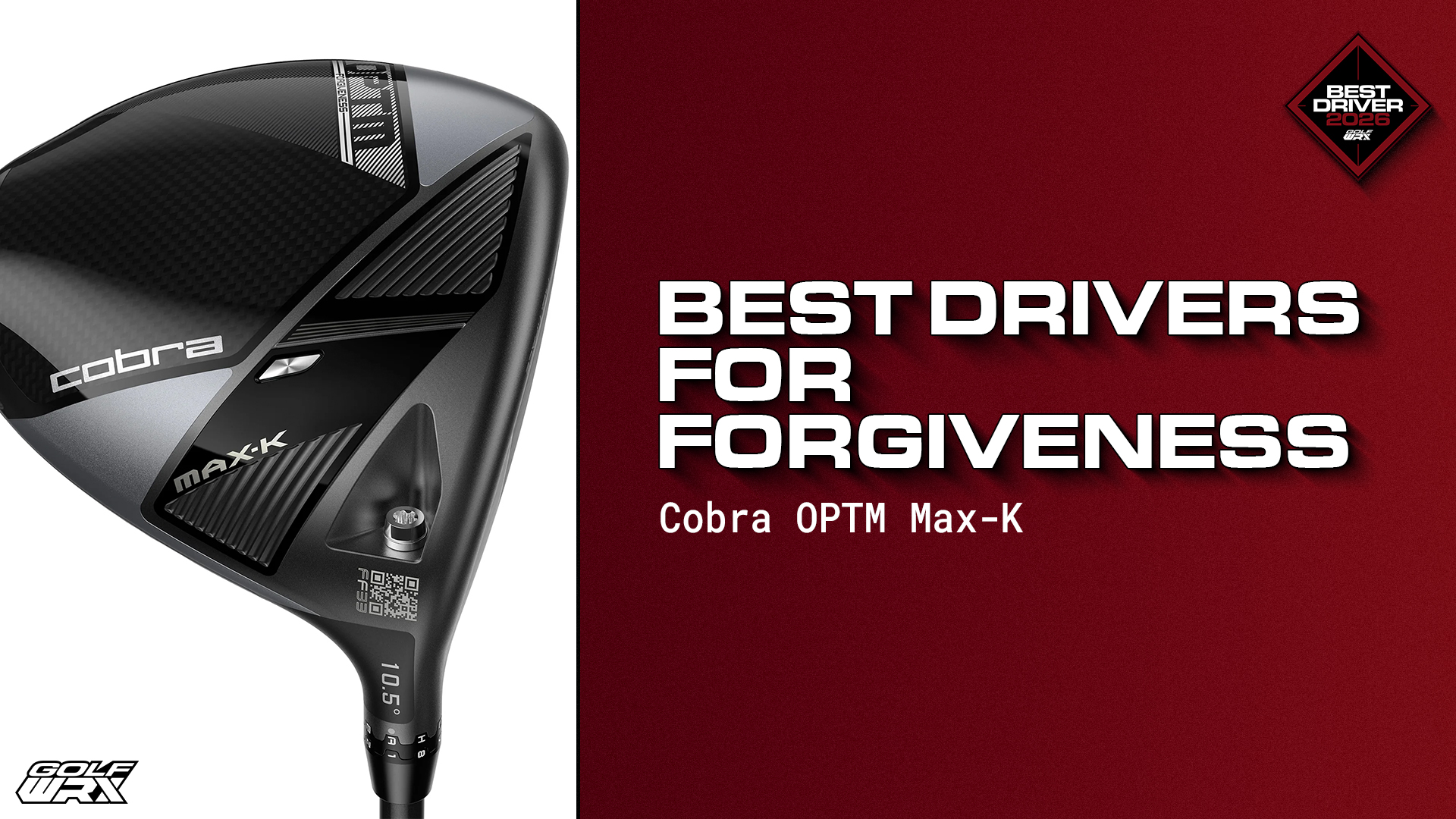
Cobra OPTM Max-K
From our launch piece: “Cobra’s 2026 OPTM driver family introduces what the company calls a breakthrough in accuracy technology: POI (Product of Inertia) design. Cobra says the new drivers promise to reduce shot dispersion by up to 23 percent through a combination of optimized shaping and strategic weighting. Positioned as the most forgiving model with the highest MOI, the Max-K features an oversized profile and a fixed 11-gram rear weight.”
For the technology breakdown, check out the full story.
Fitter notes
Pro:
- Forgiveness all over the face, a great distance for this type of club.
- Most forgiving and accurate Cobra driver I have ever hit.
- Very stable and forgiving. Ball just goes straight!
Con:
- Can look closed at address.
- Adapter can be a bit confusing for some.
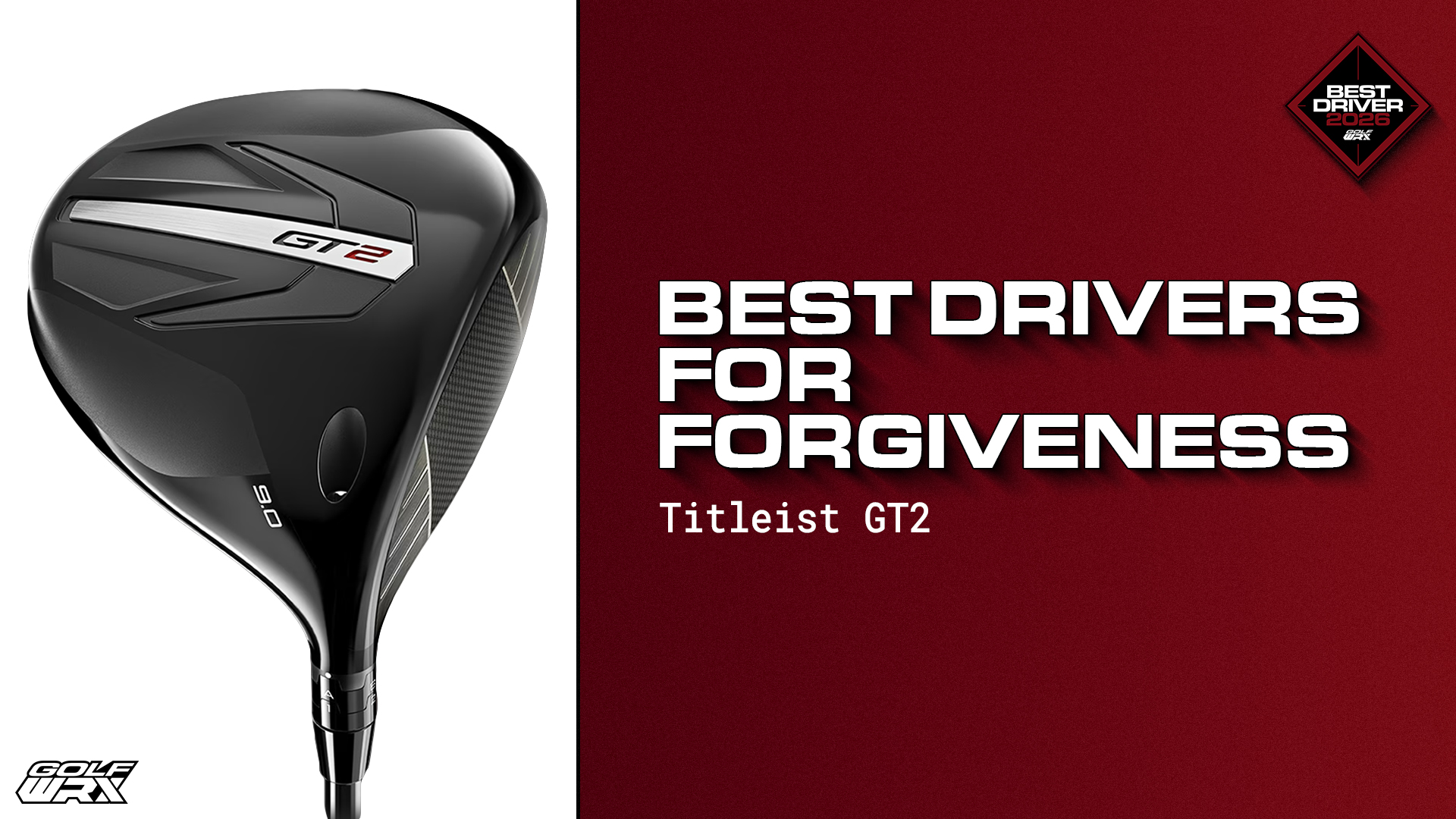
Titleist GT2
From our launch piece: “Titleist emphasizes it is pursuing total driver performance with its new GT line of drivers (in contrast to the market trend of designing primarily for consistency and forgiveness). That’s right, following the Titleist Speed Project, the folks in Fairhaven are still chasing (and delivering) ball speed, billing GT drivers as “faster, longer, straighter and more forgiving across the face” than previous offerings.”
For the technology breakdown, check out the full story.
Fitter notes
Pro:
- Fast and extremely forgiving!
- Extremely stable and easy to hit driver that does not penalize misses too drastically.
- Its combination of lightweight components makes this a winner with slower players.
Con:
- Not a lot of help for the player who slices it.
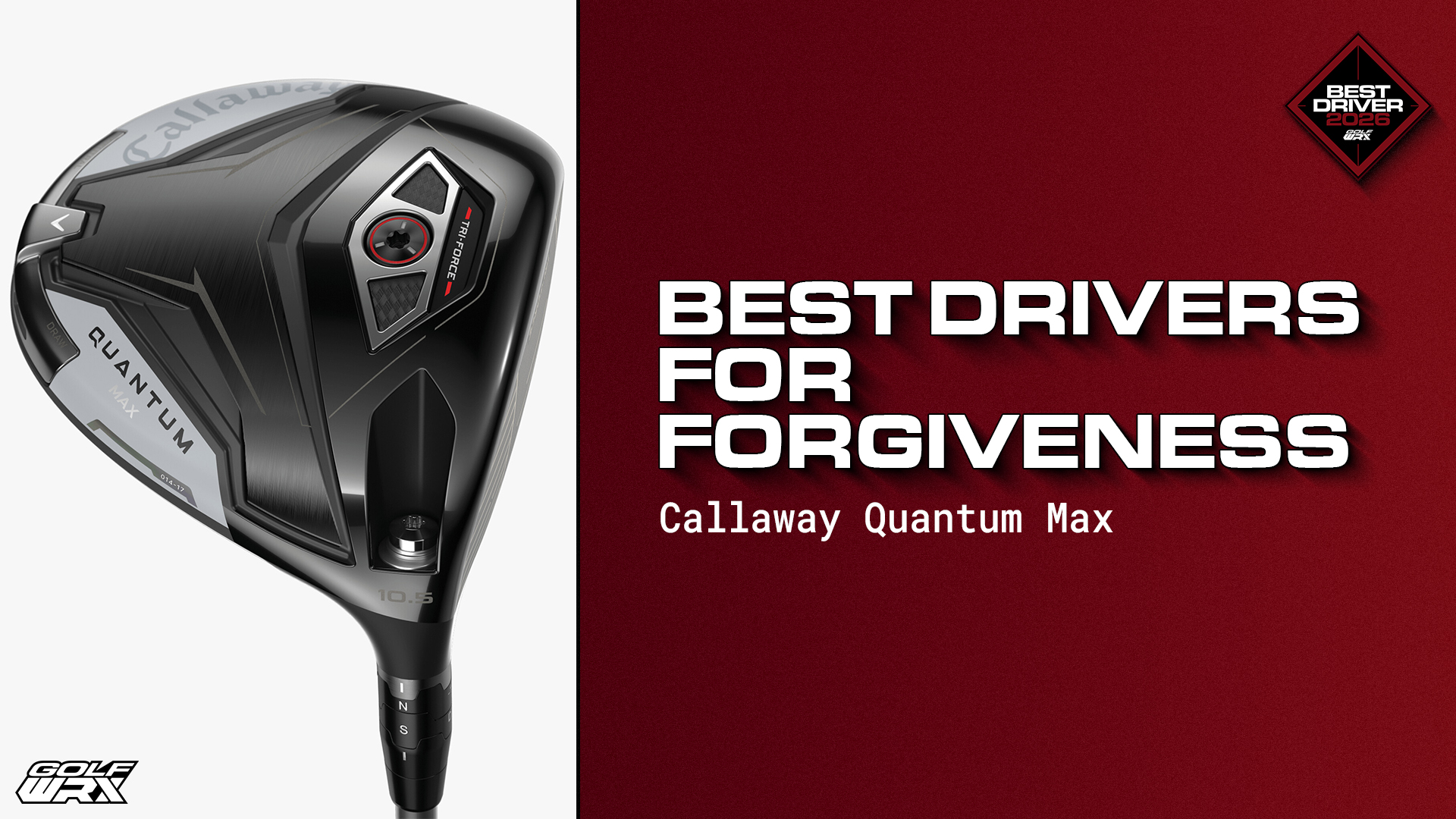
Callaway Quantum Max
From our launch piece: “The most versatile option in the lineup and best suited to the largest portion of the fitting bell curve, Quantum Max combines the Tri-Force Face with AI-optimized face mapping and adjustable weighting.”
For the technology breakdown, check out the full story.
Fitter notes
Pro:
- A great club for a poor driver of the golf ball. Easy to interface with, welcoming visuals, high MOI, and promotes a high launch angle with performance-oriented spin bias. Good first driver for a beginner with upside.
- Looks great at address and is easy to hit with consistent lower spin rates all across the face.
- A solid driver, and with the AI Face, provides great distance with straight ball flight.
Con:
- Need to be able to make the weight in a fade position for this head.
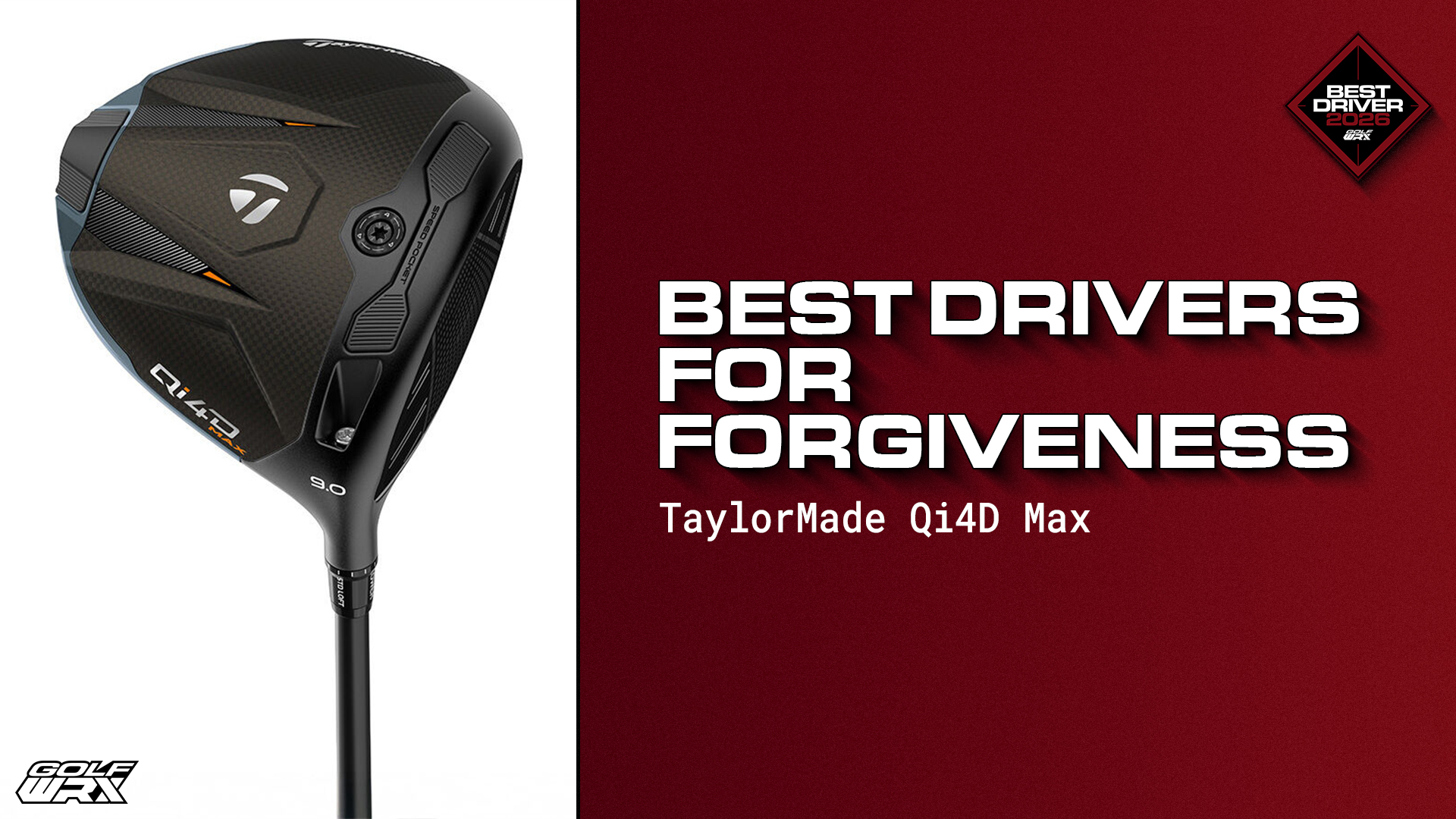
TaylorMade Qi4D Max
From our launch piece: “As has been the case throughout the company’s “Carbonwood Era,” the Qi4D lineup is built around a carbon face design that TaylorMade emphasizes is lighter than titanium and more efficient at generating ball speed. For the Qi4D, the face has been redesigned with a new roll radius intended to reduce spin variability on high and low strikes. This improves launch and distance consistency across the vertical impact area. Additionally, a redesigned cut-through Speed Pocket, which was developed using finite element analysis, aims to improve face flexibility low on the face, an area where many players tend to miss.”
For the technology breakdown, check out the full story.
Fitter notes
Pro:
- Longer than the 440 K but not quite as forgiving. The spin is surprisingly low for this class as well.
- Really forgiving with some great ball speed.
- Made an accurate driver even more accurate.
Con:
- Lots of spin.

Best driver: Meet the fitters
*Note: We once again have so many fitters participating in Best Driver that it would be unwieldy to list hundreds of names here. We’ll be thanking them in a separate post later this week, which we will link here when it becomes available! Thank you to all who participated!
Conclusion
The fitters who contributed to this article have gathered insights from thousands of fittings with golfers of all skill levels, from beginners to tour professionals. Their expertise and the data they’ve shared are invaluable, and we sincerely appreciate their time and input. If you come across any of these fitters in your area, put them at the top of your list.
Now it’s your turn: Every golfer has a unique swing and personal experience with their driver. We’d love to hear about yours! Join the discussion in the thread linked below and share your thoughts: What driver are you using this season? What did you upgrade from? Have you noticed any performance improvements in your game?




This week, we have our Tour Photographer, Greg Moore, on the ground at the OccuNet Classic at Tascosa Golf Club in Amarillo, Texas, for the 14th event of the 2026 Korn Ferry Tour season. With that, we see some great things in the Lead Tape Report as we roll into Amarillo.
Joel Thelen
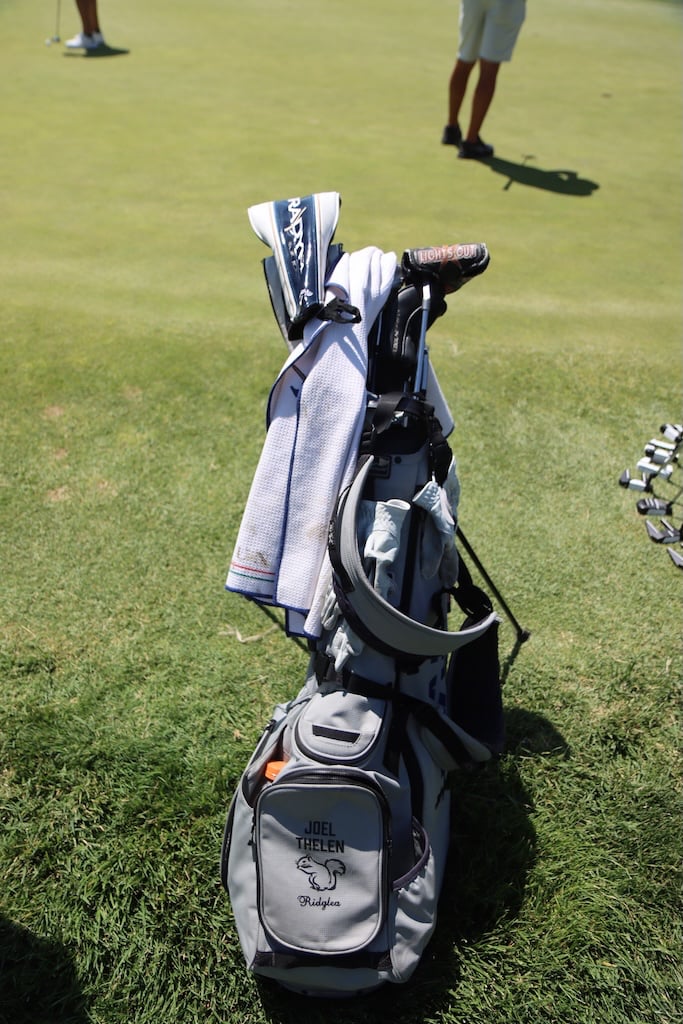
Monday Qualifier, Joel Thelen is in the field this week. He has played on the Korn Ferry Tour for a full season in 2023, and he is back in action this week. A couple of clubs caught my eye this week in his bag.
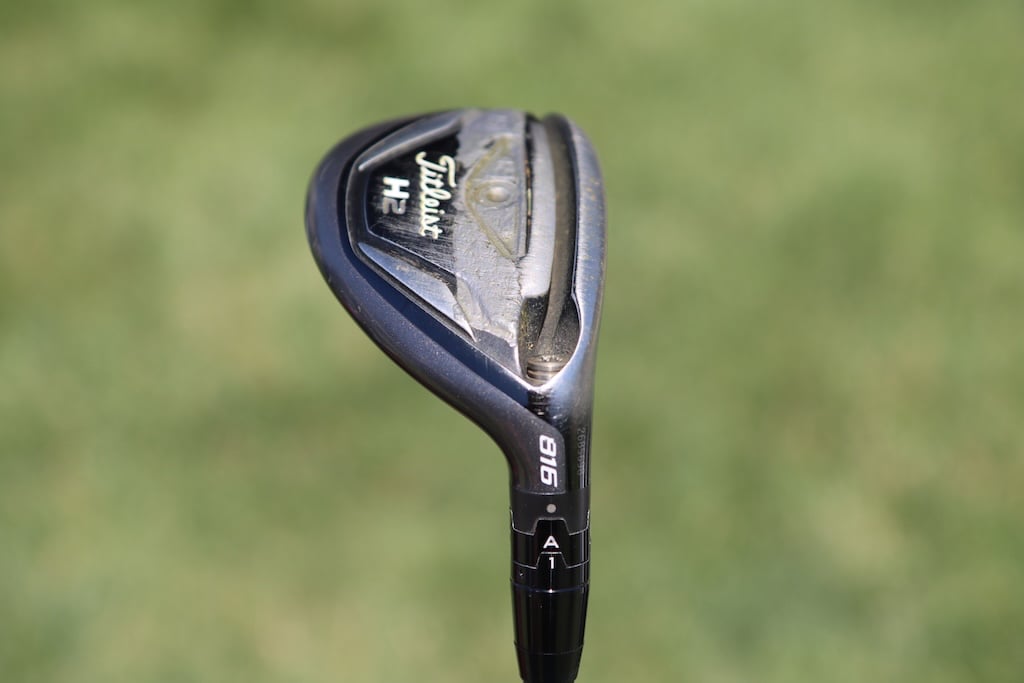
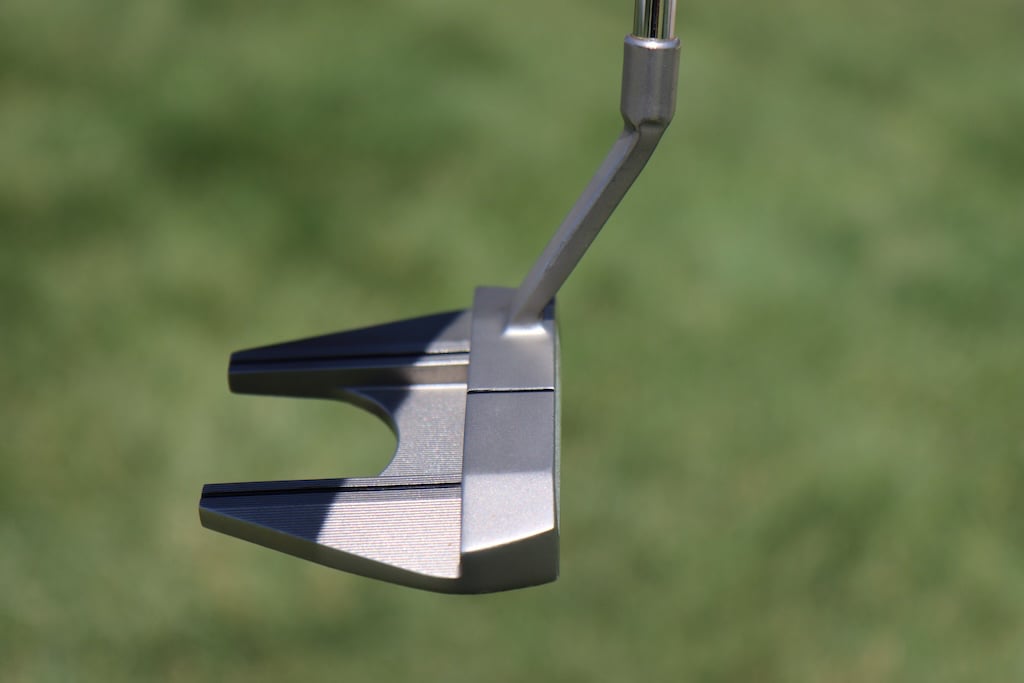
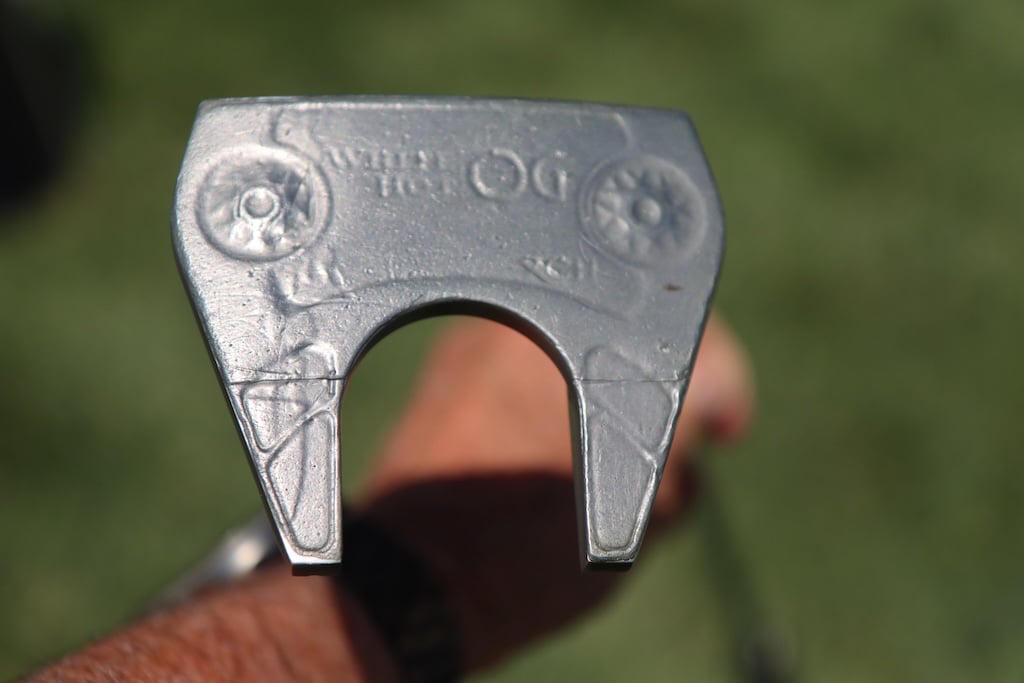
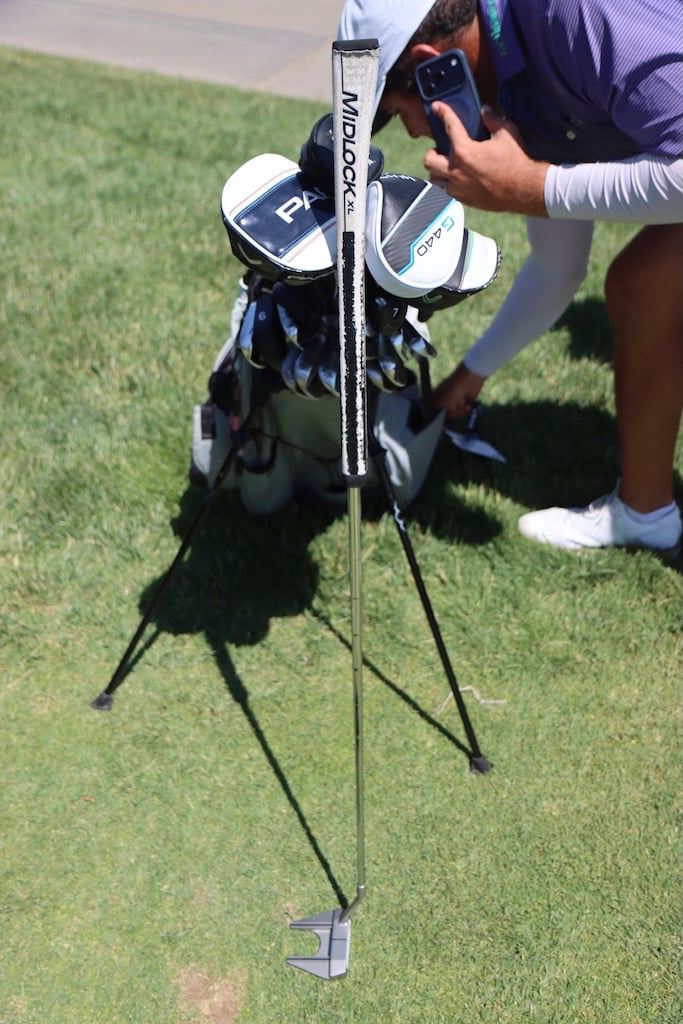
First off: His trusted Titleist 816 H2 hybrid. This club came out in October of 2015, and it still remains strong in the bag. Also, take a look at this Odyssey White Hot OG 7, putting a capital S in the 7S model. This custom neck has some impressive lean for an arm-lock-style putter. The bottom of the putter is covered in tape for optimal weighting.
Mitchell Meissner
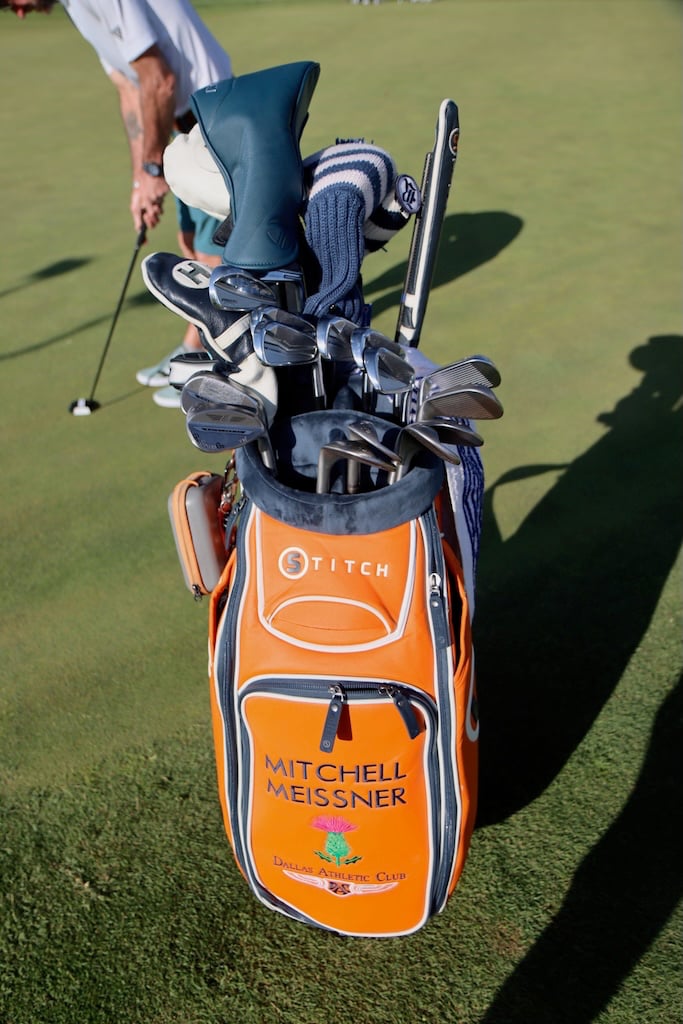
Taking a look at Mitchell Meissner’s bag this week, we have some great lead tape coverage. Top to bottom working from fairway metals, irons, and wedges. We can see on the short irons and wedges that there is tape at the base of the grip, adding a little counterbalance. Along with that, some tape on the short irons and wedges as well. Moving to his putter, he rolls the Odyssey 7 Bird putter. Meissner putts left-handed and strikes the ball right-handed.
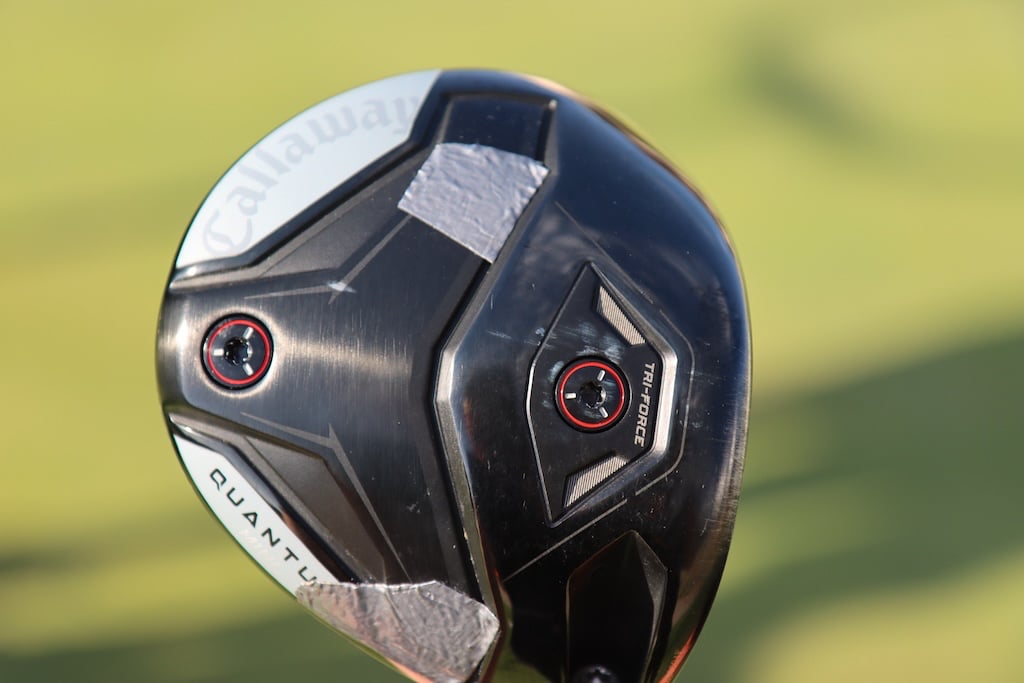
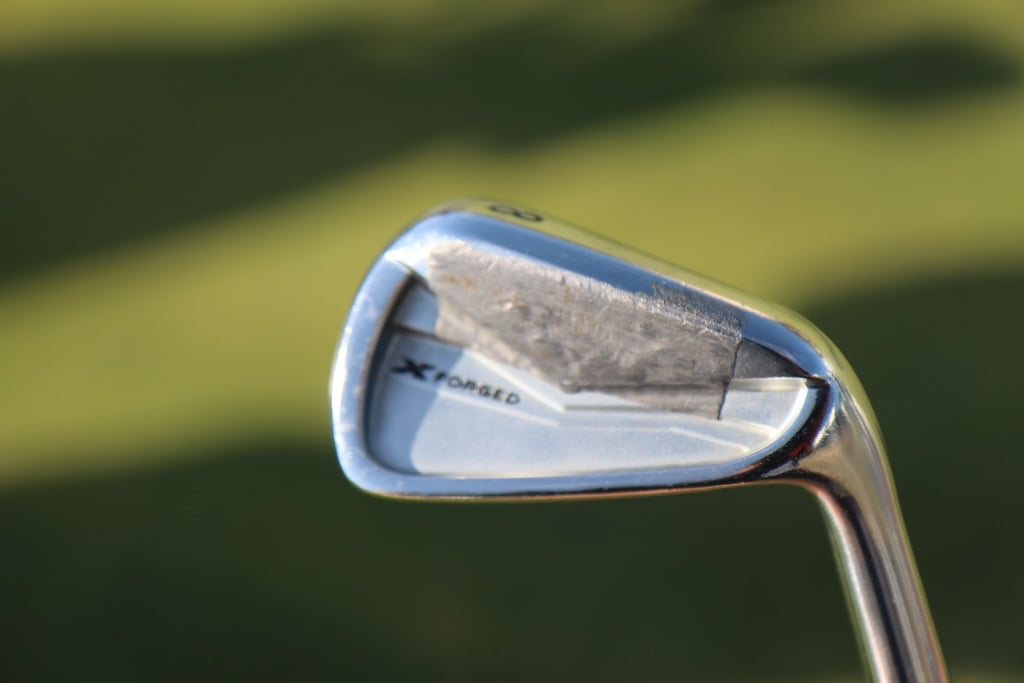

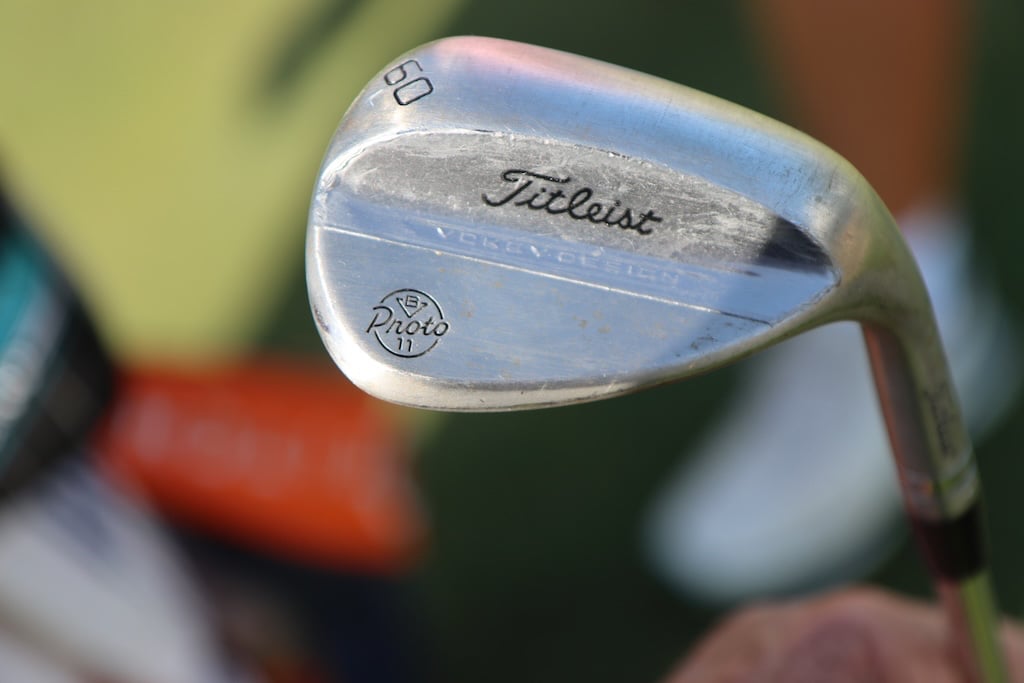

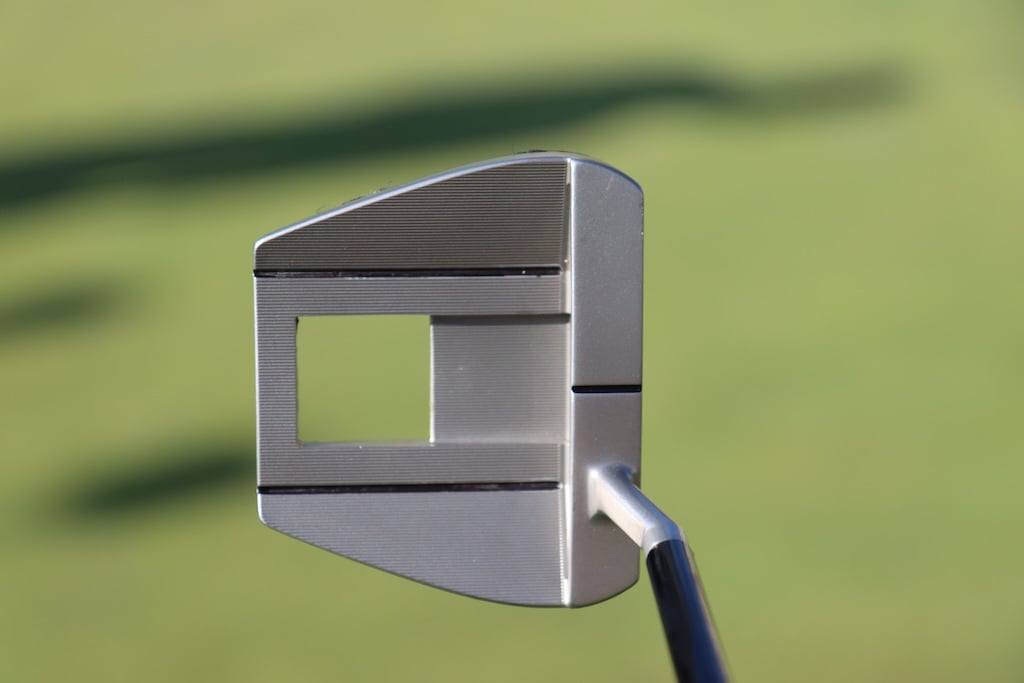


Bud Cauley had >14 clubs in his bag when photographed prior to the Memorial Tournament.
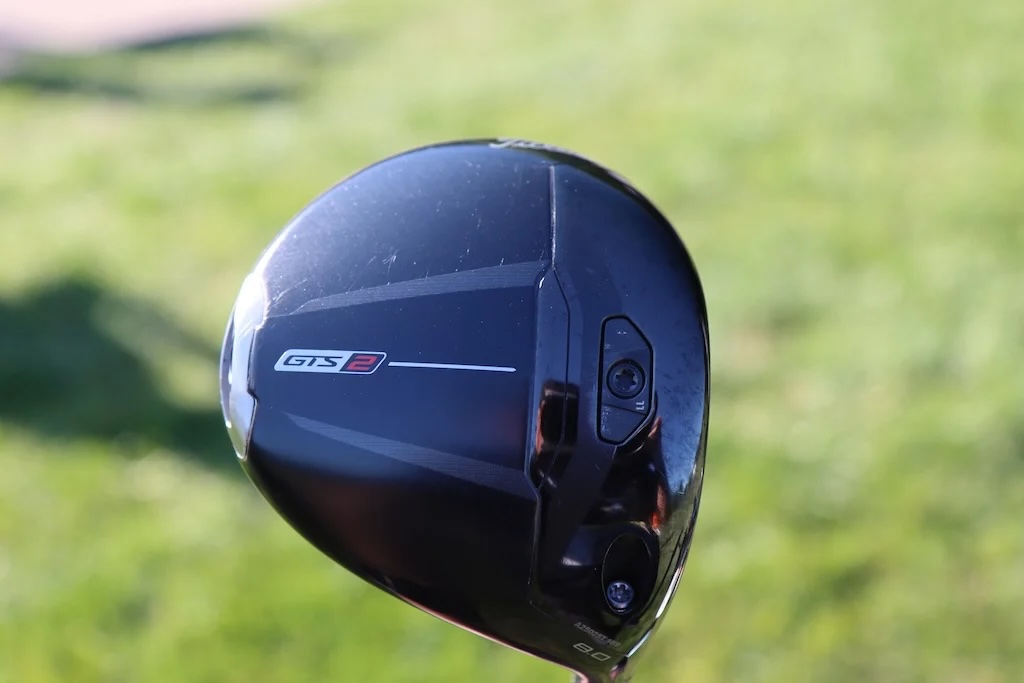
Driver: Titleist GTS2 (8 degrees)
Shaft: Fujikura Ventus Black 6 X
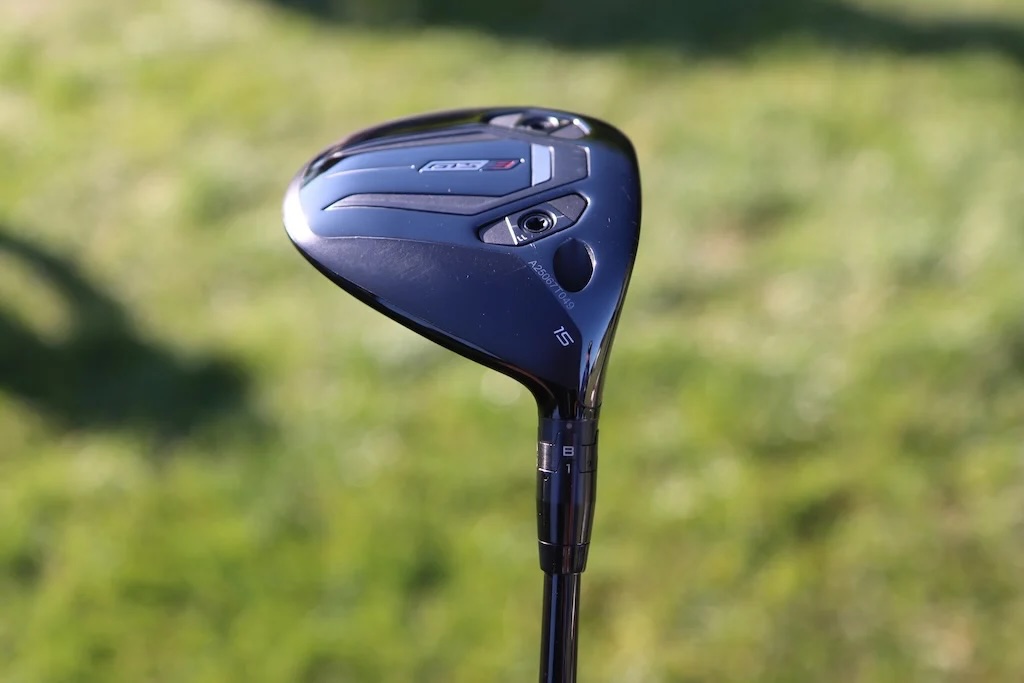
3-wood: Titleist GTS3 (15 degrees, B1 SureFit setting)
Shaft: Mitsubishi Chemical Tensei 1K Pro Red 70 TX
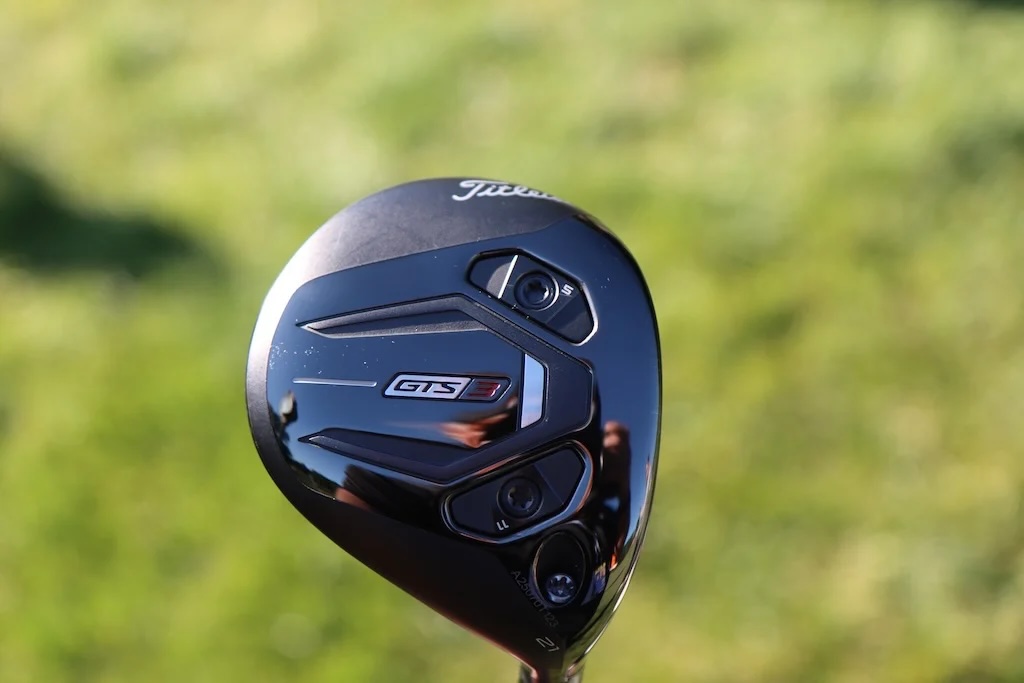
7-wood: Titleist GTS3 (21 degrees, D1 SureFit setting)
Shaft: Mitsubishi Chemical Tensei 1K Pro Red 80 TX
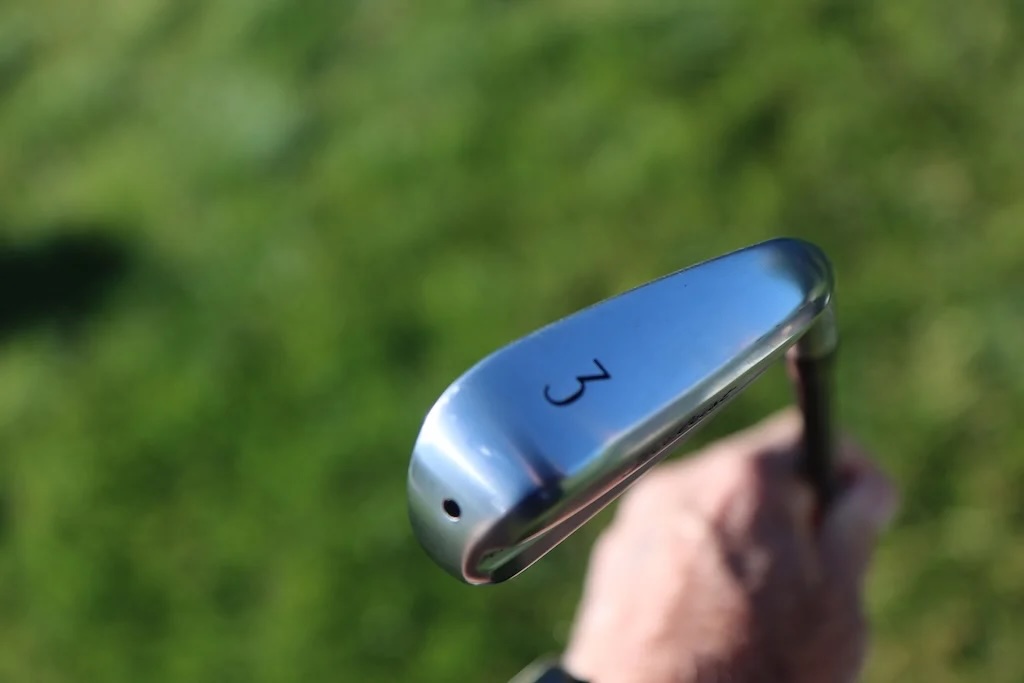
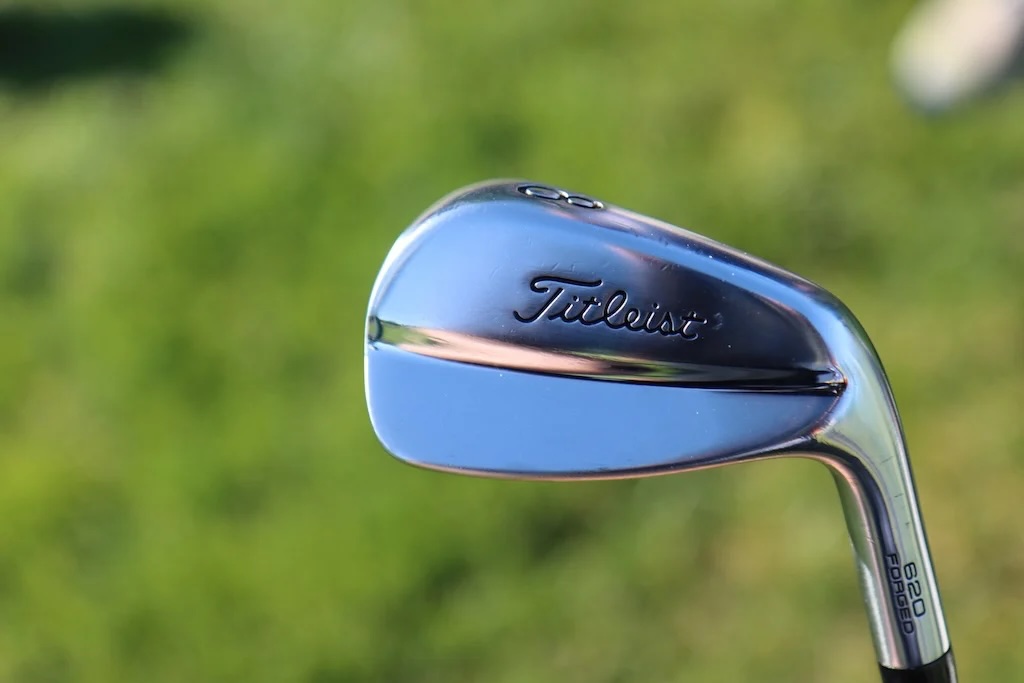
Irons: Titleist U505 (3), Titleist 620 MB (4-9)
Shafts: Fujikura Ventus Black HB 8 X, True Temper Dynamic Gold Tour Issue
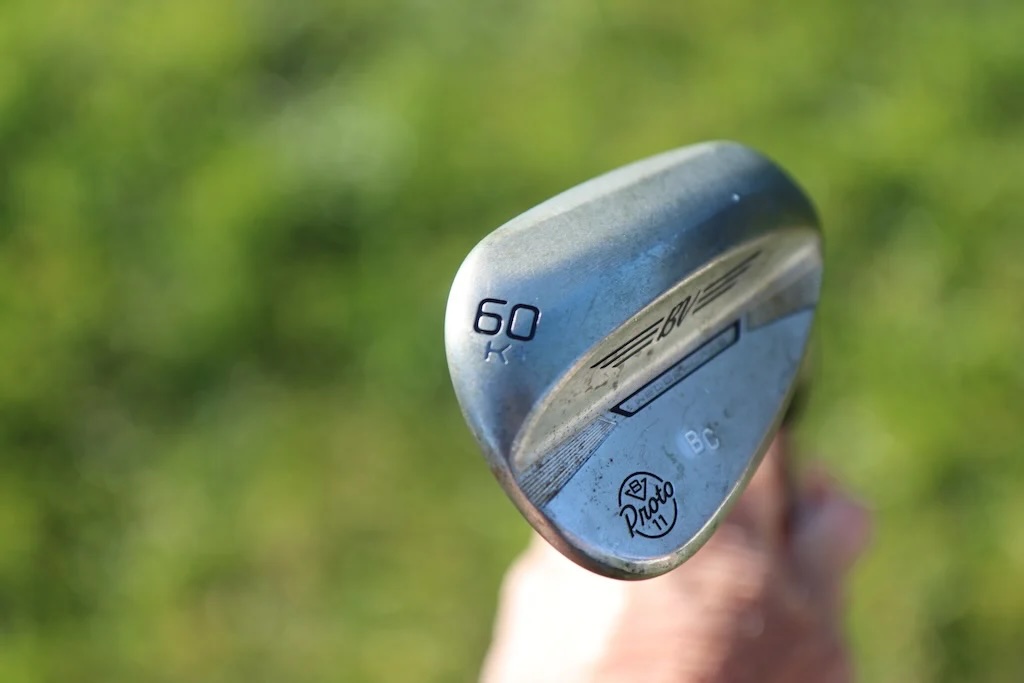
Wedges: Titleist Vokey Design SM11 (48-10F, 52-12F, 56-14F), WedgeWorks (60-K*)
Shafts: True Temper Dynamic Gold Tour Issue S400
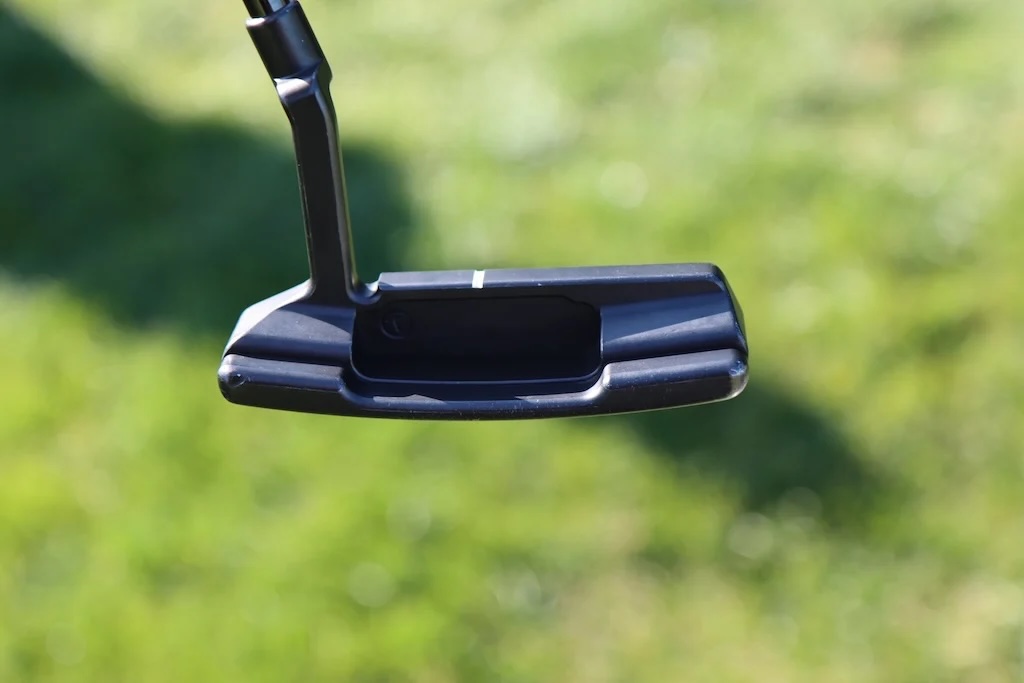
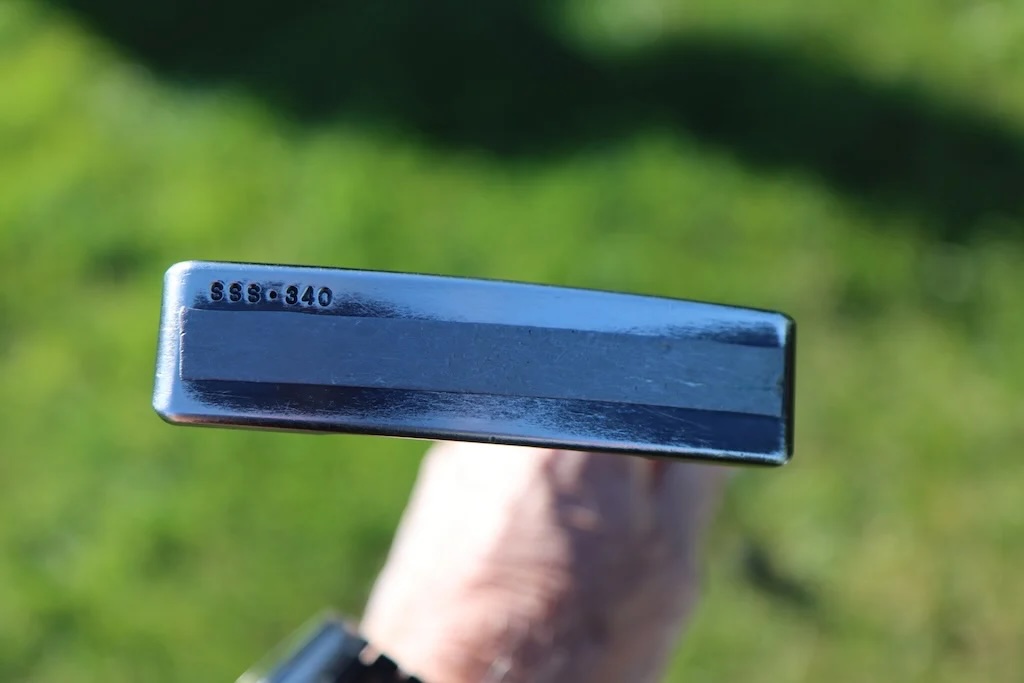
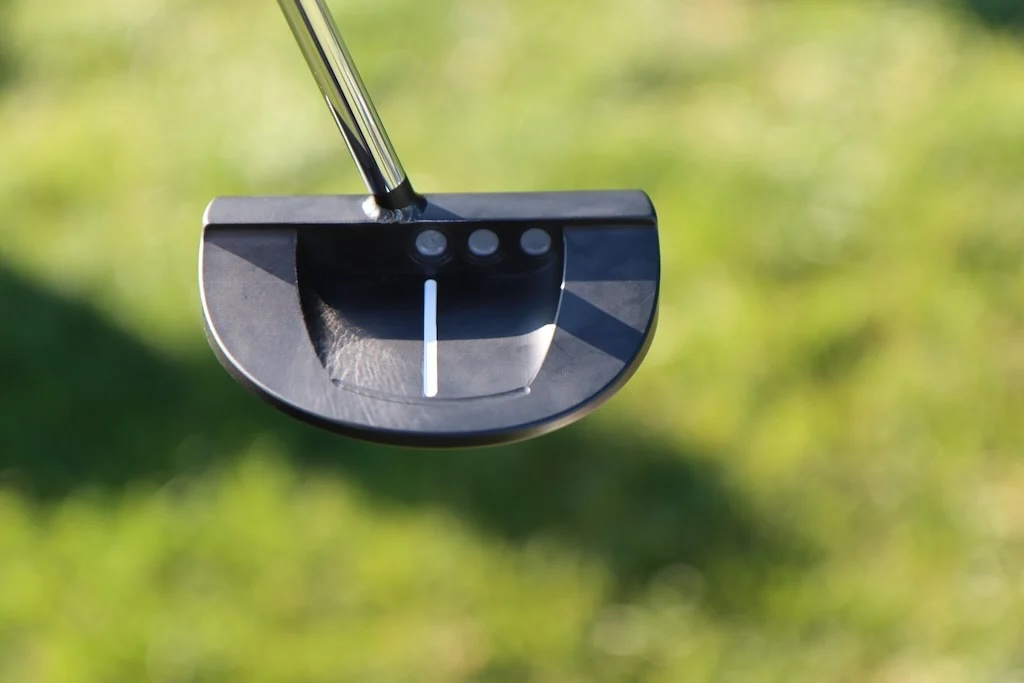
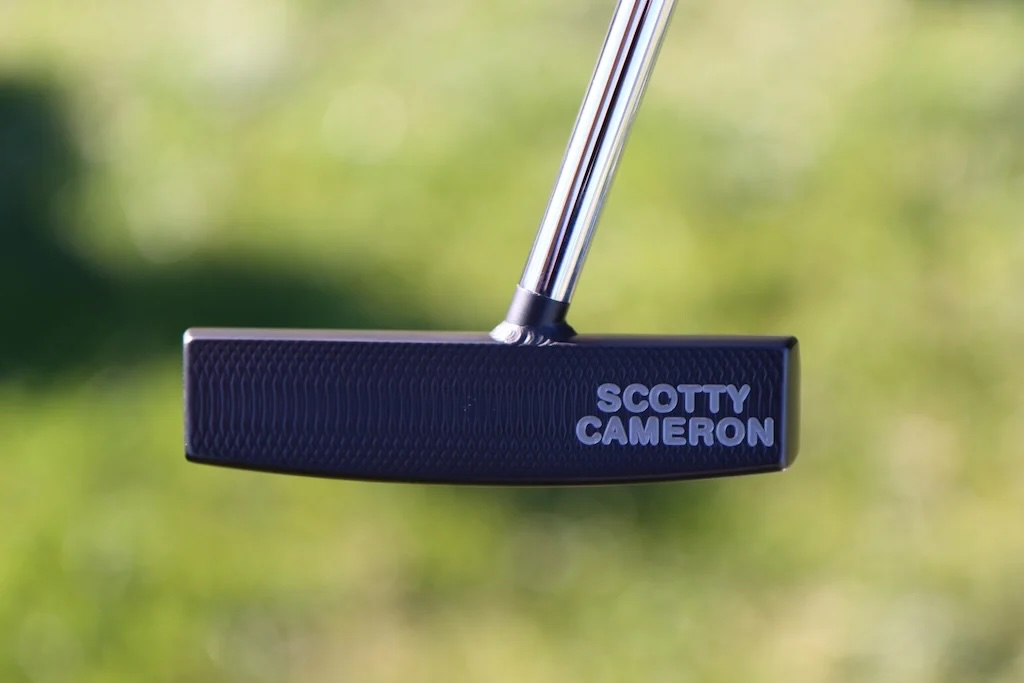
Putters: Scotty Cameron Tour Prototype, Scotty Cameron GOLO 6.3 Prototype
Grips: Golf Pride Tour Velvet Align
Ball: Titleist Pro V1
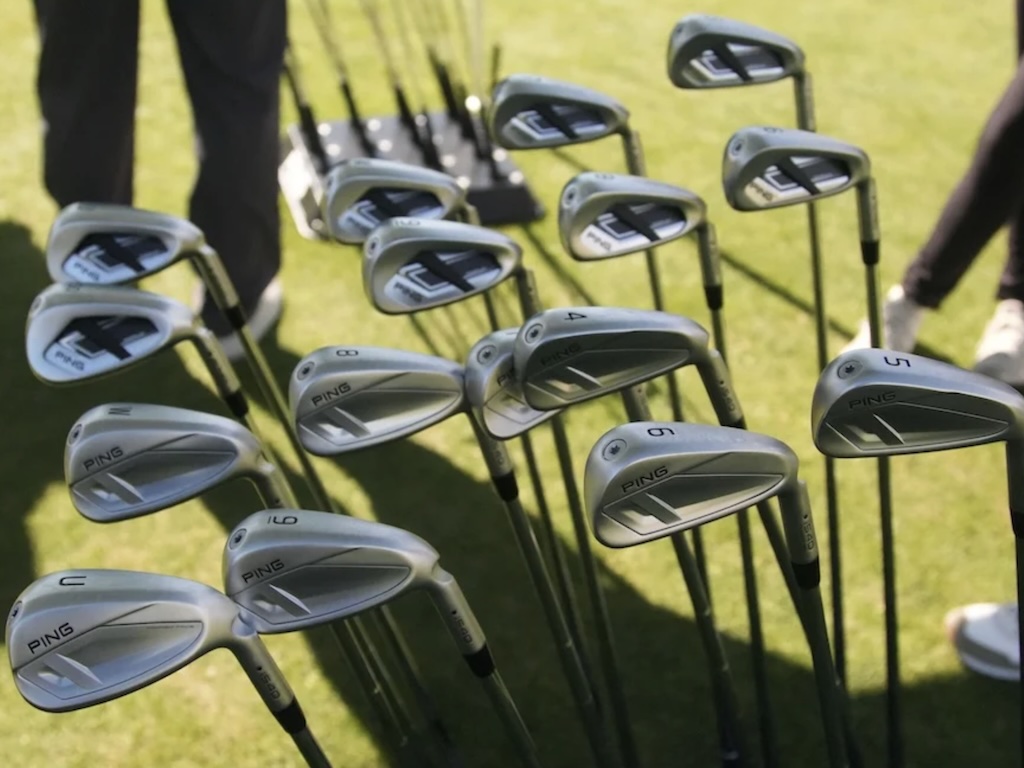
In our forums, one user has offered up a prompt for the true sickos, inviting fellow forum members to share every set of irons they’ve ever owned. As to be expected, this is a lengthy forum topic.
@Lamosteve began:
Can you name every set of irons you’ve owned? Here’s mine
Spalding Dots
Spalding Eclipse
Ram Lazer FX
Lynx Parallax
Mizuno EZ Comp
Ben Hogans
Cleveland CG Red
Taylor Made R9s
PING i20
PING iE1
Taylor Made M6
Our members in the forum have been offering up their own collections. Here are a few posts from the thread, but make sure to check out the entire discussion and have your say at the link below.
- macedan: “Started with a hand-me-down Golden Bear set from my brother when I was in high school, never really played more than once a year or got into the game until about summer of 2017. First purchased a set of Cleveland CG4’s (I actually really miss this set sometimes, soft & not terribly large for a GI iron), moved into Nike Vapor Fly’s by the end of the year. Those lasted until spring of 18 when I decided I wanted new, so I traded them in for TM Rbladez. Honestly, although I liked the Rbladez, poor decision on my part, I think this was really about the only time so far that after a week or two I was kicking myself for not staying with what I had. Rbladez stayed with me until late last summer when I switched to P790’s and (knock on wood) I am hoping this will be my longest lasting set.”
- JimmyC59: “MacGregor Jack Nicklaus Triple Crown. Palmer The Standard. Still play these.”
- jgrzask: “Tommy Armour 845u
Mizuno MP-32
Mizuno MP-33 (2 sets)
Bridgestone J33cb – still own
Srixon i-302 (2 sets) – still own
Tourstage X-Blades – still own
Mizuno Hot Metal – still own
Nike Forged Blades – still own
Titleist 714 AP1 – still own
Cobra Forged SS – still own”

Justin Rose WITB 2026 (April): Full WITB breakdown with new McLaren irons

What’s the story behind Webb Simpson’s custom-stamped irons?

Cadillac Championship Tour Report: Spieth’s sizable changes, McLaren Golf launches, and more

Memorial Tournament Tour Report: Rory McIlroy, Cameron Young switch up drivers, and more

Russell Henley’s winning WITB: 2026 Charles Schwab Challenge

Kristoffer Reitan’s winning WITB: 2026 Truist Championship

Aaron Rai’s winning WITB: 2026 PGA Championship

Cameron Young’s winning WITB: 2026 Cadillac Championship

J.T. Poston’s winning WITB: 2026 Memorial Tournament

Best irons 2026: Best irons overall, most forgiving irons, and more


Bud Cauley WITB 2026 (June)
Bud Cauley had >14 clubs in his bag when photographed prior to the Memorial Tournament. Driver: Titleist GTS2 (8 degrees) Shaft: Fujikura...


Hannah Green WITB 2026 (June)
Driver: Titleist GTS3 (10 degrees, D4 SureFit setting) Shaft: Mitsubishi Chemical Diamana RB 53 S 3-wood: Titleist GT3 (15 degrees,...


Asterisk Talley WITB 2026 (June)
Driver: TaylorMade Qi4D (9 degrees) Shaft: Fujikura Ventus Blue 6 S 3-wood: TaylorMade Qi4D (16.5 degrees) Shaft: Fujikura Ventus Blue...

Brianna Do WITB 2026 (June)
Driver: Callaway Quantum Triple Diamond (9 degrees) Shaft: KBS PGW 3-wood: Callaway Elyte Titanium (15 degrees) Shaft: KBS PGW 5-wood:...
-
 Equipment5 days ago
Memorial Tournament Tour Report: Rory McIlroy, Cameron Young switch up drivers, and more
-
 News1 week ago
Russell Henley’s winning WITB: 2026 Charles Schwab Challenge
-
 Whats in the Bag3 days ago
J.T. Poston’s winning WITB: 2026 Memorial Tournament
-
 Equipment2 days ago
Best irons 2026: Best irons overall, most forgiving irons, and more
-
 Equipment1 week ago
Details on Jason Day’s latest prototype Avoda iron setup
-
 Equipment3 weeks ago
CJ Cup Byron Nelson Tour Report: Koepka and Kim’s newest putters finally get hot
-

 News2 weeks ago
Charles Schwab Challenge Tour Report: MacIntyre, Åberg and Spaun all switch putters, TaylorMade launches new Spider
-
 Equipment2 weeks ago
Details on J.J. Spaun’s surprise putter switch

